

Motmot

ズグロウロコハタオリ 対 ズグロハタオリ

Ploceus cucullatus 対 Ploceus melanocephalus

ズグロウロコハタオリとズグロハタオリのクイズ
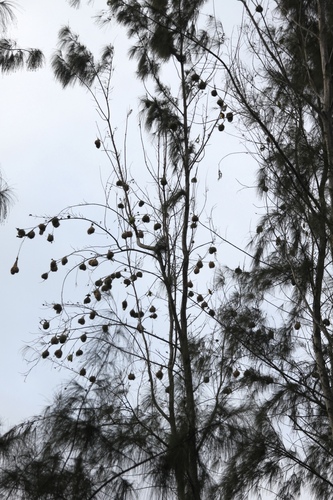
ズグロウロコハタオリ (Ploceus cucullatus) ズグロウロコハタオリ
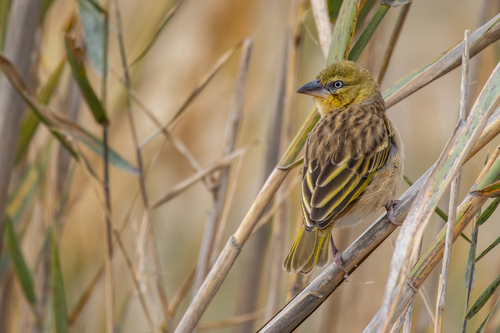
ズグロハタオリ (Ploceus melanocephalus) ズグロハタオリ

メディア

読み込み中…

要点

ズグロウロコハタオリとズグロハタオリの間で最も信頼できるフィールドマークは、繁殖期のオスにおける背中(マントル)と頭の色と模様です:ズグロウロコハタオリは、黒と黄色の大胆なストライプの背中を示し、ほとんどの亜種では栗色の縁取りのある黒い頭を持っています。一方、ズグロハタオリは、平坦な緑がかったマントルと、黄色の襟を持つ黒い頭を持っています。メスと非繁殖期のオスはより似ていますが、ズグロハタオリは上面がより地味で、胸はより淡い色合いです。幼鳥や未成熟な鳥は特に混乱を招くことがありますが、背中の模様は重要な区別点です。両種はサイズと構造が似ているため、自信を持って識別するためには、特に上面と頭の羽毛の詳細に注目してください。

識別のコツ

  1. Back pattern is key: ズグロウロコハタオリはすべての年齢で大胆な黒と黄色のストライプの背中を示しますが、ズグロハタオリは平坦な緑がかったマントルを持っています。これはすべての羽毛において最も信頼できるマークです。
  2. Breeding male head pattern: ズグロウロコハタオリのオスは黒い頭を持ち、しばしば栗色の縁取りがあります(特に北部の形態で)。一方、ズグロハタオリのオスは、明確な黄色の襟(後頭帯)を持つ黒い頭を持っています。南部のズグロウロコハタオリのオスは黒が少ない場合がありますが、黄色の襟は決して持ちません。
  3. Underparts color: ズグロウロコハタオリのオスは下側が明るい黄色ですが、ズグロハタオリのオスは淡い黄色で、しばしば胸と腹に栗色の混じりがあります。
  4. Female and nonbreeding male confusion: 両種は繁殖期以外では黒い頭を失います。ズグロウロコハタオリのメスは上面がよりストライプ状で、下側はより淡い黄色ですが、ズグロハタオリは上面がより地味なオリーブグリーンで、胸は淡い色(明るい黄色ではない)です。
  5. Juvenile plumage: 幼鳥のズグロウロコハタオリは上面がより茶色ですが、いくつかのストライプを保持しています。幼鳥のズグロハタオリは上面がより地味で緑色で、成鳥のメスのパターンに一致します。
  6. Bill and eye color: 両種はすべての羽毛において暗いくちばしと暗い赤褐色または暗い目を持っています;これでは区別できません。
  7. Habitat context: 村の騒がしいコロニーで見られた場合、ズグロウロコハタオリの可能性が高いです;水の近くの小さな群れで見られた場合、特に水に覆いかぶさるアカシアの木の近くでは、ズグロハタオリを考慮してください。
  8. Nape/collar: ズグロハタオリの繁殖期のオスだけが明確な黄色の後頭襟を示します;ズグロウロコハタオリはこれを示さず、一部の亜種は後頭部に黄色がありますが、襟としてはありません。
  9. Chestnut on head: ズグロウロコハタオリの繁殖期のオスは、特に北部で黒い頭に栗色の縁取りを持つことが多いですが、ズグロハタオリは頭に栗色を示さず、下側に栗色がある場合があります。
  10. Upperwing pattern: 飛行中の両種に特有の上翼のマークは記載されていません;鳥が止まっているときや上から見えるときは、背中の模様と頭の色に依存してください。
  11. Colony structure: ズグロウロコハタオリのコロニーはしばしば都市部でより大きく目立ちます;ズグロハタオリのコロニーはより小さく、湿地の縁により結びついています。
  12. Seasonal change: 両種は繁殖期以外では黒い頭を失うため、背中の模様と下側の色が非繁殖期やメスの鳥においてより重要になります。
  13. Pitfall with Masked and Golden-backed Weavers: メスや非繁殖期のズグロハタオリはメスのマスクハタオリに似ることがありますが、暗いくちばしと目、淡い胸がそれらを区別するのに役立ちます。ズグロウロコハタオリはどちらよりも上面がよりストライプ状です。
  14. Introduced populations: イベリア半島では、両種が発生する可能性があります;構造と行動が似ているため、同じ羽毛のマークを使用してください。
  15. When in doubt: 背中の模様や後頭襟が見えず、鳥が繁殖羽毛でない場合、識別は本当に難しい場合があります—鳥を異なる姿勢や光の中で観察して、重要なマントルと頭の特徴を捉えるようにしてください。

大きさ

ズグロウロコハタオリは体重が約37.5gで平均的ですが、ズグロハタオリの直接的な測定値はありませんが、両者は典型的な中型のハタオリであり、フィールドで似ているように見えます。くちばしのサイズや全体的な印象を含む構造は、これら二種の間で信頼できる区別点ではありません。

羽色

繁殖期のオスにおいて、ズグロウロコハタオリは黒い頭(特に北部の個体では栗色の縁取りがあることが多い)、大胆な黒と黄色のストライプの背中、黄色の下側が特徴的です。南部のズグロウロコハタオリのオスは頭の黒が少ない場合がありますが、常にストライプのある背中を示します。ズグロハタオリのオスは黄色の襟(後頭帯)を持つ黒い頭を持っていますが、主な違いは彼らの平坦な緑がかったマントル(背中)であり、ズグロウロコハタオリの大胆なストライプが欠けています。彼らの下側は淡い黄色で、変動的に栗色が混じっています。両種のメスと非繁殖期のオスは黒い頭を欠いていますが、ズグロハタオリは上面がより地味なオリーブグリーンで、淡い胸を持っています。一方、ズグロウロコハタオリのメスは上面がよりストライプ状で、下側はより淡い黄色です。両種の幼鳥はメスに似ていますが、ズグロウロコハタオリの幼鳥は上面がより茶色で、いくつかのストライプを示し、ズグロハタオリの幼鳥はより地味です。すべての年齢において、背中の模様に注目してください:ストライプ状(ズグロウロコハタオリ)対平坦(ズグロハタオリ)。

行動

両種は社会的で、しばしばコロニーを形成し、グループで巣を作ります。ズグロウロコハタオリは特に町や村で大きく騒がしいコロニーで知られています。ズグロハタオリもコロニーで繁殖し、しばしば水の近くで、時には捕食を減らすために水に覆いかぶさる木を選びます。採餌行動は似ており、両種は主に種子や穀物を食べ、時には作物の害虫になることがあります。

生息環境

ズグロウロコハタオリはサハラ以南のアフリカに広く分布し、人間によって変化した環境に適応し、村、町、ホテルの敷地、開けた森林で頻繁に見られます。ズグロハタオリも熱帯アフリカに広く分布していますが、湿った地域により密接に関連しており、特にサバンナの生息地で水の近くに見られることが多いです。両者はアフリカの外に導入されていますが、ズグロウロコハタオリは都市部や周辺都市の環境でより可能性が高く、ズグロハタオリは水の近くの湿地の縁やアカシアの木を好みます。

より良い説明を送る

比較と同じ項目を使ってください。文章はすぐに公開されます。

The most reliable field mark between Village Weaver and Black-headed Weaver is the color and pattern of the mantle (back) and the head in breeding males: Village Weaver shows a boldly streaked black-and-yellow back and, in most subspecies, a black head edged with chestnut, while Black-headed Weaver has a plain greenish mantle and a black head with a yellow collar. Females and nonbreeding males are more similar, but Black-headed Weaver is plainer above and has a buffier breast. Juvenile and immature birds can be especially confusing, but the back pattern remains a key separator. Both species are similar in size and structure, so focus on plumage details, especially in the upperparts and head, for confident identification.

  1. Back pattern is key: Village Weaver of all ages shows a boldly streaked black-and-yellow back, while Black-headed Weaver has a plain greenish mantle. This is the most reliable mark in all plumages.
  2. Breeding male head pattern: Village Weaver males have a black head, often edged with chestnut (especially in northern forms), while Black-headed Weaver males have a black head with a distinct yellow collar (nuchal band). Southern Village Weaver males may have less black, but never the yellow collar.
  3. Underparts color: Village Weaver males are bright yellow below; Black-headed Weaver males are pale yellow, often with some chestnut suffusion on the breast and belly.
  4. Female and nonbreeding male confusion: Both species lose the black head outside breeding. Female Village Weaver is more streaked above and paler yellow below, while Black-headed Weaver is plainer olive-green above with a buffy (not bright yellow) breast.
  5. Juvenile plumage: Juvenile Village Weavers are browner above but retain some streaking; juvenile Black-headed Weavers are plainer and greener above, matching the adult female pattern.
  6. Bill and eye color: Both species have dark bills and dark reddish or dark eyes in all plumages; this does not separate them.
  7. Habitat context: If seen in a noisy colony in a village, Village Weaver is more likely; if in a small group near water, especially in Acacia trees overhanging water, consider Black-headed Weaver.
  8. Nape/collar: Only Black-headed Weaver breeding males show a clear yellow nuchal collar; Village Weaver never shows this, though some subspecies have yellow on the nape but not as a collar.
  9. Chestnut on head: Village Weaver breeding males often have chestnut edging to the black head, especially in the north; Black-headed Weaver never shows chestnut on the head, but may have chestnut on the underparts.
  10. Upperwing pattern: No distinctive upperwing marks are described for either species in flight; rely on back pattern and head color when birds are perched or visible from above.
  11. Colony structure: Village Weaver colonies are often larger and more conspicuous in urban areas; Black-headed Weaver colonies are smaller and more tied to wetland edges.
  12. Seasonal change: Both species lose the black head outside breeding season, so back pattern and underpart color become more important in nonbreeding and female birds.
  13. Pitfall with Masked and Golden-backed Weavers: Females and nonbreeding Black-headed Weavers can resemble female Masked Weavers, but the darker bill and eyes, and buffy breast, help separate them. Village Weaver is more streaked above than either.
  14. Introduced populations: In the Iberian Peninsula, both species may occur; use the same plumage marks, as structure and behavior remain similar.
  15. When in doubt: If you cannot see the back pattern or nuchal collar, and the bird is not in breeding plumage, identification can be genuinely difficult—try to observe the bird in different postures and lighting to catch the key mantle and head features.

Village Weaver averages about 37.5g in body mass [wikidata], with no direct measurement available for Black-headed Weaver, but both are typical medium-sized weavers and appear similar in the field. Structure, including bill size and overall jizz, is not a reliable separator between these two species.

For breeding males, Village Weaver is distinctive with a black head (often edged with chestnut, especially in northern populations), a boldly streaked black-and-yellow back, and yellow underparts. Southern Village Weaver males may have less black on the head, but always show the streaked back. Black-headed Weaver males have a black head with a yellow collar (nuchal band), but the key difference is their plain greenish mantle (back), lacking the bold streaks of Village Weaver. Their underparts are pale yellow, variably suffused with chestnut. Females and nonbreeding males of both species lack the black head; however, Black-headed Weaver is plainer olive-green above with a buffy breast, while Village Weaver females are more streaked above and have paler yellow underparts. Juveniles of both species resemble females, but Village Weaver juveniles are browner above and still show some streaking, while Black-headed Weaver juveniles are plainer. In all ages, focus on the back pattern: streaked (Village) versus plain (Black-headed).

Both species are social, often forming colonies and nesting in groups. Village Weavers are especially known for large, noisy colonies in towns and villages. Black-headed Weavers also breed colonially, often near water, sometimes choosing trees overhanging water to reduce predation. Foraging behavior is similar, with both species feeding mainly on seeds and grains, sometimes becoming crop pests.

Village Weaver is widespread in sub-Saharan Africa and adapts well to human-altered environments, frequently seen in villages, towns, hotel grounds, and open woodlands. Black-headed Weaver is also widespread in tropical Africa but is more closely associated with damp areas and is often found near water, especially in savanna habitats. Both have been introduced outside Africa, but Village Weaver is more likely in urban or peri-urban settings, while Black-headed Weaver prefers wetland edges and Acacia trees near water.

変更を破棄しますか?

保存していない編集があります。今離れると失われます。

ズグロウロコハタオリ · ズグロハタオリ · 苦手な鳥