

Motmot

ロクショウヒタキ 対 ウスヒメアオヒタキ

Eumyias thalassinus 対 Cyornis unicolor

ロクショウヒタキとウスヒメアオヒタキのクイズ
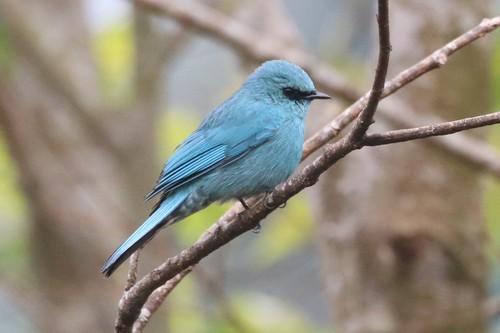
ロクショウヒタキ (Eumyias thalassinus) ロクショウヒタキ
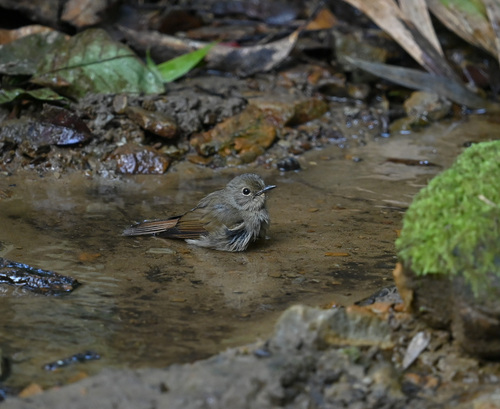
ウスヒメアオヒタキ (Cyornis unicolor) ウスヒメアオヒタキ

メディア

読み込み中…

要点

ロクショウヒタキとウスヒメアオヒタキの最も信頼できるフィールドマークは、青の全体的な強度と均一性です:ロクショウヒタキは目を引く銅硫酸青で、鋭い黒いアイパッチがありますが、ウスヒメアオヒタキは上部がより淡い青で、下部は灰色がかっており、あまり明確でない、壊れたアイパッチがあります。両種は生息域と生息地が重なることがあり、雌や幼鳥は特に混乱を招くことがありますが、ロクショウヒタキの大胆な青色としっかりした顔の模様は通常目立ちます。構造的および行動的な手がかりは微妙であるため、羽毛、特に顔と下部に注意を払うことが重要です。幼鳥や未熟な翼の模様は、利用可能なメモではどちらの種に対しても特異的とは記載されていません。

識別のコツ

  1. Overall blue coloration: ロクショウヒタキは成鳥のオスで全身が鮮やかな銅硫酸青ですが、ウスヒメアオヒタキは上部が明らかに淡い青で、下部は灰色がかっています。これは両性およびすべての年齢にとって最も信頼できるフィールドマークですが、雌や未熟なロクショウヒタキでは強度が低くなります。
  2. Face pattern: ロクショウヒタキは目の間とくちばしの基部の間に鋭く定義された黒いパッチを示し、マスクのような外観を与えます。ウスヒメアオヒタキは、より連続性がなく、あまり定義されていない黒いアイパッチを持っています。このマークは良い光の下で近距離で見ることができます。
  3. Underparts: ロクショウヒタキの下部は青(灰色のベント付き)で、上部と一致していますが、ウスヒメアオヒタキの下部は喉からベントまで灰色がかっており、青い上部と対照的です。これは、鳥があなたの方を向いているときや横から見たときに特に役立ちます。
  4. Intensity of blue: 雌や未熟な個体でも、ロクショウヒタキはウスヒメアオヒタキのどの個体よりも均一で強い青です。
  5. Perching behavior: ロクショウヒタキはしばしば露出した樹冠やワイヤーに止まり、時には樹冠の上にいます。高く開けた止まり木に青いヒタキを見たら、まずロクショウヒタキを考えてください。
  6. Habitat overlap: 両種は同じ森林に共存することがあるため、IDのために位置だけに頼らないでください。
  7. Juvenile/immature confusion: どちらの種についても特異的な幼鳥や未熟な上翼または飛行パターンのマークは記載されていないため、若い鳥でも顔と下部の色に焦点を当ててください。
  8. Bill and structure: ソースには強い構造的な違いは記載されておらず、両方とも典型的な小型ヒタキです。分離のためにくちばしの形や尾の長さに頼らないでください。
  9. Sex differences: 雌や未熟なロクショウヒタキはオスよりも淡いですが、ウスヒメアオヒタキのどの性別や年齢よりも均一な青です。
  10. Lighting pitfalls: 悪い光の中では、両種は実際よりも鈍く見えることがあります。常に良い光の下で顔のパターンと下部の色を確認してください。
  11. Face patch continuity: ロクショウヒタキの黒い顔のパッチはしっかりしていて明確ですが、ウスヒメアオヒタキのものは壊れているか不完全です—鳥が近くにいる場合はこれを注意深く確認してください。
  12. Grey vent: ロクショウヒタキは青い腹部と対照的な灰色のベントを持っており、見えた場合は微妙ですが役立つマークです。
  13. Mass and size: 両種は本質的に同じサイズです。体重や長さを分離の基準にしないでください。
  14. Seasonal change: どちらの種についても強い季節的な羽毛の変化は記載されておらず、上記のマークは一年中適用されます。
  15. Vocalizations: メモには診断的な声の違いは記載されていないため、分離のために歌や鳴き声に頼らないでください。

大きさ

両種はサイズと質量が非常に似ており、ロクショウヒタキの平均は18.1 g、ウスヒメアオヒタキは17.5 gです [wikidata]。フィールドでは、サイズはこれら二つの間の信頼できる分離要因ではありません。認識された違いは姿勢や視認条件による可能性があります。

羽色

成鳥のオスのロクショウヒタキは、目を引く均一な青で全身を覆い、目の間とくちばしの上に鋭く定義された黒いパッチと灰色のベントがあります。雌や未熟な個体はより淡い青ですが、ウスヒメアオヒタキよりも均一です。対照的に、ウスヒメアオヒタキは上部がより淡い青で、喉からベントまで明確に灰色がかっており、ロクショウヒタキの全体的な青の効果が欠けています。その黒いアイパッチは連続性がなく、鋭く定義されていません。両種は一見似ていることがありますが、特に悪い光の中や未熟な/雌の鳥とともにいるときは、ロクショウヒタキの青の強度と均一性、そしてしっかりした顔のパッチが診断的です。幼鳥や未熟な翼の模様は、提供されたソースではどちらの種に対しても特異的とは記載されていません。

行動

ロクショウヒタキはしばしば露出した樹冠やワイヤーに目立って止まり、樹冠の上で餌を探すことがあり、これはヒタキにとってはやや異常です。ウスヒメアオヒタキの行動はあまり具体的には記載されていませんが、そのような露出した止まり方は記載されていません。両種は似たような森林生息地で見られ、餌を探す高さが重なることがありますので、行動だけでは強い分離要因とはなりませんが、高く露出している鳥はロクショウヒタキである可能性が高いです。

生息環境

両種は南アジアと東南アジアの重なり合った地域に生息し、似たような森林生息地で見られます。ウスヒメアオヒタキは亜熱帯または熱帯の湿った低地および山地の森林に見られ、ロクショウヒタキはヒマラヤから東南アジアを経てスマトラまで見られ、しばしば樹冠の上にいます。生息地だけでは診断的ではありませんが、ロクショウヒタキは開けた高い止まり木で見られることが多いかもしれません。

より良い説明を送る

比較と同じ項目を使ってください。文章はすぐに公開されます。

The most reliable field mark between Verditer Flycatcher and Pale Blue Flycatcher is the overall intensity and uniformity of blue: Verditer Flycatcher is a striking, all-over copper-sulphate blue with a sharp black eye-patch, while Pale Blue Flycatcher is paler blue above and has greyish underparts with a less distinct, broken eye-patch. Both species can overlap in range and habitat, and females and immatures can be especially confusing, but the Verditer’s bold blue coloration and solid face pattern usually stand out. Structural and behavioral cues are subtle, so careful attention to plumage—especially the face and underparts—is key. Juvenile and immature wing patterns are not described as distinctive for either species in the available notes.

  1. Overall blue coloration: Verditer Flycatcher is a vivid, copper-sulphate blue over the entire body in adult males, while Pale Blue Flycatcher is noticeably paler blue above and has greyish underparts. This is the single most reliable field mark for both sexes and all ages, though less intense in female/sub-adult Verditer.
  2. Face pattern: Verditer Flycatcher shows a sharply defined black patch between the eyes and above the bill base, giving a masked look. Pale Blue Flycatcher has a less continuous, less defined black eye-patch. This mark is visible in good light and at close range.
  3. Underparts: Verditer Flycatcher’s underparts are blue (with a grey vent), matching the upperparts, while Pale Blue Flycatcher’s underparts are greyish from throat to vent, contrasting with the blue upperparts. This is especially useful when the bird is facing you or in side view.
  4. Intensity of blue: Even in females and sub-adults, Verditer Flycatcher is more uniform and intense blue than any Pale Blue Flycatcher.
  5. Perching behavior: Verditer Flycatcher often perches on exposed treetops or wires, sometimes above the canopy. If you see a blue flycatcher in a high, open perch, consider Verditer first.
  6. Habitat overlap: Both species can occur together in the same forests, so do not rely on location alone for ID.
  7. Juvenile/immature confusion: No distinctive juvenile or immature upperwing or flight pattern marks are described for either species, so focus on face and underpart color even in young birds.
  8. Bill and structure: No strong structural differences are noted in the sources; both are typical small flycatchers. Do not rely on bill shape or tail length for separation.
  9. Sex differences: Female and sub-adult Verditer Flycatchers are paler than males but still more uniform blue than Pale Blue Flycatcher of any sex or age.
  10. Lighting pitfalls: In poor light, both species can appear duller or greyer than they are; always try to confirm face pattern and underpart color in good light.
  11. Face patch continuity: The Verditer’s black face patch is solid and well-defined, while Pale Blue’s is broken or incomplete—check this carefully if the bird is close enough.
  12. Grey vent: Verditer Flycatcher has a grey vent contrasting with the blue belly, which can be a subtle but useful mark if seen.
  13. Mass and size: Both species are essentially the same size; do not use bulk or length as a separator.
  14. Seasonal change: No strong seasonal plumage changes are noted for either species; the above marks apply year-round.
  15. Vocalizations: No diagnostic vocal differences are described in the notes, so do not rely on song or call for separation.

Both species are very similar in size and mass, with Verditer Flycatcher averaging 18.1 g and Pale Blue Flycatcher 17.5 g [wikidata]. In the field, size is not a reliable separator between these two; any perceived difference is likely due to posture or viewing conditions.

Adult male Verditer Flycatcher is a vivid, uniform blue over the entire body except for a sharply defined black patch between the eyes and above the bill, and a grey vent. Females and sub-adults are a paler blue but still more uniform than Pale Blue. In contrast, Pale Blue Flycatcher is paler blue above and has distinctly greyish underparts from throat to vent, lacking the Verditer’s all-over blue effect. Its black eye-patch is less continuous and less sharply defined. Both species can appear similar at a glance, especially in poor light or with immature/female birds, but the Verditer’s intensity and uniformity of blue, and its solid facial patch, are diagnostic. Juvenile and immature wing patterns are not noted as distinctive for either species in the sources provided.

Verditer Flycatcher often perches conspicuously on exposed tree tops or wires and forages above the canopy, which is somewhat unusual for flycatchers. Pale Blue Flycatcher’s behavior is less specifically described, but it is not noted for such exposed perching. Both species can be seen in similar forested habitats and may overlap in foraging height, so behavior alone is not a strong separator, but a bird persistently high and exposed is more likely Verditer.

Both species occur in overlapping regions across South and Southeast Asia and can be found in similar forested habitats. Pale Blue Flycatcher is noted in subtropical or tropical moist lowland and montane forests, while Verditer Flycatcher is found from the Himalayas through Southeast Asia to Sumatra, often above the canopy. Habitat alone is not diagnostic, but Verditer may be more often seen in open, elevated perches.

変更を破棄しますか?

保存していない編集があります。今離れると失われます。

ロクショウヒタキ · ウスヒメアオヒタキ · 苦手な鳥