

Motmot

ヨーロッパビロードキンクロ 対 アメリカビロードキンクロ

Melanitta fusca 対 Melanitta deglandi

ヨーロッパビロードキンクロとアメリカビロードキンクロのクイズ
ヨーロッパビロードキンクロ (Melanitta fusca) ヨーロッパビロードキンクロ
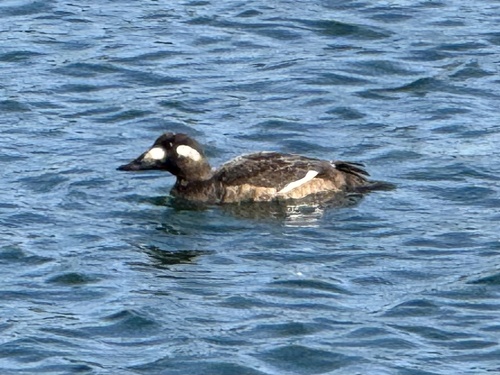
アメリカビロードキンクロ (Melanitta deglandi) アメリカビロードキンクロ

メディア

読み込み中…

要点

ビロードキンクロとアメリカビロードキンクロの最も信頼できるフィールドマークは、特に成鳥のオスにおける顔のパターンとくちばしの構造ですが、雌や幼鳥における年齢に関連した変異が混乱を引き起こすことがあります。両種は飛行中に目立つ白い翼の斑点を示しますが、頭の形、くちばしの色、顔や翼の白の範囲における微妙な違いが注意深い観察に役立ちます。幼鳥と雌は特に難しく、変動する白い顔の斑点と茶色がかったトーンを持っているため、構造的特徴とくちばしの詳細が重要になります。止まっているか泳いでいる鳥では、くちばしの形と顔の羽毛に注意を払い、飛行中は翼の斑点と全体のサイズや印象に注意を払ってください。両者は大きくてずんぐりした海ガモですが、ビロードキンクロはやや重く、首が太く、尾が尖っています。

識別のコツ

  1. 飛行中の白い翼の斑点: 両種は飛行中に翼(スペキュラム)に目立つ白を示し、すべての年齢と性別で確認できます。このマークは両者を区別するものではありませんが、強い白い斑点がない場合は両方を除外できます。
  2. 成鳥オスの顔のパターン: ビロードキンクロのオスは目の後ろに小さな白い斑点があります。アメリカビロードキンクロのオスは目の周りにより広範な白い領域があり、しばしば三日月形を形成します。これは成鳥のオスにおける重要なフィールドマークです。
  3. くちばしの色と形(成鳥オス): ビロードキンクロはオレンジ色の部分を持つ長くて広いくちばしを持っています。アメリカビロードキンクロは大きな黒いノブを持つオレンジ赤いくちばしを持っています。このノブはビロードキンクロよりも低いですが、ビロードよりも目立ちます。
  4. 雌と幼鳥の顔のパターン: アメリカビロードキンクロの雌と幼鳥は目の前後に変動する白い斑点を示します(特に若い鳥で)、しかし成鳥の雌はこれらを欠くことがあり、全体が茶色に見えます。ビロードキンクロの雌はより鈍く、茶色がかり、強い顔の白を欠いています。
  5. 幼鳥の上翼パターン: 幼鳥のアメリカビロードキンクロのオスは幼鳥の雌よりも大きな二次カバーにより広範な白を持っています。ビロードキンクロの幼鳥はあまり詳しく記述されていませんが、両性において強い白い翼の斑点を示すと予想されます。注意して使用してください。
  6. 体の形と頭のプロファイル: ビロードキンクロはずんぐりしており、首が太く、尾が尖っています。アメリカビロードキンクロはやや長い体を持ち、飛行中はスリムに見えることがあります。
  7. くちばしの開口部の羽毛(雌/幼鳥): アメリカビロードキンクロは上顎の基部に直角を形成する羽毛があります。ビロードキンクロのくちばしはあまり詳しく記述されていませんが、一般的に広くて長いです。これは微妙で、近距離で見るのが最適です。
  8. 羽毛の光沢と色(オス): ビロードキンクロのオスは光沢のある黒です。アメリカビロードキンクロのオスは黒ですが、光沢が少なく、いくつかの羽毛で茶色がかった側面があります。
  9. 尾の形: ビロードキンクロはより尖った尾を持ち、特に泳いでいるときや飛行中に目立ちます。
  10. 冬の顔のパターン: 成鳥の雌のアメリカビロードキンクロは顔の白を欠くことがあり、均一にチョコレートブラウンに見えることがあります。これはビロードキンクロの雌と重なることがあります。この場合、構造とくちばしの形により頼るべきです。
  11. 幼鳥の腹部: 幼鳥のアメリカビロードキンクロはまだらの白い腹部を持ち、近くで見ると役立つことがあります。ビロードキンクロの幼鳥は一般的に鈍く、茶色がかっています。
  12. 地理的範囲: ユーラシアで見られた場合、ビロードキンクロが期待されます。北アメリカではアメリカビロードキンクロがデフォルトです。迷鳥が発生することがあるため、範囲だけに頼らないでください。
  13. 群れの関連: 両種は他のスコーターと混ざることが多く、群れの中で迷鳥の可能性がある外れ値を確認してください。
  14. 声: ソースでは記述されていないため、ここでの区別には信頼できません。
  15. 季節的変異: 両種は特に雌と幼鳥において年齢と季節の変異を示すことに注意してください。最も正確なためにマークの組み合わせを使用してください。

大きさ

ビロードキンクロとアメリカビロードキンクロは大きな海ガモですが、ビロードキンクロは平均してやや重いです(体重約1762 g [wikidata])。アメリカビロードキンクロのオスは平均1380 g、雌は1180 gで、長さは重なっています(ビロードキンクロ51–56 cm、アメリカビロードキンクロ48–60 cm)[wikipedia, wikidata]。両者は広い翼幅を持っていますが、ビロードキンクロはややずんぐりしていて、首が太く見えることがあります。フィールドでは、サイズだけでは強い区別にはなりませんが、ビロードキンクロはしばしばより頑丈で首が太く見え、アメリカビロードキンクロはやや長い体に見え、コンパクトではないことがあります。

羽色

幼鳥と幼体の鳥は分けるのが最も難しいです。両種は飛行中に白い翼の斑点(スペキュラム)を示しますが、範囲とコントラストは年齢と性別によって異なることがあります。幼鳥のアメリカビロードキンクロのオスは幼鳥の雌よりも大きな二次カバーにより広範な白を持っていますが、すべての年齢のビロードキンクロは両性において強い白い翼の斑点を示します。止まっている鳥の場合、成鳥のオスのビロードキンクロは光沢のある黒で、大きな白い翼の斑点と目の後ろに小さな白い斑点があります。成鳥のオスのアメリカビロードキンクロも黒ですが、目の周りにより広範な白い領域と白いスペキュラムを持ち、特徴的なオレンジ赤いくちばしと基部に大きな黒いノブがあります。雌と幼鳥のアメリカビロードキンクロは茶色がかり、目の前後に変動する白い斑点を持っています(特に若い鳥で)、成鳥の雌はこれらの斑点を欠くことがあり、冬には均一にチョコレートブラウンに見えます。ビロードキンクロの雌は鈍く、茶色がかり、オスの光沢を欠き、顔の白が目立たないです。幼鳥のアメリカビロードキンクロはより明確な顔の斑点とまだらの白い腹部を持ち、ビロードキンクロの幼鳥はあまり詳しく記述されていませんが、一般的に鈍く、茶色がかりで顔のコントラストが少ないです。

行動

両種は通常、オープンウォーターで群れを成して泳ぎ、食べ物を求めて潜る姿が見られます。飛行中、両者は強くて直進的ですが、ビロードキンクロはずんぐりしていて首が太く見えることがあり、尾が尖っています。アメリカビロードキンクロはやや長い体に見え、特に飛行中はスリムに見えることがあります。両種はしばしば他のスコーターと関連しており、行動だけでは診断的であることは稀です。

生息環境

ビロードキンクロは北ヨーロッパと西パレアールクティックで繁殖し、アメリカビロードキンクロは北アメリカに生息していますが、迷鳥が発生することがあります。両者は特に冬に大きな湖、川、沿岸水域を好みます。移動中や冬の群れでの生息地の重なりが可能ですが、範囲は有用な手がかりです:ビロードキンクロはユーラシアで期待され、アメリカビロードキンクロは北アメリカで期待されます。両者は水の近くに巣を作り、しばしばツンドラや森林の端に巣を作ります。

より良い説明を送る

比較と同じ項目を使ってください。文章はすぐに公開されます。

The most reliable field mark between Velvet Scoter and White-winged Scoter is the facial pattern and bill structure, especially in adult males, but age-related variation in females and immatures can cause confusion. Both species show prominent white wing patches in flight, but subtle differences in head shape, bill color, and the extent of white in the face and wing can help with careful observation. Juveniles and females are especially tricky, with variable white facial spots and browner tones, so structural features and bill details become critical. In perched or swimming birds, look closely at the bill shape and facial feathering; in flight, pay attention to the wing patch and overall size and jizz. Both are large, bulky sea ducks, but Velvet Scoter tends to be slightly heavier and has a thicker neck and more pointed tail.

  1. White wing patch in flight: Both species show prominent white in the wing (speculum) in flight, visible in all ages and sexes. This mark is not diagnostic between the two, but absence of a strong white patch would rule out both.
  2. Adult male facial pattern: Velvet Scoter males have a small white spot behind the eye; White-winged Scoter males have a more extensive white area around the eye, often forming a crescent. This is a key field mark in adult males.
  3. Bill color and shape (adult males): Velvet Scoter has a long, broad bill with some orange; White-winged Scoter has an orange-red bill with a large black knob at the base. The knob is less tall than in Stejneger's Scoter but more prominent than in Velvet.
  4. Female and immature facial pattern: White-winged Scoter females and immatures show variable white spots in front of and behind the eye (especially in young birds), but adult females may lack these and appear all brown. Velvet Scoter females are duller, browner, and lack strong facial white.
  5. Juvenile upperwing pattern: Juvenile White-winged Scoter males have more extensive white on the greater secondary coverts than juvenile females; Velvet Scoter juveniles are less well described but are expected to show a strong white wing patch in both sexes. Use with caution.
  6. Body shape and head profile: Velvet Scoter is bulkier, with a thick neck and a more pointed tail. White-winged Scoter is slightly longer-bodied and may appear sleeker in flight.
  7. Bill feathering at gape (females/immatures): White-winged Scoter has feathering at the base of the upper mandible forming a right angle; Velvet Scoter's bill is less well described but is generally broad and long. This is subtle and best seen at close range.
  8. Gloss and color of plumage (males): Velvet Scoter males are glossy black; White-winged Scoter males are black but less glossy, with browner flanks in some plumages.
  9. Tail shape: Velvet Scoter has a more pointed tail, especially noticeable when swimming or in flight.
  10. Facial pattern in winter: Adult female White-winged Scoters may lack facial white and appear uniformly chocolate-brown, which can overlap with Velvet Scoter females. In these cases, rely more on structure and bill shape.
  11. Juvenile belly: Juvenile White-winged Scoters have a mottled white belly, which may help in close views; Velvet Scoter juveniles are generally duller and browner.
  12. Geographic range: If seen in Eurasia, Velvet Scoter is expected; in North America, White-winged Scoter is the default. Vagrants do occur, so do not rely solely on range.
  13. Group association: Both species often mix with other scoters; check for outliers in flocks for possible vagrants.
  14. Voice: Not described in the sources, so not reliable for separation here.
  15. Seasonal variation: Be aware that both species show age and seasonal variation, especially in females and immatures. Use a combination of marks for best accuracy.

Both Velvet Scoter and White-winged Scoter are large sea ducks, but Velvet Scoter is slightly heavier on average (body mass ~1762 g [wikidata]). White-winged Scoter males average 1380 g and females 1180 g, with lengths overlapping (Velvet Scoter 51–56 cm, White-winged Scoter 48–60 cm) [wikipedia, wikidata]. Both have broad wingspans, but Velvet Scoter may appear a bit bulkier and heavier-necked. In the field, size alone is not a strong separator, but Velvet Scoter often looks more robust and thick-necked, while White-winged Scoter can seem slightly longer-bodied and less compact.

Juvenile and immature birds are the hardest to separate. Both species show white wing patches (speculum) in flight, but the extent and contrast can vary with age and sex. Juvenile White-winged Scoter males have more extensive white on the greater secondary coverts than juvenile females, but Velvet Scoter of all ages shows a strong white wing patch in both sexes. For perched birds, adult male Velvet Scoter is glossy black with a large white wing patch and a small white spot behind the eye; adult male White-winged Scoter is also black but has a more extensive white area around the eye and a white speculum, with a distinctive orange-red bill and a large black knob at the base. Female and immature White-winged Scoters are brownish, with variable white spots in front of and behind the eye (especially in younger birds), while adult females may lack these patches and appear uniformly chocolate-brown in winter. Velvet Scoter females are duller, browner, and lack the gloss of males, with less prominent facial white. Juvenile White-winged Scoters have more distinct facial patches and a mottled white belly, while Velvet Scoter juveniles are less well described but are generally duller and browner with less facial contrast.

Both species are typically seen swimming in flocks on open water, diving for food. In flight, both are strong and direct, but Velvet Scoter may appear bulkier and heavier-necked, with a more pointed tail. White-winged Scoter can look slightly longer-bodied and sleeker, especially in flight. Both species often associate with other scoters, and behavior alone is rarely diagnostic.

Velvet Scoter breeds across northern Europe and western Palearctic, while White-winged Scoter is North American, though vagrants occur. Both favor large lakes, rivers, and coastal waters, especially in winter. Habitat overlap is possible on migration or in wintering flocks, but range is a helpful clue: Velvet Scoter is expected in Eurasia, White-winged Scoter in North America. Both nest near water, often in tundra or woodland edges.

変更を破棄しますか?

保存していない編集があります。今離れると失われます。

ヨーロッパビロードキンクロ · アメリカビロードキンクロ · 苦手な鳥