

Orco marino vs White-winged Scoter
Melanitta fusca contro Melanitta deglandi
Fai un quiz con Orco marino e White-winged Scoter
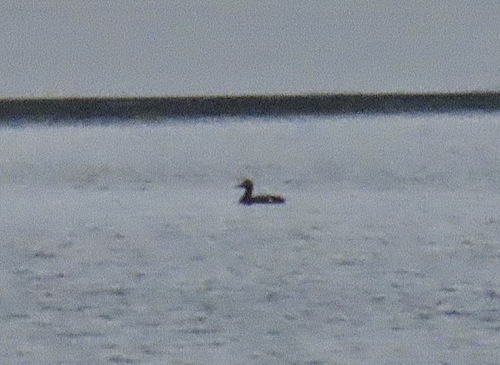 Orco marino
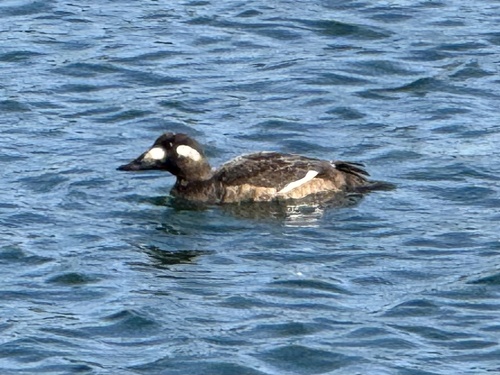 White-winged Scoter
In breve
Il segno di campo più affidabile tra Orco marino e White-winged Scoter è il modello facciale e la struttura del becco, specialmente nei maschi adulti, ma la variazione legata all'età nelle femmine e nei giovani può causare confusione. Entrambe le specie mostrano evidenti macchie bianche sulle ali in volo, ma sottili differenze nella forma della testa, nel colore del becco e nell'estensione del bianco nel viso e nelle ali possono aiutare con un'osservazione attenta. I giovani e le femmine sono particolarmente difficili, con macchie bianche facciali variabili e toni più marroni, quindi le caratteristiche strutturali e i dettagli del becco diventano critici. In uccelli posati o che nuotano, osserva attentamente la forma del becco e la piumatura facciale; in volo, presta attenzione alla macchia dell'ala e alla dimensione e al jizz complessivi. Entrambi sono grandi anatre marine, ma l'Orco marino tende ad essere leggermente più pesante e ha un collo più spesso e una coda più appuntita.
Consigli di identificazione
- Macchia bianca sull'ala in volo: Entrambe le specie mostrano un bianco prominente nell'ala (speculum) in volo, visibile in tutte le età e sessi. Questo segno non è diagnostico tra i due, ma l'assenza di una forte macchia bianca escluderebbe entrambi.
- Modello facciale del maschio adulto: I maschi di Orco marino hanno una piccola macchia bianca dietro l'occhio; i maschi di White-winged Scoter hanno un'area bianca più estesa attorno all'occhio, spesso formando un crescente. Questo è un segno chiave di campo nei maschi adulti.
- Colore e forma del becco (maschi adulti): L'Orco marino ha un becco lungo e largo con un po' di arancione; il White-winged Scoter ha un becco arancio-rosso con un grande pomo nero alla base. Il pomo è meno alto rispetto a quello di Stejneger's Scoter ma più prominente rispetto all'Orco.
- Modello facciale delle femmine e dei giovani: Le femmine e i giovani di White-winged Scoter mostrano macchie bianche variabili davanti e dietro l'occhio (specialmente nei giovani), ma le femmine adulte possono mancare di queste e apparire completamente marroni. Le femmine di Orco marino sono più opache, marroni e mancano di un forte bianco facciale.
- Modello dell'ala superiore dei giovani: I maschi giovani di White-winged Scoter hanno un bianco più esteso sulle copritrici secondarie maggiori rispetto alle femmine giovani; i giovani di Orco marino sono meno ben descritti ma si prevede che mostrino una forte macchia bianca sull'ala in entrambi i sessi. Usare con cautela.
- Forma del corpo e profilo della testa: L'Orco marino è più robusto, con un collo spesso e una coda più appuntita. Il White-winged Scoter è leggermente più lungo e può apparire più snello in volo.
- Piumatura del becco all'apertura (femmine/giovani): Il White-winged Scoter ha piumatura alla base del mandibolo superiore che forma un angolo retto; il becco dell'Orco marino è meno ben descritto ma è generalmente largo e lungo. Questo è sottile e meglio visibile da vicino.
- Lucentezza e colore del piumaggio (maschi): I maschi di Orco marino sono neri lucidi; i maschi di White-winged Scoter sono neri ma meno lucidi, con fianchi più marroni in alcuni piumaggi.
- Forma della coda: L'Orco marino ha una coda più appuntita, particolarmente evidente quando nuota o è in volo.
- Modello facciale in inverno: Le femmine adulte di White-winged Scoter possono mancare di bianco facciale e apparire uniformemente marroni cioccolato, il che può sovrapporsi alle femmine di Orco marino. In questi casi, fare affidamento maggiormente sulla struttura e sulla forma del becco.
- Pancia dei giovani: I giovani di White-winged Scoter hanno una pancia bianca maculata, che può aiutare in viste ravvicinate; i giovani di Orco marino sono generalmente più opachi e marroni.
- Gamma geografica: Se visti in Eurasia, ci si aspetta l'Orco marino; in Nord America, il White-winged Scoter è il default. I vagabondi si verificano, quindi non fare affidamento solo sulla gamma.
- Associazione di gruppo: Entrambe le specie spesso si mescolano con altri scoter; controlla per anomalie nei gruppi per possibili vagabondi.
- Voce: Non descritta nelle fonti, quindi non affidabile per la separazione qui.
- Variazione stagionale: Essere consapevoli che entrambe le specie mostrano variazione legata all'età e alla stagione, specialmente nelle femmine e nei giovani. Usare una combinazione di segni per la massima accuratezza.
Taglia
Entrambi Orco marino e White-winged Scoter sono grandi anatre marine, ma l'Orco marino è leggermente più pesante in media (massa corporea ~1762 g [wikidata]). I maschi di White-winged Scoter pesano in media 1380 g e le femmine 1180 g, con lunghezze sovrapposte (Orco marino 51–56 cm, White-winged Scoter 48–60 cm) [wikipedia, wikidata]. Entrambi hanno un'ampia apertura alare, ma l'Orco marino può apparire un po' più robusto e con un collo più pesante. Sul campo, la dimensione da sola non è un forte separatore, ma l'Orco marino spesso appare più robusto e con un collo spesso, mentre il White-winged Scoter può sembrare leggermente più lungo e meno compatto.
Piumaggio
Gli uccelli giovani e immaturi sono i più difficili da separare. Entrambe le specie mostrano macchie bianche sulle ali (speculum) in volo, ma l'estensione e il contrasto possono variare con l'età e il sesso. I maschi giovani di White-winged Scoter hanno un bianco più esteso sulle copritrici secondarie maggiori rispetto alle femmine giovani, ma l'Orco marino di tutte le età mostra una forte macchia bianca sull'ala in entrambi i sessi. Per gli uccelli posati, il maschio adulto di Orco marino è nero lucido con una grande macchia bianca sull'ala e una piccola macchia bianca dietro l'occhio; il maschio adulto di White-winged Scoter è anch'esso nero ma ha un'area bianca più estesa attorno all'occhio e uno speculum bianco, con un becco arancio-rosso distintivo e un grande pomo nero alla base. Le femmine e i giovani di White-winged Scoter sono marroni, con macchie bianche variabili davanti e dietro l'occhio (specialmente nei giovani), mentre le femmine adulte possono mancare di queste macchie e apparire uniformemente marroni cioccolato in inverno. Le femmine di Orco marino sono più opache, marroni e mancano della lucentezza dei maschi, con un bianco facciale meno prominente. I giovani di White-winged Scoter hanno macchie facciali più distinte e una pancia bianca maculata, mentre i giovani di Orco marino sono meno ben descritti ma sono generalmente più opachi e marroni con meno contrasto facciale.
Comportamento
Entrambe le specie sono tipicamente viste nuotare in gruppi su acque aperte, immergendosi per cercare cibo. In volo, entrambe sono forti e dirette, ma l'Orco marino può apparire più robusto e con un collo più pesante, con una coda più appuntita. Il White-winged Scoter può sembrare leggermente più lungo e più snello, specialmente in volo. Entrambe le specie spesso si associano con altri scoter, e il comportamento da solo è raramente diagnostico.
Habitat
L'Orco marino nidifica in tutta l'Europa settentrionale e nel Palearctico occidentale, mentre il White-winged Scoter è nordamericano, anche se si verificano vagabondi. Entrambi preferiscono grandi laghi, fiumi e acque costiere, specialmente in inverno. È possibile una sovrapposizione dell'habitat durante la migrazione o nei gruppi invernali, ma la gamma è un indizio utile: ci si aspetta l'Orco marino in Eurasia, il White-winged Scoter in Nord America. Entrambi nidificano vicino all'acqua, spesso ai margini di tundra o boschi.
Orco marino · White-winged Scoter · I miei uccelli difficili