

Motmot

マゼランガン 対 シロコバシガン

Chloephaga picta 対 Chloephaga hybrida

マゼランガンとシロコバシガンのクイズ
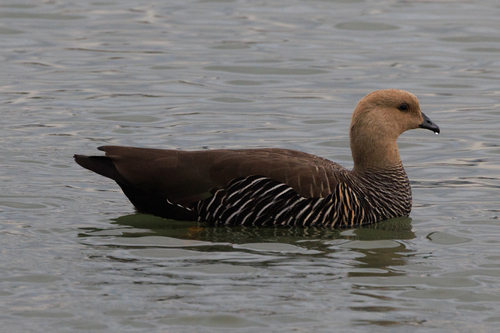
マゼランガン (Chloephaga picta) マゼランガン
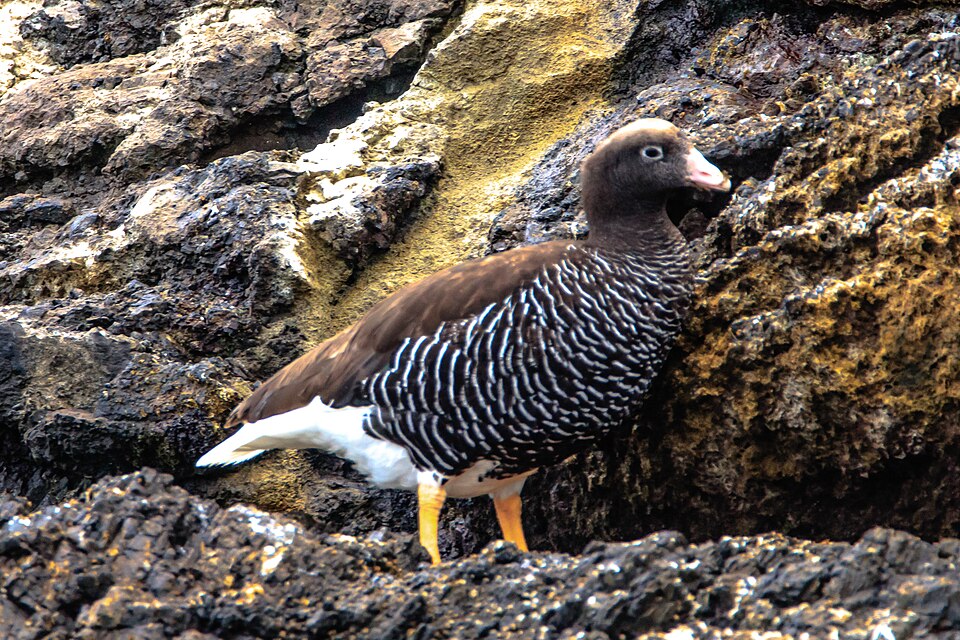
シロコバシガン (Chloephaga hybrida) シロコバシガン

メディア

読み込み中…

要点

ウプランドガンとシロコバシガンの成鳥オスは、主に白い羽毛のため、遠くから見ると非常に似ているように見えるが、脚の色、くちばしの模様、微妙な羽毛の違いに注意を払うことが重要である。メスはより簡単に区別できる:ウプランドガンのメスは赤褐色の頭とオレンジ色の脚を持ち、シロコバシガンのメスはチョコレートブラウンの頭と黄色の脚、ピンクのくちばしを示す。両種の幼鳥は成鳥のメスに似ているため、脚とくちばしの色は重要である。フィールドでのサイズの違いはわずかだが、ウプランドガンは一般的に重く、わずかに長い。生息地の重複は広範囲にわたるため、フィールドマークは文脈よりも信頼性が高い。

識別のコツ

  1. 脚の色は重要なフィールドマーク:ウプランドガンのオスは黒い脚を持ち、メスは黄色オレンジの脚を持つ;シロコバシガンのオスとメスはどちらも黄色の脚を持つが、オスの方が明るい。
  2. くちばしの色と模様:ウプランドガンは両性ともに暗いくちばしを持つ;シロコバシガンのオスは上くちばしにピンクの斑点がある黒いくちばしを持ち、メスはピンクのくちばしを持つ。
  3. 成鳥オスの羽毛:両者は主に白いが、ウプランドガンのオスは内側の二次羽に緑青銅色のスペキュラムを示すことがある(良い光や飛行中に見える)、シロコバシガンにはこの特徴はない。
  4. 成鳥メスの頭の色:ウプランドガンのメスは赤褐色の頭を持ち、シロコバシガンのメスはチョコレートブラウンの頭と淡い茶色の冠を持つ。
  5. メスの胸と側面の縞模様:両種のメスは縞模様があるが、ウプランドガンのメスは全体的により赤褐色で、シロコバシガンのメスは背中と尾がより白い。
  6. 幼鳥の混同:両種の幼鳥は成鳥のメスに似ている;区別には脚とくちばしの色を使用する(上記参照)。
  7. サイズ:ウプランドガンは重く、わずかに長いが、これは鳥が並んでいない限り微妙である。
  8. 生息地:ウプランドガンは内陸や草地の草原にいる可能性が高く、シロコバシガンはより沿岸にいるが、重複は重要である。
  9. 声:もし「ウィープ」という笛のような音や「アーッ」という rattling音が聞こえたら、それはウプランドガンである;そうでなければ声に頼らない方が良い。
  10. ウプランドガンのオスの形態:一部のウプランドガンのオスは黒い縞模様のある胸を持ち、他は純白である;両方の形態は黒い脚を持つ。
  11. シロコバシガンの幼鳥オス:茶色の「肩」と緑黄色の脚を探す。
  12. シロコバシガンの幼鳥メス:暗い冠と暗い上尾羽の覆い羽に注意する。
  13. フィールドでの足の色:明るい光の中では、シロコバシガンの足はより鮮やかな黄色で、ウプランドガンのメスの足はよりオレンジ色である。
  14. スペキュラムの色:ウプランドガンのオスのみが緑青銅色のスペキュラムを示す;シロコバシガンにはこの特徴はない。
  15. 文脈:もし黒い脚と暗いくちばしを持つ白いガンを見たら、それはウプランドガンである;黄色の脚とピンクのくちばしまたは斑点はシロコバシガンを示す。

大きさ

ウプランドガンは二種の中で大きく、平均体重は約2930gで、シロコバシガンの2327gと比較される [wikidata]。ウプランドガンはまた、シロコバシガン(55–65 cm)よりも長い傾向がある(60–72.5 cm) [wikipedia]。しかし、これらの違いは微妙であり、特に鳥が並んでいない場合、フィールドで明らかではないことがある。両種は頑丈で、ガン型の水鳥である。

羽色

両種の幼鳥と未成熟な鳥は成鳥のメスに似ているため、区別が難しい。すべての年齢において、脚とくちばしの色は最も信頼性の高いフィールドマークの一つである:ウプランドガンのメスと幼鳥は黄色オレンジからオレンジの脚と暗いくちばしを持ち、シロコバシガンのメスと幼鳥は黄色の脚とピンクのくちばしを持つ(オスはピンクの斑点のある黒いくちばしを持つ)。両種の成鳥オスは主に白いが、ウプランドガンのオスは黒い脚と内側の二次羽に緑青銅色のスペキュラムを持ち(良い光や飛行中に見える)、シロコバシガンのオスは黄色の脚とピンクの斑点のある黒いくちばしを持つ。ウプランドガンのメスは赤褐色の頭と縞模様のある胸を持ち、シロコバシガンのメスはチョコレートブラウンの頭と背中と尾により広範囲な白を持つ。シロコバシガンの幼鳥オスは茶色の「肩」と緑黄色の脚を持ち、幼鳥メスは暗い冠と暗い上尾羽の覆い羽を持つ。

行動

両種は通常、ペアまたは小グループで見られ、水の近くで草を食べていることが多い。彼らの行動は似ており、両者ともに草や沿岸の植物を食べる。フィールドでの区別に役立つような主要な行動の違いは、情報源には記載されていない。

生息環境

両種は南アメリカ南部とフォークランド諸島に生息し、水の近くの草原、草地、沿岸地域など、重複する生息地でよく見られる。ウプランドガンは内陸の草原や草地に関連付けられることが多く、シロコバシガンはより沿岸に生息し、しばしばケルプの藻場や岩の海岸の近くにいるが、両者が生息する地域では信頼できる区別ではない。

声

ウプランドガンのオスは笛のような「ウィープ」を発し、メスは低い rattling の「アーッ」を発する。情報源にはシロコバシガンの声の詳細は提供されていないため、ウプランドガンの特徴的な鳴き声が聞こえない限り、声は信頼できる区別にはならない。

より良い説明を送る

比較と同じ項目を使ってください。文章はすぐに公開されます。

Adult males of both Upland Goose and Kelp Goose can appear strikingly similar at a distance due to their mostly white plumage, but careful attention to leg color, bill pattern, and subtle plumage differences is key. Females are more easily separated: Upland Goose females have reddish-brown heads and orange legs, while Kelp Goose females show chocolate brown heads with yellow legs and a pink bill. Juveniles of both species resemble adult females, so leg and bill color remain important. Size differences are minor in the field, but Upland Goose is generally heavier and slightly longer. Habitat overlap is extensive, so field marks are more reliable than context.

  1. Leg color is a key field mark: Upland Goose males have black legs, females have yellow-orange legs; Kelp Goose males and females both have yellow legs, but males' are brighter.
  2. Bill color and pattern: Upland Goose has a dark bill in both sexes; Kelp Goose males have a black bill with a pink spot on the maxilla, females have a pink bill.
  3. Adult male plumage: Both are mostly white, but Upland Goose males may show a greenish-bronze speculum on the inner secondaries (in good light or flight), absent in Kelp Goose.
  4. Adult female head color: Upland Goose females have a reddish-brown head, Kelp Goose females have a chocolate brown head and pale brown crown.
  5. Breast and flank barring in females: Both species' females are barred, but Upland Goose females are more rufous overall, while Kelp Goose females have a whiter back and tail.
  6. Juvenile confusion: Juveniles of both species resemble adult females; use leg and bill color for separation (see above).
  7. Size: Upland Goose is heavier and slightly longer, but this is subtle unless birds are side by side.
  8. Habitat: Upland Goose is more likely inland or in grassy meadows, Kelp Goose more coastal, but overlap is significant.
  9. Voice: If you hear a whistling 'wheep' or rattling 'a-rrr', it's Upland Goose; otherwise, don't rely on voice.
  10. Male morphs in Upland Goose: Some Upland Goose males have black-barred breasts, others are pure white; both morphs have black legs.
  11. Kelp Goose juvenile males: Look for brown 'shoulders' and greenish-yellow legs.
  12. Kelp Goose juvenile females: Note the dark crown and dark uppertail coverts.
  13. Feet color in the field: In bright light, Kelp Goose feet are more vivid yellow, while Upland Goose female feet are more orange.
  14. Speculum color: Only Upland Goose males show a greenish-bronze speculum; Kelp Goose lacks this feature.
  15. Context: If you see a white goose with black legs and a dark bill, it's Upland Goose; yellow legs and a pink bill or spot point to Kelp Goose.

Upland Goose is the larger of the two, with an average mass of about 2930 g compared to Kelp Goose's 2327 g [wikidata]. Upland Goose also tends to be longer (60–72.5 cm) than Kelp Goose (55–65 cm) [wikipedia]. However, these differences are subtle and not always apparent in the field, especially when birds are not side by side. Both species are robust, goose-shaped waterfowl.

Juvenile and immature birds of both species resemble adult females, making separation challenging. For all ages, leg and bill color are among the most reliable field marks: Upland Goose females and juveniles have yellow-orange to orange legs and a dark bill, while Kelp Goose females and juveniles have yellow legs and a pink bill (males have a black bill with a pink spot). Adult males of both species are predominantly white, but Upland Goose males have black legs and a greenish-bronze speculum on the inner secondaries (visible in good light or flight), while Kelp Goose males have yellow legs and a black bill with a pink spot. Female Upland Geese have reddish-brown heads and barred breasts, while female Kelp Geese have chocolate brown heads and more extensive white on the back and tail. Juvenile Kelp Goose males have brown 'shoulders' and greenish-yellow legs, while juvenile females have a dark crown and dark uppertail coverts.

Both species are typically seen in pairs or small groups and are often found grazing near water. Their behavior is similar, with both feeding on grasses and coastal vegetation. No major behavioral differences are noted in the sources that would help with field separation.

Both species occur in southern South America and the Falkland Islands, often in overlapping habitats near water, including grasslands, meadows, and coastal areas. Upland Goose is more associated with inland grasslands and meadows, while Kelp Goose is more coastal, often near kelp beds and rocky shores, but this is not a reliable separation in areas where both occur.

Upland Goose males give a whistling 'wheep' and females a low, rattling 'a-rrr'. No vocalization details are provided for Kelp Goose in the sources, so voice is not a reliable separator unless the Upland Goose's distinctive calls are heard.

変更を破棄しますか?

保存していない編集があります。今離れると失われます。

マゼランガン · シロコバシガン · 苦手な鳥