

Motmot

アレチウタムシクイ 対 キイロウタムシクイ

Hippolais languida 対 Hippolais icterina

アレチウタムシクイとキイロウタムシクイのクイズ
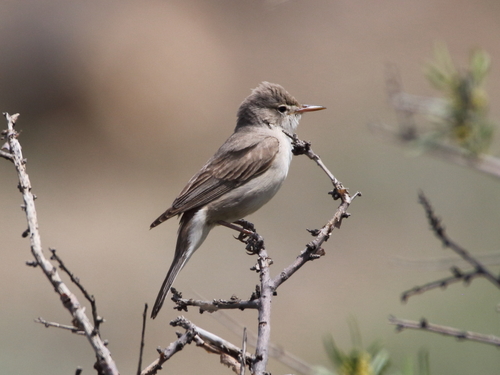
アレチウタムシクイ (Hippolais languida) アレチウタムシクイ
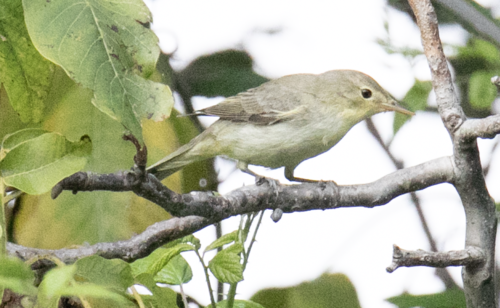
キイロウタムシクイ (Hippolais icterina) キイロウタムシクイ

メディア

読み込み中…

要点

アレチウタムシクイとキイロウタムシクイを区別する最も信頼できる方法は、アレチウタムシクイの特徴的で頻繁な尾の動きを観察することです。アレチウタムシクイは長い尾を常に flicks し、扇状に広げますが、より穏やかなキイロウタムシクイとは異なります。構造的には、アレチウタムシクイは尾とくちばしが長く、翼は短いため、より細長い印象を与えます。一方、キイロウタムシクイはよりコンパクトで、四角い尾と長い翼を持っています。羽毛は微妙で、アレチウタムシクイは一般的に灰色がかっており、キイロウタムシクイは緑がかった上面と黄色がかった下面を示し、淡い翼のパネルがあります。フィールドでは、色に頼る前に尾の動きと全体の形に焦点を当ててください。両種はサイズが似ていますが、彼らのジズと行動が最も良い手がかりです。

識別のコツ

  1. 尾の動きが鍵: アレチウタムシクイは長い尾を flicks し、扇状に広げるのをほとんど止めません。もし持続的な尾の動きを持つヒッポライスのウタムシクイを見たら、それはほぼ確実にアレチウタムシクイです。キイロウタムシクイはこの行動をほとんど示しません。
  2. 尾の形と長さ: アレチウタムシクイはキイロウタムシクイよりも明らかに長く、より段階的な尾を持っています。キイロウタムシクイは短く、四角い尾を持っています。これは止まっている時や飛んでいる時に目に見えます。
  3. くちばしの構造: アレチウタムシクイのくちばしはキイロウタムシクイのものよりもわずかに長く、細いです。キイロウタムシクイのくちばしは基部が広く、より頑丈です。これは微妙ですが、近距離で役立つことがあります。
  4. 翼の長さと突出: キイロウタムシクイは体に対して翼が長く、よりコンパクトで大きな頭の印象を与えます。アレチウタムシクイは翼が短く、より細長く見えます。
  5. 翼のパネル: キイロウタムシクイ(すべての年齢)は、淡い縁のある第二次羽と第三次羽によって形成された淡いパネルを折りたたまれた翼に示します。アレチウタムシクイはこの特徴がなく、より均一に灰色に見えます。
  6. 羽毛のトーン: アレチウタムシクイは全体的に灰色がかっており、上面と下面の間にほとんどコントラストがありません。キイロウタムシクイは明るく、緑がかった灰色の上面と明確に黄色の下面を持っています。
  7. 眉班と顔の色: キイロウタムシクイは淡い黄色がかった眉班と淡い顔色を持ち、顔を少し明るく見せます。アレチウタムシクイは強い眉班がなく、顔が平坦に見えます。
  8. 目の輪: 両種は淡い目の輪を持っていますが、キイロウタムシクイの方がより明らかで、補助的なマークになることがあります。
  9. 足の色: キイロウタムシクイの足は灰色で、時には青みがかっていますが、これは微妙でフィールドでは常に見えるわけではありません。
  10. 採餌時の行動: キイロウタムシクイは葉の中で不器用で慎重に行動し、時には飛び捕りをします。アレチウタムシクイはより活発で落ち着きがなく、特に尾を使って動きます。
  11. 生息地と範囲: もしあなたが葉の多い森林のあるヨーロッパ本土にいるなら、キイロウタムシクイの方がはるかに可能性が高いです。トルコからパキスタンの乾燥した茂みのある生息地では、アレチウタムシクイがデフォルトです。
  12. 歌: 歌を知っていれば、それらは特徴的で混同されることはありませんが、両方にすでに慣れていない限り、これは役に立ちません。
  13. 季節と文脈: 両種は渡り鳥ですが、繁殖地と越冬地は重なりません。微妙な羽毛のマークに頼る前に、常に場所と生息地を考慮してください。
  14. 幼鳥の混乱: キイロウタムシクイの淡い翼のパネルは幼鳥にも存在するため、これは年齢を問わず信頼できるマークです。アレチウタムシクイの幼鳥は平坦で灰色のままです。
  15. 疑わしい時は尾を見ろ: もしすべてが失敗した場合、持続的な尾の flicking と扇状に広げることはアレチウタムシクイの診断的な特徴であり、キイロウタムシクイを除外します。

大きさ

両種は中型のヒッポライスのウタムシクイで、全体的なサイズは非常に近いです。アレチウタムシクイはキイロウタムシクイと同じ長さですが、比例的に長い尾とわずかに長いくちばしのため、より細長く見えます。キイロウタムシクイは大きな頭、広い基部のくちばし、長い翼を持ち、ややずんぐりした、よりコンパクトな印象を与え、短く四角い尾を持っています。手に持ったり近距離で見ると、これらの違いは微妙ですが、フィールドではアレチウタムシクイはしばしばより細く、引き締まって見え、キイロウタムシクイはよりがっしりしています。

羽色

幼鳥と成鳥のキイロウタムシクイは、淡い縁のある第二次羽と第三次羽によって作られた特徴的な淡いパネルを折りたたまれた翼に示します。これは止まっている時にしばしば見え、役立つフィールドマークとなります。アレチウタムシクイはこの淡い翼のパネルがなく、全体的にかなり平坦で灰色がかっており、上面と下面の間にほとんどコントラストがありません。キイロウタムシクイの上面は灰色がかった緑で、下面は均一な淡い黄色で、淡い黄色がかった眉班と淡い顔色を持っています。アレチウタムシクイはより均一に灰色で、強い黄色のトーンがなく、明らかな眉班がありません。両種は淡い目の輪を持っていますが、キイロウタムシクイの方が目立ちます。飛んでいる時、どちらの種も強い対照的な翼や尾のパターンを示さないため、羽毛の手がかりを得るためには止まっている姿に焦点を当ててください。

行動

行動は強力な区別要因です: アレチウタムシクイは長い尾を常に flicking、扇状に広げ、動かしています。これは非常に特徴的で、キイロウタムシクイはこの動きがより穏やかで、動きが少ないため、ほとんど一致しません。キイロウタムシクイは葉の中で不器用に採餌し、時には飛び捕りをしますが、同じ持続的な尾の動きを示しません。両種は昆虫食ですが、キイロウタムシクイは夏の終わりに果物を食べることもあります。

生息環境

アレチウタムシクイはトルコからパキスタン東部で繁殖し、その範囲内の乾燥した茂みのある生息地を好みます。キイロウタムシクイはヨーロッパ本土の鳥で、北フランスとノルウェーから東にかけて広い帯状に繁殖し、アレチウタムシクイの生息範囲には存在しません。フィールドでは、範囲と生息地がしばしば彼らを区別するのに十分です: アレチウタムシクイは乾燥した茂みのある地域に見られ、キイロウタムシクイは温帯ヨーロッパの葉の多い木や茂みを好みます。重なりは非常に稀で、文脈は強力な手がかりです。

声

アレチウタムシクイの歌はヒッポライスのウタムシクイの中で特徴的で、キイロウタムシクイの歌とは全く異なりますが、両方とも属内でユニークと説明されています。ただし、彼らの声の具体的な詳細は提供されたメモには記載されていないため、両方の歌にすでに慣れていない限り、これは実用的なフィールドマークではありません。

より良い説明を送る

比較と同じ項目を使ってください。文章はすぐに公開されます。

The most reliable way to separate Upcher's Warbler from Icterine Warbler is by watching for Upcher's distinctive, frequent tail movements—Upcher's constantly flicks and fans its long tail, unlike the more sedate Icterine. Structurally, Upcher's has a longer tail and bill, but shorter wings, giving it a more elongated look, while Icterine is more compact with a squarer tail and longer wings. Plumage is subtle: Upcher's is generally greyer, while Icterine shows greenish upperparts and yellowish underparts, with a pale wing panel. In the field, focus on tail action and overall shape before relying on color. Both species are similar in size, but their jizz and behavior are the best clues.

  1. Tail movement is key: Upcher's Warbler almost never stops flicking and fanning its long tail, often in a chat-like manner. If you see a Hippolais warbler with persistent tail action, it's almost certainly Upcher's. Icterine Warbler rarely shows this behavior.
  2. Tail shape and length: Upcher's has a noticeably longer and more graduated tail than Icterine, which has a shorter, square-ended tail. This is visible both perched and in flight.
  3. Bill structure: Upcher's bill is slightly longer and finer than Icterine's, which is broad-based and more robust. This is subtle but can help at close range.
  4. Wing length and projection: Icterine Warbler has longer wings relative to its body, giving it a more compact, big-headed look. Upcher's has shorter wings, making it look more elongated.
  5. Wing panel: Icterine Warbler (all ages) shows a pale panel on the folded wing, formed by pale-edged secondaries and tertials. Upcher's lacks this feature and appears more uniformly grey.
  6. Plumage tone: Upcher's is overall greyish, with little contrast between upperparts and underparts. Icterine is brighter, with greenish-grey upperparts and distinctly yellow underparts.
  7. Supercilium and lores: Icterine has a faint yellowish supercilium and pale lores, giving the face a slightly brighter look. Upcher's lacks a strong supercilium and looks plainer-faced.
  8. Eye ring: Both species have pale eye rings, but Icterine's is more obvious and can be a supporting mark.
  9. Leg color: Icterine's legs are grey, sometimes bluish, but this is subtle and not always visible in the field.
  10. Behavior in foraging: Icterine is clumsier and more deliberate in foliage, sometimes flycatching. Upcher's is more active and restless, especially with its tail.
  11. Habitat and range: If you are in mainland Europe in leafy woodland, Icterine is far more likely. In arid, bushy habitats from Turkey to Pakistan, Upcher's is the default.
  12. Song: If you know the songs, they are distinctive and not likely to be confused, but this is not helpful unless you are already familiar with both.
  13. Season and context: Both species are migratory, but their breeding and wintering ranges do not overlap. Always consider location and habitat before relying on subtle plumage marks.
  14. Juvenile confusion: The pale wing panel of Icterine is present in juveniles as well as adults, so this is a reliable mark across ages. Upcher's juveniles remain plain and grey.
  15. When in doubt, watch the tail: If all else fails, persistent tail flicking and fanning is diagnostic for Upcher's and rules out Icterine.

Both species are medium-sized Hippolais warblers and are very close in overall size. Upcher's Warbler is similar in length to Icterine Warbler, but appears more elongated due to its proportionally longer tail and slightly longer bill. Icterine Warbler has a large head, broad-based bill, and longer wings, giving it a somewhat chunkier, more compact look with a shorter, squarer tail. In hand or at close range, these differences are subtle, but in the field, Upcher's often looks more slender and attenuated, while Icterine is stockier.

Juvenile and adult Icterine Warblers show a distinctive pale panel on the folded wing, created by pale edges to the secondaries and tertials—this is often visible when perched and can be a useful field mark. Upcher's Warbler lacks this pale wing panel and instead appears rather plain and greyish overall, with little contrast between upperparts and underparts. Icterine Warbler's upperparts are greyish-green, and its underparts are a uniform light yellow, with a faint yellowish supercilium and pale lores. Upcher's is more uniformly grey, lacking strong yellow tones, and has no obvious supercilium. Both species have pale eye rings, but Icterine's is more noticeable. In flight, neither species shows strong contrasting wing or tail patterns, so focus on perched views for plumage clues.

Behavior is a strong separator: Upcher's Warbler is constantly flicking, fanning, and moving its long tail, often in a manner reminiscent of Sylvia warblers or chats. This tail action is very distinctive and is rarely matched by Icterine Warbler, which is more sedate and less animated in its movements. Icterine forages clumsily in foliage, sometimes flycatching, but does not show the same persistent tail activity. Both species are insectivorous, but Icterine may also take fruit in late summer.

Upcher's Warbler breeds from Turkey east to Pakistan, favoring dry, bushy habitats in its range. Icterine Warbler is a bird of mainland Europe, breeding in a wide band from northern France and Norway eastwards, and is absent from the range of Upcher's. In the field, range and habitat are often enough to separate them: Upcher's is found in arid, shrubby areas, while Icterine prefers leafy trees and bushes in temperate Europe. Overlap is extremely rare, so context is a strong clue.

Upcher's Warbler's song is distinctive among Hippolais warblers and is entirely different from Icterine Warbler's song, though both are described as unique within the genus. However, the specifics of their vocalizations are not detailed in the provided notes, so this is not a practical field mark unless you are already familiar with both songs.

変更を破棄しますか?

保存していない編集があります。今離れると失われます。

アレチウタムシクイ · キイロウタムシクイ · 苦手な鳥