

Motmot

ムジアリモズ 対 ノドグロアリドリ

Thamnophilus unicolor 対 Myrmophylax atrothorax

ムジアリモズとノドグロアリドリのクイズ
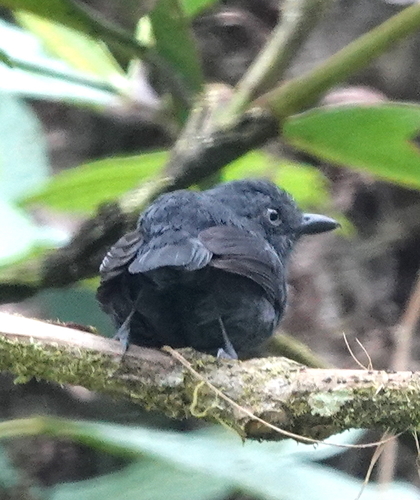
ムジアリモズ (Thamnophilus unicolor) ムジアリモズ
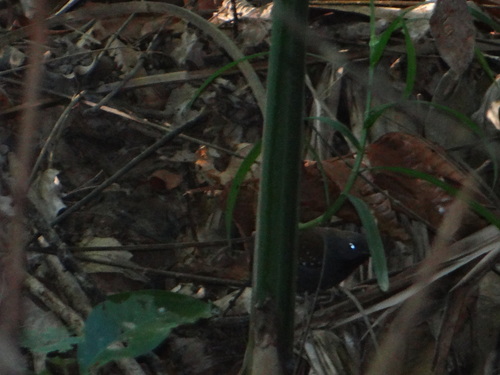
ノドグロアリドリ (Myrmophylax atrothorax) ノドグロアリドリ

メディア

読み込み中…

要点

ムジアリモズとノドグロアリドリを区別する最も信頼できるフィールドマークは、アリモズの全体的な均一性と強い模様の欠如であり、対してノドグロアリドリは雄の太い黒い喉と白い肩の斑点、そして対照的な翼の覆い羽の先端を持っています。未熟な個体と雌のムジアリモズは、主に上面が赤褐色で、下面が淡い色をしていますが、ノドグロアリドリの雌はシナモン色の腹部とバフ色の翼の覆い羽の先端を示します。フィールドでは、ムジアリモズはより大きく、ずんぐりしており、より太く、フック状のくちばしと均一な外観を持っているのに対し、ノドグロアリドリは小さく、スリムで、特に翼や顔の羽色においてより対照的です。両種は通常、密な植生の低い場所に見られますが、アリドリは水の近くや湿地帯にいる可能性が高いです。

識別のコツ

  1. Uniformity vs. Contrast: ムジアリモズは全体的に地味で無地(特に雄)ですが、ノドグロアリドリは強い対照を示します—黒い喉と胸、白い肩の斑点(雄)、淡いまたはバフ色の翼の覆い羽。
  2. Wing Covert Tips: ノドグロアリドリの雄は翼の覆い羽に黒と白の先端を持ち、雌はバフ色の先端を持っています。ムジアリモズの翼は無地で、これらの対照的な先端が欠けています。これは止まっている鳥や時には飛んでいる時に見られます。
  3. Throat and Breast: 雄のノドグロアリドリはしっかりとした黒い喉と胸を持ち、灰色の顔と腹部からはっきりと区別されます。ムジアリモズの雄は均一な灰色から黒っぽい灰色で、黒い喉の斑点はありません。
  4. Shoulder Patch: 雄のノドグロアリドリは肩の間に白い斑点を示し、ムジアリモズにはありません。
  5. Female Plumage: 雌のムジアリモズは赤褐色の冠、灰色の顔、赤褐色の上面、淡い赤褐色の下面を持ち、全体的により均一で下面が淡いです。雌のノドグロアリドリは鈍い赤黄色の冠、バフ色の先端を持つ暗褐色の翼、白い顎/喉、暗い脇腹と尾羽を持つシナモン色の赤褐色の腹部を持ち、より対照的で暗い脇腹を示します。
  6. Immature Birds: 未熟なムジアリモズは成鳥の雌に似ています(上面が赤褐色、下面が淡い)。未熟なノドグロアリドリは詳細には記述されていませんが、雌に似ている可能性が高いので、翼の覆い羽の先端と下面の色を探してください。
  7. Bill Structure: ムジアリモズは明らかに太く、フック状のくちばし(モズのよう)を持っていますが、ノドグロアリドリのくちばしはスリムでフックが少ないです。これは近距離で最もよく見られます。
  8. Size and Bulk: ムジアリモズはノドグロアリドリ(13–14 cm, 14–18 g)よりも大きく(14.5–17 cm, 24 g)、ずんぐりしています。直接比較や両方の経験があれば役立ちます。
  9. Tail and Wing Shape: 特徴的な違いは記述されていませんが、ムジアリモズは全体的により頑丈に見えるかもしれません。
  10. Habitat: 鳥が密で手つかずの森林の内部にいる場合、ムジアリモズの可能性が高いです。水の近く、湿地の端、竹やサトウキビ、または再生中の開けた場所にいる場合は、ノドグロアリドリを疑ってください。
  11. Behavior: ムジアリモズは通常、単独またはペアで行動し、混成群にはめったに参加しません。ノドグロアリドリは、エッジや湿った生息地でより活発である可能性があります。
  12. Voice: ムジアリモズの歌は短い鼻音の連続または遅い下降音の連続です。これを聞いたら、診断的です。ノドグロアリドリの歌はここでは記述されていません。
  13. Iris and Legs: ムジアリモズは灰白色から白っぽい灰色の虹彩と灰色または青灰色の脚を持ち、ノドグロアリドリは灰色の脚を持っています(虹彩の色は記載されていません)。通常、フィールドでは診断的ではありません。
  14. Sexual Dimorphism: 両種は性的二形性を持っていますが、アリモズの二形性は主に全体的な色(灰色の雄、赤褐色の雌)にあり、アリドリの二形性は喉の色と覆い羽の先端にあります。
  15. Pitfalls: 雌と未熟なムジアリモズは雌のノドグロアリドリと混同されることがありますが、アリモズは下面が淡く、アリドリのバフ色の翼の覆い羽と白い喉が欠けています。

大きさ

ムジアリモズはノドグロアリドリ(13–14 cm, 14–18 g)と比較して明らかに大きく、重い(14.5–17 cm, 24 g)です。[wikipedia][wikidata]。アリモズはまた、ずんぐりしており、より太く、フック状のくちばしを持っていますが、アリドリは全体的にスリムです。これらの違いはフィールドでは微妙ですが、両種が並んで見られるときや経験があるときには明らかになることがあります。

羽色

どちらの種にも年齢特有の上翼や飛行マークは記述されていませんが、翼の覆い羽のパターンと全体的な色合いが重要です。成鳥の雄のムジアリモズは深い灰色から黒っぽい灰色で、時には外側の尾羽に小さな白い先端があり、翼や顔にはほとんど対照がありません。成鳥の雄のノドグロアリドリは黒い喉と胸、灰色の顔、肩の間に白い斑点を持つ暗いオリーブ色の上面、黒っぽい灰色の尾を持ち、翼の覆い羽には黒と白の先端があり、対照を加えています。ムジアリモズの雌は赤褐色の冠を持ち、赤褐色の上面と淡い赤褐色の下面を持っていますが、雌のノドグロアリドリは鈍い赤黄色の冠、バフ色の先端を持つ暗褐色の翼、白い顎/喉、暗い脇腹と尾羽を持つシナモン色の赤褐色の腹部を持っています。未熟なムジアリモズは成鳥の雌に似ていますが、未熟なアリドリは詳細には記述されていませんが、雌のパターンに従う可能性が高いです。アリドリの翼の覆い羽の先端(雄は白、雌はバフ色)は、アリモズの均一な翼との重要な違いです。

行動

両種は密な植生の低い場所で餌を探しますが、ムジアリモズはより頻繁に単独またはペアで行動し、混成群にはめったに参加しません。通常、葉や枝から獲物を拾い、時には枯れた葉の塊を探ります。ノドグロアリドリも下層に留まり、密で湿った生息地に関連しており、しばしば水の近くにいて、エッジや再生中の開けた場所でより活発である可能性があります。両種は秘密主義で、よく見るのが難しいことがあります。

生息環境

ムジアリモズはコロンビア、エクアドル、ペルーの湿った森林に見られ、通常は密な下草の中にいます。ノドグロアリドリはより広い範囲(ボリビア、ブラジル、コロンビア、エクアドル、フランス領ギアナ、ガイアナ、ペルー、スリナム、ベネズエラ)を持ち、水に密接に関連しています:湿地の森林の端、川の茂み、竹やサトウキビの群落を好み、再生中の開けた場所にしばしば見られます。鳥が湿ったエッジや竹の生息地にいる場合、ノドグロアリドリの可能性が高く、ムジアリモズはより密で手つかずの森林を好みます。

声

ムジアリモズは単純で短い鼻音の連続("anh, anh, anh")を出し、時には上昇する抑揚や、遅い高音の下降音の連続を持っています。呼び声には、ガラガラした"kar'r'r'r"、下降するうなり声、喉から出る下降するカァという声が含まれます。ノドグロアリドリの声はこれらのメモには記述されていないため、声はアリモズの歌を知っている場合にのみ役立ちます。それ以外の場合は、視覚的なマークに頼ってください。

より良い説明を送る

比較と同じ項目を使ってください。文章はすぐに公開されます。

The most reliable field mark to separate Uniform Antshrike from Black-throated Antbird is the overall uniformity and lack of strong pattern in the antshrike, versus the bold black throat and white shoulder patch (in males) and contrasting wing covert tips of the antbird. Immature and female Uniform Antshrikes are mostly rufous-brown above and pale below, while Black-throated Antbird females show cinnamon underparts and buff-tipped wing coverts. In the field, Uniform Antshrike is larger and bulkier, with a stouter, hooked bill and a more uniform appearance, while Black-throated Antbird is smaller, slimmer, and shows more contrast in plumage, especially in the wings and face. Both species are typically found low in dense vegetation, but the antbird is more likely near water or in swampy areas.

  1. Uniformity vs. Contrast: Uniform Antshrike is overall plain and unmarked (especially males), while Black-throated Antbird shows strong contrast—black throat and breast, white shoulder patch (males), and pale or buff-tipped wing coverts.
  2. Wing Covert Tips: Black-throated Antbird males have black and white tips on the wing coverts; females have buff tips. Uniform Antshrike's wings are plain, lacking these contrasting tips. This is visible in perched birds and sometimes in flight.
  3. Throat and Breast: Male Black-throated Antbird has a solid black throat and breast, sharply set off from gray face and belly. Uniform Antshrike males are uniform gray to blackish gray with no black throat patch.
  4. Shoulder Patch: Male Black-throated Antbird shows a white patch between the shoulders, absent in Uniform Antshrike.
  5. Female Plumage: Female Uniform Antshrike has a rufous crown, gray face, rufous brown upperparts, and pale rufous underparts—overall more uniform and paler below. Female Black-throated Antbird has a dull reddish yellow-brown crown, dark brown wings with buff tips, white chin/throat, and cinnamon-rufous underparts with dark olive-brown flanks and crissum—more contrast and darker flanks.
  6. Immature Birds: Immature Uniform Antshrikes resemble adult females (rufous brown above, pale below). Immature Black-throated Antbirds are not described but likely resemble females, so look for wing covert tips and underpart color.
  7. Bill Structure: Uniform Antshrike has a noticeably stouter, hooked bill (shrike-like), while Black-throated Antbird's bill is slimmer and less hooked. This is best seen at close range.
  8. Size and Bulk: Uniform Antshrike is larger (14.5–17 cm, 24 g) and bulkier than Black-throated Antbird (13–14 cm, 14–18 g), which is smaller and more slender. Useful if you have a direct comparison or experience with both.
  9. Tail and Wing Shape: No distinctive differences are described, but Uniform Antshrike may appear more robust overall.
  10. Habitat: If the bird is in dense, undisturbed forest interior, Uniform Antshrike is more likely. If near water, in swampy edges, bamboo, or cane, or in regrowing clearings, suspect Black-throated Antbird.
  11. Behavior: Uniform Antshrike is usually solitary or in pairs, rarely in mixed flocks. Black-throated Antbird may be more active along edges and in wetter habitats.
  12. Voice: Uniform Antshrike's song is a short series of nasal notes or a slow, descending series. If you hear this, it's diagnostic. Black-throated Antbird's song is not described here.
  13. Iris and Legs: Uniform Antshrike has a gray-white to whitish gray iris and gray or blue-gray legs; Black-throated Antbird has gray legs (iris color not noted). Not usually diagnostic in the field.
  14. Sexual Dimorphism: Both species are sexually dimorphic, but the antshrike's dimorphism is mostly in overall color (gray male, rufous female), while the antbird's is in throat color and covert tips.
  15. Pitfalls: Female and immature Uniform Antshrikes can be confused with female Black-throated Antbirds, but the antshrike is paler below and lacks the antbird's buff-tipped wing coverts and white throat.

Uniform Antshrike is noticeably larger and heavier (14.5–17 cm, 24 g) compared to Black-throated Antbird (13–14 cm, 14–18 g) [wikipedia][wikidata]. The antshrike also appears bulkier and has a stouter, more hooked bill, while the antbird is more slender overall. These differences are subtle in the field but can be apparent when both species are seen side by side or with experience.

No distinctive age-specific upperwing or flight marks are described for either species, but wing covert pattern and overall coloration are key. Adult male Uniform Antshrike is deep gray to blackish gray, sometimes with small white tips on outer tail feathers, and shows little to no contrast in the wing or face. Adult male Black-throated Antbird has a black throat and breast, gray face, dark olive-brown upperparts with a white patch between the shoulders, and blackish gray tail; its wings have black and white tips on the coverts, adding contrast. Females of Uniform Antshrike are rufous-crowned with rufous-brown upperparts and pale rufous underparts, while female Black-throated Antbird has a dull reddish yellow-brown crown, dark brown wings with light buff tips on the coverts, white chin/throat, and cinnamon-rufous underparts with darker flanks. Immature Uniform Antshrikes resemble adult females, while immature antbirds are not described in detail but likely follow the female pattern. The antbird's wing covert tips (white in males, buff in females) are a key difference from the uniform wings of the antshrike.

Both species forage low in dense vegetation, but Uniform Antshrike is more often solitary or in pairs and rarely joins mixed-species flocks. It typically gleans prey from leaves and branches, sometimes probing dead leaf clusters. Black-throated Antbird also stays in the understorey and is associated with dense, wet habitats, often near water, and may be more active along edges and in regrowing clearings. Both species are secretive and can be difficult to see well.

Uniform Antshrike is found in humid forests of Colombia, Ecuador, and Peru, usually in dense undergrowth. Black-throated Antbird has a broader range (Bolivia, Brazil, Colombia, Ecuador, French Guiana, Guyana, Peru, Suriname, Venezuela) and is closely associated with water: it favors swampy forest edges, riverine thickets, bamboo, and cane stands, and is often found in regrowing clearings. If the bird is in a wet, edge, or bamboo habitat, Black-throated Antbird is more likely; Uniform Antshrike prefers denser, less disturbed forest.

Uniform Antshrike gives a simple, short series of nasal notes ("anh, anh, anh"), sometimes with a rising inflection, or a slow series of high, descending notes. Calls include a rattled "kar'r'r'r", a descending whine, and a throaty, descending caw. Black-throated Antbird's vocalizations are not described in these notes, so voice is only useful if you know the antshrike's song; otherwise, rely on visual marks.

変更を破棄しますか?

保存していない編集があります。今離れると失われます。

ムジアリモズ · ノドグロアリドリ · 苦手な鳥