

Motmot

ヒシクイ 対 コザクラバシガン

Anser serrirostris 対 Anser brachyrhynchus

ヒシクイとコザクラバシガンのクイズ
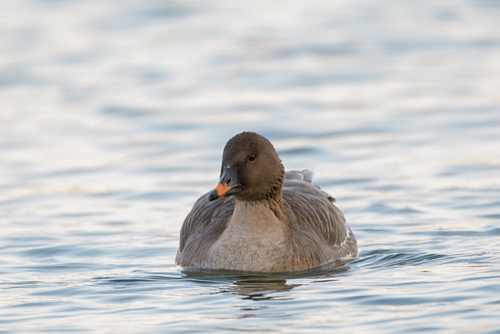
ヒシクイ (Anser serrirostris) ヒシクイ
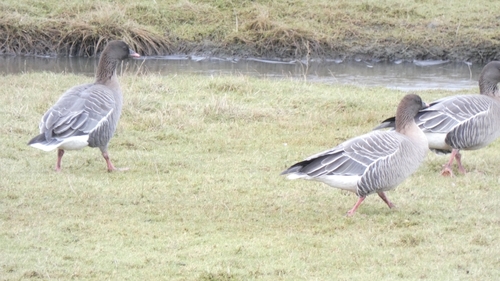
コザクラバシガン (Anser brachyrhynchus) コザクラバシガン

メディア

読み込み中…

要点

ヒシクイとコザクラバシガンの間で最も信頼できるフィールドマークは、くちばしと足の色です:ヒシクイはオレンジの帯と明るいオレンジの足を持つ黒いくちばしを示し、コザクラバシガンは明るいピンクの帯とピンクの足と足を持つ短いくちばしを持っています。飛んでいるときや休んでいるとき、コザクラバシガンはまた、ヒシクイの暗い茶色のカバーと対照的な淡い青灰色の上翼カバーを示します。両種はサイズと全体の形が似ているため、くちばしと足の色、ならびに翼の色合いの微妙な違いに注意を払うことが重要です。幼鳥と成鳥の羽毛は両種で大まかに似ているため、年齢特有の翼のパターンはここでは主な区別要因ではありません。

識別のコツ

  1. Bill color and pattern: ヒシクイは狭いから広いオレンジの帯を持つ黒いくちばしを持ち(亜種によって異なる)、コザクラバシガンは明るいピンクの帯を持つ短いくちばしを持っています。これは近距離で最も信頼できるフィールドマークです。
  2. Leg and foot color: ヒシクイは明るいオレンジの足と足を示し、コザクラバシガンはピンクの足と足を持っています。これは鳥が立っているときや歩いているときに見えます。
  3. Upperwing coverts in flight or at rest: ヒシクイは狭い白い縁取りのある暗い茶色の上翼カバーを持ち、より暗く、対照的でない翼を与えます。コザクラバシガンは淡い青灰色の上翼カバーを示し、特に体や飛行羽と比較して、飛んでいるときにより対照的で「クリーンな」外観を作ることがよくあります。
  4. Body and head coloration: 両種は茶色がかった灰色で、頭と首は暗いですが、コザクラバシガンはより豊かで暗い茶色の頭と首、そして中間の灰色がかった茶色の体を持つ傾向があります。ヒシクイはより均一に茶色がかっています。
  5. Tail and rump: コザクラバシガンは広い白い先端を持つ灰色の尾と白い尾羽と肛門を持っていますが、これらの特徴は微妙で、飛んでいるときにしっかりと見ない限り診断的ではありません。
  6. Bill structure: ヒシクイのくちばしは長くて太い(特に大きなserrirostris亜種では)、コザクラバシガンのくちばしは明らかに短くて繊細です。
  7. Size and structure: ヒシクイはわずかに大きくて重いですが、重なりが多いです;サイズは鳥が並んでいない限り信頼できません。
  8. Flock size and context: 北西ヨーロッパでは、コザクラバシガンは圧倒的に数が多く、大きな群れを形成します。ヒシクイは珍しく、通常は他のガンと一緒に小さなグループで見られます。
  9. Vocalizations: コザクラバシガンは非常に声が大きく、高音のホンキングを持ち、特に飛んでいるときにそうです。ヒシクイは静かで、大きくて騒がしい群れの中で聞かれる可能性は低いです。
  10. Juvenile and immature birds: これらの2種の幼鳥を区別する特有の年齢特有の上翼や体のパターンはありません;くちばしと足の色はすべての年齢に対して最良のマークです。
  11. Seasonal context: イギリスと北西ヨーロッパでは、コザクラバシガンは秋から春にかけて期待されます。ヒシクイは珍しい冬の訪問者です;コア冬季生息地の外にいる「ビーンガン」は、よりコザクラバシガンである可能性が高いです。
  12. Pitfalls: 低光量や距離での変動するオレンジやピンクのトーンに注意してください;常にくちばしと足の色を一緒に見るようにしてください。泥や汚れが足の色を隠すことがあります。悪い光ではくちばしの色が鈍く見えることがあります。
  13. Subspecies confusion: 小型のヒシクイ亜種(rossicus)は、コザクラバシガンとサイズやくちばしの形が似ているように見えることがありますが、くちばしと足にはオレンジ(ピンクではない)を示します。
  14. Comparison with other geese: 両種はハイイロガンやシロハラガンよりも互いに似ていますが、コザクラバシガンの淡い上翼とピンクの足はユーラシアのガンの中でユニークです。
  15. When in doubt: くちばしと足の色がはっきりと見えず、群れの文脈があいまいな場合、フィールドで種レベルの同定が不可能な場合があります。

大きさ

両種は中型から大型のガンであり、サイズにおいてかなり重なります。ヒシクイは平均してわずかに大きく、長さは68〜90 cm、翼幅は140〜174 cmであり、コザクラバシガンは長さ60〜75 cm、翼幅135〜170 cmです。質量も似ており、コザクラバシガンは約2.5 kg(Wikidataから)、ヒシクイのオスは平均3.2 kg、メスは2.84 kg(Wikipedia)です。フィールドでは、サイズだけでは信頼できる区別要因ではなく、鳥が並んでいない限り、重なりがかなりあります。

羽色

幼鳥と成鳥のヒシクイとコザクラバシガンは、一般的に茶色がかった灰色のガンで、暗い頭と首を持っていますが、くちばし、足、翼のカバーにおいて重要な違いが見られます。すべての年齢のヒシクイは狭い白い縁取りのある暗い茶色の上翼カバーを示し、コザクラバシガンはハイイロガンを思わせる淡い青灰色の上翼カバーを持っています。ヒシクイのくちばしはオレンジの帯のある黒で(小型のrossicus亜種では狭く、serrirostrisでは広い)、足と足は明るいオレンジです。コザクラバシガンは明らかに短いくちばしを持ち、明るいピンクの帯とピンクの足と足を持っています。コザクラバシガンの尾は灰色で広い白い先端を持ち、尾羽と肛門は白ですが、これらは飛んでいるときには微妙です。どちらの種にも年齢特有の上翼パターン(黒い「W」や強い後縁など)は記載されていません。

行動

両種は通常群れで見られ、開けた野原や湿地で草を食べます。コザクラバシガンは特に冬の生息地で非常に大きくて騒がしい群れを形成することで知られており、時には数万羽に達します。ヒシクイも群れを形成しますが、北西ヨーロッパでそのような壮観な数で見られる可能性は低いです。両種は草や作物を食べ、その行動はフィールドで大まかに似ているため、行動だけでは信頼できる区別要因ではありません。

生息環境

ヒシクイは北シベリアのツンドラで繁殖し、アジアの南部で越冬し、北西ヨーロッパには稀に迷鳥が現れます。コザクラバシガンはグリーンランド、アイスランド、スヴァールバル、最近ではノヴァヤ・ゼムリャで繁殖し、北西ヨーロッパ(特にイギリス、アイルランド、オランダ、デンマーク)で越冬します。イギリスと北西ヨーロッパでは、コザクラバシガンははるかに豊富であり、特に大きな冬の群れで見られる可能性が高いです。ヒシクイはこれらの地域では珍しく、局所的であるため、文脈と豊富さが役立つことがありますが、IDのために単独で使用すべきではありません。

声

コザクラバシガンは高音のホンキングコールで知られており、特に大きくて騒がしい群れで飛んでいるときにそうです。ヒシクイはフィールドであまり声を出さず、コザクラバシガンの群れのような耳をつんざく合唱を生み出しません。しかし、鳥が飛んでいるときに呼んでいる場合を除いて、鳴き声は常に診断的ではありません。

より良い説明を送る

比較と同じ項目を使ってください。文章はすぐに公開されます。

The most reliable field mark between Tundra Bean Goose and Pink-footed Goose is the color of the bill and legs: Tundra Bean Goose shows a black bill with an orange band and bright orange legs, while Pink-footed Goose has a short bill with a bright pink band and pink legs and feet. In flight or at rest, Pink-footed Goose also shows paler bluish-grey upperwing coverts, contrasting with the darker brown coverts of Tundra Bean Goose. Both species are similar in size and overall shape, so careful attention to bill and leg color, as well as subtle differences in wing coloration, is essential. Juvenile and adult plumages are broadly similar in both species, so age-specific wing patterns are not a primary separator here.

  1. Bill color and pattern: Tundra Bean Goose has a black bill with a narrow to broad orange band (depending on subspecies), while Pink-footed Goose has a short bill with a bright pink band. This is the single most reliable field mark at close range.
  2. Leg and foot color: Tundra Bean Goose shows bright orange legs and feet; Pink-footed Goose has pink legs and feet. This is visible when birds are standing or walking.
  3. Upperwing coverts in flight or at rest: Tundra Bean Goose has dark brown upperwing coverts with narrow white fringes, giving a darker, less contrasting wing. Pink-footed Goose shows paler, bluish-grey upperwing coverts, often creating a more contrasting and 'cleaner' look in flight, especially compared to the body and flight feathers.
  4. Body and head coloration: Both species are brownish-grey with darker heads and necks, but Pink-footed Goose tends to have a richer, darker brown head and neck, and a mid-grey-brown body. Tundra Bean Goose is more uniformly brownish.
  5. Tail and rump: Pink-footed Goose has a grey tail with a broad white tip and a white rump and vent, but these features are subtle and rarely diagnostic unless seen well in flight.
  6. Bill structure: Tundra Bean Goose's bill is longer and stouter (especially in the larger serrirostris subspecies), while Pink-footed Goose's bill is noticeably shorter and more delicate.
  7. Size and structure: Tundra Bean Goose averages slightly larger and heavier, but there is much overlap; size is not reliable unless birds are side by side.
  8. Flock size and context: In northwest Europe, Pink-footed Goose is vastly more numerous and forms huge flocks. Tundra Bean Goose is rare and usually found in much smaller groups, often with other geese.
  9. Vocalizations: Pink-footed Goose is very vocal, with high-pitched honking, especially in flight. Tundra Bean Goose is quieter and less likely to be heard in large, noisy flocks.
  10. Juvenile and immature birds: No distinctive age-specific upperwing or body patterns separate juveniles of these two species; bill and leg color remain the best marks for all ages.
  11. Seasonal context: In Britain and northwest Europe, Pink-footed Goose is expected from autumn through spring. Tundra Bean Goose is a rare winter visitor; any 'bean goose' outside the core wintering areas is more likely Pink-footed.
  12. Pitfalls: Beware of variable orange or pink tones in low light or at distance; always try to see both bill and leg color together. Mud or staining can obscure leg color. Bill color can appear duller in poor light.
  13. Subspecies confusion: The smaller Tundra Bean Goose subspecies (rossicus) can appear similar in size and bill shape to Pink-footed Goose, but still shows orange (not pink) on bill and legs.
  14. Comparison with other geese: Both species are more similar to each other than to Greylag or White-fronted Goose, but Pink-footed's paler upperwing and pink legs are unique among Eurasian geese.
  15. When in doubt: If bill and leg color cannot be seen clearly, and flock context is ambiguous, identification may not be possible to species level in the field.

Both species are medium to large geese and overlap considerably in size. Tundra Bean Goose averages slightly larger, with a length of 68–90 cm and wingspan of 140–174 cm, while Pink-footed Goose is 60–75 cm long with a wingspan of 135–170 cm. Mass is also similar, with Pink-footed Goose averaging around 2.5 kg (from Wikidata), and Tundra Bean Goose males averaging 3.2 kg and females 2.84 kg (Wikipedia). In the field, size alone is not a reliable separator unless birds are side by side, and even then, overlap is substantial.

Juvenile and adult Tundra Bean Goose and Pink-footed Goose are both generally brownish-grey geese with dark heads and necks, but key differences are visible in the bill, legs, and wing coverts. Tundra Bean Goose of all ages shows dark brown upperwing coverts with narrow white fringes, while Pink-footed Goose has paler, bluish-grey upperwing coverts reminiscent of Greylag Goose. The bill of Tundra Bean Goose is black with an orange band (narrower in the smaller rossicus subspecies, broader in serrirostris), and the legs and feet are bright orange. Pink-footed Goose has a noticeably shorter bill with a bright pink band and pink legs and feet. The tail of Pink-footed Goose is grey with a broad white tip, and the rump and vent are white, but these are subtle in flight. No age-specific upperwing patterns (such as black 'W' or strong trailing edges) are noted for either species.

Both species are typically seen in flocks and graze in open fields or wetlands. Pink-footed Goose is especially known for forming very large, noisy flocks in wintering areas, sometimes numbering in the tens of thousands. Tundra Bean Goose also forms flocks, but is less likely to be found in such spectacular numbers in northwest Europe. Both species feed on grasses and crops, and their behavior in the field is broadly similar, so behavior alone is not a reliable separator.

Tundra Bean Goose breeds in northern Siberian tundra and winters further south in Asia, with rare vagrants to northwest Europe. Pink-footed Goose breeds in Greenland, Iceland, Svalbard, and recently Novaya Zemlya, and winters in northwest Europe (especially Britain, Ireland, the Netherlands, and Denmark). In Britain and northwest Europe, Pink-footed Goose is much more abundant and likely, especially in large winter flocks. Tundra Bean Goose is rare and local in these areas, so context and abundance can help, but should not be used alone for ID.

Pink-footed Goose is noted for its high-pitched honking calls, especially when flying in large, noisy flocks. Tundra Bean Goose is less vocal in the field and does not produce the same deafening chorus as Pink-footed Goose flocks. However, vocalizations are not always diagnostic unless birds are calling in flight.

変更を破棄しますか?

保存していない編集があります。今離れると失われます。

ヒシクイ · コザクラバシガン · 苦手な鳥