

Motmot

ヒシクイ 対 カオジロガン

Anser serrirostris 対 Branta leucopsis

ヒシクイとカオジロガンのクイズ
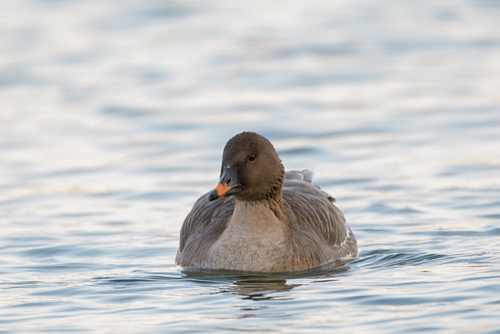
ヒシクイ (Anser serrirostris) ヒシクイ
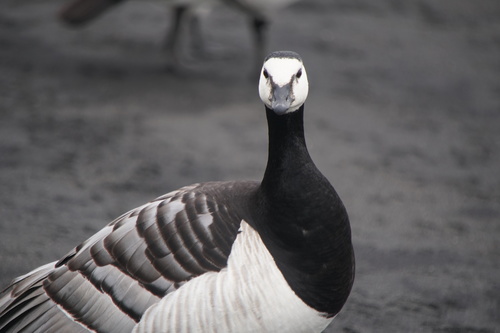
カオジロガン (Branta leucopsis) カオジロガン

メディア

読み込み中…

要点

ヒシクイとカオジロガンを分ける最も信頼できる方法は、全体の羽毛によるものです。ヒシクイはオレンジ色の脚と二色のくちばしを持つクラシックな灰褐色のAnserであり、カオジロガンは白い顔と黒い首を持つ目を引く黒白のBrantaです。飛んでいるときも静止しているときも、カオジロガンは黒い首と白い顔の間に鋭いコントラストを示し、銀灰色の縞模様の背中を持っていますが、ヒシクイはずっと地味で褐色です。くちばしと脚の色も重要です:ヒシクイはオレンジ色の脚とオレンジの帯があるほぼ黒いくちばしを持ち、カオジロガンは黒い脚と小さな黒いくちばしを持っています。サイズは重なることがありますが、ヒシクイは一般的に大きくてがっしりしています。

識別のコツ

  1. Face and neck pattern: カオジロガンは常に白い顔と黒い首を示し、地域のガンの中で独特です。ヒシクイは白のない地味な褐色灰色の頭と首を持っています。
  2. Bill color and shape: ヒシクイは明確なオレンジの帯がある黒いくちばしを持ち(帯の幅は亜種によって異なります)、くちばしは長くて太いです。カオジロガンは小さくて太い全黒のくちばしを持っています。
  3. Leg color: ヒシクイは明るいオレンジ色の脚と足を持っています。カオジロガンは黒い脚と足を持っています。
  4. Upperwing pattern in flight: カオジロガンは銀灰色の下翼の裏地と白い尾羽の斑点を示します。ヒシクイは狭い白い縁取りのある暗褐色の上翼の覆い羽を持ち、白い尾羽はありません。
  5. Back and mantle: カオジロガンは黒白(銀灰色)の縞模様の背中を持っています。ヒシクイは上面が均一に褐色灰色で、縞模様はありません。
  6. Body shape and size: ヒシクイは大きく、首が長く、がっしりしています。カオジロガンはよりコンパクトで首が短いです。
  7. Juvenile differences: 幼鳥のカオジロガンは成鳥と模様が似ていますが、覆い羽と脇羽の先端が丸くなっています。ヒシクイの幼鳥は地味ですが、その他は成鳥と似ており、黒白の顔や縞模様は決して示しません。
  8. Flight silhouette: カオジロガンは短い首と速い羽ばたきでコンパクトに見えます。ヒシクイは重く、首が長く、安定した遅い羽ばたきで飛びます。
  9. Habitat context: カオジロガンはより沿岸部や河口に生息し、ヒシクイはより内陸の開けた湿地や野原に生息します。
  10. Association with other species: カオジロガンは他のBrantaガン(例:コクガン)と一緒に見られることがありますが、ヒシクイは他のAnserガン(例:シロフロガン)と一緒に見られます。
  11. Pitfall – size overlap: 一部の小さなヒシクイ(rossicus)はカオジロガンのサイズに近づくことがありますが、構造と羽毛は常に異なります。
  12. Pitfall – distant views: 遠くから見ると、カオジロガンの白い顔は淡い斑点のように見えることがあります。黒い首と全体の模様を確認してください。
  13. Pitfall – odd light: 光が悪いと、カオジロガンの銀色の背中はより淡く見えることがありますが、顔と首の模様は診断的です。
  14. No white on ヒシクイ face: 顔や首に白がある場合はヒシクイではありません。
  15. No orange on カオジロガン: くちばしや脚にオレンジがある場合はカオジロガンではありません。

大きさ

ヒシクイは二つの中で大きく、長さは68–90 cm、翼幅は140–174 cmであり、カオジロガンは55–70 cmの長さで翼幅は120–145 cmです [wikipedia]。ヒシクイは最大4 kgの重さになることがあり、オスは平均3.2 kg、メスは2.84 kgです。一方、カオジロガンは平均約1.7 kg(範囲1.2–2.2 kg)です [wikidata]。フィールドでは、ヒシクイはよりがっしりしていて、首が長く、体が重いように見えますが、カオジロガンはよりコンパクトで首が短いです。

羽色

幼鳥と成鳥のカオジロガンは、太い黒い首と白い顔によってヒシクイから瞬時に分けられます。これはどのAnserにも示されません。飛んでいるとき、カオジロガンは目立つ白い尾羽の斑点と銀灰色の下翼の裏地を示し、さらに灰黒の縞模様の背中を持っています。ヒシクイは年齢に関係なく、全体が褐色灰色で、暗褐色の上翼の覆い羽は狭い白い縁取りがあり、顔、首、尾羽に白はありません。くちばしは黒でオレンジの帯があり、脚はオレンジ色です。カオジロガンは黒い脚と小さな黒いくちばしを持っています。幼鳥のカオジロガンは覆い羽と脇羽の先端が丸いことによって識別できますが、成鳥と同じ黒白の模様を示します。ヒシクイの幼鳥は成鳥に似ていますが、やや地味なことがあります。彼らの上翼の模様は常に暗褐色で狭い白い縁取りがあり、縞模様や銀色ではありません。

行動

両種は群れを作り、特に繁殖期以外にフロックで見られることが多いです。ヒシクイは通常、開けた野原や湿地で餌を食べ、安定した目的のある歩き方をします。カオジロガンも社交的ですが、より直立して警戒しているように見え、短い草や沿岸の草地で草を食べているのが見られることがあります。飛んでいるとき、カオジロガンの群れは密集していて直接的で、速い羽ばたきを持っていますが、ヒシクイの群れは緩やかで、鳥は飛んでいるときに重く、より労力を要するように見えます。

生息環境

ヒシクイは北シベリアのツンドラで繁殖し、アジアの南部で冬を越します。通常、開けた湿地、湖、農地で見られます。カオジロガンは北極の島々で繁殖し、温帯の沿岸地域で冬を越し、草地、河口、塩湿地を好みます。混合群れでは生息地が重なることがありますが、カオジロガンは沿岸部や河口の環境にいる可能性が高く、ヒシクイはより内陸にいることが多いです。

より良い説明を送る

比較と同じ項目を使ってください。文章はすぐに公開されます。

The most reliable way to separate Tundra Bean Goose from Barnacle Goose is by overall plumage: Tundra Bean Goose is a classic grey-brown Anser with orange legs and a bicolored bill, while Barnacle Goose is a striking black-and-white Branta with a white face and black neck. In flight or at rest, Barnacle Goose shows a sharp contrast between its black neck and white face, and a silvery-grey barred back, while Tundra Bean Goose is much plainer and browner. Bill and leg color are also key: Tundra Bean Goose has orange legs and a mostly black bill with an orange band, Barnacle Goose has black legs and a small black bill. Size can overlap but Tundra Bean Goose is generally larger and bulkier.

  1. Face and neck pattern: Barnacle Goose always shows a white face and black neck, unique among geese in the region; Tundra Bean Goose has a plain brownish-grey head and neck with no white.
  2. Bill color and shape: Tundra Bean Goose has a black bill with a distinct orange band (band width varies by subspecies), and the bill is longer and stouter; Barnacle Goose has a small, stubby all-black bill.
  3. Leg color: Tundra Bean Goose has bright orange legs and feet; Barnacle Goose has black legs and feet.
  4. Upperwing pattern in flight: Barnacle Goose shows silvery-grey underwing linings and a white rump patch; Tundra Bean Goose has dark brown upperwing-coverts with narrow white fringes and no white rump.
  5. Back and mantle: Barnacle Goose has a barred black-and-white (silvery-grey) back; Tundra Bean Goose is uniformly brownish-grey above with no barring.
  6. Body shape and size: Tundra Bean Goose is larger, longer-necked, and bulkier; Barnacle Goose is more compact and short-necked.
  7. Juvenile differences: Juvenile Barnacle Geese resemble adults in pattern but have rounded mantle and flank feather tips; Tundra Bean Goose juveniles are duller but otherwise similar to adults, never showing black-and-white face or barring.
  8. Flight silhouette: Barnacle Goose appears compact with a short neck and rapid wingbeats; Tundra Bean Goose looks heavier, longer-necked, and flies with steadier, slower wingbeats.
  9. Habitat context: Barnacle Goose is more coastal and estuarine, Tundra Bean Goose more often inland in open wetlands or fields.
  10. Association with other species: Barnacle Goose may be seen with other Branta geese (e.g., Brent Goose), while Tundra Bean Goose associates with other Anser geese (e.g., White-fronted Goose).
  11. Pitfall – size overlap: Some small Tundra Bean Geese (rossicus) can approach Barnacle Goose in size, but structure and plumage always differ.
  12. Pitfall – distant views: At great distance, Barnacle Goose's white face may appear as a pale spot; check for black neck and overall pattern.
  13. Pitfall – odd light: In poor light, Barnacle Goose's silvery back may look paler, but face and neck pattern remain diagnostic.
  14. No white on Tundra Bean Goose face: Any white on the face or neck rules out Tundra Bean Goose.
  15. No orange on Barnacle Goose: Any orange on bill or legs rules out Barnacle Goose.

Tundra Bean Goose is the larger of the two, with a length of 68–90 cm and a wingspan of 140–174 cm, while Barnacle Goose is 55–70 cm long with a wingspan of 120–145 cm [wikipedia]. Tundra Bean Goose can weigh up to 4 kg, with males averaging 3.2 kg and females 2.84 kg, while Barnacle Goose averages around 1.7 kg (range 1.2–2.2 kg) [wikidata]. In the field, Tundra Bean Goose appears bulkier, longer-necked, and heavier-bodied compared to the more compact, short-necked Barnacle Goose.

Juvenile and adult Barnacle Geese of all ages are instantly separated from Tundra Bean Goose by their bold black neck and white face, which are never shown by any Anser. In flight, Barnacle Goose shows a conspicuous white rump patch and silvery-grey underwing linings, plus a barred grey-and-black back. Tundra Bean Goose, regardless of age, is overall brownish-grey with dark brown upperwing-coverts narrowly fringed white, and lacks any white on the face, neck, or rump. Its bill is black with an orange band, and legs are orange. Barnacle Goose has black legs and a small black bill. Juvenile Barnacle Geese can be told by the rounded tips to mantle and flank feathers, but still show the same black-and-white pattern as adults. Tundra Bean Goose juveniles are similar to adults but may be slightly duller; their upperwing pattern is always dark brown with narrow white fringes, not barred or silvery.

Both species are gregarious and often seen in flocks, especially outside the breeding season. Tundra Bean Goose typically feeds in open fields or wetlands, walking with a steady, purposeful gait. Barnacle Goose is also social but often appears more upright and alert, and may be seen grazing on short grass or coastal turf. In flight, Barnacle Goose flocks are tight and direct, with rapid wingbeats, while Tundra Bean Goose flocks are looser and birds appear heavier and more labored in flight.

Tundra Bean Goose breeds in northern Siberian tundra and winters further south in Asia, usually in open wetlands, lakes, and agricultural fields. Barnacle Goose breeds in Arctic islands and winters in temperate coastal areas, favoring grassy fields, estuaries, and saltmarshes. In mixed flocks, habitat may overlap, but Barnacle Goose is more likely in coastal or estuarine settings, while Tundra Bean Goose is more often inland.

変更を破棄しますか?

保存していない編集があります。今離れると失われます。

ヒシクイ · カオジロガン · 苦手な鳥