

Motmot

ナキマシコ 対 モウコナキマシコ

Bucanetes githagineus 対 Bucanetes mongolicus

ナキマシコとモウコナキマシコのクイズ
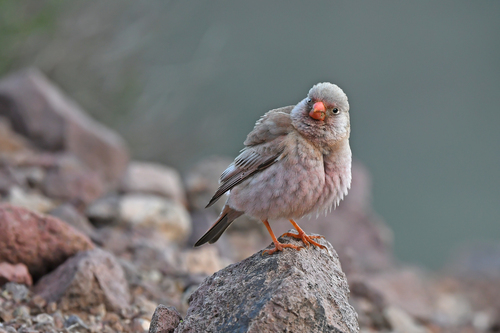
ナキマシコ (Bucanetes githagineus) ナキマシコ
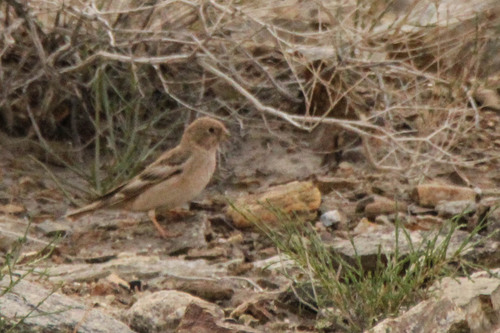
モウコナキマシコ (Bucanetes mongolicus) モウコナキマシコ

メディア

読み込み中…

要点

ナキマシコとモウコナキマシコの最も信頼できるフィールドマークはくちばしの色です:ナキマシコのオスは繁殖羽衣の時期に明確に赤いくちばしを持ち、モウコナキマシコは年間を通して灰色がかった黄色のくちばしを示します。飛んでいる時や休んでいる時、モウコナキマシコのオスは翼により広範囲な白とピンクを示しますが、ナキマシコはよりシンプルでコントラストが少ないです。両種の雌や非繁殖の個体は色あせて見えることがありますが、モウコナキマシコの雌はほとんどピンクの色調がありません。構造は似ていますが、特に成鳥のオスにおいてくちばしの色と翼のパターンに注意を払うことが分離の鍵です。

識別のコツ

  1. Bill color is critical: 成鳥のオスでは、ナキマシコは繁殖羽衣の時に明るい赤いくちばしを示し、モウコナキマシコは常に灰色がかった黄色のくちばしを持っています。これは良い光の下で遠くからでもしばしば見えます。
  2. Wing pattern in males: モウコナキマシコのオスは翼に広範囲な白とピンクを示し、休んでいる時や飛んでいる時に見えます。ナキマシコはこのコントラストがなく、より均一に砂色または淡い茶色に見えます。
  3. Pink tones: ナキマシコのオスは胸、尾、尾羽にピンクがありますが、モウコナキマシコのオスは顔と腹部にピンクの色合いがあり、ピンクは翼にも広がっています。モウコナキマシコの雌はほとんどピンクがなく、ナキマシコの雌はわずかにピンクの色合いを示すことがあります。
  4. Non-breeding and female confusion: 繁殖シーズン外では、両種は鈍くなりますが、モウコナキマシコは灰色がかった黄色のくちばしと翼のコントラストを保持し、ナキマシコはより均一に淡く色あせ、鈍いくちばしになります。
  5. Juvenile/immature birds: 詳細な説明は不足していますが、モウコナキマシコの翼のパターン(白とピンク)は存在し、非繁殖や若い鳥でも見られます。ナキマシコの幼鳥はよりシンプルで強い翼のコントラストがありません。
  6. Tail pattern: ナキマシコは暗い端羽を持つピンクの尾を持っていますが、モウコナキマシコの尾のパターンは特に特徴的ではないため、見えれば役立つかもしれません。
  7. Head and neck color: ナキマシコのオスは灰色の頭と首を示しますが、モウコナキマシコのオスはこの特徴がそれほど顕著ではありません。
  8. Habitat context: 北アフリカとスペインでは、ナキマシコが期待される種です;中央アジアやトルコ東部では、モウコナキマシコの方が可能性が高いです。一部の地域では重複が可能なので、場所だけに頼らないでください。
  9. Flock composition: ナキマシコは大きな群れを形成することがあり、時には他のフィンチと一緒にいます;モウコナキマシコはそのような混合群で報告されることは少ないです。
  10. Voice: 鋭い鼻音のトリルが聞こえたら、それはナキマシコです。モウコナキマシコの鳴き声は詳細に記載されていないため、この呼び声がないことは診断的ではありません。
  11. Structure: 両種はサイズと形が似ており—小さく、長い翼、大きな頭、短くて太いくちばし。構造的な違いは分離のための信頼できるものではありません。
  12. Pitfalls: 鈍い雌や幼鳥の両種は非常に似ていることがあります。くちばしの色と翼のパターンに焦点を当て、特に悪い光や繁殖シーズン外ではピンクの色調だけに過度に依存しないようにしてください。
  13. Flight views: 飛んでいる時には、モウコナキマシコの白とピンクの翼のパネルとナキマシコのより均一な翼を探してください。
  14. Perched views: 鳥が止まっている時には、くちばしの色と翼のパターンが最も良い手がかりです、特にオスの場合。
  15. Seasonal context: 繁殖期のオスは分離が最も簡単です;非繁殖、雌、幼鳥はより注意が必要で、微妙なマークに依存する必要があります。

大きさ

両種は小さく、長い翼を持つフィンチで、大きな頭と短くて太いくちばしを持っています。利用可能な情報源にはナキマシコとモウコナキマシコの間に診断的なサイズの違いは記載されておらず、両者は全体的な比率と質量が似ています。サイズだけではこれら二種を分離するための信頼できるフィールドマークではありません。

羽色

繁殖羽衣の成鳥のオスでは、ナキマシコは赤いくちばし、灰色の頭と首、淡い茶色の上面、胸、尾、尾羽にピンクを持ち、尾は暗い色で先端が尖っています。モウコナキマシコのオスは灰色がかった黄色のくちばしと顔と腹部にピンクの色合いを持っていますが、最も注目すべきは翼に広範囲な白とピンクを示すことです—これは休んでいる時と飛んでいる時の両方で見え、最も良い羽衣の手がかりです。両種の雌や非繁殖の個体は鈍くなります:ナキマシコはオスの色あせたバージョンになり、ピンクが少なく、鈍いくちばしを持ち、モウコナキマシコの雌はほとんどピンクがなく、灰色がかった黄色のくちばしを保持します。幼鳥や未熟な羽衣は詳細に記載されていませんが、モウコナキマシコの翼のパターン(白とピンク)は存在し、繁殖羽衣の外でも見られますが、ナキマシコはよりシンプルなままです。要約すると、モウコナキマシコは常に翼においてよりコントラストがあり、ナキマシコは全体的により均一で砂色です。

行動

両種は地面に生息するフィンチで、単独、ペア、または小さな群れで見られます。ナキマシコは繁殖シーズン外に大きな群れを形成することで知られており、時には他のフィンチ種と一緒にいます。両種は午後遅くや夕方に水に飛んでいくのが見られる可能性があります。採餌や飛行スタイルにおいて、信頼できる分離を行うための強い行動の違いは情報源には記載されていません。

生息環境

ナキマシコは主に砂漠の種で、北アフリカとスペインから南アジアを通じて見られ、乾燥した開けた風景に関連しています。モウコナキマシコは似たようなステップや半砂漠の生息地を占めていますが、分布はより東にあり、中央アジアにコア範囲を持ち、トルコに外れた個体群があります。一部の地域では重複が可能ですが、モウコナキマシコは北西アフリカやスペインでは可能性が低いです。両種はコア範囲の外で迷子として発生することがありますので、生息地だけでは常に診断的ではありませんが、ナキマシコは一般的に西パレアクティック砂漠のデフォルトです。

声

ナキマシコは「トランペットのような金属音の鼻音トリル」として説明される特徴的な buzzing 音を持っています。利用可能なノートにはモウコナキマシコの具体的な鳴き声の詳細は提供されていないため、ナキマシコの独特の呼び声が聞こえない限り、声は信頼できる分離要因ではありません。

より良い説明を送る

比較と同じ項目を使ってください。文章はすぐに公開されます。

The most reliable field mark between Trumpeter Finch and Mongolian Finch is the bill color: Trumpeter Finch males in breeding plumage have a distinctly red bill, while Mongolian Finch shows a greyish-yellow bill year-round. In flight or at rest, Mongolian Finch males also show more extensive white and pink in the wings, whereas Trumpeter Finch is plainer with less contrast. Females and non-breeding birds of both species can look washed out, but Mongolian Finch females lack the pink tones almost entirely. Structure is similar, but careful attention to bill color and wing pattern, especially in adult males, is key for separation.

  1. Bill color is critical: In adult males, Trumpeter Finch shows a bright red bill in breeding plumage, while Mongolian Finch always has a greyish-yellow bill. This is often visible even at a distance in good light.
  2. Wing pattern in males: Mongolian Finch males show extensive white and pink in the wings, visible both at rest and in flight. Trumpeter Finch lacks this contrast and appears more uniformly sandy or pale brown.
  3. Pink tones: Trumpeter Finch males have pink on the breast, rump, and tail, but Mongolian Finch males have a pink flush to the face and underparts, with the pink extending into the wings as well. Females of Mongolian Finch have almost no pink, while Trumpeter Finch females can show a faint pink wash.
  4. Non-breeding and female confusion: Outside the breeding season, both species become duller, but Mongolian Finch retains a greyish-yellow bill and the wing contrast, while Trumpeter Finch becomes more uniformly pale and washed out with a duller bill.
  5. Juvenile/immature birds: Detailed descriptions are lacking, but Mongolian Finch's wing pattern (white and pink) is present, though less marked, even in non-breeding or young birds. Trumpeter Finch juveniles are plainer and lack strong wing contrast.
  6. Tail pattern: Trumpeter Finch has a pink tail with dark terminal feathers; Mongolian Finch's tail pattern is not described as distinctive, so this may help if visible.
  7. Head and neck color: Trumpeter Finch males show a grey head and neck, while Mongolian Finch males do not have this feature as prominently.
  8. Habitat context: In North Africa and Spain, Trumpeter Finch is the expected species; in Central Asia or eastern Turkey, Mongolian Finch is more likely. Overlap is possible in some regions, so do not rely solely on location.
  9. Flock composition: Trumpeter Finch can form large flocks, sometimes with other finches; Mongolian Finch is less often reported in such mixed groups.
  10. Voice: If you hear a buzzing, nasal trill like a tin trumpet, it is Trumpeter Finch. Mongolian Finch's vocalizations are not described, so absence of this call is not diagnostic.
  11. Structure: Both species are similar in size and shape—small, long-winged, large-headed, with a short, thick bill. Structural differences are not reliable for separation.
  12. Pitfalls: Dull females and immatures of both species can be very similar. Focus on bill color and wing pattern, and avoid over-reliance on pink tones alone, especially in poor light or out of breeding season.
  13. Flight views: In flight, look for the Mongolian Finch's white and pink wing panels versus the more uniform wings of Trumpeter Finch.
  14. Perched views: Bill color and wing pattern are still the best clues when birds are perched, especially in males.
  15. Seasonal context: Breeding males are easiest to separate; non-breeding, female, and immature birds require more caution and reliance on subtle marks.

Both species are small, long-winged finches with a large head and short, thick bill. There is no diagnostic size difference noted between Trumpeter Finch and Mongolian Finch in the available sources; both are similar in overall proportions and mass. Size alone is not a reliable field mark for separating these two species.

For adult males in breeding plumage, Trumpeter Finch has a red bill, grey head and neck, pale brown upperparts, and pink on the breast, rump, and tail, with the tail tipped dark. Mongolian Finch males have a greyish-yellow bill and a pink flush to the face and underparts, but most notably, they show extensive white and pink in the wings—this is visible both at rest and in flight, and is the best plumage clue. Females and non-breeding birds of both species are duller: Trumpeter Finch becomes a washed-out version of the male, with less pink and a duller bill, while Mongolian Finch females have little to no pink and retain the greyish-yellow bill. Juvenile and immature plumages are not described in detail, but the wing pattern in Mongolian Finch (white and pink) is present, though less marked, even outside breeding plumage, while Trumpeter Finch remains plainer. In summary, Mongolian Finch is always more contrasting in the wing, and Trumpeter Finch is more uniform and sandy overall.

Both species are ground-dwelling finches that can be seen singly, in pairs, or in small flocks. Trumpeter Finch is noted for forming larger flocks outside the breeding season, sometimes with other finch species. Both species are likely to be seen flying to water in the late afternoon or evening. There is no strong behavioral difference in foraging or flight style noted in the sources that would reliably separate them in the field.

Trumpeter Finch is primarily a desert species, found from North Africa and Spain through southern Asia, and is often associated with arid, open landscapes. Mongolian Finch occupies similar steppe and semi-desert habitats but is more eastern in distribution, with a core range in Central Asia and outlying populations in Turkey. Overlap is possible in some regions, but Mongolian Finch is less likely in western North Africa or Spain. Both species can occur as vagrants outside their core ranges, so habitat alone is not always diagnostic, but Trumpeter Finch is generally the default in the western Palearctic deserts.

Trumpeter Finch has a distinctive buzzing, nasal trill described as 'like a tin trumpet.' No specific vocalization details are provided for Mongolian Finch in the available notes, so voice is not a reliable separator unless Trumpeter Finch's unique call is heard.

変更を破棄しますか?

保存していない編集があります。今離れると失われます。

ナキマシコ · モウコナキマシコ · 苦手な鳥