

Motmot

チモールミカドバト 対 ソデグロバト

Ducula cineracea 対 Ducula bicolor

チモールミカドバトとソデグロバトのクイズ

チモールミカドバト (Ducula cineracea) チモールミカドバト
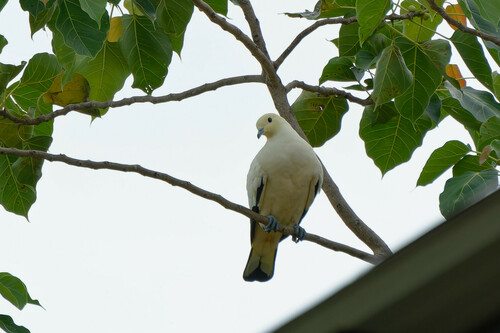
ソデグロバト (Ducula bicolor) ソデグロバト

メディア

読み込み中…

要点

チモールミカドバトとソデグロバトを分ける最も信頼できる方法は、場所と生息地によるものです:チモールミカドバトはチモール島とウェタール島に限定されているのに対し、ソデグロバトは東南アジア全体に広がっており、しばしば沿岸や島の生息地に見られます。現地では、羽毛の違いは微妙で、チモール種については十分に文書化されていませんが、ソデグロバトの成鳥は非常に白く、平坦な白い太ももと尾羽の覆い羽を持ち、時には尾羽の先端に小さな暗い斑点が見られます。これら二種の間の構造的およびサイズの違いは十分に確立されていませんが、ソデグロバトは頑丈で大きな鳩です。もしチモールやウェタールの外で大きく、主に白いインペリアルバトを見た場合、それはほぼ確実にソデグロバトです。

識別のコツ

  1. Location is critical: もしチモールやウェタールにいない場合、ほぼ確実にソデグロバトを見ていることになります。チモールミカドバトはこれら二つの島に特有です。
  2. Habitat context: チモールミカドバトは乾燥したまたは山地の森林を好みますが、ソデグロバトは沿岸、マングローブ、または島の生息地でしばしば見られ、時にはプランテーションや低木の中にもいます。
  3. Adult plumage: ソデグロバトの成鳥は純白で、平坦な白い太ももと尾羽の覆い羽を持ち、時には尾羽の先端に小さな暗い斑点があります。これは成鳥にとって強い特徴です。
  4. Bill color: ソデグロバトは狭い暗い先端の青みがかったくちばしを持っています。チモールミカドバトのくちばしの色に関する情報はないため、この特徴はソデグロバトを確認するためのものです。
  5. Thigh and undertail coverts: もし太ももや尾羽の覆い羽に黒い斑点が見られた場合、これはソデグロバトには典型的ではなく、別の種を示唆する可能性があります(ただし、これはチモールミカドバトには特に記載されていません)。
  6. Size and structure: 両者は大きく、重い体を持つ鳩ですが、サイズは信頼できる区別要因ではありません。
  7. Immature/juvenile plumage: どちらの種についても年齢特有の翼や飛行の特徴は文書化されていないため、未熟な上翼のパターンに頼って区別しないでください。
  8. Vocalizations: 利用可能な情報源には、区別できる鳴き声や歌は記載されていません。
  9. Range overlap: 重複はありません;もしチモールミカドバトの範囲内にいる場合は、生息地と羽毛を注意深く確認してくださいが、他の場所ではソデグロバトを期待してください。
  10. Plumage pitfalls: 一部のソデグロバトはわずかに黄色がかって見えることがありますが、これは稀で、他の関連種に見られる程度ではありません。チモールミカドバトの正確な色合いは記載されていないため、微妙な色合いを主要な特徴として使用しないでください。
  11. Subspecies confusion: ソデグロバトは複雑な亜種の分類がありますが、標準形はチモールミカドバトと混同される可能性が高いものです。成鳥の平坦な白い太もも/尾羽に焦点を当てて区別してください。
  12. Group context: ソデグロバトは特に沿岸地域で群れで見られることが多いです。チモールミカドバトの群れ行動に関する情報はありません。
  13. Seasonality: どちらの種についても季節的な羽毛の違いは記載されていないため、どちらも見つかった場所でおそらく定住しています。
  14. Sex differences: どちらの種についても性差は記載されていないため、オスとメスは似ています。
  15. Summary tip: 実際には、最初に場所と生息地を使用し、次にソデグロバトの白い羽毛とくちばしの詳細で確認してください。

大きさ

ソデグロバトのみが文書化された体重(456g [wikidata])を持ち、その大きな鳩としての地位を確認しています。チモールミカドバトの公表された体重はありませんが、同じ属に分類されていることから、サイズは似ている可能性があります。現地では、両者は大きく、重い体に見えるため、サイズだけでは信頼できる区別要因ではありません。

羽色

羽毛の違いはチモールミカドバトについては完全には詳細化されていませんが、ソデグロバトの成鳥は純白で、平坦な白い太ももと尾羽の覆い羽を持ち、時には尾羽の先端に小さな暗い斑点があります。ソデグロバトは狭い暗い先端の青みがかったくちばしを持っています。どちらの種についても特有の幼鳥や未熟な翼のパターンに関する情報はないため、年齢特有の飛行の特徴は区別に利用できません。チモールミカドバトはソデグロバトの非常に清潔な白い外観を欠く可能性がありますが、これは情報源では確認されていません。もし黒い斑点のある太ももや尾羽の覆い羽が見られた場合、これはソデグロバトから遠ざかることを示します(ただし、チモールミカドバトには記載されていません)。

行動

これら二種の間に行動の違いは文書化されていません。両者は、インペリアルバトに典型的なように、樹冠の中や森林のパッチ間を飛んでいるのが見られる可能性が高いです。

生息環境

生息地は重要な区別要因です:チモールミカドバトはチモール島とウェタール島に限定され、亜熱帯または熱帯の乾燥森林と湿った山地の森林に生息しています [wikipedia]。ソデグロバトははるかに広範囲に分布しており、東南アジア全体の森林、森林地帯、マングローブ、プランテーション、低木の中で見られ、特に小さな島や沿岸地域で見られます。もしチモールやウェタールにいない場合、ほぼ確実にソデグロバトを見ていることになります。

より良い説明を送る

比較と同じ項目を使ってください。文章はすぐに公開されます。

The most reliable way to separate Timor Imperial-Pigeon from Pied Imperial-Pigeon is by location and habitat: the Timor Imperial-Pigeon is restricted to the islands of Timor and Wetar, while the Pied Imperial-Pigeon is widespread across Southeast Asia, often in coastal and island habitats. In the field, plumage differences are subtle and not well-documented for the Timor species, but Pied Imperial-Pigeon adults are strikingly white with plain white thighs and undertail coverts, sometimes with a small dark spot at the undertail tip. Structural and size differences are not well established between these two, but Pied Imperial-Pigeon is a robust, large pigeon. If you see a large, mostly white imperial-pigeon outside Timor or Wetar, it is almost certainly Pied Imperial-Pigeon.

  1. Location is critical: If you are not on Timor or Wetar, you are almost certainly looking at a Pied Imperial-Pigeon. Timor Imperial-Pigeon is endemic to those two islands.
  2. Habitat context: Timor Imperial-Pigeon prefers dry or montane forests, while Pied Imperial-Pigeon is often seen in coastal, mangrove, or island habitats, sometimes in plantations or scrub.
  3. Adult plumage: Pied Imperial-Pigeon adults are pure white with plain white thighs and undertail coverts, sometimes with a small dark spot at the undertail tip. This is a strong mark for adults.
  4. Bill color: Pied Imperial-Pigeon has a narrowly dark-tipped bluish bill. There is no bill color information for Timor Imperial-Pigeon, so this mark is only useful for confirming Pied Imperial-Pigeon.
  5. Thigh and undertail coverts: If you see black spotting on the thighs or undertail coverts, this is not typical for Pied Imperial-Pigeon and may suggest another species (though not specifically Timor Imperial-Pigeon, as this is not described for it).
  6. Size and structure: Both are large, heavy-bodied pigeons; size is not a reliable separator.
  7. Immature/juvenile plumage: There are no documented age-specific wing or flight marks for either species, so do not rely on immature upperwing patterns for separation.
  8. Vocalizations: No distinguishing calls or songs are described in the available sources.
  9. Range overlap: There is no overlap; if you are within the range of Timor Imperial-Pigeon, check habitat and plumage carefully, but expect Pied Imperial-Pigeon elsewhere.
  10. Plumage pitfalls: Some Pied Imperial-Pigeons may appear slightly yellowish, but this is rare and not to the extent seen in other related species. Timor Imperial-Pigeon’s exact shade is not described, so do not use subtle color tints as a main mark.
  11. Subspecies confusion: Pied Imperial-Pigeon has complex subspecies taxonomy, but the nominate form is the one likely to be confused with Timor Imperial-Pigeon. Focus on the plain white thighs/undertail in adults for separation.
  12. Group context: Pied Imperial-Pigeon is often seen in flocks, especially in coastal areas. There is no information on Timor Imperial-Pigeon flocking behavior.
  13. Seasonality: No seasonal plumage differences are described for either species; both are likely resident where found.
  14. Sex differences: No sexual dimorphism is described for either species, so males and females look alike.
  15. Summary tip: In practice, use location and habitat first, then confirm with the clean white plumage and bill details of Pied Imperial-Pigeon if visible.

Only Pied Imperial-Pigeon has a documented body mass (456g [wikidata]), confirming its status as a large pigeon. There is no published mass for Timor Imperial-Pigeon, but it is likely similar in size given its placement in the same genus. In the field, both will appear large and heavy-bodied, so size alone is not a reliable separator.

Plumage differences are not fully detailed for Timor Imperial-Pigeon, but Pied Imperial-Pigeon adults are described as pure white with plain white thighs and undertail coverts, sometimes with a small dark spot at the undertail tip. The Pied Imperial-Pigeon has a narrowly dark-tipped bluish bill. There is no information on distinctive juvenile or immature wing patterns for either species, so age-specific flight marks are not available for separation. The Timor Imperial-Pigeon may lack the extremely clean white look of Pied Imperial-Pigeon, but this is not confirmed in the sources. If you see black-spotted thighs or undertail coverts, this would point away from Pied Imperial-Pigeon (but is not described for Timor Imperial-Pigeon).

No behavioral differences are documented between these two species. Both are likely to be seen in the canopy or flying between forest patches, as is typical for imperial pigeons.

Habitat is a key separator: Timor Imperial-Pigeon is restricted to the islands of Timor and Wetar, inhabiting subtropical or tropical dry forests and moist montane forests [wikipedia]. Pied Imperial-Pigeon is much more widespread, found in forests, woodlands, mangroves, plantations, and scrub across Southeast Asia, especially on small islands and in coastal areas. If you are not on Timor or Wetar, you are almost certainly seeing Pied Imperial-Pigeon.

変更を破棄しますか?

保存していない編集があります。今離れると失われます。

チモールミカドバト · ソデグロバト · 苦手な鳥