

Motmot

チベットメダイチドリ 対 シロチドリ

Anarhynchus atrifrons 対 Anarhynchus alexandrinus

チベットメダイチドリとシロチドリのクイズ
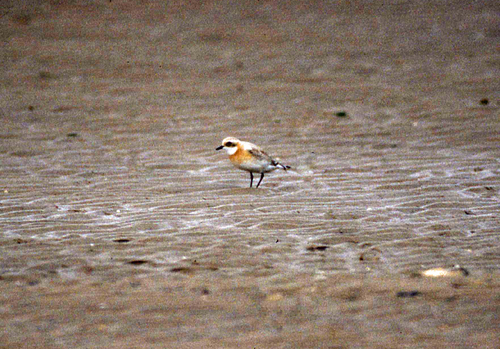
チベットメダイチドリ (Anarhynchus atrifrons) チベットメダイチドリ
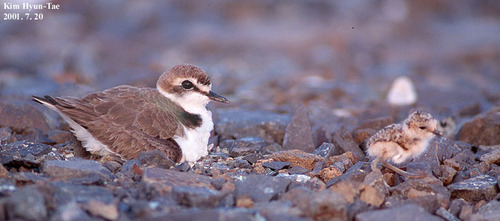
シロチドリ (Anarhynchus alexandrinus) シロチドリ

メディア

読み込み中…

要点

チベットメダイチドリとシロチドリの最も信頼できるフィールドでの識別は、繁殖羽衣における頭部と胸部のパターンと色、特にオスにおいてです。チベットメダイチドリのオスは黒いマスクと淡いオレンジ色の胸と首を示し、シロチドリのオスは黒い水平の頭部バー、黒い耳羽、2本の不完全な暗い胸部バンド、赤褐色の後頭部と冠を持っています。非繁殖羽衣と幼鳥では、両種はより地味ですが、シロチドリのオスは頭部と胸部の側面にいくつかの暗いマーキングを保持しているのに対し、チベットメダイチドリは一般的に淡く、強い胸部バンドが欠けています。構造とサイズは非常に似ているため、羽衣の詳細、特に頭部と胸部に注意を払うことが重要です。

識別のコツ

  1. Breeding male head and breast pattern: チベットメダイチドリのオスは黒いマスクと淡いオレンジ色の胸と首を持ち、シロチドリのオスは黒い水平の頭部バー、黒い耳羽、2本の不完全な暗い胸部バンド、赤褐色の後頭部と冠を持っています。これは春と夏の最も信頼できるフィールドマークです。
  2. Breast band presence: シロチドリ(特にオス)は側面に2本の不完全な暗い胸部バンドを示し、チベットメダイチドリはこれを欠き、代わりに淡いオレンジ色の洗い(オスの場合)または無地の白い胸(雌と非繁殖の鳥の場合)を示します。
  3. Head markings in non-breeding/juvenile plumage: シロチドリは雌や幼鳥でも目の後ろや胸部の側面に淡い暗いマーキングを保持することがあります。チベットメダイチドリは一般的に顔が地味で、繁殖オス以外では強い頭部や胸部のマーキングが欠けています。
  4. Orange coloration: 繁殖羽衣のチベットメダイチドリのオスだけが胸と首に淡いオレンジ色の洗いを示し、シロチドリはこの色を示しません。
  5. Mask vs. ear coverts: チベットメダイチドリのオスは完全な黒いマスクを持ち、シロチドリのオスは黒い耳羽と水平のバーを持ちますが、完全なマスクはありません。
  6. Rufous nape/crown: 繁殖羽衣のシロチドリのオスは赤褐色の後頭部と冠を持ち、これはチベットメダイチドリには欠けています。
  7. Female/juvenile confusion: 両種の雌と幼鳥は非常に地味で、非常に似ていることがあります。胸部側面のマーキングのヒント(シロチドリを優先)や、完全に無地の顔と胸(チベットメダイチドリを優先)を探してください。
  8. Bill and leg color: 両種は暗いくちばしと脚を持ち、これは識別には役立ちません。
  9. Size and structure: 両者は小型でコンパクトなチドリで、比例が似ています。サイズやジズに頼らないでください。
  10. Habitat context: 高地の繁殖地(チベット高原、天山)ではチベットメダイチドリが期待され、低地の塩水湖、潟、海岸、特に中央アジアの外ではシロチドリがより可能性が高いです。冬の生息地では、両種が一緒に見られることがあります。
  11. Behavior: シロチドリのオスはより攻撃的で、気をそらすディスプレイを行うことがありますが、これは識別のための信頼できるフィールドマークではありません。
  12. Seasonal timing: 繁殖羽衣のマークは春と夏に最も有用で、秋と冬には頭部と胸部のマーキングの微妙な違いに頼ってください。
  13. Sexual dimorphism: シロチドリは繁殖羽衣でより強い性的二形性を示し、オスは雌よりもはるかに強くマーキングされています。チベットメダイチドリのオスは雌よりもわずかに淡いだけで、繁殖シーズン以外では両性とも一般的に地味です。
  14. Plumage variability: シロチドリの羽衣は降雨や繁殖システムによって変わることがありますが、オスの暗い胸部バンドと赤褐色の後頭部の存在は一貫しています。
  15. No distinctive flight pattern: どちらの種にもユニークな上翼や飛行マークは記載されていません。鳥が止まっているときや餌を探しているときに頭部と胸部のパターンに焦点を当ててください。

大きさ

両種は小型のチドリで、サイズが非常に近く、シロチドリは体重が約47gです。フィールドでの強いサイズ差はなく、両者は比例が似ているため、サイズは信頼できる識別要因ではありません。くちばしと脚の色も似ています(両方とも暗い)。

羽色

両種の幼鳥と非繁殖の鳥は非常に似ています:両方とも茶色の上面と白い下面を持ち、淡い顔と暗いくちばしと脚があります。しかし、シロチドリの幼鳥と雌は胸の側面や目の後ろに淡い暗いマーキングを示すことがありますが、チベットメダイチドリの幼鳥は一般的に地味で、コントラストが少なく、胸部バンドがありません。繁殖羽衣では、チベットメダイチドリのオスは特徴的な黒いマスクと胸と首に淡いオレンジ色の洗いを持ち、シロチドリのオスは黒い水平の頭部バー、黒い耳羽、2本の不完全な暗い胸部バンド、赤褐色の後頭部と冠を持っています。両種の雌は地味ですが、シロチドリの雌は淡い胸部側面のマーキングを示すことがありますが、チベットメダイチドリの雌は淡く、強い頭部や胸部のマーキングが欠けています。どちらの種についても、上翼や飛行パターンの違いは記載されていません。

行動

両種は活発で地面を探る shorebirds で、オープンな干潟や砂浜で走ったり、立ち止まったりしているのがよく見られます。シロチドリのオスは領土防衛においてより攻撃的であることが知られており、両性とも脅威を感じたときに気をそらすディスプレイを行います。これらの行動は、利用可能な情報源ではチベットメダイチドリについては記載されていませんが、一般的な採餌や移動スタイルはおそらく似ているでしょう。

生息環境

チベットメダイチドリは中央アジアの高地(パミール山脈、天山、チベット高原、南モンゴル)で繁殖し、アフリカや南アジアで広く冬を越します。シロチドリは塩水湖、潟、海岸の生息地で繁殖し、砂丘、湿地、半乾燥の砂漠、ツンドラを含み、北アフリカからユーラシアにかけて広範囲に分布しています。重複する地域(中央アジア、一部の海岸の越冬地)では、生息地だけでは診断できませんが、シロチドリは低地の海岸や塩水の内陸湖でより可能性が高く、チベットメダイチドリは高地の繁殖地に関連しています。

より良い説明を送る

比較と同じ項目を使ってください。文章はすぐに公開されます。

The most reliable field separation between Tibetan Sand Plover and Kentish Plover is the pattern and color of the head and breast in breeding plumage, especially in males. Tibetan Sand Plover males show a black mask and a pale orange chest and neck, while Kentish Plover males have a black horizontal head bar, black ear coverts, and two incomplete dark breast bands, with a rufous nape and crown. In non-breeding plumage and juveniles, both species are plainer, but Kentish Plover males retain some dark markings on the head and breast sides, whereas Tibetan Sand Plover is generally paler and lacks strong breast bands. Structure and size are very similar, so careful attention to plumage details, especially in the head and breast, is key.

  1. Breeding male head and breast pattern: Tibetan Sand Plover males have a black mask and a pale orange chest and neck; Kentish Plover males have a black horizontal head bar, black ear coverts, two incomplete dark breast bands, and a rufous nape and crown. This is the most reliable field mark in spring and summer.
  2. Breast band presence: Kentish Plover (especially males) shows two incomplete dark breast bands on the sides; Tibetan Sand Plover lacks these, instead showing a pale orange wash (in males) or plain white breast (in females and non-breeding birds).
  3. Head markings in non-breeding/juvenile plumage: Kentish Plover may retain faint dark markings behind the eye and on the breast sides, even in females and juveniles. Tibetan Sand Plover is generally plainer-faced and lacks strong head or breast markings outside of breeding males.
  4. Orange coloration: Only Tibetan Sand Plover males show a pale orange wash on the chest and neck in breeding plumage; Kentish Plover never shows this color.
  5. Mask vs. ear coverts: Tibetan Sand Plover males have a full black mask; Kentish Plover males have black ear coverts and a horizontal bar, but not a full mask.
  6. Rufous nape/crown: Kentish Plover males in breeding plumage have a rufous (reddish) nape and crown, which is absent in Tibetan Sand Plover.
  7. Female/juvenile confusion: Females and juveniles of both species are much duller and can be very similar. Look for any hint of breast-side markings (favoring Kentish), or a completely plain face and breast (favoring Tibetan Sand Plover).
  8. Bill and leg color: Both species have dark bills and legs; this is not helpful for separation.
  9. Size and structure: Both are small, compact plovers with similar proportions; do not rely on size or jizz for separation.
  10. Habitat context: In high-elevation breeding sites (Tibetan Plateau, Tian Shan), Tibetan Sand Plover is expected; in lowland saline lakes, lagoons, and coasts, especially outside Central Asia, Kentish Plover is more likely. In wintering areas, both may occur together.
  11. Behavior: Kentish Plover males may be more aggressive and perform distraction displays, but this is not a reliable field mark for separation.
  12. Seasonal timing: Breeding plumage marks are most useful in spring and summer; in autumn and winter, rely on subtle differences in head and breast markings.
  13. Sexual dimorphism: Kentish Plover shows stronger sexual dimorphism in breeding plumage, with males much more strongly marked than females. Tibetan Sand Plover males are only slightly paler than females, with both sexes generally plainer outside the breeding season.
  14. Plumage variability: Be aware that Kentish Plover plumage can vary with rainfall and breeding system, but the presence of dark breast bands and rufous nape in males is consistent.
  15. No distinctive flight pattern: No unique upperwing or flight marks are described for either species; focus on head and breast pattern when birds are perched or foraging.

Both species are small plovers and very close in size, with Kentish Plover averaging about 47 g in body mass. There is no strong size difference in the field, and both have similar proportions, so size is not a reliable separator. Bill and leg color are also similar (dark in both).

Juvenile and non-breeding birds of both species are quite similar: both have brown upperparts and white underparts, with pale faces and dark bills and legs. However, Kentish Plover juveniles and females may show faint dark markings on the sides of the breast and behind the eye, while Tibetan Sand Plover juveniles are generally plainer, with less contrast and no breast band. In breeding plumage, Tibetan Sand Plover males have a distinctive black mask and a light orange wash across the chest and neck, while Kentish Plover males have a black horizontal head bar, black ear coverts, two incomplete dark breast bands, and a rufous nape and crown. Females of both species are duller, but Kentish Plover females may show faint breast-side markings, while Tibetan Sand Plover females are paler and lack strong head or breast markings. No distinctive upperwing or flight pattern differences are described for either species in the sources.

Both species are active, ground-foraging shorebirds, often seen running and pausing on open mudflats or sandy shores. Kentish Plover males are noted for being more aggressive in territorial defense, and both sexes perform distraction displays when threatened. These behaviors are not described for Tibetan Sand Plover in the available sources, but general foraging and movement style are likely similar.

Tibetan Sand Plover breeds at high elevations in Central Asia (Pamir Mountains, Tian Shan, Tibetan Plateau, south Mongolia) and winters widely in Africa and southern Asia. Kentish Plover breeds on saline lakes, lagoons, and coastal habitats, including sand dunes, marshes, semi-arid deserts, and tundra, with a broad range from North Africa through Eurasia. In areas of overlap (Central Asia, some coastal wintering sites), habitat alone is not diagnostic, but Kentish Plover is more likely on lowland coasts and saline inland lakes, while Tibetan Sand Plover is associated with high-elevation breeding sites.

変更を破棄しますか?

保存していない編集があります。今離れると失われます。

チベットメダイチドリ · シロチドリ · 苦手な鳥