

Motmot

ハシブトオオヨシキリ 対 アラビアウタムシクイ

Arundinax aedon 対 Iduna rama

ハシブトオオヨシキリとアラビアウタムシクイのクイズ
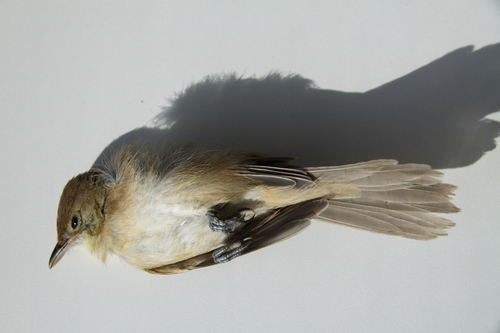
ハシブトオオヨシキリ (Arundinax aedon) ハシブトオオヨシキリ
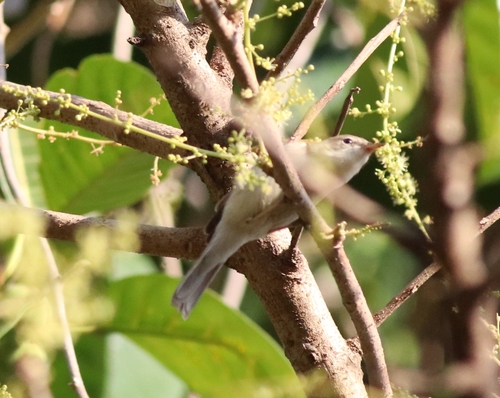
アラビアウタムシクイ (Iduna rama) アラビアウタムシクイ

メディア

読み込み中…

要点

ハシブトオオヨシキリとアラビアウタムシクイを区別するための最も信頼性の高いフィールドマークは、全体のサイズと構造です:ハシブトは著しく大きく、ずんぐりした鳥で、明らかに丸みを帯びた額と短くて太いくちばしを持っています。一方、アラビアは小さく、細身で、より繊細で、尖ったくちばしと淡い眉斑を持っています。両種は上面がかなり地味な茶色で、下面が淡いですが、ハシブトは明らかな眉斑がなく、より均一でストリークのない外観をしています。幼鳥のハシブトオオヨシキリは下面がより豊かなバフ色で、アラビアと混同されることがありますが、サイズと構造の違いは明確です。フィールドでは、特に羽毛が特徴的でないときは、くちばしの形、頭のプロファイル、全体の体格に焦点を当ててください。

識別のコツ

  1. Size and bulk: ハシブトオオヨシキリはアラビアウタムシクイよりもはるかに大きく、重いです。もしその鳥がニシオオヨシキリとほぼ同じ大きさに見えるなら、それはハシブトです;アラビアは常に小さく、細身です。
  2. Bill shape: ハシブトは短くて太く、尖ったくちばしを持ち、強く鈍い印象を与えます。アラビアは強いですが、より尖ったくちばしを持ち、基部はあまり太くありません。
  3. Head profile: ハシブトオオヨシキリは明らかに丸みを帯びた額を示し、頭が大きくドーム状に見えます。アラビアは平らな冠を持ち、額があまり目立ちません。
  4. Supercilium: アラビアウタムシクイは短く淡い眉斑(眉のライン)を示し、通常は良い光の中で見えます。ハシブトは強い眉斑がなく、より均一な顔をしています。
  5. Plumage tone: ハシブトは上面がストリークのない茶色で、下面がバフ色で、コントラストやパターンがほとんどありません。アラビアは上面がより淡い茶色で、下面が白っぽく、バフ色の側面を持ち、わずかにコントラストのある外観を与えます。
  6. Juvenile underparts: 幼いハシブトオオヨシキリは下面がより豊かなバフ色で、アラビアと重なることがありますが、構造とくちばしの形は依然としてそれらを区別します。
  7. Tail pattern: アラビアウタムシクイは外側の尾羽に淡い縁を持ち、良い視界や飛行中に見ることができます。ハシブトの尾は地味です。
  8. Sex differences: 両種は性別が同形であり、識別に性別を頼らないでください。
  9. Flight jizz: ハシブトオオヨシキリは飛行中に重く、機敏さが少ないように見えますが、アラビアは軽く、よりひらひらとした印象を与えます。
  10. Habitat: 両者は密な植生を利用しますが、ハシブトは西ヨーロッパでは珍しい迷鳥です;アラビアはその範囲内でより一般的です。
  11. Voice: 大きく、速く、模倣に富んだ歌声がアクロセファリンの口笛を伴うのを聞いたら、ハシブトを疑ってください。アラビアの歌はここでは説明されていません。
  12. Context: もしあなたが主要な繁殖範囲にいるなら、ハシブトの大きなサイズと構造の明確な証拠がない限り、アラビアの方が可能性が高いです。
  13. Pitfalls: 幼鳥の下面の色だけに頼らないでください;常にサイズ、くちばし、頭の形を確認してください。
  14. No distinctive wing pattern: どちらの種も診断的な上翼や飛行マークを示さないので、構造と顔のパターンに焦点を当ててください。
  15. Direct comparison: 両種が存在する場合、サイズと体格の違いはすぐに明らかです;もし一方だけの場合は、スケールのためにヨシキリやヒメウタイムシクイとのメンタル比較を使用してください。

大きさ

ハシブトオオヨシキリはかなり大きく(長さ16〜17.5 cm、体重約22 g)で、ニシオオヨシキリとほぼ同じ大きさです。アラビアウタムシクイははるかに小さく、軽量で、より繊細な体型をしています。直接比較すると、ハシブトはずんぐりして重く見え、頭が比例的に大きく、くちばしも太いです。アラビアは明らかに細身で、より機敏に見えます。

羽色

行動

両種は通常、密な植生に見られ、隠れることがありますが、ハシブトオオヨシキリはその大きなサイズのため、しばしばより頑丈で機敏さが少ない動きに見えます。アラビアウタムシクイは小さく、細身で、葦や茂みの中をより敏捷に移動する傾向があります。飛行中、ハシブトオオヨシキリは軽く、よりひらひらとしたアラビアと比較して重く見えることがあります。

生息環境

ハシブトオオヨシキリは温帯の東パレアールクティックで、葦、茂み、密な下草の中で繁殖し、西ヨーロッパでは珍しい迷鳥です。アラビアウタムシクイは北東アラビアから西中国とアフガニスタンまで繁殖し、しばしば同様の密な低木の生息地で見られます。重複する地域では、生息地は信頼できる区別要因ではありませんが、ハシブトは西でははるかに珍しいです。

声

ハシブトオオヨシキリは、ヌマヨシキリに似た速く、大きな歌声を持ち、模倣とアクロセファリンの口笛を伴います。アラビアウタムシクイの歌は提供されたメモには説明されていないため、ハシブトの模倣と音量が注目されない限り、ここでは音声は信頼できる区別要因ではありません。

より良い説明を送る

比較と同じ項目を使ってください。文章はすぐに公開されます。

The most reliable field mark to separate Thick-billed Warbler from Sykes's Warbler is overall size and structure: Thick-billed is a notably larger, bulkier bird with a distinctly rounded forehead and a short, thick bill, while Sykes's is smaller, slimmer, and more delicate, with a pointed bill and a pale supercilium. Both species are rather plain brown above and pale below, but Thick-billed lacks the obvious supercilium and has a more uniform, unstreaked look. Juvenile Thick-billed Warblers are richer buff below, which can cause confusion with Sykes's, but the size and structure differences remain clear. In the field, focus on bill shape, head profile, and overall bulk, especially when plumage is not distinctive.

  1. Size and bulk: Thick-billed Warbler is much larger and heavier than Sykes's Warbler. If the bird appears nearly as big as a Great Reed Warbler, it's Thick-billed; Sykes's is always smaller and slimmer.
  2. Bill shape: Thick-billed has a short, thick, and pointed bill, giving a strong, blunt look. Sykes's has a strong but more pointed bill, less thick at the base.
  3. Head profile: Thick-billed Warbler shows a distinctly rounded forehead, making the head appear large and domed. Sykes's has a flatter crown and a less pronounced forehead.
  4. Supercilium: Sykes's Warbler shows a short, pale supercilium (eyebrow line), which is usually visible in good light. Thick-billed lacks a strong supercilium, with a more uniform face.
  5. Plumage tone: Thick-billed is unstreaked brown above and buff below, with little contrast or pattern. Sykes's is paler brown above, whitish below, and has buff flanks, giving a slightly more contrasting look.
  6. Juvenile underparts: Young Thick-billed Warblers are richer buff below, which can overlap with Sykes's, but structure and bill shape still separate them.
  7. Tail pattern: Sykes's Warbler has pale edges to the outer tail feathers, which can be seen in good views or in flight. Thick-billed's tail is plain.
  8. Sex differences: Both species are sexually monomorphic; do not rely on sex for identification.
  9. Flight jizz: Thick-billed Warbler appears heavier and less agile in flight, while Sykes's is lighter and more fluttery.
  10. Habitat: Both use dense vegetation, but Thick-billed is a rare vagrant in western Europe; Sykes's is more regular in its range.
  11. Voice: If you hear a loud, fast, mimicry-rich song with acrocephaline whistles, suspect Thick-billed. Sykes's song is not described here.
  12. Context: If you are in the core breeding range, Sykes's is more likely unless you have clear evidence for Thick-billed's larger size and structure.
  13. Pitfalls: Do not rely solely on underpart color in juveniles; always check size, bill, and head shape.
  14. No distinctive wing pattern: Neither species shows a diagnostic upperwing or flight mark, so focus on structure and facial pattern.
  15. Direct comparison: If both species are present, the size and bulk difference is immediately obvious; if alone, use a mental comparison to Reed or Booted Warbler for scale.

Thick-billed Warbler is substantially larger (16–17.5 cm in length, body mass about 22 g) and nearly as big as a Great Reed Warbler. Sykes's Warbler is much smaller and lighter, with a more delicate build. In direct comparison, Thick-billed appears bulkier and heavier, with a proportionally bigger head and stouter bill. Sykes's is noticeably slimmer and more agile in appearance.

  • Juveniles: Young Thick-billed Warblers are richer buff on the underparts, which can overlap with the buff flanks of Sykes's, but Thick-billed still lacks a strong supercilium and remains plainer above. Sykes's juveniles are not described in detail, but adults are pale brown above and whitish below with buff flanks.
  • Adults: Thick-billed Warbler has an unstreaked brown back and buff underparts, with very few distinctive plumage features. The forehead is rounded, and there is no strong supercilium. Sykes's Warbler is paler brown above, whitish below with buff flanks, and shows a short, pale supercilium. The outer tail feathers of Sykes's have pale edges, which can be visible in good views. Both species are rather plain, but Sykes's is subtly greyer and shows more contrast between upperparts and underparts.
  • Wing pattern: No distinctive upperwing or flight marks are described for either species, so separation relies on overall color, head pattern, and structure.

Both species are typically found in dense vegetation and can be skulking, but Thick-billed Warbler, due to its larger size, often appears more robust and less agile in movement. Sykes's Warbler, being smaller and slimmer, tends to move more nimbly through reeds and bushes. In flight, Thick-billed Warbler may look heavier and less buoyant compared to the lighter, more fluttery Sykes's.

Thick-billed Warbler breeds in dense vegetation such as reeds, bushes, and thick undergrowth in the temperate east Palearctic, and is a rare vagrant to western Europe. Sykes's Warbler breeds from northeast Arabia to west China and Afghanistan, often in similar dense, shrubby habitats. In areas of overlap, habitat is not a reliable separator, but Thick-billed is much rarer in the west.

Thick-billed Warbler has a fast, loud song with mimicry and acrocephaline whistles, similar to Marsh Warbler. Sykes's Warbler's song is not described in the provided notes, so vocalization is not a reliable separator here unless Thick-billed's mimicry and volume are noted.

変更を破棄しますか?

保存していない編集があります。今離れると失われます。

ハシブトオオヨシキリ · アラビアウタムシクイ · 苦手な鳥