

Motmot

ハシブトアオバト 対 ボタンバト

Treron curvirostra 対 Ramphiculus jambu

ハシブトアオバトとボタンバトのクイズ
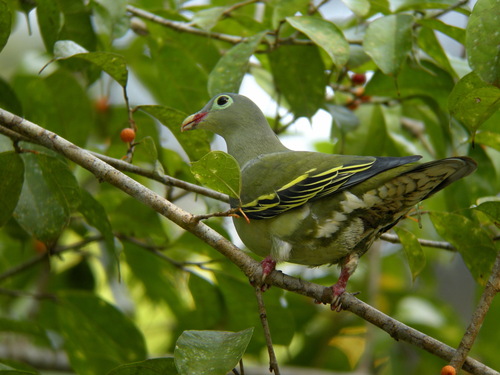
ハシブトアオバト (Treron curvirostra) ハシブトアオバト
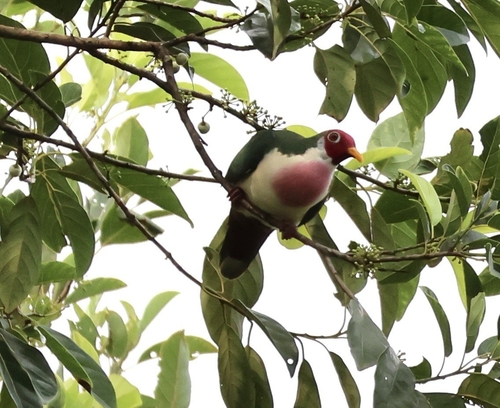
ボタンバト (Ramphiculus jambu) ボタンバト

メディア

読み込み中…

要点

ハシブトアオバトとボタンバトを区別する最も信頼できるフィールドマークは、頭部と尾羽のパターンの組み合わせです:ハシブトアオバトは灰色の冠、広い青緑色のアイリング、(オスでは)マルーンのマントルと栗色の尾羽を示しますが、ボタンバトのオスは鮮やかな深紅の顔、白いアイリング、チョコレートブラウンの尾羽を持っています。メスと幼鳥も異なりますが、尾羽と顔の色は重要です。飛んでいるときや止まっているときには、ハシブトアオバトの赤い基部を持つ厚い淡いくちばしと、ボタンバトのオレンジ色のくちばしと赤い脚に注意してください。両者は小さな緑色の鳩ですが、頭部、尾羽、翼の縁の色に注意を払うことで、すべての年齢と性別を区別できます。

識別のコツ

  1. Head Color (Adult Male): ボタンバトのオスは鮮やかな深紅の顔と黒いあごを持ち、ハシブトアオバトのオスは灰色の冠を持ち、顔に赤や紫はありません。これは近距離で最も目立つ違いです。
  2. Eye Ring: ハシブトアオバトは広い青緑色のアイリングを持ち、ボタンバトは白いアイリングを持っています。これは良い光の下でよく見え、両性に役立ちます。
  3. Bill Color: ハシブトアオバトは赤い基部を持つ厚い淡い緑色のくちばしを示し、ボタンバトは薄いオレンジ色のくちばしを持っています。くちばしの色は近距離または写真で確認できます。
  4. Undertail Pattern (Sex/Age): ハシブトアオバトのオスは鈍い栗色の尾羽覆いを持ち、メスは白い鱗を持つ緑色の尾羽を持っています。ボタンバトのオスはチョコレートブラウンの尾羽を持ち、メスはシナモンまたはバフの尾羽を示します。幼鳥のボタンバトも鈍い尾羽を示しますが、栗色ではありません。
  5. Mantle/Upper Back: オスのハシブトアオバトはマルーンのマントル(上背)を持ち、これはすべてのボタンバトにはありません。これは鳥が止まって背中が見える場合に強いマークです。
  6. Underparts: ボタンバトのオスはアイボリー白の下部にピンクの胸の斑点を持ち、ハシブトアオバトは両性ともに下部が緑色です。メスのボタンバトは鈍い緑色で白い腹部を持ちますが、ハシブトアオバトよりもまだ淡いです。
  7. Leg Color: ボタンバトは赤い脚を持ち、止まっているときに見えることがあります。ハシブトアオバトの脚の色は指定されていませんが、赤ではありません。
  8. Face Color (Female/Immature): メスのボタンバトは鈍い紫の顔と暗いあごを持ち、幼鳥は緑の顔を持っています。ハシブトアオバトの両性は灰色の冠と緑の顔を持ち、決して紫や深紅ではありません。
  9. Wing Pattern: 両種は暗緑色の上翼を持っていますが、ハシブトアオバトは黒い初級と次級羽に黄色い外縁を持っています。この黄色い外縁は、特に良い光の下で飛行中または休息中に見えることがあります。ボタンバトの上部は無地の暗緑色です。
  10. Thighs: ハシブトアオバトは白い鱗を持つ暗緑色の太ももを持ち、近距離で見えます。ボタンバトについては記述されていません。
  11. Behavior: 両種は内気ですが、ハシブトアオバトは枝を歩いているのが見られることがありますが、ボタンバトはより頻繁に止まっているか、樹冠や落ちた果物で餌を食べています。
  12. Size/Jizz: 両者は小さく、ふっくらした鳩です;サイズはフィールドでの信頼できる区別にはなりません。
  13. Habitat: 両者は低地の森林とマングローブに生息します。ボタンバトはスンダ地域(マレー半島、スマトラ、ボルネオ、ジャワ)により制限されているのに対し、ハシブトアオバトはより広範囲に分布していますが、両者が生息する場所では信頼できません。
  14. Voice: ボタンバトは柔らかく低いクーという声を出します;ハシブトアオバトの声はここでは記述されていないため、声に頼らないでください。
  15. Pitfalls: 幼鳥のボタンバトはメスのハシブトアオバトに似て見えることがありますが、常に顔の色(幼鳥のボタンバトは緑、ハシブトアオバトは灰色の冠)、尾羽(ボタンバトには決して栗色ではない)、およびくちばし/アイリングの色を確認してください。

大きさ

両種は小さな緑色の鳩で、ボタンバトは長さ23–27 cm、ハシブトアオバトは26 cm未満です。彼らのサイズの重なりはほぼ完全で、信頼できるフィールドマークではありません。ボタンバトはふっくらして小さな頭を持つと記述されていますが、これは微妙でフィールドでは見逃されやすいです。体重はボタンバトについてのみ(約42 g)記載されていますが、これは実用的なフィールドの手がかりではありません。

羽色

行動

両種は一般的に内気で目立たず、樹冠で静かに餌を食べています。ハシブトアオバトはイチジクを食べながら枝をゆっくり歩くことで知られています。ボタンバトは通常、単独またはペアで見られ、時には果物の木で小さな群れを作ります。ボタンバトは木の中や地面で果物を食べることができ、特に他の動物によって果物が落とされた場合にそうなります。行動の違いは微妙で、フィールドでは通常診断的ではありません。

生息環境

両種は東南アジアの低地森林とマングローブに重なります。ハシブトアオバトは東ヒマラヤから東南アジア、インド亜大陸まで広く分布していますが、ボタンバトはマレー半島、スマトラ、ボルネオ、ジャワに制限されています。両者は低地の熱帯雨林とマングローブを好みますが、ボタンバトは1500 mまでの二次林にも見られます。生息地だけでは、分布が重なる場所では信頼できる区別にはなりません。

声

ボタンバトは柔らかく低いクーという声を出します。提供されたメモにはハシブトアオバトの声についての記述はないため、この情報では声は信頼できる区別にはなりません。

より良い説明を送る

比較と同じ項目を使ってください。文章はすぐに公開されます。

The most reliable field mark to separate Thick-billed Green-Pigeon from Jambu Fruit-Dove is the combination of head and undertail pattern: Thick-billed Green-Pigeon shows a grey crown, broad bluish-green eye ring, and (in males) a maroon mantle and chestnut undertail, while Jambu Fruit-Dove males have a striking crimson face, white eye ring, and chocolate brown undertail. Females and immatures differ as well, but undertail and face color remain key. In flight or perched, note the thick, pale bill with red base on Thick-billed, versus the orange bill and red legs of Jambu. Both are small green pigeons, but careful attention to head, undertail, and wing edge coloration will separate all ages and sexes.

  1. Head Color (Adult Male): Jambu Fruit-Dove males have a vivid crimson face and black chin, while Thick-billed Green-Pigeon males have a grey crown and lack any red or purple on the face. This is the single most striking difference at close range.
  2. Eye Ring: Thick-billed Green-Pigeon has a broad bluish-green eye ring; Jambu Fruit-Dove has a white eye ring. This can be seen well in good light and is useful for both sexes.
  3. Bill Color: Thick-billed Green-Pigeon shows a thick, pale greenish bill with a red base; Jambu Fruit-Dove has a thinner orange bill. Bill color is visible at close range or in photos.
  4. Undertail Pattern (Sex/Age): Thick-billed Green-Pigeon males have dull chestnut undertail coverts; females have greenish undertail with whitish scales. Jambu Fruit-Dove males have a chocolate brown undertail; females show cinnamon or buff undertail. Immature Jambu Fruit-Doves also show a dull undertail, but not chestnut.
  5. Mantle/Upper Back: Male Thick-billed Green-Pigeon has a maroon mantle (upper back), absent in all Jambu Fruit-Doves. This is a strong mark if the bird is perched with back visible.
  6. Underparts: Jambu Fruit-Dove males have ivory white underparts with a pink breast patch; Thick-billed Green-Pigeon is green below in both sexes. Female Jambu is dull green below with a white belly, but still paler than Thick-billed.
  7. Leg Color: Jambu Fruit-Dove has red legs, which can be visible when perched. Thick-billed Green-Pigeon leg color is not specified, but is not red.
  8. Face Color (Female/Immature): Female Jambu Fruit-Dove has a dull purple face with dark chin; immatures have a green face. Thick-billed Green-Pigeon of both sexes has a grey crown and green face, never purple or crimson.
  9. Wing Pattern: Both species have dark green upperwings, but Thick-billed Green-Pigeon has black primaries and secondaries with a yellow outer edge. This yellow edge may be visible in flight or at rest, especially in good light. Jambu Fruit-Dove upperparts are unmarked dark green.
  10. Thighs: Thick-billed Green-Pigeon has dark green thighs with whitish scales, visible at close range. Not described for Jambu Fruit-Dove.
  11. Behavior: Both species are shy, but Thick-billed Green-Pigeon may be seen walking along branches, while Jambu Fruit-Dove is more often perched or feeding in the canopy or on dropped fruit.
  12. Size/Jizz: Both are small, plump pigeons; size is not a reliable separator in the field.
  13. Habitat: Both occur in lowland forests and mangroves. Jambu Fruit-Dove is more restricted to the Sundaic region (Malay Peninsula, Sumatra, Borneo, Java), while Thick-billed Green-Pigeon ranges more widely, but this is not reliable where both occur.
  14. Voice: Jambu Fruit-Dove gives a soft, low coo; Thick-billed Green-Pigeon voice not described here, so do not rely on vocalization.
  15. Pitfalls: Immature Jambu Fruit-Doves can look similar to female Thick-billed Green-Pigeon, but always check for face color (green in immature Jambu, grey crown in Thick-billed), undertail (never chestnut in Jambu), and bill/eye ring color.

Both species are small green pigeons, with Jambu Fruit-Dove measuring 23–27 cm in length and Thick-billed Green-Pigeon slightly under 26 cm. Their size overlap is nearly complete and not a reliable field mark. Jambu Fruit-Dove is described as plump and small-headed, but this is subtle and easily missed in the field. Weight is only given for Jambu (about 42 g), but this is not a practical field cue.

  • Juvenile/Immature: Jambu Fruit-Dove immatures resemble females but have a green face, lacking the vivid adult male's crimson or female's purple face. Thick-billed Green-Pigeon immatures are not described in detail, but both sexes show green underparts and dark green thighs with whitish scales. No age-specific upperwing flight marks are described for either species, so focus on head and undertail.

  • Adult Male: Thick-billed Green-Pigeon males have a grey crown, broad bluish-green eye ring, maroon mantle (upper back), and dull chestnut undertail coverts. Jambu Fruit-Dove males have a crimson face with black chin, white eye ring, ivory underparts with a pink breast patch, and a chocolate brown undertail. Their upperparts are unmarked dark green.

  • Adult Female: Thick-billed Green-Pigeon females lack the maroon mantle and have greenish undertail coverts with whitish scales. Jambu Fruit-Dove females have a dull purple face with dark chin, dull green underparts, white belly, and cinnamon or buff undertail.

  • Bill and Eye Ring: Thick-billed Green-Pigeon has a thick, pale greenish bill with a red base and a broad bluish-green eye ring. Jambu Fruit-Dove has an orange bill, white eye ring, and red legs.

Both species are generally shy and inconspicuous, feeding quietly in the canopy. Thick-billed Green-Pigeon is known to walk slowly along branches while feeding on figs. Jambu Fruit-Dove is usually seen alone or in pairs, sometimes gathering in small flocks at fruiting trees. Jambu Fruit-Dove can feed on fruit both in trees and on the ground, especially if fruit is dropped by other animals. Behavioral differences are subtle and not usually diagnostic in the field.

Both species overlap in Southeast Asian lowland forests and mangroves. Thick-billed Green-Pigeon ranges more widely from the Eastern Himalayas through Southeast Asia, including the Indian subcontinent, while Jambu Fruit-Dove is restricted to the Malay Peninsula, Sumatra, Borneo, and Java. Both prefer lowland rainforests and mangroves, but Jambu Fruit-Dove is also found in secondary woodland up to 1,500 m. Habitat alone is not a reliable separator where ranges overlap.

Jambu Fruit-Dove gives a soft, low coo. No vocalization is described for Thick-billed Green-Pigeon in the provided notes, so voice is not a reliable separator with this information.

変更を破棄しますか?

保存していない編集があります。今離れると失われます。

ハシブトアオバト · ボタンバト · 苦手な鳥