

Motmot

ハシブトハナドリ 対 キバラハナドリ

Pachyglossa agilis 対 Pachyglossa melanozantha

ハシブトハナドリとキバラハナドリのクイズ
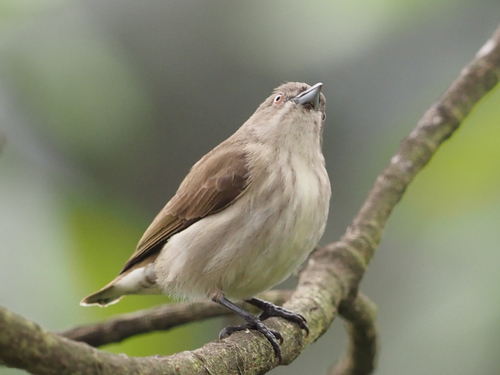
ハシブトハナドリ (Pachyglossa agilis) ハシブトハナドリ
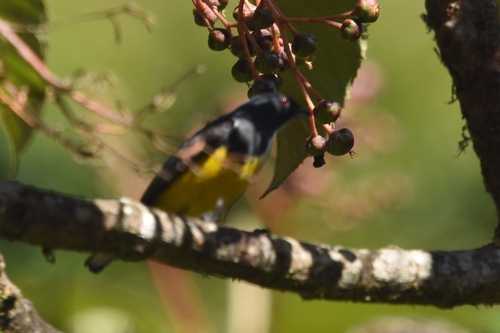
キバラハナドリ (Pachyglossa melanozantha) キバラハナドリ

メディア

読み込み中…

要点

ハシブトハナドリとキバラハナドリを区別するための最も信頼できるフィールドマークは、腹部の色です:ハシブトは鈍い灰色で、バフィーな腹部に拡散した縞模様がありますが、キバラは明確な黄色の腹部を示します。どちらも小さく、活発な樹冠の鳥で、短い尾と似た構造を持っていますが、ハシブトは著しく太く、重いくちばしと微妙な尾の模様(白っぽい尾の先端)を持っています。幼鳥のハシブトは下側がより淡い色で、縞模様が少なくなりますが、依然としてキバラの強い黄色は欠けています。明るい黄色の腹部を持つハナドリを見た場合、それはハシブトではありません。

識別のコツ

  1. Underparts color is the most reliable field mark: ハシブトは明るい黄色の腹部を示すことは決してなく、その腹部は鈍い灰色で、バフィーな部分に拡散した縞模様があります。キバラは常に明確な黄色の腹部を示し、遠くからでも目立ちます。
  2. Bill structure: ハシブトはキバラよりも明らかに太く、重いくちばしを持っています。特に横から見たときに、太くて暗いくちばしを持つハナドリを見た場合、ハシブトを優先してください。
  3. Tail pattern: ハシブトは尾羽の先端に白っぽい斑点を示し、尾を広げたり良い光の中で見えることがあります。これはキバラには記載されていません。
  4. Juvenile confusion: 幼いハシブトは下側がより淡い色で、縞模様が少なくなりますが、依然として黄色の洗い流しはありません。淡い腹部のハナドリを見た場合、黄色のトーンを確認してください—欠如はハシブトを示唆します。
  5. Sexes similar: 両種はフィールドで性別が同じなので、性に基づく違いに頼らないでください。
  6. No strong wing pattern difference: どちらの種も、いかなる年齢においても特徴的な上翼のマークを持っているとは記載されていないので、翼のパネル、三角形、または後縁に頼らないでください。
  7. Perched jizz: 両方とも短い尾とコンパクトな体形ですが、ハシブトはそのくちばしと頭のためにわずかに大きく見えるかもしれません。
  8. Foraging height and behavior: 両方とも樹冠で活発に餌を探します。ハシブトは尾を左右に振ることや、枝の上で種を拭くことが注目されていますが、これらの行動は微妙で、常に見えるわけではありません。
  9. Habitat overlap: 両方とも森林や林縁に生息し、ハシブトは時々より開けたまたは耕作された地域にいます。生息地は範囲が重なる場合の安全な区別ではありません。
  10. Vocalizations: ハシブトの鳴き声と歌だけが記載されており、「スピック」という鳴き声の欠如はキバラを確認するものではありませんが、存在はハシブトを示唆するかもしれません。
  11. Subspecies variation: 一部のハシブトの亜種(例:スリランカ)は、上面が小さくて暗いですが、これは地域的にのみ関連し、主な腹部のコントラストには影響しません。
  12. Iris color: ハシブトは赤みがかった虹彩を持っていると記載されていますが、これはフィールドではほとんど見えず、キバラには言及されていません。
  13. Crown display: ハシブトのオスはディスプレイ時に白い冠のストライプを示すことがありますが、これはめったに見られず、実用的なフィールドマークではありません。
  14. Nest placement and structure: 巣の行動を注意深く観察していない限り、フィールドIDには役立ちません。
  15. If in doubt, focus on underparts color and bill shape: これらはすべての季節と年齢で最も一貫して信頼できるマークです。

大きさ

両種は非常に小さなハナドリで、ハシブトは約10 cmの長さです[wikipedia]。キバラの直接的なサイズ比較は利用できませんが、両方ともその範囲で最も小さなスズメ目の一部であり、全体的なサイズと比率は似ています。スリランカのハシブト亜種は小さくて暗いとされていますが、これは地域的にのみ関連します。サイズはフィールドでの信頼できる区別点ではありません。

羽色

成鳥のハシブトハナドリは上面が暗い灰褐色で、鈍い灰色で拡散したバフィーな腹部を持ち、わずかにオリーブ色の尾羽(標準亜種)があります。くちばしは暗くて重く、尾の先端には白っぽい斑点があります。性別は同じです。幼鳥は下側がより淡い色で、下顎の基部が淡く、縞模様が少なくなりますが、依然として強い黄色は欠けています。対照的に、キバラハナドリ(名前とすべての情報源による)は明確な黄色の腹部を示し、これはすべての年齢のハシブトには存在しません。どちらの種にも詳細な翼の模様や年齢特有の上翼のマークは記載されていないため、区別は腹部の色とくちばしの構造に依存します。黄色の腹部を持つハナドリを見た場合、それはキバラです;腹部が鈍くて縞模様がある場合、それはハシブトです。

行動

両種は活発で、樹冠で餌を探すハナドリであり、果物や蜜を食べるために高い木の中でよく見られます。ハシブトは止まっているときに尾を左右に振ることや、ミスルトウの種を丸呑みするのではなく枝の上で拭くことが注目されています。ハシブトはアカハシハナドリ(ここでは比較されていません)よりも高い位置で餌を探すことが多いですが、キバラとの直接的な行動の違いは記載されていません。両方ともエネルギッシュで、長時間観察するのが難しいかもしれません。

生息環境

両種は南アジアおよび東南アジアの森林や林縁に生息しています。ハシブトはインドからインドネシア、ティモールまで見られ、標準亜種はより開けたまたは耕作された地域に、他の亜種はより密な低地の森林に生息しています。キバラは東ヒマラヤから東南アジアにかけて見られ、いくつかの地域でハシブトと重なっています。生息地だけでは診断的ではありませんが、ハシブトはその範囲の一部で開けたまたは耕作された地域にいる可能性が高いです。

声

ハシブトは頻繁に「スピック」と呼ばれる鳴き声を出し、アシハシハナドリに似た音のある長い歌を持っています。キバラに関する鳴き声の記載はなく、したがって声は利用可能な情報に基づく信頼できる区別点ではありません。

より良い説明を送る

比較と同じ項目を使ってください。文章はすぐに公開されます。

The most reliable field mark to separate Thick-billed from Yellow-bellied Flowerpecker is the underparts color: Thick-billed is dull greyish with diffuse streaking on buffy underparts, while Yellow-bellied shows a clear yellow belly. Both are tiny, active canopy birds with short tails and similar structure, but Thick-billed has a notably stouter, heavier bill and subtle tail patterning (whitish tail tips). Juvenile Thick-billeds are paler below with fewer streaks, but still lack the strong yellow of Yellow-bellied. If you see a flowerpecker with a bright yellow belly, it's not Thick-billed.

  1. Underparts color is the most reliable field mark: Thick-billed never shows a bright yellow belly; its underparts are dull greyish with diffuse streaking on buffy, sometimes appearing dirty or washed out. Yellow-bellied always shows a clear yellow belly, which stands out even at a distance.
  2. Bill structure: Thick-billed has a noticeably stouter, heavier bill than Yellow-bellied. If you see a flowerpecker with a chunky, dark bill, especially in profile, favor Thick-billed.
  3. Tail pattern: Thick-billed shows whitish spots at the tips of the tail feathers, which may be visible when the tail is fanned or in good light. This is not described for Yellow-bellied.
  4. Juvenile confusion: Young Thick-billeds are paler below with less streaking, but still lack any yellow wash. If you see a pale-bellied flowerpecker, check for yellow tones—absence suggests Thick-billed.
  5. Sexes similar: Both species are sexually monomorphic in the field, so do not rely on sex-based differences.
  6. No strong wing pattern difference: Neither species is described as having distinctive upperwing marks in any age, so do not rely on wing panels, triangles, or trailing edges.
  7. Perched jizz: Both are short-tailed and compact, but Thick-billed may look slightly bulkier due to its bill and head.
  8. Foraging height and behavior: Both forage actively in the canopy. Thick-billed is noted for tail-jerking and for wiping seeds on branches, but these behaviors are subtle and not always visible.
  9. Habitat overlap: Both occur in forest and woodland, with Thick-billed sometimes in more open or cultivated areas. Habitat is not a safe separator where ranges overlap.
  10. Vocalizations: Only Thick-billed's call and song are described; absence of a 'spick' call does not confirm Yellow-bellied, but presence may suggest Thick-billed.
  11. Subspecies variation: Some Thick-billed subspecies (e.g., Sri Lankan) are smaller and darker above, but this is only relevant locally and does not affect the main underpart contrast.
  12. Iris color: Thick-billed is described as having a reddish iris, but this is rarely visible in the field and not mentioned for Yellow-bellied.
  13. Crown display: Thick-billed males may show a white crown stripe when displaying, but this is rarely seen and not a practical field mark.
  14. Nest placement and structure: Not useful for field ID unless you are observing nesting behavior closely.
  15. If in doubt, focus on underparts color and bill shape: These are the most consistently reliable marks in all seasons and ages.

Both species are very small flowerpeckers, about 10 cm long for Thick-billed [wikipedia]. No direct size comparison is available for Yellow-bellied, but both are among the smallest passerines in their range and are similar in overall size and proportions. The Sri Lankan Thick-billed subspecies is noted as smaller and darker, but this is only relevant locally. Size is not a reliable separation point in the field.

Adult Thick-billed Flowerpecker is dark grey-brown above, with dull greyish and diffusely streaked buffy underparts, and a slightly olive rump (in the nominate race). The bill is dark and heavy, and there are whitish spots at the tail tips. Sexes are alike. Juveniles are paler below, with a paler base to the mandible and less streaking, but still lack any strong yellow. In contrast, Yellow-bellied Flowerpecker (by name and all sources) shows a clear yellow belly, which is absent in all ages of Thick-billed. No detailed wing pattern or age-specific upperwing marks are described for either species, so separation relies on underpart color and bill structure. If you see a flowerpecker with a yellow belly, it is Yellow-bellied; if the underparts are dull and streaked, it's Thick-billed.

Both species are active, canopy-foraging flowerpeckers, often seen high in trees feeding on fruit and nectar. Thick-billed is noted for jerking its tail side to side when perched and for wiping mistletoe seeds on branches rather than swallowing them whole. It frequently forages higher than Pale-billed Flowerpecker (not compared here), but no direct behavioral difference with Yellow-bellied is described. Both are energetic and may be hard to observe for long.

Both species occur in similar habitats—forests and woodland edges across South and Southeast Asia. Thick-billed is found from India to Indonesia and Timor, with the nominate race in more open or cultivated areas and other subspecies in denser lowland forests. Yellow-bellied is found from the eastern Himalayas through Southeast Asia, overlapping with Thick-billed in some regions. Habitat alone is not diagnostic, but Thick-billed may be more likely in open or cultivated areas in parts of its range.

Thick-billed gives a frequent 'spick' call and has a rambling song with notes resembling Ashy Prinia. No vocal description is given for Yellow-bellied, so voice is not a reliable separation point based on available information.

変更を破棄しますか?

保存していない編集があります。今離れると失われます。

ハシブトハナドリ · キバラハナドリ · 苦手な鳥