

Motmot

モリフクロウ 対 フクロウ

Strix aluco 対 Strix uralensis

モリフクロウとフクロウのクイズ
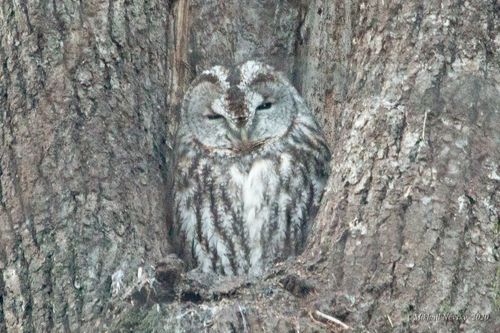
モリフクロウ (Strix aluco) モリフクロウ
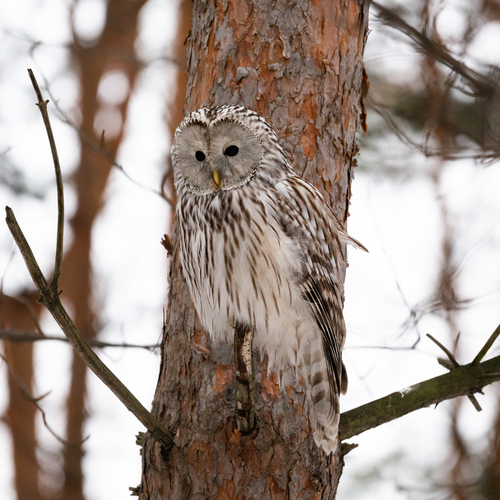
フクロウ (Strix uralensis) フクロウ

メディア

読み込み中…

要点

モリフクロウとフクロウを区別する最も信頼できるフィールドマークはサイズと構造です:フクロウははるかに大きく、目立って長い尾とより細長いシルエットを持っていますが、モリフクロウはずんぐりしていて、比較的大きく丸い頭を持つよりコンパクトです。すべての羽色において、モリフクロウは暗い筋模様と横縞のある淡い腹部を示しますが、フクロウは下に重い、まっすぐな筋模様があります。飛行中、フクロウの長い尾と広い翼が際立ち、モリフクロウは短い尾でより丸みを帯びて見えます。両種は耳の房がなく、似たような丸い頭のプロファイルを持っていますが、全体の比率と尾の長さがフィールドでの鍵となります。

識別のコツ

  1. Size and structure: フクロウはモリフクロウよりもはるかに大きく、長い尾を持っています。もし鳥が止まっているのを見たら、尾が折りたたまれた翼をどれだけ超えているかを確認してください—フクロウの尾は目立って長いですが、モリフクロウの尾は短く、ほとんど突き出ていません。
  2. Jizz in flight: フクロウは飛行中に細長く、長い尾を持っているように見え、広い翼とより伸びたシルエットを持っています。モリフクロウはコンパクトで、丸い翼と短い尾を持ち、ずんぐりした外観を与えます。
  3. Head and facial disc: 両種は耳の房がなく、丸い頭を持っていますが、モリフクロウの頭は体のサイズに対して相対的に大きく、丸いです。フクロウの顔の円盤は顔に対して相対的に大きいですが、カラフトフクロウほど明らかに大きくはありません。
  4. Underpart pattern: モリフクロウは淡い腹部に暗い筋模様と横縞を示します(すべての形態と年齢で)。フクロウは腹部に重い、まっすぐな筋模様があり、横縞が欠けています—これは微妙ですが一貫した違いです。
  5. Upperpart coloration: モリフクロウは上面が赤褐色または灰褐色で、時には中間的な色合いを持っています。フクロウは一般的に上面がより淡い灰褐色で、赤褐色が少ないです。
  6. Facial disc markings: 両種は同心円状の縞模様のない平坦な顔の円盤を持っているため(バードやカラフトフクロウとは異なり)、これは両者の間での診断にはなりません。
  7. Tail length: フクロウの尾は長く、くさび形で、休んでいるときに翼を超えてよく突き出ます。モリフクロウの尾は短く、四角く、止まっているときに翼の先端を超えてほとんど見えません。
  8. Relative head size: モリフクロウの頭は体に対して大きく見え、ずんぐりした外観を強調します。フクロウの頭は長い体と尾に対して相対的に小さいです。
  9. Flight style: モリフクロウの飛行は重く、遅く、特に離陸時に、他のフクロウよりも波打ちが少なく、羽ばたきが少ないです。フクロウの飛行は詳細には説明されていませんが、そのサイズと尾の長さは、より浮遊感があり、細長く見えるようにします。
  10. Sexual dimorphism: モリフクロウの雌は雄よりもかなり大きいですが、両方の性別は依然としてフクロウよりもはるかに小さいです。
  11. Habitat context: 西ヨーロッパでは、モリフクロウは小さな森や都市公園にいる可能性が高いですが、フクロウは稀で広大な森林を好みます。
  12. Season and age: どちらの種にも特徴的な幼鳥や初冬の翼の模様は記載されていないため、すべての年齢での構造と腹部の筋模様に焦点を当ててください。
  13. Plumage morphs: モリフクロウの茶色と灰色の形態は混乱を引き起こす可能性がありますが、どちらもフクロウよりも小さく、短い尾を持っています。
  14. Confusion risk: 深い森で大きく、長い尾を持つ淡い茶色のフクロウを見たら、フクロウを疑ってください;もし鳥がコンパクトで短い尾を持ち、公園や小さな森林にいる場合、モリフクロウの可能性がはるかに高いです。
  15. Voice: これらのメモにはカバーされていないため、ここでの区別のために声に頼らないでください。

大きさ

モリフクロウは典型的な体重が約475 gの中型のフクロウであり、フクロウは明らかに大きいです(ここでは正確な体重は提供されていませんが、すべての情報源はそれがはるかに重く、長いことに同意しています)。モリフクロウは長さ37–46 cm、翼幅81–105 cmで、フクロウよりも明らかに小さく、よりコンパクトです。フクロウの長い尾は、止まっているときも飛行中も特に目立ち、より細長い外観を与えます。モリフクロウはずんぐりしていて、体のサイズに対して大きく丸い頭を持っています。

羽色

どちらの種にも年齢特有の上翼や飛行マークは記載されていないため、焦点は成鳥と一般的な羽色にあります。モリフクロウは茶色と灰色の形態があり、どちらも暗い筋模様と横縞のある淡い腹部を持っています。対照的に、フクロウは横縞のない重い、まっすぐな筋模様を腹部に持っています。モリフクロウの顔の円盤は平坦で丸いですが、フクロウの顔の円盤も丸いですが、顔に対して相対的に大きく、同心円状の縞模様が欠けています(これは類似種と区別する特徴ですが、モリフクロウとは区別しません)。両種は耳の房がありません。すべての年齢と形態において、モリフクロウの腹部はより淡く、より模様があり、フクロウの腹部はより重く、均等に筋模様があります。フクロウの上面は一般的に淡い灰褐色ですが、モリフクロウは赤褐色または灰褐色であることがあります。

行動

モリフクロウは重く、遅い羽ばたきで飛び、丸い翼で長い滑空を行い、他のフクロウよりも高い位置で飛ぶことが多いですが、ずんぐりしたコンパクトな外観を持っています。フクロウの飛行はここでは詳細には説明されていませんが、その長い尾と大きなサイズは、空中でより細長く、コンパクトでない外観を与えます。両者は夜行性ですが、フクロウは暖かい月の間に部分的に日中活動することがあります。止まっているとき、フクロウの長い尾はしばしば翼を超えて突き出ますが、モリフクロウの尾ははるかに短く、目立ちません。

生息環境

両種は森林のフクロウですが、モリフクロウはヨーロッパと西シベリアの森林に広く分布しており、より温暖な森林に多く見られます。フクロウは北方および混合森林により関連しており、寒冷またはより東の地域に多く見られます。範囲にはいくつかの重複がありますが、フクロウはより大きく、断片化されていない森林地帯を好む傾向があり、モリフクロウはより小さな森林地帯や公園にも適応しやすいです。

より良い説明を送る

比較と同じ項目を使ってください。文章はすぐに公開されます。

The most reliable field mark to separate Tawny Owl from Ural Owl is size and structure: Ural Owl is much larger, with a noticeably longer tail and more elongated silhouette, while Tawny Owl is stockier and more compact with a relatively larger, rounder head. In all plumages, Tawny Owl shows pale underparts with dark streaks and crossbars, whereas Ural Owl has heavier, straighter streaking below. In flight, Ural Owl’s longer tail and broader wings stand out, while Tawny Owl appears shorter-tailed and more rounded. Both species lack ear tufts and have similar round-headed profiles, but the overall proportions and tail length are key in the field.

  1. Size and structure: Ural Owl is much larger and longer-tailed than Tawny Owl. If you see the bird perched, check how far the tail extends beyond the folded wings—Ural Owl’s tail is conspicuously long, while Tawny’s is short and barely projects.
  2. Jizz in flight: Ural Owl appears elongated and long-tailed in flight, with broad wings and a more stretched silhouette. Tawny Owl is compact, with rounded wings and a short tail, giving a squat appearance.
  3. Head and facial disc: Both lack ear tufts and have round heads, but Tawny Owl’s head is proportionally larger and rounder for its body size. Ural Owl’s facial disc is larger relative to the face, but not as obviously oversized as in Great Grey Owl.
  4. Underpart pattern: Tawny Owl shows pale underparts with dark streaks and crossbars (in all morphs and ages). Ural Owl has heavier, straight streaks on the underparts, lacking the crossbars—this is a subtle but consistent difference.
  5. Upperpart coloration: Tawny Owl can be rufous-brown or greyish-brown above, sometimes with intermediate tones. Ural Owl is generally paler grey-brown above, with less rufous.
  6. Facial disc markings: Both have plain facial discs without concentric barring (unlike Barred or Great Grey Owl), so this is not diagnostic between them.
  7. Tail length: Ural Owl’s tail is long and wedge-shaped, often extending well beyond the wings at rest. Tawny Owl’s tail is short and squared-off, barely visible beyond the wing tips when perched.
  8. Relative head size: Tawny Owl’s head looks large for its body, enhancing its squat look. Ural Owl’s head is proportionally smaller compared to its long body and tail.
  9. Flight style: Tawny Owl’s flight is heavy and slow, especially at takeoff, with less undulation and fewer wingbeats than other owls. Ural Owl’s flight is not described in detail, but its size and tail length make it appear more buoyant and elongated.
  10. Sexual dimorphism: Tawny Owl females are significantly larger than males, but both sexes are still much smaller than Ural Owl.
  11. Habitat context: In western Europe, Tawny Owl is much more likely in smaller woods and urban parks, while Ural Owl is rare and prefers extensive forests.
  12. Season and age: No distinctive juvenile or first-winter wing patterns are described for either species, so focus on structure and underpart streaking in all ages.
  13. Plumage morphs: Tawny Owl’s brown and grey morphs can cause confusion, but both are smaller and shorter-tailed than Ural Owl.
  14. Confusion risk: If you see a large, long-tailed, pale brown owl in deep forest, suspect Ural Owl; if the bird is compact, short-tailed, and in a park or small woodland, Tawny Owl is far more likely.
  15. Voice: Not covered in these notes, so do not rely on vocalizations for separation here.

Tawny Owl is a medium-sized owl with a typical body mass around 475 g [wikidata], while Ural Owl is distinctly larger (though precise mass is not provided here, all sources agree it is much heavier and longer). Tawny Owl measures 37–46 cm in length with an 81–105 cm wingspan, and is noticeably smaller and more compact than Ural Owl. Ural Owl’s longer tail is especially conspicuous both perched and in flight, giving it a more elongated appearance. Tawny Owl is stocky and squat, with a large, rounded head relative to its body size.

No age-specific upperwing or flight marks are described for either species, so focus is on adult and general plumage. Tawny Owl comes in brown and grey morphs, both with pale underparts marked by dark streaks and crossbars. Ural Owl, by contrast, has heavier, straight streaks on the underparts without the crossbars. The facial disc of Tawny Owl is plain and round, while Ural Owl’s is also round but larger in proportion to the face, and lacks any concentric barring (a feature that distinguishes it from similar species, but not from Tawny). Both lack ear tufts. In all ages and morphs, Tawny Owl’s underparts are paler and more patterned, while Ural Owl’s are more heavily and evenly streaked. Ural Owl’s upperparts are generally paler grey-brown, while Tawny can be rufous or greyish brown.

Tawny Owl flies with heavy, slow wingbeats and long glides on rounded wings, often at a greater height than other owls, but with a squat, compact look. Ural Owl’s flight is not described in detail here, but its longer tail and larger size give it a more elongated, less compact jizz in the air. Both are nocturnal, but Ural Owl is sometimes partially diurnal in warmer months. Perched, Ural Owl’s long tail often protrudes well beyond the wings, while Tawny Owl’s tail is much shorter and less obvious.

Both species are woodland owls, but Tawny Owl is widespread in woodlands across Europe and western Siberia, often in more temperate forests. Ural Owl is more associated with boreal and mixed forests, often in colder or more eastern regions. There is some overlap in range, but Ural Owl tends to prefer larger, less fragmented tracts of forest, while Tawny Owl is more adaptable to smaller woodlots and even parks.

変更を破棄しますか?

保存していない編集があります。今離れると失われます。

モリフクロウ · フクロウ · 苦手な鳥