

Motmot

モリフクロウ 対 コミミズク

Strix aluco 対 Asio flammeus

モリフクロウとコミミズクのクイズ
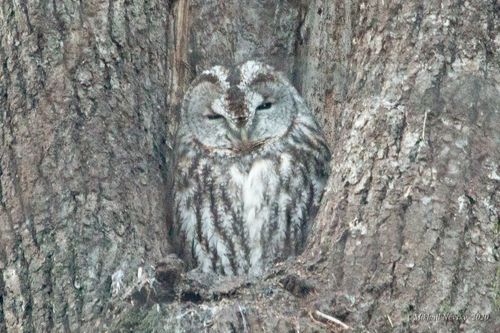
モリフクロウ (Strix aluco) モリフクロウ
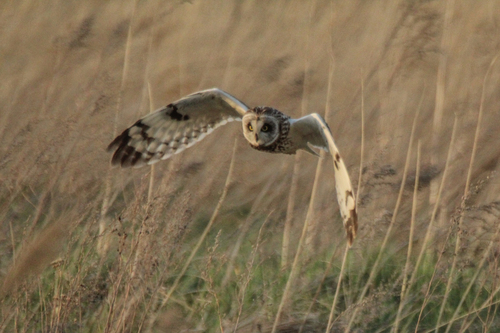
コミミズク (Asio flammeus) コミミズク

メディア

読み込み中…

要点

モリフクロウとコミミズクを区別する最も信頼できるフィールドマークは、全体的な構造と飛行スタイルです:モリフクロウは、ずんぐりとした形状と丸い翼を持つ、がっしりとした広頭の森林のフクロウであり、一方、コミミズクはスリムで、翼が長く、しばしば開けた土地で「蛾のように」またはフラフラと飛んでいるように見えます。飛行中、コミミズク(すべての年齢)は淡い上翼の一次パッチと翼の大胆な白い後縁を示し、これはモリフクロウにはありません。モリフクロウは厳密に夜行性で、昼間に飛んでいるのはめったに見られませんが、コミミズクはしばしば夜明けと夕暮れに活動します。止まっているとき、モリフクロウは暗い茶色の目を持つ平坦で丸い顔を持ち、コミミズクは黄色い目と黒い「マスカラ」マークを持つ印象的な顔の円盤を持っています。

識別のコツ

  1. Flight pattern: コミミズクはフラフラとした浮遊感のある「蛾のような」飛行をし、不規則な翼の打撃で、開けた野原で昼間によく見られます。モリフクロウは重く、遅く、滑空するような翼の打撃で飛び、通常は夜間に、開けた場所ではめったに飛びません。
  2. Upperwing pattern in flight (all ages): コミミズクは飛行中に淡い一次パッチと上翼の広い白い後縁を示します;モリフクロウの翼は無地の茶色または灰色で、はっきりしたパターンはありません。
  3. Tail pattern: コミミズクは飛行中に目立つ縞模様の尾を持っています;モリフクロウの尾はあまりはっきりとしたマークはありません。
  4. Underwing pattern: コミミズクはしばしば最も内側の二次羽に暗いマークを示し、一次羽の先端がよりはっきりとした暗い色を持っています;モリフクロウの下羽は無地で強いコントラストがありません。
  5. Underpart streaking: モリフクロウは下部全体に縞模様があります;コミミズクの縞模様は上胸部に限られ、腹部はより淡く、あまりマークがありません。
  6. Facial disc and eye color: モリフクロウは暗い茶色の目を持つ平坦で丸い顔の円盤を持っています;コミミズクは印象的な黄色い目と大胆な黒い「マスカラ」マークを持つ淡い顔の円盤を持っています。
  7. Ear tufts: モリフクロウは耳の房がありません;コミミズクは短い耳の房を持っていますが、めったに見えず、信頼できるフィールドマークではありません。
  8. Structure and jizz: モリフクロウはコンパクトで広頭、ずんぐりとした形状で、丸い翼を持っています;コミミズクはスリムで、翼が長く、尾が長く、飛行中により細長く見えることがよくあります。
  9. Perched posture: モリフクロウは木の中で深く座り、しばしば丸まって目立たなくなります;コミミズクは開けた土地や低いポストにオープンに止まります。
  10. Habitat: 森林や公園はモリフクロウに強く好まれます;開けた草原、湿地、またはツンドラはコミミズクを指し示します。
  11. Activity period: 昼間または薄明かりの活動は開けた場所ではコミミズクに典型的です;モリフクロウはほぼ完全に夜行性です。
  12. Size impression: モリフクロウはより重く、がっしりしていますが、コミミズクの長い翼は飛行中により大きく見えることがあります。
  13. Sexual dimorphism: 両種とも雌が雄より大きいですが、これは実用的なフィールドマークではありません。
  14. Plumage morphs: モリフクロウは茶色または灰色ですが、両方の形態は無地で、コミミズクの大胆な翼/尾のパターンはありません。
  15. Pitfalls: 未成熟のモリフクロウはより淡く見えることがありますが、コミミズクの淡い翼パネルや大胆な尾の縞模様は決して示しません。コミミズクの耳の房はめったに見えないので、この特徴に頼らないでください。

大きさ

モリフクロウはより重く、がっしりしており、典型的な体重は約475 g [wikidata]、長さは37–46 cm、翼幅は81–105 cm [wikipedia]です。コミミズクは軽く(206–475 g)、わずかに短い(34–43 cm)ですが、同じかそれ以上の翼幅(85–110 cm)を持つことがあります [wikipedia]。フィールドでは、モリフクロウはより頑丈でコンパクトに見え、コミミズクはスリムでより細長く見え、特に翼において顕著です。

羽色

年齢特有の上翼パターンが重要です:すべての年齢のコミミズクは、飛行中に上翼に明らかな淡い一次パッチを示し、翼の後縁に沿って広い白い帯があります—これらはモリフクロウにはありません。コミミズクはまた、より大胆な尾の縞模様と最も内側の二次羽に暗いマークを持ち、下羽にコントラストを生み出します。モリフクロウは年齢や形態に関係なく、無地の茶色または灰色の上部を持ち、はっきりした翼や尾のパターンはなく、下部は淡く茶色の縞模様があります。コミミズクの下部は上胸部にのみ縞模様があり、下に向かって薄くなりますが、モリフクロウは全体に縞模様があります。顔の円盤は異なります:モリフクロウのものは無地で丸く、暗い茶色の目を持ち、コミミズクのものは淡く、黄色い目と大胆な黒い目のマークを持っています。耳の房はコミミズクではめったに見えず、モリフクロウではありません。

行動

モリフクロウは厳密に夜行性で、夜以外は飛んでいるのはめったに見られず、通常は木の間を重く、ゆっくりと滑空します。コミミズクは薄明かりで、昼間に開けた野原でしばしば狩りをし、浮遊感のあるフラフラとした「蛾のような」飛行をします。モリフクロウは森林の奥深くに止まり、コミミズクは開けた土地で低くまたは地面に止まることがよくあります。コミミズクは繁殖期に緩い群れを作ることがありますが、モリフクロウはそうではありません。

生息環境

モリフクロウは森林の専門家であり、ヨーロッパと西シベリアの森林や木々の多い公園に生息しています。コミミズクは開けた生息地—草原、牧草地、湿地、ツンドラ—を好み、密な森林を避けます。開けた土地で鳥を見つけることはコミミズクを強く支持し、成熟した森林ではモリフクロウの方がはるかに可能性が高いです。

声

メモには直接の比較はありません。両種とも声を出しますが、その呼び声は異なり、フィールドで混同される可能性は低いです。

より良い説明を送る

比較と同じ項目を使ってください。文章はすぐに公開されます。

The most reliable field mark to separate Tawny Owl from Short-eared Owl is overall structure and flight style: Tawny Owl is a stocky, broad-headed woodland owl with a squat shape and rounded wings, while Short-eared Owl is slimmer, longer-winged, and often appears 'moth-like' or floppy in flight over open country. In flight, Short-eared Owl (all ages) shows pale upperwing primary patches and a bold white trailing edge to the wing, which Tawny Owl lacks. Tawny Owl is strictly nocturnal and rarely seen flying in daylight, while Short-eared Owl is often active at dawn and dusk. Perched, Tawny Owl has a plain, rounded face with dark brown eyes, while Short-eared Owl has a striking facial disc with yellow eyes and black 'mascara' marks.

  1. Flight pattern: Short-eared Owl has a floppy, buoyant, 'moth-like' flight with irregular wingbeats, often seen in daylight over open fields. Tawny Owl flies with heavy, slow, gliding wingbeats, usually at night and rarely in open areas.
  2. Upperwing pattern in flight (all ages): Short-eared Owl shows pale primary patches and a broad white trailing edge on the upperwing; Tawny Owl's wings are plain brown or grey with no bold pattern.
  3. Tail pattern: Short-eared Owl has a boldly barred tail visible in flight; Tawny Owl's tail is less distinctly marked.
  4. Underwing pattern: Short-eared Owl often shows dark marks on the innermost secondaries and bolder dark tips to the primaries; Tawny Owl's underwing is plain and lacks strong contrast.
  5. Underpart streaking: Tawny Owl is streaked throughout the underparts; Short-eared Owl's streaking is limited to the upper breast, with the belly paler and less marked.
  6. Facial disc and eye color: Tawny Owl has a plain, rounded facial disc with dark brown eyes; Short-eared Owl has a pale facial disc with striking yellow eyes and bold black 'mascara' marks.
  7. Ear tufts: Tawny Owl lacks ear tufts; Short-eared Owl has short ear tufts that are rarely visible and not a reliable field mark.
  8. Structure and jizz: Tawny Owl is compact, broad-headed, and squat, with rounded wings; Short-eared Owl is slimmer, longer-winged, and longer-tailed, often appearing more elongated in flight.
  9. Perched posture: Tawny Owl sits deep in trees, often hunched and inconspicuous; Short-eared Owl perches openly on the ground or low posts in open country.
  10. Habitat: Woodland or parkland strongly favors Tawny Owl; open grassland, marsh, or tundra points to Short-eared Owl.
  11. Activity period: Daytime or crepuscular activity in open areas is typical for Short-eared Owl; Tawny Owl is almost exclusively nocturnal.
  12. Size impression: Tawny Owl is heavier and bulkier, but Short-eared Owl's longer wings can make it appear larger in flight.
  13. Sexual dimorphism: Both species have females larger than males, but this is not a practical field mark.
  14. Plumage morphs: Tawny Owl can be brown or grey, but both morphs are plain and lack the bold wing/tail patterns of Short-eared Owl.
  15. Pitfalls: Immature Tawny Owls may appear paler, but never show the pale wing panels or bold tail barring of Short-eared Owl. Short-eared Owl's ear tufts are rarely visible, so do not rely on this feature.

Tawny Owl is heavier and bulkier, with a typical body mass around 475 g [wikidata], and a length of 37–46 cm and wingspan of 81–105 cm [wikipedia]. Short-eared Owl is lighter (206–475 g), slightly shorter (34–43 cm), but can have a similar or even longer wingspan (85–110 cm) [wikipedia]. In the field, Tawny Owl looks more robust and compact, while Short-eared Owl appears slimmer and more elongated, especially in the wings.

Age-specific upperwing pattern is key: Short-eared Owl of all ages shows obvious pale primary patches on the upperwing in flight, plus a broad white band along the rear edge of the wing—these are absent in Tawny Owl. Short-eared also has bolder tail barring and dark marks on the innermost secondaries, creating contrast on the underwing. Tawny Owl, regardless of age or morph, has plain brown or greyish upperparts with no bold wing or tail pattern, and underparts are pale with brown streaks. Short-eared Owl's underparts are streaked only on the upper breast, fading below, while Tawny Owl is streaked throughout. Facial discs differ: Tawny Owl's is plain and rounded with dark brown eyes, Short-eared's is pale with yellow eyes and bold black eye markings. Ear tufts are rarely visible in Short-eared and absent in Tawny.

Tawny Owl is strictly nocturnal, rarely seen flying except at night, and typically glides heavily and slowly between trees. Short-eared Owl is crepuscular and often hunts in open fields during daylight, with a buoyant, floppy, 'moth-like' flight. Tawny Owl perches deep in woodland, while Short-eared Owl often perches low or on the ground in open country. Short-eared may gather in loose flocks in breeding season, which Tawny does not.

Tawny Owl is a woodland specialist, found in forests and wooded parks across Europe and western Siberia. Short-eared Owl favors open habitats—grasslands, meadows, marshes, and tundra—avoiding dense woodland. Finding a bird in open country strongly favors Short-eared; in mature woodland, Tawny is far more likely.

No direct comparison in the notes. Both species are vocal, but their calls are distinct and not likely to be confused in the field.

変更を破棄しますか?

保存していない編集があります。今離れると失われます。

モリフクロウ · コミミズク · 苦手な鳥