

Motmot

モリフクロウ 対 Maghreb Owl

Strix aluco 対 Strix mauritanica

モリフクロウとMaghreb Owlのクイズ
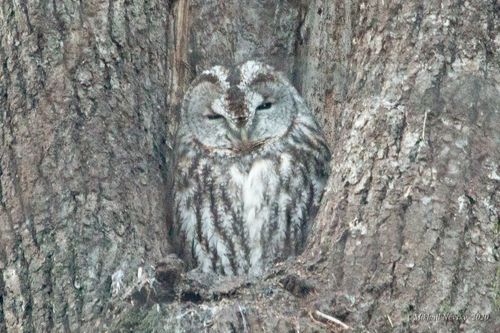
モリフクロウ (Strix aluco) モリフクロウ
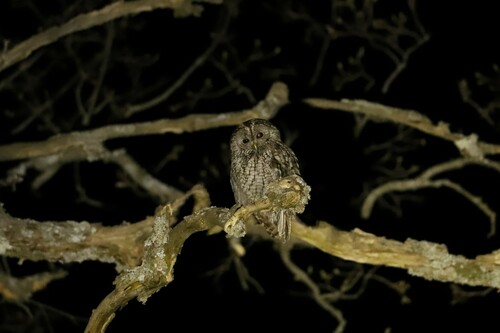
Maghreb Owl (Strix mauritanica) Maghreb Owl

メディア

読み込み中…

要点

モリフクロウとMaghreb Owlをフィールドで区別するのは非常に難しいです。両種は構造と羽毛が非常に似ており、幼鳥や未熟な翼のパターンにおいて明確に文書化された違いはありません。最も信頼できる区別は地理的なもので、モリフクロウはヨーロッパと西シベリアに分布し、Maghreb Owlは北アフリカに限定されています。両者は中型でがっしりとしたフクロウで、丸い頭を持ち、耳の房がなく、淡い腹部に暗い筋模様があり、変動する茶色または灰色の上面を示します。範囲情報がない場合、フィールドマークだけでは現在の知識では信頼できる診断にはなりません。

識別のコツ

  1. Geographic range is the most reliable separator: モリフクロウはヨーロッパと西シベリアに生息し、Maghreb Owlは北アフリカにのみ見られます。北アフリカの外にいる場合、ほぼ確実にモリフクロウを見ていることになります。
  2. Plumage is not diagnostic: 両種は淡い筋模様のある腹部と変動する茶色または灰色の上面を示し、耳の房がなく、平坦な顔の円盤を持っています。両種には(茶色と灰色の)両方の形態と中間的な個体が存在します。
  3. No known differences in juvenile or immature wing pattern: 幼鳥や未熟な翼のパターンにおいて文書化された違いはなく、上翼のパターン、尾の形、または換羽のタイミングにおいても違いはありません。そのため、若い鳥の飛行ビューは区別には役立ちません。
  4. Structure is extremely similar: 両者はがっしりとした中型のフクロウで、広く丸い翼と大きな丸い頭を持っています。くちばし、翼の形、尾の形はフィールドで異なりません。
  5. Sexual dimorphism is not useful: 両者とも雌は雄よりも大きく重いですが、これは直接比較なしでは実用的なフィールドマークではありません。
  6. Behavior is not diagnostic: 両種は遅く重い静かな滑空で飛び、森林の生息地で直立して止まります。
  7. Habitat overlap is limited: Maghreb Owlは北アフリカにのみ生息し、モリフクロウはヨーロッパとシベリアにのみ見られます。両者は森林を好みます。
  8. Vocalizations are not described as different in current sources: 新しい研究が出ない限り、呼び声や歌に頼って区別しないでください。
  9. If in doubt, use location: 範囲が重ならない地域では、識別は簡単です。稀な漂流のケースでは、専門家のレビューが必要です。
  10. Do not rely on subtle plumage shades: 両種は茶色と灰色の形態、そして中間的な個体を示すため、色は安全な区別にはなりません。
  11. Facial disc and eye color are similar: 両者は平坦な顔の円盤と暗い茶色の目を持っています。
  12. No unique field marks for immatures: 若い鳥は現在の文献ではフィールドマークによって区別できません。
  13. No difference in molt timing: 両者は6月から12月にかけて徐々に換羽します。
  14. No difference in flight jizz: 両者は似たような飛行スタイルと構造を示します。
  15. If you suspect a Maghreb Owl outside North Africa, document carefully and seek expert review.

大きさ

モリフクロウの文書化された平均体重は475g(成鳥)で、長さは37–46cm、翼幅は81–105cmです。Maghreb Owlの直接的な測定値はありませんが、モリフクロウとサイズと構造が似ていると記述されています。したがって、サイズは区別のための有用なフィールドマークではありません。

羽色

両種はすべての年齢と形態にわたって非常に似た羽毛を持っています:成鳥と未熟な個体は淡い筋模様のある腹部と変動する茶色または灰色の上面を示し、平坦で丸い顔の円盤と耳の房がありません。幼鳥や未熟な上翼のパターン、尾の形、または換羽のタイミングにおいて文書化された違いはありません。両種は性的二形性を持ち、雌は雄よりも大きく重いですが、これは実用的なフィールドマークではありません。6月から12月にかけての徐々に換羽することは共通しています。要約すると、羽毛はどの年齢や季節においても信頼できる診断にはなりません。

行動

両種は頑丈でがっしりとしたフクロウで、遅く重い静かな飛行をし、広く丸い翼で滑空します。彼らの飛行は他のユーラシアのフクロウよりも波打たず、翼の拍動が少なく、通常はより高い高さで飛びます。両者は直立して止まり、似たような夜間の狩猟行動を示します。両者の間に行動の違いは文書化されていません。

生息環境

モリフクロウはヨーロッパと西シベリアの森林に生息し、Maghreb Owlは北アフリカの生息地に限定されています。両者は森林地域を好みますが、Maghreb Owlは北アフリカにのみ生息します。ヨーロッパやシベリアで見られた場合、その鳥はほぼ確実にモリフクロウであり、北アフリカではおそらくMaghreb Owlです。

より良い説明を送る

比較と同じ項目を使ってください。文章はすぐに公開されます。

Separating Tawny Owl from Maghreb Owl in the field is extremely challenging, as both species are very similar in structure and plumage, with no well-documented differences in juvenile or immature wing patterns. The most reliable distinction is geographic: Tawny Owl is found across Europe and western Siberia, while Maghreb Owl is restricted to North Africa. Both are medium-sized, stocky owls with rounded heads, lacking ear tufts, and show pale underparts with dark streaks and variable brown or greyish upperparts. In the absence of range information, field marks alone are not reliably diagnostic with current knowledge.

  1. Geographic range is the most reliable separator: Tawny Owl occurs in Europe and western Siberia; Maghreb Owl is found only in North Africa. If you are outside North Africa, you are almost certainly seeing Tawny Owl.
  2. Plumage is not diagnostic: Both species show pale, streaked underparts and variable brown or greyish upperparts, with no ear tufts and a plain facial disc. Both morphs (brown and grey) and intermediate birds occur in both species.
  3. No known differences in juvenile or immature wing pattern: There are no documented differences in upperwing pattern, tail shape, or molt timing between the two, so flight views of young birds are not helpful for separation.
  4. Structure is extremely similar: Both are stocky, medium-sized owls with broad, rounded wings and a large, rounded head. Bill, wing formula, and tail shape do not differ in the field.
  5. Sexual dimorphism is not useful: Females are larger and heavier than males in both, but this is not a practical field mark without direct comparison.
  6. Behavior is not diagnostic: Both species fly with slow, heavy, silent glides and perch upright in wooded habitats.
  7. Habitat overlap is limited: Only Maghreb Owl occurs in North Africa; only Tawny Owl in Europe and Siberia. Both prefer woodlands.
  8. Vocalizations are not described as different in current sources: Do not rely on calls or songs for separation unless new research emerges.
  9. If in doubt, use location: In areas where ranges do not overlap, identification is straightforward. In rare cases of vagrancy, expert review is needed.
  10. Do not rely on subtle plumage shades: Both species show a range of brown and grey morphs, and intermediates, so color is not a safe separator.
  11. Facial disc and eye color are similar: Both have plain facial discs and dark brown eyes.
  12. No unique field marks for immatures: Young birds are not separable by field marks in current literature.
  13. No difference in molt timing: Both molt gradually from June to December.
  14. No difference in flight jizz: Both show similar flight style and structure.
  15. If you suspect a Maghreb Owl outside North Africa, document carefully and seek expert review.

Tawny Owl has a documented average body mass of 475 g (adults), with a length of 37–46 cm and a wingspan of 81–105 cm. No direct measurements are available for Maghreb Owl, but it is described as similar in size and structure to Tawny Owl. Thus, size is not a useful field mark for separation.

Both species have very similar plumage across all ages and morphs: adults and immatures show pale, streaked underparts and variable brown or greyish upperparts, with a plain, rounded facial disc and no ear tufts. There are no documented differences in juvenile or immature upperwing pattern, tail shape, or molt timing between the two. Both species are sexually dimorphic, with females larger and heavier than males, but this is not a practical field mark. The gradual molt from June to December is shared. In summary, plumage is not reliably diagnostic for any age or season.

Both species are robust, stocky owls with a slow, heavy, and silent flight, gliding on broad, rounded wings. Their flight is less undulating and with fewer wingbeats than other Eurasian owls, and they typically fly at greater height. Both perch upright and show similar nocturnal hunting behaviors. No behavioral differences are documented between the two.

Tawny Owl is found in woodlands across Europe and western Siberia, while Maghreb Owl is restricted to North African habitats. Both prefer wooded areas, but only the Maghreb Owl occurs in North Africa. If seen in Europe or Siberia, the bird is almost certainly a Tawny Owl; in North Africa, it is likely a Maghreb Owl.

変更を破棄しますか?

保存していない編集があります。今離れると失われます。

モリフクロウ · Maghreb Owl · 苦手な鳥