

Motmot

オジロビタキ 対 マダラヒタキ

Ficedula albicilla 対 Ficedula hypoleuca

オジロビタキとマダラヒタキのクイズ
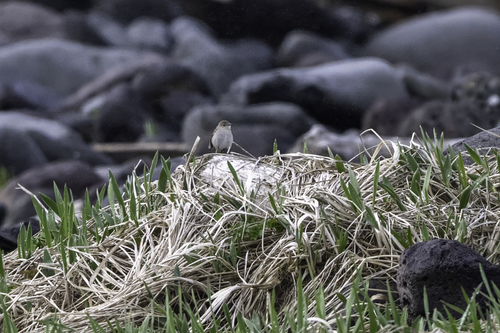
オジロビタキ (Ficedula albicilla) オジロビタキ
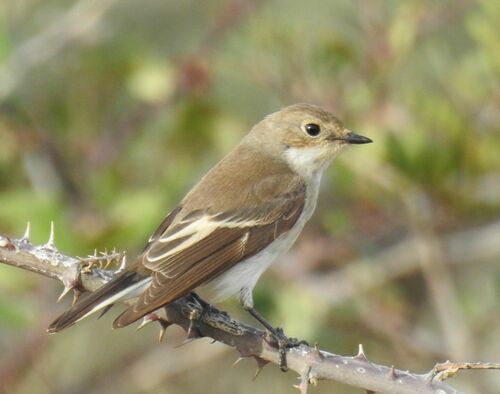
マダラヒタキ (Ficedula hypoleuca) マダラヒタキ

メディア

読み込み中…

要点

タイガヒタキとマダラヒタキの最も信頼できるフィールドマークは、繁殖羽衣のオスの喉の色です。タイガのオスは明確なオレンジレッドの喉を示しますが、マダラのオスは黒と白で赤はありません。メスと非繁殖の鳥はより難しいです; 尾の色と翼のパターンに注目してください。タイガヒタキのメスは白い縁のある黒っぽい尾を持ち、マダラヒタキのメスと幼鳥は茶色の尾と目立つ白い翼の斑点を持っています。幼鳥と非繁殖のマダラヒタキは特に混乱を招くことがあるため、尾と翼のパターンに注意を払うことが重要です。両種は小さく活発なヒタキですが、その微妙な違いは自信を持った同定にとって重要です。

識別のコツ

  1. Breeding male throat color: タイガヒタキのオスは明確なオレンジレッドの喉の斑点を示します(胸には及びません)、一方マダラヒタキのオスは赤を示さず、代わりに黒と白のコントラストを探してください。これは春/夏の最も簡単なマークです。
  2. Wing patch (all ages): マダラヒタキ(特にオスですが、メスや幼鳥も)は目立つ白い翼の斑点を示し、止まっている時も飛んでいる時も見えます。タイガヒタキは強い白い翼の斑点を欠いており、翼の淡い部分ははるかに目立ちません。
  3. Tail color (females/immatures): タイガヒタキのメスと幼鳥は白い縁のある黒っぽい尾を持っています。マダラヒタキのメスと幼鳥は白い側面のある茶色の尾を持っています。これは非繁殖の鳥にとっての重要なマークです。
  4. Tail pattern in flight: マダラヒタキは尾の白い側面を示し、飛行中にかなり目立つことがあります。タイガヒタキも尾に白がありますが、尾全体は黒っぽく、白はより縁に制限されています。
  5. Breast and underparts: タイガヒタキのメスは主に白い腹部を持つ淡い胸を持っています。マダラヒタキのメスは下側が白ですが、淡い洗いは欠いています。
  6. Head and ear coverts (breeding males): タイガヒタキのオスは耳の覆羽と首の側面に青灰色の色合いがあり、マダラヒタキのオスにはありません。
  7. Forehead patch (Pied Flycatcher males): マダラヒタキのオスは小さな(またはイベリアの鳥では大きな)白い額の斑点を持ち、タイガヒタキにはありません。
  8. Seasonal context: 繁殖シーズン中にヨーロッパで見られた場合、マダラヒタキの方がはるかに可能性が高いです。タイガヒタキは西ヨーロッパでは珍しい迷鳥ですが、アジアでは一般的です。
  9. Bill and structure: 両者は構造的に似ており、信頼できるくちばしの形や全体的な印象の違いはありません。
  10. Juvenile confusion: 幼鳥のマダラヒタキはタイガヒタキのメスに非常に似ていることがありますが、茶色の尾と強い白い翼の斑点の組み合わせはマダラを指し、黒っぽい尾と弱い翼のパネルはタイガを示唆します。
  11. Male breast color (breeding): マダラヒタキのオスは下側が白ですが、タイガヒタキのオスは赤い喉を持っていますが、他は白い腹部です。
  12. White in tail (perched): 尾の白の広がりと配置を探してください—マダラは側面にあり、タイガは縁にあります。
  13. No strong difference in size: フィールドでこれら二つを分けるためにサイズや形に頼らないでください。
  14. No vocalization cues provided: 鳴き声や歌は情報源には含まれていないため、視覚的なマークを使用してください。
  15. Hybrid confusion: マダラヒタキはシロエリヒタキと交雑することがありますが、これはタイガヒタキとの分離には影響しません。

大きさ

両種はサイズが似ており、マダラヒタキは体重が約12グラムの平均です [wikidata]。提供された情報源にはタイガヒタキの具体的な体重データはありませんが、構造的には両者とも小さくスリムなヒタキであり、フィールドで明らかな大きなサイズの違いはないと考えられます。

羽色

行動

両種は活発で昆虫食のヒタキであり、しばしば止まり木から飛び出して獲物を捕まえます。提供された情報源には診断的な行動の違いは記載されていません。

生息環境

タイガヒタキは北ユーラシアのタイガの森で繁殖し、南アジアおよび東南アジアで越冬します。マダラヒタキはヨーロッパのほとんどと西パレアールクティックで繁殖し、しばしば落葉樹または混合林で見られます。生息地の重複は移動中や迷鳥としては稀ですが、両者は通過中に森林の生息地で見られることがあります。

より良い説明を送る

比較と同じ項目を使ってください。文章はすぐに公開されます。

The most reliable field mark between Taiga Flycatcher and European Pied Flycatcher is the male's throat color in breeding plumage: Taiga males show a distinct orange-red throat, while Pied males are black-and-white with no red. Females and non-breeding birds are trickier; focus on tail color and wing pattern. Taiga Flycatcher females have a blackish tail with white edges, while Pied Flycatcher females and immatures have a brown tail and a prominent white wing patch. Juvenile and non-breeding Pied Flycatchers can be especially confusing, so careful attention to tail and wing pattern is essential. Both species are small, active flycatchers, but their subtle differences are critical for confident identification.

  1. Breeding male throat color: Taiga Flycatcher males show a clear orange-red throat patch (not extending to the breast), while Pied Flycatcher males never show red—look for black-and-white contrast instead. This is the most straightforward mark in spring/summer.
  2. Wing patch (all ages): Pied Flycatcher (especially males, but also females and immatures) shows a prominent white wing patch, visible both perched and in flight. Taiga Flycatcher lacks a strong white wing patch; any pale area on the wing is much less obvious.
  3. Tail color (females/immatures): Taiga Flycatcher females and immatures have a blackish tail with white edges. Pied Flycatcher females and immatures have a brown tail with white sides. This is a key mark for non-breeding birds.
  4. Tail pattern in flight: Pied Flycatcher shows white sides to the tail, which can be quite prominent in flight. Taiga Flycatcher also has white in the tail, but the tail is blackish overall, and the white is more restricted to the edges.
  5. Breast and underparts: Taiga Flycatcher females have a buffish breast with mostly white underparts. Pied Flycatcher females are white below but lack the buff wash.
  6. Head and ear coverts (breeding males): Taiga Flycatcher males have blue-grey tinges on the ear coverts and neck sides, which Pied Flycatcher males lack.
  7. Forehead patch (Pied Flycatcher males): Pied Flycatcher males have a small (or, in Iberian birds, larger) white forehead patch, absent in Taiga Flycatcher.
  8. Seasonal context: If seen in Europe during the breeding season, Pied Flycatcher is far more likely. Taiga Flycatcher is a rare vagrant in western Europe but regular in Asia.
  9. Bill and structure: Both are similar in structure, with no reliable difference in bill shape or overall jizz based on the sources.
  10. Juvenile confusion: Juvenile Pied Flycatchers can be very similar to Taiga Flycatcher females, but the combination of brown tail and strong white wing patch points to Pied, while a blackish tail and weak wing panel suggest Taiga.
  11. Male breast color (breeding): Pied Flycatcher males are white below, while Taiga Flycatcher males have a red throat but otherwise white underparts.
  12. White in tail (perched): Look for the extent and placement of white in the tail—Pied's is on the sides, Taiga's is on the edges.
  13. No strong difference in size: Do not rely on size or shape to separate these two in the field.
  14. No vocalization cues provided: Calls and songs are not covered in the sources, so use visual marks.
  15. Hybrid confusion: Pied Flycatcher can hybridize with Collared Flycatcher, but this does not affect separation from Taiga Flycatcher.

Both species are similar in size, with the European Pied Flycatcher averaging around 12 grams in body mass [wikidata]. There is no specific mass data for Taiga Flycatcher in the provided sources, but structurally they are both small, slim flycatchers with no major size difference likely to be apparent in the field.

  • Juvenile and non-breeding birds: Pied Flycatcher juveniles, females, and non-breeding males are pale brown above with a prominent white wing patch and white sides to the tail. Taiga Flycatcher females and immatures are brown above but lack a strong white wing patch; their tail is blackish with white flanks, not brown.
  • Adult breeding males: Pied Flycatcher males are strikingly black above and white below, with a large white wing patch, white tail sides, and a small white forehead patch. Taiga Flycatcher breeding males have blue-grey tinges on the head and a distinctive orange-red throat, with no large white wing patch and a blackish tail with white edges.
  • Females: Taiga Flycatcher females have brown upperparts, a blackish tail with white edges, and buffish breast. Pied Flycatcher females are brown above, with a brown tail and a prominent white wing patch, but lack the orange-red throat.
  • Tail color: Key difference—Taiga Flycatcher females/immatures have a blackish tail, Pied Flycatcher females/immatures have a brown tail.

Both species are active, insectivorous flycatchers, often sallying from perches to catch prey. No diagnostic behavioral differences are noted in the sources provided.

Taiga Flycatcher breeds in northern Eurasian taiga forests and winters in South and Southeast Asia. European Pied Flycatcher breeds in most of Europe and the Western Palearctic, often in deciduous or mixed woodlands. Habitat overlap is rare except on migration or as vagrants, but both can be found in wooded habitats during passage.

変更を破棄しますか?

保存していない編集があります。今離れると失われます。

オジロビタキ · マダラヒタキ · 苦手な鳥