

Motmot

オオヒシクイ 対 コザクラバシガン

Anser fabalis 対 Anser brachyrhynchus

オオヒシクイとコザクラバシガンのクイズ
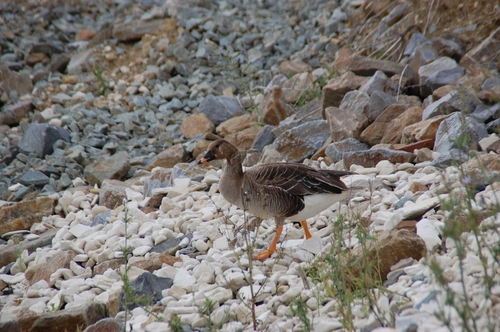
オオヒシクイ (Anser fabalis) オオヒシクイ
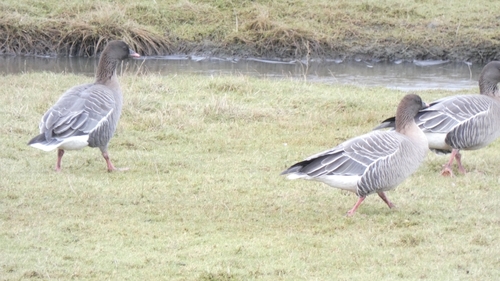
コザクラバシガン (Anser brachyrhynchus) コザクラバシガン

メディア

読み込み中…

要点

タガイアビーンガチョウとコザクラバシガンの最も信頼できるフィールドマークは、くちばしと足の色です:タガイアビーンガチョウはオレンジの帯と明るいオレンジの足を持つ黒いくちばしを示し、コザクラバシガンは明るいピンクの帯とピンクの足を持つ短いくちばしを持っています。飛んでいるときや休んでいるときに、コザクラバシガンはタガイアビーンガチョウの暗い茶色のカバーと比較して、より淡い青灰色の上翼カバーで目立ちます。構造とサイズも役立ちます:タガイアビーンガチョウは明らかに重くて長いですが、特に小型のタガイアビーンガチョウの亜種との重複に注意してください。両種は冬の群れで一緒に現れることがあるため、これらの詳細に注意を払うことが重要です。

識別のコツ

  1. Bill color and pattern: タガイアビーンガチョウは中央にオレンジの帯のある黒いくちばしを持ち、コザクラバシガンは明るいピンクの帯のある短いくちばしを持っています(オレンジではありません)。これは、すべての年齢と季節において近距離で最も信頼できるマークです。
  2. Leg and foot color: タガイアビーンガチョウは明るいオレンジの足と足を持ち、コザクラバシガンはピンクの足と足を持っています。これは、鳥が立っているときや歩いているときに良い光の中で見ることができます。
  3. Upperwing coverts in flight and at rest: コザクラバシガンは淡い青灰色の上翼カバーを示し(ハイイロガンのように)、タガイアビーンガチョウは狭い白い縁取りのある暗い茶色のカバーを持っています。このコントラストは、飛んでいる群れや翼を広げた鳥を見るときに特に役立ちます。
  4. Body and head coloration: コザクラバシガンは中灰色の茶色の体を持ち、明らかに暗くて豊かな茶色の頭と首を持ち、コントラストを生み出します。タガイアビーンガチョウはより均一に茶色で、体と頭/首の間のコントラストが少ないです。
  5. Tail pattern: コザクラバシガンは広い白い先端のある灰色の尾と白い腰と肛門を持っています。タガイアビーンガチョウは強い白い尾先端を欠き、腰のコントラストがあまり明確ではありません。
  6. Size and structure: タガイアビーンガチョウはより大きくて重く、体が長く、翼幅が広いです。しかし、小型のタガイアビーンガチョウの亜種や大型のコザクラバシガンとの重複に注意してください。サイズは混合群れ内での直接比較でのみ使用してください。
  7. Bill structure: コザクラバシガンはタガイアビーンガチョウよりも明らかに短いくちばしを持っています。これは距離があると微妙ですが、近距離または横から見ると明らかです。
  8. Flock behavior: コザクラバシガンは特にイギリスや北西ヨーロッパで農地で非常に大きく、密集した騒々しい群れを形成することで知られています。タガイアビーンガチョウの群れは通常小さく、密集していません。
  9. Vocalizations: コザクラバシガンからの高音でより音楽的な鳴き声を聞いてください、特に飛んでいるとき。タガイアビーンガチョウはより深く、共鳴する鳴き声を出します。
  10. Habitat and context: 北西ヨーロッパ、特にイギリスや隣接地域では、コザクラバシガンははるかに数が多く、大きな群れで見られる可能性が高いです。タガイアビーンガチョウはより希少で、より局所的で、しばしば小さな群れで見られます。
  11. Seasonal context: 両種は北西ヨーロッパの冬に存在しますが、コザクラバシガンははるかに豊富です。タガイアビーンガチョウは東ヨーロッパと中央ヨーロッパでより見られますが、少数がイギリスで冬を越します。
  12. Pitfalls with immatures: 両種の幼鳥と未成熟の鳥は、成鳥と同じくちばし、足、翼のカバーの色の重要な違いを示します。これらのマークに対する年齢特有の罠は知られていません。
  13. Not to be confused with ヒシクイ: 両種は構造的および羽毛的に中間的なツンドラビーンガチョウと混同されることがありますが、このペアに対しては上記のマークが信頼できます。
  14. When marks fail: 照明が悪い場合や遠くからでは、くちばしと足の色が見えないことがあります。その場合は、全体のサイズ、群れの構造、特に飛んでいるときの上翼カバーの色に頼ってください。
  15. Check multiple marks: 特に混合群れや遠くの群れでの自信のある識別のために、常にくちばしの色、足の色、上翼カバーのトーンの組み合わせを使用してください。

大きさ

タガイアビーンガチョウは2種の中で大きく、平均的な成鳥の質量は約3020gで、コザクラバシガンの2505gと比較されます。タガイアビーンガチョウはまた、体が長く(68–90 cm対60–75 cm)、翼幅がわずかに広い(140–174 cm対135–170 cm)です。しかし、小型のタガイアビーンガチョウの亜種や大型のコザクラバシガンとの重複があるため、サイズだけでは必ずしもフィールドでの診断にはなりません。

羽色

幼鳥と成鳥のタガイアビーンガチョウは、狭い白い縁取りのある暗い茶色の上翼カバーを持ち、飛んでいるときや休んでいるときに翼が一般的に暗く、より均一に見えます。対照的に、すべての年齢のコザクラバシガンは、ハイイロガンに似た明らかに淡い青灰色の上翼カバーを示し、飛んでいるときや止まっているときに見ることができます。コザクラバシガンはまた、豊かで暗い茶色の頭と首を持つ中灰色の茶色の体、白い腰と肛門、広い白い先端のある灰色の尾を持っています。タガイアビーンガチョウは全体的に茶色がかっており、体と頭/首の間のコントラストが少なく、鮮明な白い尾先端を欠いています。くちばしと足の色が重要です:タガイアビーンガチョウはオレンジの帯のある黒いくちばしとオレンジの足を持ち、コザクラバシガンはピンクの帯のある短いくちばしとピンクの足を持っています。これらのマークは年齢や季節を問わず一貫しています。

行動

両種は非常に群れを作りやすく、特に冬に大きな群れを形成することがよくあります。コザクラバシガンは特に農地で非常に大きく、騒々しい群れを形成することで知られ、時には数万羽に達します。タガイアビーンガチョウの群れは通常小さく、密集していません。飛んでいるとき、両種は典型的なV字型の群れを形成しますが、コザクラバシガンの群れはより声が大きく、落ち着きがないように見えることがあります。

生息環境

タガイアビーンガチョウは北ヨーロッパとアジアで繁殖し、ヨーロッパとアジアの南部で冬を越します。コザクラバシガンは東グリーンランド、アイスランド、スヴァールバル、最近ではノヴァヤゼムリャで繁殖し、北西ヨーロッパ、特にイギリス、アイルランド、オランダ、デンマークで冬を越します。冬には、両種は北西ヨーロッパで重複することがあり、特に農地や湿地で見られます。コザクラバシガンはイギリスや隣接地域で大きく、密集した群れで見られる可能性が高いですが、タガイアビーンガチョウはより希少で、より局所的です。

声

タガイアビーンガチョウは、大型のガチョウに典型的な大きく深いホーンキングコールを出します。コザクラバシガンは飛んでいるときにより声が多く、高音のホーンキングコールのメドレーを生成し、大きな群れでは耳をつんざくような音になります。コザクラバシガンの呼び声は、タガイアビーンガチョウのより深く、共鳴する呼び声と比較して、高音でより音楽的です。

より良い説明を送る

比較と同じ項目を使ってください。文章はすぐに公開されます。

The most reliable field mark between Taiga Bean Goose and Pink-footed Goose is the color of the bill and legs: Taiga Bean Goose shows a black bill with an orange band and bright orange legs, while Pink-footed Goose has a shorter bill with a bright pink band and pink legs. In flight or at rest, Pink-footed Goose also stands out with paler, bluish-grey upperwing coverts, compared to the darker brown coverts of Taiga Bean Goose. Structure and size can help: Taiga Bean Goose is noticeably heavier and longer, but beware overlap, especially with small Taiga Bean Goose subspecies. Both species can appear together in winter flocks, so careful attention to these details is essential.

  1. Bill color and pattern: Taiga Bean Goose has a black bill with an orange band across the middle; Pink-footed Goose has a shorter bill with a bright pink band (not orange). This is the single most reliable mark at close range for all ages and seasons.
  2. Leg and foot color: Taiga Bean Goose has bright orange legs and feet; Pink-footed Goose has pink legs and feet. This is visible in good light when birds are standing or walking.
  3. Upperwing coverts in flight and at rest: Pink-footed Goose shows pale, bluish-grey upperwing coverts (like Greylag), while Taiga Bean Goose has darker brown coverts with narrow white fringes. This contrast is especially useful when viewing flocks in flight or birds with wings outstretched.
  4. Body and head coloration: Pink-footed Goose has a mid-grey-brown body with a distinctly darker, richer brown head and neck, creating a contrast. Taiga Bean Goose is more uniformly brown, with less contrast between body and head/neck.
  5. Tail pattern: Pink-footed Goose has a grey tail with a broad white tip, and a white rump and vent. Taiga Bean Goose lacks the strong white tail tip and has less obvious rump contrast.
  6. Size and structure: Taiga Bean Goose is larger and heavier, with a longer body and broader wingspan. However, beware overlap, especially with smaller Taiga Bean Goose subspecies and larger Pink-footed individuals. Use size only in direct comparison within mixed flocks.
  7. Bill structure: Pink-footed Goose has a noticeably shorter bill than Taiga Bean Goose. This can be subtle at distance but is apparent at close range or in profile.
  8. Flock behavior: Pink-footed Goose often forms very large, dense, and noisy flocks on farmland, especially in the UK and northwest Europe. Taiga Bean Goose flocks are usually smaller and less tightly packed.
  9. Vocalizations: Listen for higher-pitched, more musical honking from Pink-footed Goose, especially in flight. Taiga Bean Goose gives deeper, more resonant honks.
  10. Habitat and context: In northwest Europe, especially the UK and adjacent areas, Pink-footed Goose is much more numerous and likely to be seen in large flocks. Taiga Bean Goose is scarcer and more localized, often in smaller groups.
  11. Seasonal context: Both species are present in winter in northwest Europe, but Pink-footed Goose is far more abundant. Taiga Bean Goose is more likely in eastern and central Europe, but small numbers winter in the UK.
  12. Pitfalls with immatures: Juvenile and immature birds of both species show the same key differences in bill, leg, and wing covert color as adults. There are no known age-specific traps for these marks.
  13. Not to be confused with Tundra Bean Goose: Both species can be confused with Tundra Bean Goose, which is structurally and plumage-wise intermediate, but for this pair, the above marks are reliable.
  14. When marks fail: In poor light or at great distance, bill and leg color may not be visible. In such cases, rely on overall size, flock structure, and especially the upperwing covert color in flight.
  15. Check multiple marks: Always use a combination of bill color, leg color, and upperwing covert tone for a confident identification, especially in mixed or distant flocks.

Taiga Bean Goose is the larger of the two, with an average adult mass of about 3020 g compared to Pink-footed Goose's 2505 g. Taiga Bean Goose also has a longer body (68–90 cm vs. 60–75 cm) and a slightly broader wingspan (140–174 cm vs. 135–170 cm). However, there is some overlap, especially with smaller Taiga Bean Goose subspecies and larger Pink-footed individuals, so size alone is not always diagnostic in the field.

Juvenile and adult Taiga Bean Geese have dark brown upperwing coverts with narrow white fringes, giving the wing a generally darker and more uniform look in flight and at rest. In contrast, Pink-footed Goose of all ages shows noticeably paler, bluish-grey upperwing coverts, similar to Greylag Goose, which can be seen both in flight and when perched. Pink-footed Goose also has a mid-grey-brown body with a richer, darker brown head and neck, a white rump and vent, and a grey tail with a broad white tip. Taiga Bean Goose is overall browner, with less contrast between body and head/neck, and lacks the crisp white tail tip. Bill and leg color are key: Taiga Bean Goose has a black bill with an orange band and orange legs, while Pink-footed Goose has a shorter bill with a pink band and pink legs. These marks are consistent across ages and seasons.

Both species are highly gregarious and often form large flocks, especially in winter. Pink-footed Goose is particularly known for very large, noisy flocks grazing on farmland, sometimes numbering in the tens of thousands. Taiga Bean Goose flocks are usually smaller and less tightly packed. In flight, both species form classic V-shaped skeins, but Pink-footed Goose flocks may appear more vocal and restless.

Taiga Bean Goose breeds in northern Europe and Asia, wintering further south in Europe and Asia. Pink-footed Goose breeds in eastern Greenland, Iceland, Svalbard, and recently Novaya Zemlya, wintering in northwest Europe, especially Great Britain, Ireland, the Netherlands, and Denmark. In winter, both species can overlap in northwest Europe, especially on farmland and wetlands. Pink-footed Goose is more likely in large, dense flocks in the UK and adjacent areas, while Taiga Bean Goose is scarcer and more localized.

Taiga Bean Goose gives a loud, deep honking call, typical of large geese. Pink-footed Goose is much more vocal in flight, producing a medley of high-pitched honking calls that can be deafening in large flocks. The calls of Pink-footed Goose are higher-pitched and more musical compared to the deeper, more resonant calls of Taiga Bean Goose.

変更を破棄しますか?

保存していない編集があります。今離れると失われます。

オオヒシクイ · コザクラバシガン · 苦手な鳥