

Motmot

カオジロアカゲラ 対 コアカゲラ

Dendrocopos syriacus 対 Dryobates minor

カオジロアカゲラとコアカゲラのクイズ
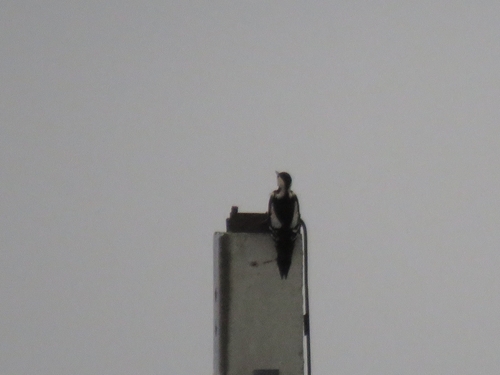
カオジロアカゲラ (Dendrocopos syriacus) カオジロアカゲラ
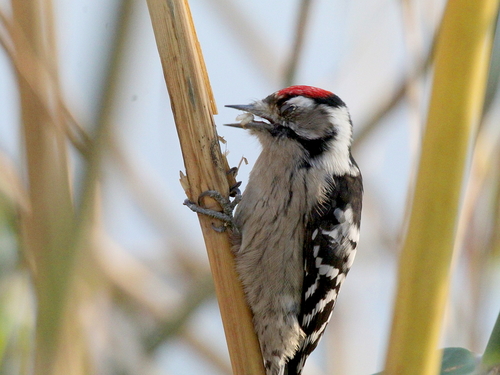
コアカゲラ (Dryobates minor) コアカゲラ

メディア

読み込み中…

要点

シリアンアカゲラとコアカゲラを区別する最も信頼できるフィールドマークはサイズです:シリアンははるかに大きく、頑丈で、くちばしが長く、目立つ白い肩の斑点がありますが、コアカゲラは明らかに小さく、翼と背中に広い黒と白の縞模様があります。幼鳥と成鳥のコアカゲラは、シリアンとは異なり、下背部と翼に強い縞模様を示します。シリアンはより限られた白い斑点とクリーンな黒い背中を持っています。シリアンアカゲラはまた、赤みがかった尾の覆羽と、より多くの白を持つ淡い顔を示しますが、コアカゲラはストライプ状の白い腹部と、より暗く、より縞模様のある上面を持っています。飛行中または遠くからは、全体のサイズ、くちばしの長さ、翼と背中の白のパターンに注目してください。両種は樹冠で見落とされることがありますが、彼らの構造と翼のパターンは通常、彼らを区別するのに十分です。

識別のコツ

  1. サイズは最も迅速な区別点です: シリアンアカゲラはコアカゲラよりもはるかに大きくて頑丈です。もし鳥が小さくて繊細に見えるなら、コアカゲラに注目してください。
  2. くちばしの長さと形: シリアンは明らかに長く、頑丈なくちばしを持っています。コアカゲラのくちばしは短くて太く、ほぼ優雅です。
  3. 白い肩の斑点(シリアン): シリアンアカゲラの肩に大きくてクリーンな白い斑点を探してください。コアカゲラはこれを欠いており、代わりにより均一に縞模様のある上翼を持っています。
  4. 背中と翼の縞模様: コアカゲラは下背部と翼に広い黒と白の縞模様を示します(すべての年齢)、一方シリアンの背中はほとんどが固体の黒で、白い斑点が3つの翼の帯を形成しています。
  5. 尾のパターン: コアカゲラの外側の尾羽は縞模様があります。シリアンの尾羽はわずかに白い斑点しかなく、完全な縞模様はありません。
  6. 腹部の色: シリアンは赤みがかった尾の覆羽を持つ淡い白い腹部を持っています。コアカゲラは下部がクリーンな白で、側面に細いストライプがあり、赤みのある洗いはありません。
  7. 頭のパターン(オス): オスのシリアンは赤い後頭部の斑点を示します。オスのコアカゲラは赤い冠を持っています。両種の雌は頭に赤を欠いていますが、幼鳥のコアカゲラは冠に赤を示すことがあります。
  8. 顔の模様: シリアンはより淡い顔を持ち、より多くの白がありますが、コアカゲラは黒い眉斑と口髭のストライプ、茶色がかった額を持っています。
  9. 飛行中の印象: シリアンは頑丈で直接的に見えますが、コアカゲラは短く、ほぼ三角形に見え、特に木の間を跳ねるときにそう見えます。
  10. 採餌の高さ: コアカゲラは通常、樹冠の高い位置で、細い枯れ枝の上にいます。シリアンは中間の高さや太い幹の上で見られることが多いです。
  11. ドラミング: シリアンのドラミングは長く、音量が減少します。コアカゲラのドラミングは短く、迅速な rattling です。練習すれば、これは診断的になることがあります。
  12. 鳴き声: シリアンの「クイット、クイット」は柔らかいです。コアカゲラの「キーク」はそのサイズにしては大きく、より強く聞こえます。
  13. 生息地の文脈: 鳥が古い木のある開けた公園や農地にいる場合、シリアンの可能性が高いです。深く成熟した森林で多くの枯れ木がある場合はコアカゲラが好まれます。
  14. 幼鳥の混乱: 幼鳥のコアカゲラは冠に赤を示すことがありますが、背中と翼に強い縞模様があります。シリアンの幼鳥は後頭部の斑点が欠けていますが、構造的には成鳥に似ています。
  15. 落とし穴: 頭に赤がないことを基に雌または幼鳥のシリアンをコアカゲラと混同しないでください。常にサイズ、くちばし、上翼のパターンを主要な手がかりとして確認してください。

大きさ

シリアンアカゲラはかなり大きく、長さ約23 cmであるのに対し、コアカゲラはわずか14〜16.5 cmです [wikipedia]。シリアンはまた、重くて頑丈で、明らかに長いくちばしとよりがっしりした体型を持っています。コアカゲラは最小のヨーロッパのキツツキで、繊細でコンパクトに見え、短くて太いくちばしを持っています。フィールドでは、サイズだけでコアカゲラを除外するのに十分なことが多いです。もし鳥がアカゲラのサイズに近い場合は、コアカゲラを除外できます。

羽色

幼鳥と成鳥のコアカゲラは、翼と下背部に広く目立つ黒と白の縞模様が特徴で、外側の尾羽も縞模様があります。この強い縞模様はシリアンアカゲラにはなく、代わりに大きな白い肩の斑点と3つの白い斑点のある翼の帯を持つ黒い上面がありますが、背中自体は縞模様ではありません。シリアンアカゲラの下部は赤みがかった白で、赤みがかった尾の覆羽を持っていますが、コアカゲラは側面に細いストライプがあるクリーンな白い下部を持っています。オスのシリアンアカゲラは赤い後頭部の斑点を持ち、オスのコアカゲラは赤い冠を持っています。両種の雌はこれらの赤い頭の模様を欠いていますが、幼鳥のコアカゲラは冠に赤を示すことがあります。シリアンの顔はより淡く、より多くの白があり、くちばしは長くて暗いです。コアカゲラの顔はより模様があり、黒い眉斑と口髭のストライプ、茶色がかった額を持っています。

行動

両種は樹幹や枝で採餌しますが、コアカゲラは樹冠の高い位置で過ごす時間が多く、小さなサイズと細い枯れ枝の好みのために見落とされることがよくあります。シリアンアカゲラは中間の高さや太い枝の下で見られることが多いです。飛行中、シリアンはより頑丈で直接的に見えますが、コアカゲラは短く、ほぼ三角形に見え、特に木の間を跳ねるときにそう見えます。両種は木を叩き、チップを出しますが、活動の規模と強度はシリアンのサイズのために大きくなります。

生息環境

シリアンアカゲラは古い木のある開けた森林、公園、耕作された地域を好み、より開けたまたはエッジの生息地に多く見られます。コアカゲラは成熟した森林により結びついており、特に枯れ木や腐った木の供給が良好な場所で見られることが多く、広葉樹の森や公園の樹冠の高い位置で見つかる可能性が高いです。シリアンの分布はより南東部で、北西に拡大していますが、コアカゲラはより広範囲に分布していますが、古い木の喪失により一部の地域で減少しています。

声

シリアンアカゲラの鳴き声は鋭く、柔らかい「クイット、クイット」で、アカゲラよりも厳しくありません。そのドラミングは長く、音量が減少します。コアカゲラは繰り返し「キーク」を出し、そのサイズにしては驚くほど大きく、ドラミングは短く迅速な rattling で、大きな種と区別できます。両種はドラミングを行いますが、パターンと音量は異なります:シリアンのドラミングは長く、音量が変動しやすく、コアカゲラのドラミングは短く、より均一です。

より良い説明を送る

比較と同じ項目を使ってください。文章はすぐに公開されます。

The most reliable field mark to separate Syrian Woodpecker from Lesser Spotted Woodpecker is size: Syrian is much larger and more robust, with a longer bill and a prominent white shoulder patch, while Lesser Spotted is distinctly small, with broad black-and-white barring across the wings and back. Juvenile and adult Lesser Spotted Woodpeckers show strong barring on the lower back and wings, unlike the Syrian, which has more limited white spotting and a cleaner black back. Syrian Woodpecker also shows reddish under-tail coverts and a pale face with more white, while Lesser Spotted has a streaked white underside and a darker, more barred upper side. In flight or at a distance, focus on overall size, bill length, and the pattern of white on the wings and back. Both species can be overlooked in the canopy, but their structure and wing pattern are usually enough to tell them apart.

  1. Size is the quickest separator: Syrian Woodpecker is much larger and bulkier than Lesser Spotted; if the bird looks small and delicate, focus on Lesser Spotted.
  2. Bill length and shape: Syrian has a noticeably longer, more robust bill; Lesser Spotted's bill is short and stubby, almost dainty.
  3. White shoulder patch (Syrian): Look for a large, clean white patch on the shoulder of Syrian Woodpecker; Lesser Spotted lacks this and instead has a more uniformly barred upperwing.
  4. Back and wing barring: Lesser Spotted shows broad black-and-white barring across the lower back and wings (all ages), while Syrian's back is mostly solid black with only white spots forming three wingbars.
  5. Tail pattern: Lesser Spotted's outer tail feathers are barred; Syrian's show only a few white spots, not full barring.
  6. Underparts color: Syrian has buffish white underparts with reddish under-tail coverts; Lesser Spotted is cleaner white below, with fine streaks on the flanks and no reddish wash.
  7. Head pattern (male): Male Syrian shows a red nape spot; male Lesser Spotted has a red crown. Females of both lack red on the head, but juvenile Lesser Spotted may show red on the crown.
  8. Facial markings: Syrian has a paler face with more white, while Lesser Spotted has a black supercilium and moustachial stripe, and a brownish forehead.
  9. Jizz in flight: Syrian appears robust and direct; Lesser Spotted looks stumpy and almost triangular, especially when bounding between trees.
  10. Foraging height: Lesser Spotted is usually high in the canopy, often on thin dead branches; Syrian is more often seen at mid-levels or on thicker trunks.
  11. Drumming: Syrian's drumming is longer and decreases in volume; Lesser Spotted's is a short, rapid rattle. With practice, this can be diagnostic.
  12. Calls: Syrian's 'quit, quit' is softer; Lesser Spotted's 'keek' is louder and more insistent for its size.
  13. Habitat context: If the bird is in open parkland or farmland with old trees, Syrian is more likely; deep, mature woodland with lots of dead wood favors Lesser Spotted.
  14. Juvenile confusion: Juvenile Lesser Spotted may show red on the crown, but still has strong barring on the back and wings; Syrian juveniles lack the nape spot but otherwise resemble adults structurally and in wing pattern.
  15. Pitfalls: Do not confuse female or juvenile Syrian with Lesser Spotted based on lack of red on the head; always check size, bill, and upperwing pattern as primary clues.

Syrian Woodpecker is substantially larger, measuring about 23 cm in length, whereas Lesser Spotted Woodpecker is only 14–16.5 cm long [wikipedia]. The Syrian is also heavier and bulkier, with a noticeably longer bill and a stouter build. Lesser Spotted is the smallest European woodpecker, appearing delicate and compact, with a short, stubby bill. In the field, size alone is often enough to rule out Lesser Spotted if the bird appears anywhere near the size of a Great Spotted Woodpecker.

Juveniles and adults of Lesser Spotted Woodpecker are characterized by broad, conspicuous black-and-white barring across the wings and lower back, and the outer tail feathers are also barred. This strong barring is absent in Syrian Woodpecker, which instead has black upperparts with a large white shoulder patch and three white-spotted wingbars, but the back itself is not barred. Syrian Woodpecker's underparts are buffish white with reddish under-tail coverts, while Lesser Spotted has clean white underparts with fine streaks on the flanks. Male Syrian Woodpecker has a crimson nape spot, while male Lesser Spotted has a crimson crown; females of both species lack these red head markings, but juvenile Lesser Spotted may show some red on the crown. The face of Syrian is paler, with more white, and the bill is longer and darker. Lesser Spotted's face is more patterned, with a black supercilium and moustachial stripe, and a brownish forehead.

Both species forage on tree trunks and branches, but Lesser Spotted Woodpecker spends more time high in the canopy and is often overlooked due to its small size and preference for thin, dead branches. Syrian Woodpecker is more likely to be seen at mid-levels or lower on trunks and thicker branches. In flight, Syrian appears more robust and direct, while Lesser Spotted has a stumpy, almost triangular look, especially when bounding between trees. Both drum and chip at wood, but the scale and strength of the activity is greater in Syrian due to its size.

Syrian Woodpecker favors open woodlands, parks, and cultivated areas with old trees, often in more open or edge habitats. Lesser Spotted Woodpecker is more tied to mature woodland, especially with a good supply of dead or decaying wood, and is more likely to be found high in the canopy of broadleaf woods and parks. Syrian's range is more southeastern and expanding northwest, while Lesser Spotted is more widespread but declining in some areas due to loss of old trees.

Syrian Woodpecker's call is a sharp, soft 'quit, quit', less harsh than Great Spotted, and its drumming is longer and decreases in volume. Lesser Spotted Woodpecker gives a repeated 'keek', which is surprisingly loud for its size, and its drumming is a short, rapid rattle, distinguishable with experience from larger species. Both drum, but the pattern and volume differ: Syrian's drumming is longer and more variable in loudness, Lesser Spotted's is shorter and more even.

変更を破棄しますか?

保存していない編集があります。今離れると失われます。

カオジロアカゲラ · コアカゲラ · 苦手な鳥