

Motmot

チュウジシギ 対 オオジシギ

Gallinago megala 対 Gallinago hardwickii

チュウジシギとオオジシギのクイズ
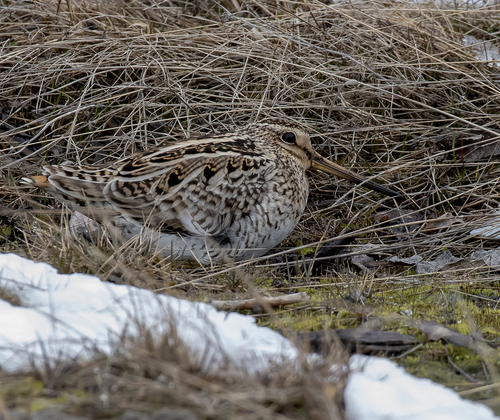
チュウジシギ (Gallinago megala) チュウジシギ
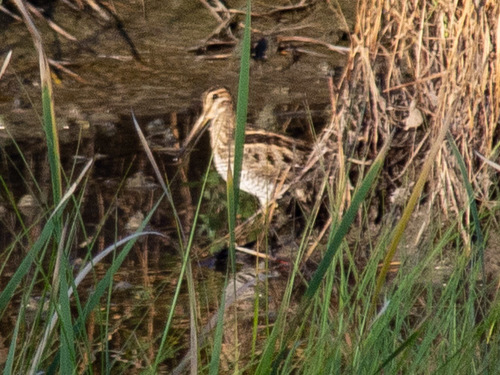
オオジシギ (Gallinago hardwickii) オオジシギ

メディア

読み込み中…

要点

Distinguishing Swinhoe's Snipe from Latham's Snipe in the field is notoriously difficult, especially on brief or distant views, as both share cryptic, mottled plumage and long bills. The most reliable difference is size: Latham's Snipe is consistently larger and bulkier, with a longer wingspan and heavier build, but this can be subtle unless both species are side by side. No distinctive age-specific wing or plumage marks are described for either species to separate juveniles or immatures in flight. Both species show similar cryptic upperparts and underparts, so field separation relies on careful assessment of size, structure, and subtle differences in proportions. Expect uncertainty on lone birds, and use multiple features together for best results.

識別のコツ

  1. Size is the most consistent field mark: Latham's Snipe is larger and heavier than Swinhoe's Snipe. Use this when you have a good view or can compare with other snipes nearby. Beware that size is hard to judge on lone, fluffed, or distant birds.
  2. Wingspan and structure: Latham's Snipe has a proportionally longer wingspan (50–54 cm vs. 38–44 cm for Swinhoe's). In flight, Latham's may appear more substantial and broad-winged, but this is subtle and not always obvious.
  3. Bulk and build: Latham's Snipe is bulkier overall, with a heavier body mass (about 153 g vs. 140 g for Swinhoe's). This can be seen when birds are side by side but is unreliable on single birds.
  4. Bill length: Both species have long bills, and no consistent difference is described between them for field use.
  5. Plumage pattern: Both species show very similar cryptic upperpart and underpart patterns, with black, brown, buff, and white mottling. No distinctive panels, trailing edges, or age-specific marks are described for either species, so plumage is not a reliable separator.
  6. Juvenile/immature separation: No sources describe unique juvenile or immature wing or plumage marks for either species. Assume that young birds are as difficult to separate as adults.
  7. Flight style: Both species flush reluctantly and fly in a zigzag pattern. No difference in jizz or flight behavior is noted.
  8. Habitat overlap: Both species use similar wetland habitats, so location alone is not a safe separator.
  9. Seasonal context: Both are migratory and can overlap in range and timing, so season does not reliably separate them.
  10. Voice: No distinctive vocal differences are described in the available sources for field separation.
  11. Sexual dimorphism: No mention of sex-based differences in field marks for either species.
  12. Pitfalls: The greatest risk is over-relying on size or structure in poor viewing conditions. Always use multiple features and be cautious with lone birds.
  13. Direct comparison is best: If you see both species together, use size and bulk as the main clues. Otherwise, expect some uncertainty and report as 'Gallinago sp.' if unsure.
  14. Consult local abundance: In some regions, one species may be much more common, but this is not a substitute for direct field marks.
  15. Photographic review: If possible, take photos for later analysis, as field separation is extremely challenging without side-by-side comparison.

大きさ

Latham's Snipe is the larger of the two, with adults measuring 29–33 cm in length and a wingspan of 50–54 cm, compared to Swinhoe's Snipe at 27–29 cm length and 38–44 cm wingspan. Latham's Snipe also averages heavier (about 153 g vs. 140 g for Swinhoe's). In the hand or with direct comparison, Latham's is noticeably bulkier, but in the field, this difference can be subtle, especially if birds are not seen together or are fluffed up.

羽色

Both species possess cryptically patterned black, brown, buff, and white plumage typical of Gallinago snipes. No sources describe distinctive juvenile, first-winter, or immature upperwing or flight marks that reliably separate these two species. Adults and immatures alike show similar mottled upperparts and underparts, with no mention of unique panels, trailing edges, or other wing pattern features to use in flight. Thus, plumage alone is not a reliable separator in the field, regardless of age or season.

行動

Both species are secretive, ground-dwelling waders that flush reluctantly and fly with a zigzag pattern when disturbed. Their behavior in the field is very similar, and neither species is described as having a unique jizz or flight style that would reliably separate them. Both may be seen probing in soft mud or foraging in dense vegetation, and both are migratory.

生息環境

Habitat preferences overlap considerably, with both species favoring wet grasslands, marshes, and muddy edges. There is no strong habitat-based separation in the field, as both can occur in similar environments during migration and winter. Local abundance may differ by region, but this is not a reliable field mark for identification.

より良い説明を送る

比較と同じ項目を使ってください。文章はすぐに公開されます。

Distinguishing Swinhoe's Snipe from Latham's Snipe in the field is notoriously difficult, especially on brief or distant views, as both share cryptic, mottled plumage and long bills. The most reliable difference is size: Latham's Snipe is consistently larger and bulkier, with a longer wingspan and heavier build, but this can be subtle unless both species are side by side. No distinctive age-specific wing or plumage marks are described for either species to separate juveniles or immatures in flight. Both species show similar cryptic upperparts and underparts, so field separation relies on careful assessment of size, structure, and subtle differences in proportions. Expect uncertainty on lone birds, and use multiple features together for best results.

  1. Size is the most consistent field mark: Latham's Snipe is larger and heavier than Swinhoe's Snipe. Use this when you have a good view or can compare with other snipes nearby. Beware that size is hard to judge on lone, fluffed, or distant birds.
  2. Wingspan and structure: Latham's Snipe has a proportionally longer wingspan (50–54 cm vs. 38–44 cm for Swinhoe's). In flight, Latham's may appear more substantial and broad-winged, but this is subtle and not always obvious.
  3. Bulk and build: Latham's Snipe is bulkier overall, with a heavier body mass (about 153 g vs. 140 g for Swinhoe's). This can be seen when birds are side by side but is unreliable on single birds.
  4. Bill length: Both species have long bills, and no consistent difference is described between them for field use.
  5. Plumage pattern: Both species show very similar cryptic upperpart and underpart patterns, with black, brown, buff, and white mottling. No distinctive panels, trailing edges, or age-specific marks are described for either species, so plumage is not a reliable separator.
  6. Juvenile/immature separation: No sources describe unique juvenile or immature wing or plumage marks for either species. Assume that young birds are as difficult to separate as adults.
  7. Flight style: Both species flush reluctantly and fly in a zigzag pattern. No difference in jizz or flight behavior is noted.
  8. Habitat overlap: Both species use similar wetland habitats, so location alone is not a safe separator.
  9. Seasonal context: Both are migratory and can overlap in range and timing, so season does not reliably separate them.
  10. Voice: No distinctive vocal differences are described in the available sources for field separation.
  11. Sexual dimorphism: No mention of sex-based differences in field marks for either species.
  12. Pitfalls: The greatest risk is over-relying on size or structure in poor viewing conditions. Always use multiple features and be cautious with lone birds.
  13. Direct comparison is best: If you see both species together, use size and bulk as the main clues. Otherwise, expect some uncertainty and report as 'Gallinago sp.' if unsure.
  14. Consult local abundance: In some regions, one species may be much more common, but this is not a substitute for direct field marks.
  15. Photographic review: If possible, take photos for later analysis, as field separation is extremely challenging without side-by-side comparison.

Latham's Snipe is the larger of the two, with adults measuring 29–33 cm in length and a wingspan of 50–54 cm, compared to Swinhoe's Snipe at 27–29 cm length and 38–44 cm wingspan. Latham's Snipe also averages heavier (about 153 g vs. 140 g for Swinhoe's). In the hand or with direct comparison, Latham's is noticeably bulkier, but in the field, this difference can be subtle, especially if birds are not seen together or are fluffed up.

Both species possess cryptically patterned black, brown, buff, and white plumage typical of Gallinago snipes. No sources describe distinctive juvenile, first-winter, or immature upperwing or flight marks that reliably separate these two species. Adults and immatures alike show similar mottled upperparts and underparts, with no mention of unique panels, trailing edges, or other wing pattern features to use in flight. Thus, plumage alone is not a reliable separator in the field, regardless of age or season.

Both species are secretive, ground-dwelling waders that flush reluctantly and fly with a zigzag pattern when disturbed. Their behavior in the field is very similar, and neither species is described as having a unique jizz or flight style that would reliably separate them. Both may be seen probing in soft mud or foraging in dense vegetation, and both are migratory.

Habitat preferences overlap considerably, with both species favoring wet grasslands, marshes, and muddy edges. There is no strong habitat-based separation in the field, as both can occur in similar environments during migration and winter. Local abundance may differ by region, but this is not a reliable field mark for identification.

変更を破棄しますか?

保存していない編集があります。今離れると失われます。

チュウジシギ · オオジシギ · 苦手な鳥