

Swinhoe's Snipe vs Latham's Snipe
Gallinago megala contro Gallinago hardwickii
Fai un quiz con Swinhoe's Snipe e Latham's Snipe
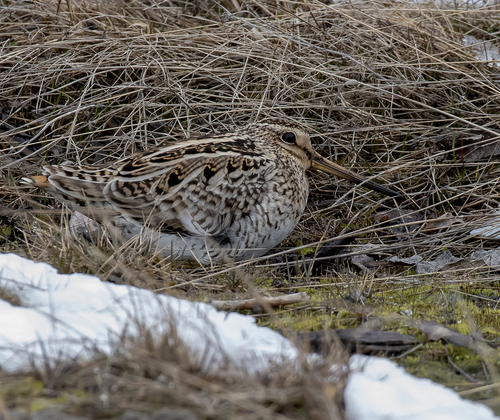 Swinhoe's Snipe
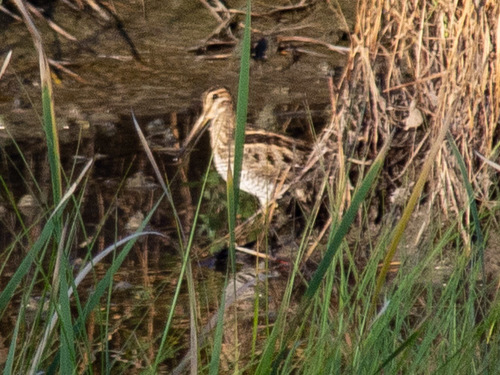 Latham's Snipe
In breve
Distinguere il Latham's Snipe dallo Swinhoe's Snipe sul campo è notoriamente difficile, specialmente in viste brevi o distanti, poiché entrambi condividono piumaggio criptico e maculato e lunghi becchi. La differenza più affidabile è la dimensione: il Latham's Snipe è costantemente più grande e robusto, con un'apertura alare più lunga e una costruzione più pesante, ma questo può essere sottile a meno che entrambe le specie non siano affiancate. Non sono descritti segni distintivi di età specifici per ali o piumaggio per nessuna delle due specie per separare i giovani o gli immaturi in volo. Entrambe le specie mostrano parti superiori e inferiori criptiche simili, quindi la separazione sul campo si basa su una valutazione attenta delle dimensioni, della struttura e delle sottili differenze nelle proporzioni. Aspettati incertezze su uccelli solitari e utilizza più caratteristiche insieme per i migliori risultati.
Consigli di identificazione
- La dimensione è il segno di campo più consistente: Il Latham's Snipe è più grande e pesante dello Swinhoe's Snipe. Utilizza questo quando hai una buona vista o puoi confrontare con altri snipe nelle vicinanze. Fai attenzione che la dimensione è difficile da giudicare su uccelli solitari, gonfiati o distanti.
- Apertura alare e struttura: Il Latham's Snipe ha un'apertura alare proporzionalmente più lunga (50–54 cm contro 38–44 cm per lo Swinhoe's). In volo, il Latham's può apparire più sostanzioso e con ali più larghe, ma questo è sottile e non sempre ovvio.
- Robustezza e costruzione: Il Latham's Snipe è complessivamente più robusto, con una massa corporea più pesante (circa 153 g contro 140 g per lo Swinhoe's). Questo può essere visto quando gli uccelli sono affiancati, ma è inaffidabile su uccelli singoli.
- Lunghezza del becco: Entrambe le specie hanno lunghi becchi e non è descritta alcuna differenza consistente tra di loro per l'uso sul campo.
- Schema del piumaggio: Entrambe le specie mostrano schemi criptici molto simili nelle parti superiori e inferiori, con macchie nere, marroni, fulve e bianche. Non sono descritti pannelli distintivi, bordi posteriori o segni specifici per età per nessuna delle due specie, quindi il piumaggio non è un separatore affidabile.
- Separazione dei giovani/immauri: Nessuna fonte descrive segni unici per ali o piumaggio di giovani o immaturi per nessuna delle due specie. Assumi che i giovani uccelli siano difficili da separare quanto gli adulti.
- Stile di volo: Entrambe le specie si allontanano riluttantemente e volano in un modello a zigzag. Non è notata alcuna differenza nel comportamento o nello stile di volo.
- Sovrapposizione dell'habitat: Entrambe le specie utilizzano habitat umidi simili, quindi la posizione da sola non è un separatore sicuro.
- Contesto stagionale: Entrambe sono migratorie e possono sovrapporsi in gamma e tempistiche, quindi la stagione non le separa in modo affidabile.
- Voce: Non sono descritte differenze vocali distintive nelle fonti disponibili per la separazione sul campo.
- Dimorfismo sessuale: Non è menzionata alcuna differenza basata sul sesso nei segni di campo per nessuna delle due specie.
- Trappole: Il rischio maggiore è quello di fare eccessivo affidamento su dimensioni o struttura in condizioni di visione scarse. Utilizza sempre più caratteristiche e fai attenzione con uccelli solitari.
- Il confronto diretto è il migliore: Se vedi entrambe le specie insieme, utilizza dimensioni e robustezza come indizi principali. Altrimenti, aspettati qualche incertezza e riporta come 'Gallinago sp.' se non sei sicuro.
- Consulta l'abbondanza locale: In alcune regioni, una specie può essere molto più comune, ma questo non è un sostituto per i segni di campo diretti.
- Revisione fotografica: Se possibile, scatta foto per un'analisi successiva, poiché la separazione sul campo è estremamente difficile senza un confronto affiancato.
Taglia
Il Latham's Snipe è il più grande dei due, con adulti che misurano 29–33 cm di lunghezza e un'apertura alare di 50–54 cm, rispetto allo Swinhoe's Snipe che misura 27–29 cm di lunghezza e 38–44 cm di apertura alare. Il Latham's Snipe è anche mediamente più pesante (circa 153 g contro 140 g per lo Swinhoe's). In mano o con un confronto diretto, il Latham's è visibilmente più robusto, ma sul campo questa differenza può essere sottile, specialmente se gli uccelli non sono visti insieme o sono gonfiati.
Piumaggio
Entrambe le specie possiedono piumaggio con schemi criptici di nero, marrone, fulvo e bianco tipici degli snipe Gallinago. Nessuna fonte descrive segni distintivi per ali o volo di giovani, primo inverno o immaturi che separino in modo affidabile queste due specie. Adulti e immaturi mostrano parti superiori e inferiori maculate simili, senza menzione di pannelli unici, bordi posteriori o altre caratteristiche del piumaggio da utilizzare in volo. Pertanto, il piumaggio da solo non è un separatore affidabile sul campo, indipendentemente dall'età o dalla stagione.
Comportamento
Entrambe le specie sono wader segreti, che vivono a terra, che si allontanano riluttantemente e volano con un modello a zigzag quando disturbati. Il loro comportamento sul campo è molto simile e nessuna delle due specie è descritta come avente un jizz o uno stile di volo unico che le separerebbe in modo affidabile. Entrambe possono essere viste a cercare nel fango morbido o foraggiare in vegetazione densa, e entrambe sono migratorie.
Habitat
Le preferenze di habitat si sovrappongono considerevolmente, con entrambe le specie che favoriscono prati umidi, paludi e bordi fangosi. Non c'è una forte separazione basata sull'habitat sul campo, poiché entrambe possono verificarsi in ambienti simili durante la migrazione e l'inverno. L'abbondanza locale può variare a seconda della regione, ma questo non è un segno di campo affidabile per l'identificazione.