

Motmot

ナタールヨタカ 対 ゴマフヨタカ

Caprimulgus natalensis 対 Caprimulgus tristigma

ナタールヨタカとゴマフヨタカのクイズ
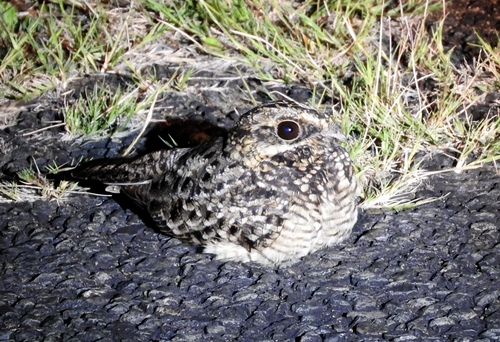
ナタールヨタカ (Caprimulgus natalensis) ナタールヨタカ
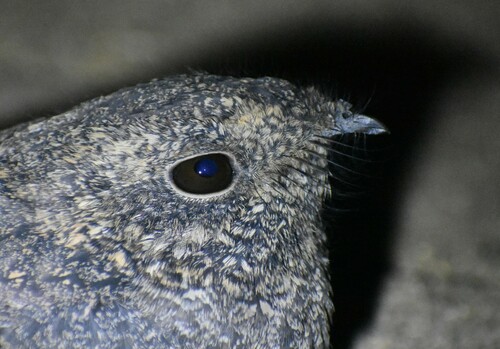
ゴマフヨタカ (Caprimulgus tristigma) ゴマフヨタカ

メディア

読み込み中…

要点

ゴマフヨタカとナタールヨタカを区別する最も信頼できるフィールドマークは、成鳥のオスのゴマフヨタカの外側の初列風切羽に小さな白い斑点と外側の尾羽の白い先端があることで、飛行中に確認できます。メスは白い斑点が少なく、白い尾先がありません。ナタールヨタカはこれらの白い翼と尾のマーキングを完全に欠いています。ゴマフヨタカは全体的に大きく、がっしりとしており、暗い色合いで、特徴的な斑点模様と岩の生息地に強いカモフラージュを持っていますが、ナタールヨタカはそれほど頑丈ではなく、通常は湿った草地や湿地帯に関連しています。止まっている鳥では、ゴマフヨタカの暗く斑点のある上面と短い尾が、より控えめで模様の少ないナタールヨタカと対照的です。両種は夜行性で薄明かりの時間に活動しますが、好む生息地や微妙な羽毛の詳細が自信を持った同定の鍵となります。

識別のコツ

  1. 白い翼と尾のマーキングの飛行中: 成鳥のオスのゴマフヨタカは、外側の4枚の初列風切羽に小さな白い斑点と外側の2枚の尾羽に白い先端を示します。メスは初列風切羽に3〜4枚の小さな白い斑点がありますが、白い尾先はありません。ナタールヨタカはこれらのマークを決して示しません。特に薄暮や夜明けに鳥が活発なときにこれを探してください。
  2. 斑点のある上面: ゴマフヨタカは、暗い灰色から黒の上面に白、シナモン、淡いバフの斑点模様が特徴的で、近距離で確認できます。ナタールヨタカはより地味で、この重い斑点模様がありません。
  3. 腹部の縞模様: ゴマフヨタカの腹部は暗褐色で、白っぽいとシナモンの縞模様がありますが、ナタールヨタカの腹部はあまり大胆な模様がありません。
  4. 全体の暗さ: 遠くから見ると、ゴマフヨタカはナタールヨタカよりもはるかに暗く(ほぼ黒っぽい)見えます。
  5. カモフラージュの文脈: 鳥が岩や巨石に完璧に溶け込んでいる場合、ゴマフヨタカの可能性が高いです。ナタールヨタカは草地や湿地のカバーに適応しています。
  6. サイズと体型: ゴマフヨタカは大きく、がっしりとしており、力強い体型で、長い翼と比較的短い尾を持っています。ナタールヨタカはスリムで軽量です。
  7. 尾の形: ゴマフヨタカの尾はそのサイズに対して比較的短く、外側の羽に白い先端(オスの場合)があります。ナタールヨタカの尾は夜行性の鳥に典型的で、白い先端がありません。
  8. 性差: ゴマフヨタカだけが翼と尾のマーキングに明確な性差を示します。ナタールヨタカは示しません。
  9. 止まっている姿勢: ゴマフヨタカはしばしば裸の岩や巨石に止まり、時には露出した位置にいます。ナタールヨタカは草の中や湿地の端にいることが多いです。
  10. 採餌行動: ゴマフヨタカはしばしば岩の止まり木から短い飛行をして昆虫を捕まえ、再び滑空して戻ります。ナタールヨタカの採餌は岩のある地域にあまり結びついていません。
  11. 口の大きさ: ゴマフヨタカは顕著に大きな口を持ち、ナタールヨタカよりも大きな昆虫を飲み込むことができますが、これは非常に近距離または写真でのみ確認できます。
  12. 生息地の文脈: 岩の露頭、崖、または石の丘でバードウォッチングをしている場合は、ゴマフヨタカを優先してください。湿地、湿った草原、または湿ったサバンナでは、ナタールヨタカの可能性が高いです。
  13. 翼や尾に白がない: 外側の初列風切羽と尾先に白い斑点がない夜行性の鳥(特に飛行中)は、オスのゴマフヨタカである可能性は低いです。
  14. 幼鳥/未熟なマーク: どちらの種にも特定の幼鳥または未熟な翼のパターンの違いは記載されていないため、詳細がない限り成鳥のマークに頼ってください。
  15. 声: 利用可能なメモには診断的な声の違いは記載されていないため、視覚的および生息地の手がかりに頼ってください。

大きさ

ゴマフヨタカはナタールヨタカよりも明らかに重く、がっしりとした体型です(成鳥の質量はゴマフヨタカで約79g、ナタールヨタカの質量データはありませんが、一般的に軽量で頑丈ではないと考えられています)。ゴマフヨタカは長い翼と比較的短い尾を持ち、休息時と飛行時の両方で広く、強い外観を持っています。ナタールヨタカはスリムで、あまりがっしりしていません。

羽色

行動

両種は薄明かりの時間に活動し、夜行性です。ゴマフヨタカはしばしば岩や巨石に止まり、飛んでいる昆虫を捕まえるために短い飛び出しを行い、止まり木に滑空して戻ります。その採餌はしばしば岩のある風景や壊れた地面の上で行われます。ナタールヨタカは湿地や草地の近くで見つかる可能性が高く、その採餌行動は岩の基盤にあまり結びついていません。ゴマフヨタカは顕著に大きな口を持ち、ナタールヨタカよりも大きな獲物を捕まえることができます。

生息環境

ゴマフヨタカは岩の生息地に強く関連しています:巨石、岩の露頭、石の地面で、しばしば開けたまたは疎に植生のある地域にいます。そのカモフラージュはこれらの環境に特化しています。ナタールヨタカはその名前が示すように、湿地、草の湿地、湿ったサバンナなどの湿った環境を好みます。両者はアフリカの夜行性の鳥ですが、その生息地の好みはあまり重ならず、鳥がよく見られた場合には文脈が強い手がかりとなることがあります。

より良い説明を送る

比較と同じ項目を使ってください。文章はすぐに公開されます。

The most reliable field mark to separate Freckled Nightjar from Swamp Nightjar is the presence of small white spots on the outer primaries and white tips on the outer tail feathers in adult male Freckled Nightjars, visible in flight; females have fewer white spots and lack white tail tips. Swamp Nightjar lacks these white wing and tail markings entirely. Freckled Nightjar appears larger, bulkier, and darker overall, with a distinctive freckled pattern and strong camouflage for rocky habitats, while Swamp Nightjar is less robust and is typically associated with wetter, grassy, or marshy areas. In perched birds, the Freckled Nightjar’s dark, freckled upperparts and short tail contrast with the more subdued and less patterned Swamp Nightjar. Both species are nocturnal and crepuscular, but their preferred habitats and subtle plumage details are key for confident identification.

  1. White wing and tail markings in flight: Adult male Freckled Nightjars show small white spots on the four outer primaries and white tips on the two outer tail feathers; females have 3–4 smaller white spots on the primaries but lack white tail tips. Swamp Nightjar never shows these marks. Look for these especially at dusk or dawn when birds are active.
  2. Freckled upperparts: Freckled Nightjar has a distinctive pattern of white, cinnamon, and pale buff freckling on otherwise dark gray to black upperparts, visible at close range. Swamp Nightjar is plainer and lacks this heavy freckling.
  3. Underparts barring: Freckled Nightjar’s underparts are dark brown with whitish and cinnamon barring, while Swamp Nightjar’s underparts are less boldly patterned.
  4. Overall darkness: At a distance, Freckled Nightjar appears much darker (almost blackish) than Swamp Nightjar.
  5. Camouflage context: If the bird is blending perfectly with rocks or boulders, Freckled Nightjar is much more likely; Swamp Nightjar is adapted for grassy or marshy cover.
  6. Size and build: Freckled Nightjar is larger, bulkier, and more powerfully built, with long wings and a relatively short tail. Swamp Nightjar is slimmer and lighter.
  7. Tail shape: Freckled Nightjar’s tail is relatively short for its size, with white tips (in males) on the outer feathers. Swamp Nightjar’s tail is more typical for nightjars and lacks white tips.
  8. Sexual dimorphism: Only Freckled Nightjar shows clear sex differences in wing and tail markings; Swamp Nightjar does not.
  9. Perched posture: Freckled Nightjar often perches on bare rocks or boulders, sometimes in exposed positions. Swamp Nightjar is more likely to be found on the ground among grass or at the edge of marshes.
  10. Foraging behavior: Freckled Nightjar often makes short flights out from its rocky perch to catch insects, then glides back. Swamp Nightjar’s foraging is less tied to rocky areas.
  11. Gape size: Freckled Nightjar has a notably large gape, able to swallow larger insects than Swamp Nightjar, but this is only visible at very close range or in photos.
  12. Habitat context: If you are birding in rocky outcrops, cliffs, or stony hills, prioritize Freckled Nightjar; in marshes, wet grasslands, or moist savanna, Swamp Nightjar is more likely.
  13. No white in wings or tail: Any nightjar lacking white spots on the outer primaries and tail tips (especially in flight) is unlikely to be a male Freckled Nightjar.
  14. Juvenile/immature marks: No specific juvenile or immature wing pattern differences are described for either species, so rely on adult marks unless more detail is available.
  15. Voice: No diagnostic vocal differences are described in the available notes; rely on visual and habitat clues.

Freckled Nightjar is distinctly heavier and more powerfully built than Swamp Nightjar (adult mass ~79g for Freckled Nightjar; no mass data for Swamp Nightjar, but it is generally considered lighter and less robust). Freckled Nightjar has longer wings and a relatively short tail, contributing to a broad, strong appearance both at rest and in flight. Swamp Nightjar is slimmer and less bulky, with a more typical nightjar silhouette.

  • Adults in flight: Freckled Nightjar males show small white spots on the four outer primaries and white tips on the two outer tail feathers; females have 3–4 smaller white spots on the outer primaries but lack white tail tips. These white markings are absent in Swamp Nightjar of all ages and sexes.
  • Perched birds: Freckled Nightjar appears dark gray to nearly black at a distance, with close-range white, cinnamon, and pale buff freckling on the upperparts, and dark brown underparts with whitish/cinnamon barring. Swamp Nightjar lacks this heavy freckling and is generally plainer and less contrasting.
  • Camouflage: Freckled Nightjar’s plumage is highly adapted for rocky substrates, blending in with boulders and stony ground, while Swamp Nightjar is more adapted to grassy or marshy cover.
  • Sexual dimorphism: Only Freckled Nightjar shows clear sex differences in wing and tail markings; Swamp Nightjar does not.

Both species are crepuscular and nocturnal, foraging at dusk and dawn. Freckled Nightjar frequently perches on rocks or boulders and uses short sallies to catch flying insects, gliding back to its perch. Its foraging is often over rocky landscapes and broken ground. Swamp Nightjar is more likely to be found in or near marshy or grassy areas, and its foraging behavior is less closely tied to rocky substrates. Freckled Nightjar has a notably large gape, allowing it to take larger prey than Swamp Nightjar.

Freckled Nightjar is strongly associated with rocky habitats: boulders, rocky outcrops, and stony ground, often in open or sparsely vegetated areas. Its camouflage is specialized for these settings. Swamp Nightjar, as its name suggests, prefers wetter environments such as marshes, grassy wetlands, and moist savannas. While both are African nightjars, their habitat preferences rarely overlap closely, and context can be a strong clue if the bird is seen well.

変更を破棄しますか?

保存していない編集があります。今離れると失われます。

ナタールヨタカ · ゴマフヨタカ · 苦手な鳥