

Swamp Nightjar vs Freckled Nightjar
Caprimulgus natalensis contro Caprimulgus tristigma
Fai un quiz con Swamp Nightjar e Freckled Nightjar
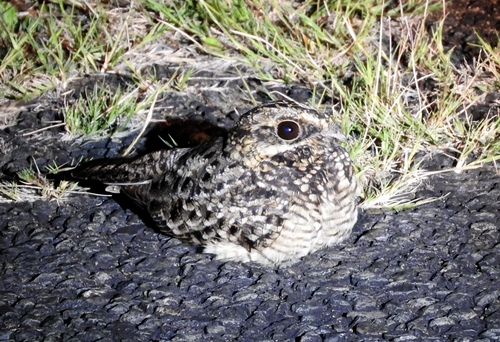 Swamp Nightjar
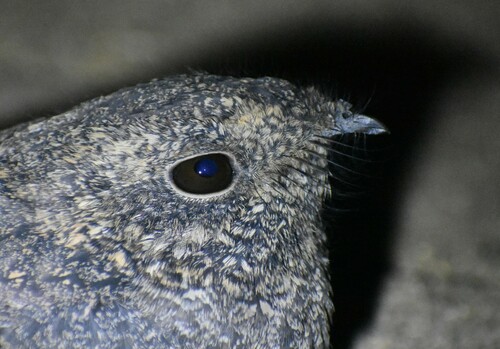 Freckled Nightjar
In breve
Il segno di campo più affidabile per separare il Freckled Nightjar dallo Swamp Nightjar è la presenza di piccole macchie bianche sulle primarie esterne e punte bianche sulle piume della coda esterna nei maschi adulti di Freckled Nightjar, visibili in volo; le femmine hanno meno macchie bianche e mancano di punte bianche sulla coda. Lo Swamp Nightjar non presenta affatto questi segni bianchi sulle ali e sulla coda. Il Freckled Nightjar appare più grande, più robusto e più scuro nel complesso, con un motivo distintivo di macchie e un forte camouflage per habitat rocciosi, mentre lo Swamp Nightjar è meno robusto ed è tipicamente associato a zone più umide, erbose o paludose. Negli uccelli posati, le parti superiori scure e macchiate del Freckled Nightjar e la coda corta contrastano con lo Swamp Nightjar, che è più sobrio e meno decorato. Entrambe le specie sono notturne e crepuscolari, ma i loro habitat preferiti e i dettagli sottili del piumaggio sono fondamentali per un'identificazione sicura.
Consigli di identificazione
- Segni bianchi sulle ali e sulla coda in volo: I maschi adulti di Freckled Nightjar mostrano piccole macchie bianche sulle quattro primarie esterne e punte bianche sulle due piume esterne della coda; le femmine hanno 3–4 macchie bianche più piccole sulle primarie ma mancano di punte bianche sulla coda. Lo Swamp Nightjar non mostra mai questi segni. Cerca questi segni specialmente al crepuscolo o all'alba quando gli uccelli sono attivi.
- Parti superiori macchiate: Il Freckled Nightjar ha un motivo distintivo di macchie bianche, cannella e buff pallido su parti superiori altrimenti di colore grigio scuro o nero, visibile da vicino. Lo Swamp Nightjar è più semplice e manca di questa pesante macchiettatura.
- Striature delle parti inferiori: Le parti inferiori del Freckled Nightjar sono di colore marrone scuro con striature bianche e di cannella, mentre le parti inferiori dello Swamp Nightjar sono meno audacemente decorate.
- Oscurità complessiva: Da lontano, il Freckled Nightjar appare molto più scuro (quasi nero) rispetto allo Swamp Nightjar.
- Contesto di camouflage: Se l'uccello si fonde perfettamente con rocce o massi, è molto più probabile che sia un Freckled Nightjar; lo Swamp Nightjar è adattato per coperture erbose o paludose.
- Dimensioni e struttura: Il Freckled Nightjar è più grande, più robusto e più potente, con ali lunghe e una coda relativamente corta. Lo Swamp Nightjar è più snello e leggero.
- Forma della coda: La coda del Freckled Nightjar è relativamente corta per le sue dimensioni, con punte bianche (nei maschi) sulle piume esterne. La coda dello Swamp Nightjar è più tipica per i nightjar e manca di punte bianche.
- Dimorfismo sessuale: Solo il Freckled Nightjar mostra chiare differenze sessuali nei segni delle ali e della coda; lo Swamp Nightjar non lo fa.
- Postura posata: Il Freckled Nightjar spesso si posa su rocce o massi nudi, a volte in posizioni esposte. Lo Swamp Nightjar è più probabile che si trovi a terra tra l'erba o al margine delle paludi.
- Comportamento di foraggiamento: Il Freckled Nightjar spesso compie brevi voli dalla sua posizione rocciosa per catturare insetti, poi plana di nuovo verso il suo posatoio. Il foraggiamento dello Swamp Nightjar è meno legato ad aree rocciose.
- Dimensione dell'apertura: Il Freckled Nightjar ha un'apertura notevolmente grande, in grado di ingoiare insetti più grandi rispetto allo Swamp Nightjar, ma questo è visibile solo da molto vicino o in foto.
- Contesto dell'habitat: Se stai osservando uccelli in affioramenti rocciosi, scogliere o colline di pietra, dai priorità al Freckled Nightjar; nelle paludi, nelle praterie umide o nelle savane umide, è più probabile che tu trovi lo Swamp Nightjar.
- Nessun bianco nelle ali o nella coda: Qualsiasi nightjar privo di macchie bianche sulle primarie esterne e punte della coda (specialmente in volo) è improbabile che sia un maschio di Freckled Nightjar.
- Segni giovanili/immaturi: Non sono descritte differenze specifiche nel motivo delle ali per i giovani o gli immaturi di entrambe le specie, quindi fai affidamento sui segni degli adulti a meno che non siano disponibili ulteriori dettagli.
- Voce: Non sono descritte differenze vocali diagnostiche nelle note disponibili; fai affidamento su indizi visivi e sull'habitat.
Taglia
Il Freckled Nightjar è nettamente più pesante e più robusto rispetto allo Swamp Nightjar (massa adulta ~79g per il Freckled Nightjar; nessun dato sulla massa per lo Swamp Nightjar, ma è generalmente considerato più leggero e meno robusto). Il Freckled Nightjar ha ali più lunghe e una coda relativamente corta, contribuendo a un aspetto ampio e forte sia a riposo che in volo. Lo Swamp Nightjar è più snello e meno voluminoso, con una silhouette di nightjar più tipica.
Piumaggio
- Adulti in volo: I maschi di Freckled Nightjar mostrano piccole macchie bianche sulle quattro primarie esterne e punte bianche sulle due piume esterne della coda; le femmine hanno 3–4 macchie bianche più piccole sulle primarie esterne ma mancano di punte bianche sulla coda. Questi segni bianchi sono assenti nello Swamp Nightjar di tutte le età e sessi.
- Uccelli posati: Il Freckled Nightjar appare grigio scuro fino a quasi nero da lontano, con macchie bianche, di cannella e buff pallido da vicino sulle parti superiori, e parti inferiori marroni scure con striature bianche/cannella. Lo Swamp Nightjar manca di questa pesante macchiettatura ed è generalmente più semplice e meno contrastante.
- Camouflage: Il piumaggio del Freckled Nightjar è altamente adattato per substrati rocciosi, fondendosi con massi e terreno roccioso, mentre lo Swamp Nightjar è più adattato a coperture erbose o paludose.
- Dimorfismo sessuale: Solo il Freckled Nightjar mostra chiare differenze sessuali nei segni delle ali e della coda; lo Swamp Nightjar non lo fa.
Comportamento
Entrambe le specie sono crepuscolari e notturne, foraggiando al crepuscolo e all'alba. Il Freckled Nightjar si posa frequentemente su rocce o massi e utilizza brevi voli per catturare insetti volanti, planando di nuovo verso il suo posatoio. Il suo foraggiamento avviene spesso su paesaggi rocciosi e terreni accidentati. Lo Swamp Nightjar è più probabile che si trovi in o vicino a zone paludose o erbose, e il suo comportamento di foraggiamento è meno legato a substrati rocciosi. Il Freckled Nightjar ha un'apertura notevolmente grande, che gli consente di catturare prede più grandi rispetto allo Swamp Nightjar.
Habitat
Il Freckled Nightjar è fortemente associato a habitat rocciosi: massi, affioramenti rocciosi e terreno roccioso, spesso in aree aperte o scarsamente vegetate. Il suo camouflage è specializzato per questi ambienti. Lo Swamp Nightjar, come suggerisce il suo nome, preferisce ambienti più umidi come paludi, zone umide erbose e savane umide. Anche se entrambe sono nightjar africani, le loro preferenze di habitat raramente si sovrappongono strettamente, e il contesto può essere un forte indizio se l'uccello è visto bene.
Swamp Nightjar · Freckled Nightjar · I miei uccelli difficili