

Motmot

キバラブチタイランチョウ 対 ホオジロタイランチョウ

Myiodynastes luteiventris 対 Legatus leucophaius

キバラブチタイランチョウとホオジロタイランチョウのクイズ
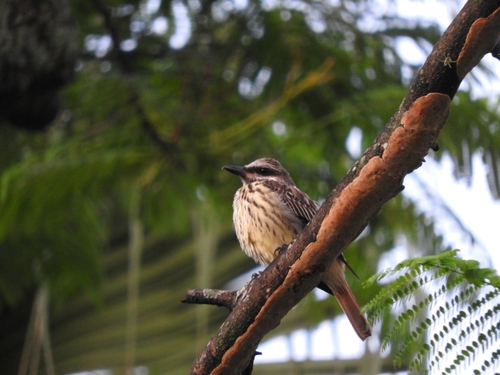
キバラブチタイランチョウ (Myiodynastes luteiventris) キバラブチタイランチョウ
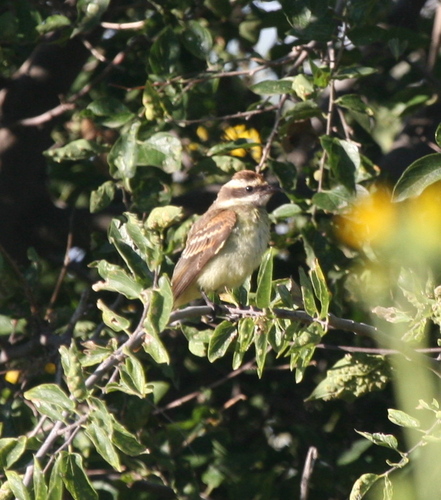
ホオジロタイランチョウ (Legatus leucophaius) ホオジロタイランチョウ

メディア

読み込み中…

要点

幼鳥のキバラブチタイランチョウは、翼の覆羽と二次羽に強いシナモンバフの縁を示しますが、幼鳥のホオジロタイランチョウは覆羽に広いシナモンの縁を持っていますが、キバラブチの強い黄色の腹部と縞模様が欠けています。両種の成鳥は下側に縞模様がありますが、キバラブチははるかに大きく、はっきりとした縞模様の硫黄黄色の腹部と赤褐色の尾を持ち、ホオジロは小さく、下側は鈍い黄色の洗い流しと暗い尾を持っています。くちばしの形状と全体的な構造も異なります:キバラブチはより大きく、長いくちばしを持ち、ホオジロはコンパクトで短くて太いくちばしを持っています。最も信頼できる識別のためには、下側の色と縞模様、尾の色、くちばしの形に注目してください。

識別のコツ

  1. 幼鳥の翼のパターン: 幼鳥のキバラブチは、翼の覆羽と二次羽に強いシナモンバフの縁を示します。ホオジロの幼鳥は広いシナモンの縁を持っていますが、尾に錆色の縁と、より淡い、縞模様の少ない下側を示します。これを晩夏と初秋に使用してください。
  2. 下側の色と縞模様: 成鳥のキバラブチは、胸と側面に太く粗い黒い縞模様のある明るい硫黄黄色の下側を持っています。ホオジロは下側が淡い黄色で、通常は細かくて広がりの少ない茶色またはオリーブの縞模様を持っています。
  3. 喉のパターン: キバラブチの喉は白で、薄暗い縞模様があります。ホオジロの喉は無地の白で、縞模様がありません。これは近距離での重要な特徴です。
  4. 尾の色: キバラブチは主にシナモン赤褐色の尾を持ち、薄暗い縞模様があります。ホオジロの尾は薄暗い茶色または黒っぽい茶色で、時々明るい縁がありますが、全体的に赤褐色ではありません。
  5. くちばしの形: キバラブチは長くて強く、わずかにフック状のくちばしを持っています。ホオジロのくちばしは短く、広く、太いです。くちばしの形は横から見るとしばしば明らかです。
  6. 頭頂と眉斑: 両種は成鳥として部分的に隠れた黄色の頭頂斑を示すことがありますが、キバラブチの眉斑は淡い灰色でより目立ち、ホオジロの眉斑は鈍い白色で頭頂の下に回り込みます。
  7. 顔のパターン: キバラブチは、目の周りと耳の覆羽を通して強い暗いマスクを示します。ホオジロは薄暗い目の周りと耳の覆羽を持っていますが、マスクはあまりはっきりしておらず、頬は白く、全体的に鈍い顔をしています。
  8. 上面: キバラブチの上面は淡いオリーブ色で、バフの色合いがあり、縞模様があります。ホオジロの上面は暗い灰褐色またはオリーブ褐色で、淡い縁がありますが、コントラストは少ないです。
  9. サイズと構造: キバラブチははるかに大きくて頑丈で、尾が長く、より直立した姿勢を持っています。ホオジロはコンパクトで全体的に小さいです。
  10. 幼鳥の頭頂: 幼鳥のキバラブチは黄色の頭頂斑がなく、上部はよりバフ色です。幼鳥のホオジロは頭羽に淡いシナモンの先端とバフ色の眉斑を持っています。
  11. 幼鳥の尾の縁: 幼鳥のホオジロは尾羽に錆色の縁を示し、微妙ですが時々見える特徴です。
  12. 足と虹彩の色: 両種は薄暗い足と茶色の虹彩を持っていますが、識別には役立ちません。
  13. 季節的文脈: メキシコと中央アメリカでは、ホオジロは9月下旬から1月まで不在または稀です。キバラブチは渡り鳥ですが、タイミングが重なります。確信がない場合は、eBirdで地元の豊富さを確認してください。
  14. 生息地の文脈: キバラブチは河川沿いの森林や山地の森林を好み、ホオジロはより一般的で、さまざまな森林生息地に見られます。
  15. 声の特徴: メモには記載されていません。現在の情報に基づいて声に頼らないでください。

大きさ

キバラブチタイランチョウはホオジロタイランチョウのほぼ2倍の重さ(47 g対23 g)で、明らかに長い(約20 cm対14.5–17 cm)です。フィールドでは、キバラブチは大きく、頑丈で、長い尾を持っているように見えますが、ホオジロは明らかに小さく、よりコンパクトで、短いくちばしを持っています。このサイズの違いは、両方が同じエリアで見られる場合にはしばしば明らかですが、単独または遠くから見た場合には誤解を招くことがあります。

羽色

幼鳥のキバラブチタイランチョウは、黄色の頭頂斑がほとんどないか全くなく、上面には強い茶色がかったバフの色合いがあり、翼の覆羽と二次羽にシナモンバフの縁があります。幼鳥のホオジロタイランチョウは頭に黄色がなく、頭羽には淡いシナモンの先端、バフ色の眉斑、翼の覆羽に広いシナモンの縁、尾に錆色の縁、そして縞模様の少ない淡い下側を持っています。成鳥では、キバラブチは淡い灰色の前頭部、はっきりした暗いマスク、薄暗い縞模様のある赤褐色の尾、胸と側面に重い黒い縞模様のある明るい硫黄黄色の下側を示します。ホオジロの成鳥は黒っぽい頭に部分的に隠れた黄色の斑点、広い鈍い白色の眉斑、淡い縁のある暗い灰褐色の上面、薄暗い茶色の尾、胸と側面に茶色またはオリーブの縞模様のある淡い黄色の下側を持っていますが、これらの縞模様は通常、キバラブチよりも目立たないです。キバラブチの喉は縞模様がありますが、ホオジロの喉は無地の白です。キバラブチの尾は主にシナモン赤褐色で、ホオジロの暗い尾と対照的です。

行動

両種は樹上性のタイランチョウで、しばしば木の中〜上部に止まります。キバラブチはより頑丈で直立しているように見える傾向があり、目立つ止まり木から飛び出すことがよくあります。ホオジロタイランチョウはよりコンパクトで、より隠れたように見えることがあり、時には混合群れと関連しています。両者は昆虫を捕まえ、果物をついばむことがありますが、行動の違いは微妙で、フィールドでの診断には強くありません。

生息環境

キバラブチタイランチョウは通常、南アリゾナからボリビアまで見られ、森林の縁、河川沿いの森林、そして大きな木のある半開放的な地域を好みます。ホオジロタイランチョウはより広い範囲に分布し、メキシコから南アメリカのほとんど(チリを除く)に生息し、二次成長、プランテーション、森林の縁など、さまざまな森林生息地でも見られます。両者は中央および北部南アメリカで重なることがありますが、キバラブチは河川沿いの森林や山地の生息地により結びついており、ホオジロはより一般的です。

より良い説明を送る

比較と同じ項目を使ってください。文章はすぐに公開されます。

Juvenile Sulphur-bellied Flycatchers show strong cinnamon-buff edges on the wing coverts and secondaries, while juvenile Piratic Flycatchers have wide cinnamon edges on the coverts but lack the strong yellow underparts and streaking of Sulphur-bellied. Adults of both species are streaked below, but Sulphur-bellied is much larger, with a boldly streaked sulphur-yellow belly and a rufous tail, while Piratic is smaller, with a duller yellow wash below and a dark tail. Bill shape and overall structure also differ: Sulphur-bellied is bulkier and longer-billed, while Piratic is compact with a short, stubby bill. Focus on underpart color and streaking, tail color, and bill shape for the most reliable separation.

  1. Juvenile wing pattern: Juvenile Sulphur-bellied shows strong cinnamon-buff edges on the wing coverts and secondaries; Piratic juveniles have wide cinnamon edges but also show rusty edges on the tail and paler, less streaked underparts. Use this in late summer and early fall.
  2. Underpart color and streaking: Adult Sulphur-bellied has bright sulphur-yellow underparts with bold, coarse black streaks on the breast and flanks; Piratic is paler yellow below, with brownish or olive streaks that are usually finer and less extensive.
  3. Throat pattern: Sulphur-bellied's throat is white with dusky streaks; Piratic's throat is plain white and unstreaked. This is a key mark at close range.
  4. Tail color: Sulphur-bellied has a mostly cinnamon-rufous tail with dusky streaks; Piratic's tail is dusky brown or blackish brown, sometimes with lighter edges but never rufous overall.
  5. Bill shape: Sulphur-bellied has a long, strong, and slightly hooked bill; Piratic's bill is short, wide, and stubby. Bill shape is often obvious in profile.
  6. Crown and supercilium: Both species can show a partially hidden yellow crown patch as adults, but Sulphur-bellied's supercilium is pale hoary gray and more prominent, while Piratic's is dull whitish and wraps under the crown.
  7. Facial pattern: Sulphur-bellied shows a strong dark mask through the lores and ear coverts; Piratic has dusky lores and ear coverts but a less defined mask, with white cheeks and a duller overall face.
  8. Upperparts: Sulphur-bellied's upperparts are light olive with a buffy tinge and streaked; Piratic's are dark grayish brown or olive-brown with pale edges but less contrast.
  9. Size and structure: Sulphur-bellied is much larger and bulkier, with a longer tail and more upright stance; Piratic is compact and smaller overall.
  10. Juvenile crown: Juvenile Sulphur-bellied lacks the yellow crown patch and is more buffy above; juvenile Piratic has light cinnamon tips on the crown feathers and a buffy supercilium.
  11. Tail edges in juveniles: Juvenile Piratic shows rusty edges on the tail feathers, a subtle but sometimes visible mark.
  12. Leg and iris color: Both have dusky legs and brown irises; not useful for separation.
  13. Seasonal context: In Mexico and Central America, Piratic is absent or rare from late September through January; Sulphur-bellied is migratory but overlaps in timing. Check local abundance on eBird if unsure.
  14. Habitat context: Sulphur-bellied prefers riparian and montane forests, Piratic is more generalist and found in a wider range of wooded habitats.
  15. Vocalizations: Not described in the notes; do not rely on voice for separation based on current information.

Sulphur-bellied Flycatcher is nearly twice as heavy (47 g vs. 23 g) and noticeably longer (about 20 cm vs. 14.5–17 cm) than Piratic Flycatcher. In the field, Sulphur-bellied appears large, robust, and long-tailed, while Piratic is distinctly smaller, more compact, and short-billed. This size difference is often obvious if both are seen in the same area, but can be misleading if seen alone or at a distance.

Juvenile Sulphur-bellied Flycatchers have little or no yellow crown patch, a strong brownish-buffy tinge to the upperparts, and cinnamon-buff edges on the wing coverts and secondaries. Juvenile Piratic Flycatchers lack any yellow on the crown, have light cinnamon tips on the crown feathers, a buffy supercilium, wide cinnamon edges on the wing coverts, rusty edges on the tail, and paler underparts with few or no streaks. In adults, Sulphur-bellied shows a pale hoary gray forecrown, a bold dark mask, a rufous tail with dusky streaks, and bright sulphur-yellow underparts with heavy black streaking on the breast and flanks. Piratic adults have a blackish crown with a partially hidden yellow patch, a wide dull whitish supercilium, dark grayish brown upperparts with pale edges, a dusky brown tail, and pale yellowish underparts with brownish or olive streaks on the breast and flanks, but these streaks are typically less bold than in Sulphur-bellied. The throat of Sulphur-bellied is streaked, while Piratic's is plain white. The tail of Sulphur-bellied is mostly cinnamon-rufous, contrasting with the dark tail of Piratic.

Both species are arboreal flycatchers, often perching at mid to upper levels in trees. Sulphur-bellied tends to appear more robust and upright, often sallying from prominent perches. Piratic Flycatcher is more compact and may appear more furtive, sometimes associating with mixed flocks. Both sally for insects and may glean fruit, but differences in behavior are subtle and not strongly diagnostic in the field.

Sulphur-bellied Flycatcher is typically found from southern Arizona south to Bolivia, favoring forest edges, riparian woodlands, and semi-open areas with large trees. Piratic Flycatcher has a broader range, occurring from Mexico through most of South America (except Chile), and is also found in a variety of wooded habitats, including second growth, plantations, and forest edges. Both may overlap in Central and northern South America, but Sulphur-bellied is more tied to riparian and montane habitats, while Piratic is more generalist.

変更を破棄しますか?

保存していない編集があります。今離れると失われます。

キバラブチタイランチョウ · ホオジロタイランチョウ · 苦手な鳥