

Motmot

ムカシジシギ 対 オオジシギ

Coenocorypha aucklandica 対 Gallinago hardwickii

ムカシジシギとオオジシギのクイズ
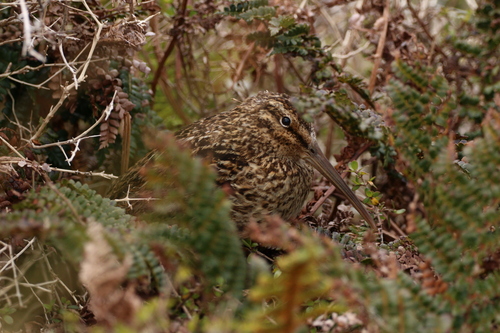
ムカシジシギ (Coenocorypha aucklandica) ムカシジシギ
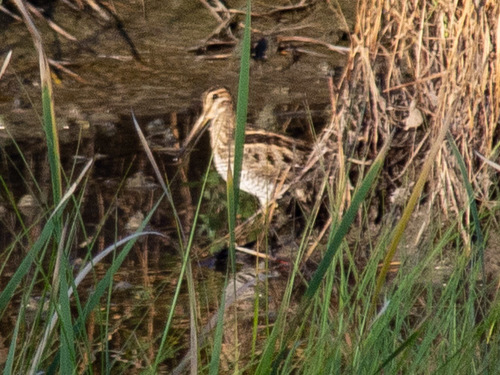
オオジシギ (Gallinago hardwickii) オオジシギ

メディア

読み込み中…

要点

The most reliable field mark between Subantarctic Snipe and Latham's Snipe is overall size and structure: Latham's Snipe is distinctly larger and heavier-bodied, with a longer bill and wingspan. Both species have cryptic brown plumage with black and rufous markings, but Subantarctic Snipe shows a more compact, short-legged appearance and a relatively shorter bill. In the field, Latham's Snipe can appear lankier and more elongated, especially in flight. No age-specific wing pattern differences are described for either species, so focus on structure and subtle plumage cues. Habitat context is also helpful: Subantarctic Snipe is restricted to New Zealand's subantarctic islands, while Latham's Snipe is a migratory species found in East Asia and Australasia.

識別のコツ

  1. Size and Structure: Latham's Snipe is much larger and heavier than Subantarctic Snipe. Use this as your first check, especially if you have a direct comparison or experience with both.
  2. Bill Length: Latham's Snipe has a noticeably longer bill (about 7 cm) compared to the Subantarctic Snipe's shorter, stouter bill (about 5 cm). This is best judged at close range or with good photos.
  3. Body Proportions: Subantarctic Snipe is compact, with sturdy legs and a short-necked, short-tailed look. Latham's Snipe appears longer-necked, longer-billed, and more elongated overall.
  4. Head Pattern: Subantarctic Snipe has a head striped in black and reddish brown. Latham's Snipe also has a striped head, but with more contrast and possible buff or white marks; this is subtle and not always reliable in the field.
  5. Plumage Tone: Subantarctic Snipe tends to look more uniformly brown and rufous, while Latham's Snipe can show more contrast with black, brown, buff, and white in its cryptic pattern. Look for paler or more contrasting marks on Latham's Snipe, especially on the upperparts and face.
  6. Flight Impression: Latham's Snipe looks longer-winged and more powerful in flight; Subantarctic Snipe is more compact and may appear to have shorter wings and tail.
  7. Habitat and Range: If you are on New Zealand's subantarctic islands, Subantarctic Snipe is the default. In mainland Australia, Japan, or migratory stopover sites, expect Latham's Snipe.
  8. Leg Color and Structure: Both species have sturdy legs, but Subantarctic Snipe's may appear proportionally thicker and shorter. This is subtle and best used as supporting evidence.
  9. Behavior When Flushed: Latham's Snipe is wary and flushes at a distance, flying strongly and directly. Subantarctic Snipe may be more approachable, especially on predator-free islands.
  10. No Age-Specific Flight Marks: Neither species is described as having distinctive juvenile or immature upperwing patterns that aid separation. Do not rely on flight pattern or wing panels for these two.
  11. Bill Shape: Both have slender, straight bills, but Latham's is longer and may appear slightly more tapered.
  12. Voice: No diagnostic vocal differences are described in the sources; do not rely on calls for separation.
  13. Season: Latham's Snipe is migratory and may be seen in Australia and Japan during migration and winter; Subantarctic Snipe is resident year-round on its islands.
  14. Direct Comparison: If you see both together (unlikely in the wild), the size difference is striking and diagnostic.
  15. Plumage Pitfalls: Both are cryptic and can appear similar in poor light or at a distance; always combine multiple marks for a confident ID.

大きさ

Latham's Snipe is significantly larger, with a body mass averaging about 153 g compared to Subantarctic Snipe's 109 g [wikidata]. Latham's Snipe measures 29–33 cm in length and has a wingspan of 50–54 cm, while Subantarctic Snipe is about 23 cm long (wingspan not specified, but clearly smaller overall) [wikipedia]. In the field, Latham's Snipe will look longer-necked, longer-billed, and bulkier, while Subantarctic Snipe is more compact and short-legged.

羽色

No age-specific upperwing or flight pattern differences are described for these two species. Both have cryptic brown, black, and rufous mottled plumage, but Subantarctic Snipe is described as having a head striped in black and reddish brown, with overall brown and reddish brown mottling. Latham's Snipe is noted for its more complex pattern with black, brown, buff, and white, but the field marks are not detailed beyond this. Both species lack obvious pale trailing edges or distinctive upperwing panels that would allow for easy separation in flight. Thus, plumage differences are subtle and best assessed at close range, with Subantarctic Snipe tending toward a more uniform brown and rufous look, and Latham's Snipe potentially showing more contrast and paler marks.

行動

Behavioral differences are not detailed in the sources. Both species are secretive, ground-dwelling waders with similar habits. Subantarctic Snipe may appear more confiding on predator-free islands, while Latham's Snipe is wary and flushes readily. In flight, Latham's Snipe may appear more powerful and direct due to its larger size.

生息環境

Habitat is a strong clue: Subantarctic Snipe is endemic to New Zealand's subantarctic islands and is not found elsewhere. Latham's Snipe is migratory, breeding in northern Japan and eastern Russia, and wintering in eastern Australia and nearby regions. If seen on New Zealand's subantarctic islands, it is almost certainly Subantarctic Snipe; if on mainland Australia or Japan, Latham's Snipe is far more likely.

より良い説明を送る

比較と同じ項目を使ってください。文章はすぐに公開されます。

The most reliable field mark between Subantarctic Snipe and Latham's Snipe is overall size and structure: Latham's Snipe is distinctly larger and heavier-bodied, with a longer bill and wingspan. Both species have cryptic brown plumage with black and rufous markings, but Subantarctic Snipe shows a more compact, short-legged appearance and a relatively shorter bill. In the field, Latham's Snipe can appear lankier and more elongated, especially in flight. No age-specific wing pattern differences are described for either species, so focus on structure and subtle plumage cues. Habitat context is also helpful: Subantarctic Snipe is restricted to New Zealand's subantarctic islands, while Latham's Snipe is a migratory species found in East Asia and Australasia.

  1. Size and Structure: Latham's Snipe is much larger and heavier than Subantarctic Snipe. Use this as your first check, especially if you have a direct comparison or experience with both.
  2. Bill Length: Latham's Snipe has a noticeably longer bill (about 7 cm) compared to the Subantarctic Snipe's shorter, stouter bill (about 5 cm). This is best judged at close range or with good photos.
  3. Body Proportions: Subantarctic Snipe is compact, with sturdy legs and a short-necked, short-tailed look. Latham's Snipe appears longer-necked, longer-billed, and more elongated overall.
  4. Head Pattern: Subantarctic Snipe has a head striped in black and reddish brown. Latham's Snipe also has a striped head, but with more contrast and possible buff or white marks; this is subtle and not always reliable in the field.
  5. Plumage Tone: Subantarctic Snipe tends to look more uniformly brown and rufous, while Latham's Snipe can show more contrast with black, brown, buff, and white in its cryptic pattern. Look for paler or more contrasting marks on Latham's Snipe, especially on the upperparts and face.
  6. Flight Impression: Latham's Snipe looks longer-winged and more powerful in flight; Subantarctic Snipe is more compact and may appear to have shorter wings and tail.
  7. Habitat and Range: If you are on New Zealand's subantarctic islands, Subantarctic Snipe is the default. In mainland Australia, Japan, or migratory stopover sites, expect Latham's Snipe.
  8. Leg Color and Structure: Both species have sturdy legs, but Subantarctic Snipe's may appear proportionally thicker and shorter. This is subtle and best used as supporting evidence.
  9. Behavior When Flushed: Latham's Snipe is wary and flushes at a distance, flying strongly and directly. Subantarctic Snipe may be more approachable, especially on predator-free islands.
  10. No Age-Specific Flight Marks: Neither species is described as having distinctive juvenile or immature upperwing patterns that aid separation. Do not rely on flight pattern or wing panels for these two.
  11. Bill Shape: Both have slender, straight bills, but Latham's is longer and may appear slightly more tapered.
  12. Voice: No diagnostic vocal differences are described in the sources; do not rely on calls for separation.
  13. Season: Latham's Snipe is migratory and may be seen in Australia and Japan during migration and winter; Subantarctic Snipe is resident year-round on its islands.
  14. Direct Comparison: If you see both together (unlikely in the wild), the size difference is striking and diagnostic.
  15. Plumage Pitfalls: Both are cryptic and can appear similar in poor light or at a distance; always combine multiple marks for a confident ID.

Latham's Snipe is significantly larger, with a body mass averaging about 153 g compared to Subantarctic Snipe's 109 g [wikidata]. Latham's Snipe measures 29–33 cm in length and has a wingspan of 50–54 cm, while Subantarctic Snipe is about 23 cm long (wingspan not specified, but clearly smaller overall) [wikipedia]. In the field, Latham's Snipe will look longer-necked, longer-billed, and bulkier, while Subantarctic Snipe is more compact and short-legged.

No age-specific upperwing or flight pattern differences are described for these two species. Both have cryptic brown, black, and rufous mottled plumage, but Subantarctic Snipe is described as having a head striped in black and reddish brown, with overall brown and reddish brown mottling. Latham's Snipe is noted for its more complex pattern with black, brown, buff, and white, but the field marks are not detailed beyond this. Both species lack obvious pale trailing edges or distinctive upperwing panels that would allow for easy separation in flight. Thus, plumage differences are subtle and best assessed at close range, with Subantarctic Snipe tending toward a more uniform brown and rufous look, and Latham's Snipe potentially showing more contrast and paler marks.

Behavioral differences are not detailed in the sources. Both species are secretive, ground-dwelling waders with similar habits. Subantarctic Snipe may appear more confiding on predator-free islands, while Latham's Snipe is wary and flushes readily. In flight, Latham's Snipe may appear more powerful and direct due to its larger size.

Habitat is a strong clue: Subantarctic Snipe is endemic to New Zealand's subantarctic islands and is not found elsewhere. Latham's Snipe is migratory, breeding in northern Japan and eastern Russia, and wintering in eastern Australia and nearby regions. If seen on New Zealand's subantarctic islands, it is almost certainly Subantarctic Snipe; if on mainland Australia or Japan, Latham's Snipe is far more likely.

変更を破棄しますか?

保存していない編集があります。今離れると失われます。

ムカシジシギ · オオジシギ · 苦手な鳥