

Subantarctic Snipe vs Latham's Snipe
Coenocorypha aucklandica contro Gallinago hardwickii
Fai un quiz con Subantarctic Snipe e Latham's Snipe
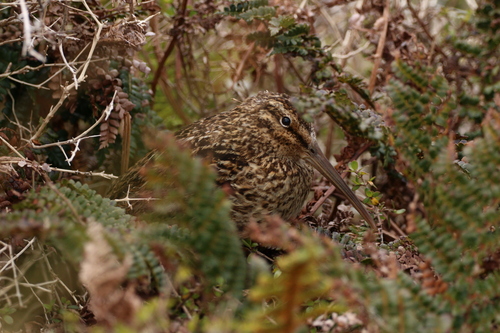 Subantarctic Snipe
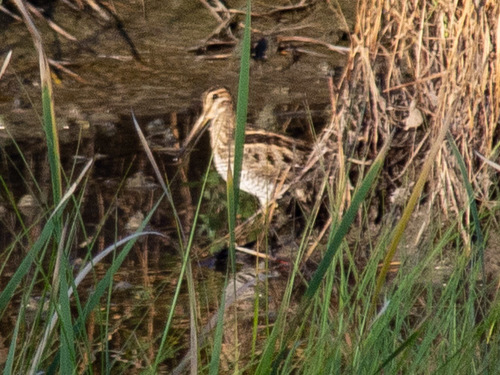 Latham's Snipe
In breve
Il segno di campo più affidabile tra Subantarctic Snipe e Latham's Snipe è la dimensione e la struttura complessiva: Latham's Snipe è decisamente più grande e pesante, con un becco e un'apertura alare più lunghi. Entrambe le specie hanno un piumaggio criptico marrone con marcature nere e rufous, ma Subantarctic Snipe mostra un aspetto più compatto e con zampe corte e un becco relativamente più corto. Sul campo, Latham's Snipe può apparire più snello e allungato, specialmente in volo. Non sono descritte differenze nei modelli delle ali specifiche per età per nessuna delle due specie, quindi concentrati sulla struttura e sui segnali di piumaggio sottili. Il contesto dell'habitat è anche utile: Subantarctic Snipe è limitato alle isole subantartiche della Nuova Zelanda, mentre Latham's Snipe è una specie migratoria che si trova in Asia orientale e in Australasia.
Consigli di identificazione
- Dimensione e Struttura: Latham's Snipe è molto più grande e pesante di Subantarctic Snipe. Usa questo come primo controllo, specialmente se hai un confronto diretto o esperienza con entrambi.
- Lunghezza del Becco: Latham's Snipe ha un becco visibilmente più lungo (circa 7 cm) rispetto al becco più corto e robusto di Subantarctic Snipe (circa 5 cm). Questo è meglio giudicato a distanza ravvicinata o con buone foto.
- Proporzioni del Corpo: Subantarctic Snipe è compatto, con zampe robuste e un aspetto con collo corto e coda corta. Latham's Snipe appare con collo più lungo, becco più lungo e più allungato nel complesso.
- Modello della Testa: Subantarctic Snipe ha una testa striata di nero e marrone rossiccio. Anche Latham's Snipe ha una testa striata, ma con più contrasto e possibili segni di buff o bianco; questo è sottile e non sempre affidabile sul campo.
- Tono del Piumaggio: Subantarctic Snipe tende a sembrare più uniformemente marrone e rufous, mentre Latham's Snipe può mostrare più contrasto con nero, marrone, buff e bianco nel suo modello criptico. Cerca segni più chiari o più contrastanti su Latham's Snipe, specialmente sulle parti superiori e sul viso.
- Impressione di Volo: Latham's Snipe appare con ali più lunghe e più potenti in volo; Subantarctic Snipe è più compatto e può apparire avere ali e coda più corte.
- Habitat e Distribuzione: Se ti trovi sulle isole subantartiche della Nuova Zelanda, Subantarctic Snipe è la scelta predefinita. Nella terraferma australiana, in Giappone o in siti di sosta migratoria, aspettati Latham's Snipe.
- Colore e Struttura delle Zampe: Entrambe le specie hanno zampe robuste, ma quelle di Subantarctic Snipe possono apparire proporzionalmente più spesse e corte. Questo è sottile e meglio utilizzato come prova di supporto.
- Comportamento Quando Spaventato: Latham's Snipe è diffidente e si spaventa a distanza, volando in modo forte e diretto. Subantarctic Snipe può essere più avvicinabile, specialmente su isole prive di predatori.
- Nessun Segno di Volo Specifico per Età: Nessuna delle due specie è descritta come avente modelli distintivi di ali superiori giovanili o immaturi che aiutino a separarle. Non fare affidamento su modelli di volo o pannelli delle ali per queste due.
- Forma del Becco: Entrambi hanno becchi sottili e dritti, ma quello di Latham's è più lungo e può apparire leggermente più affusolato.
- Voce: Non sono descritte differenze vocali diagnostiche nelle fonti; non fare affidamento sui richiami per la separazione.
- Stagione: Latham's Snipe è migratoria e può essere vista in Australia e Giappone durante la migrazione e l'inverno; Subantarctic Snipe è residente tutto l'anno sulle sue isole.
- Confronto Diretto: Se vedi entrambi insieme (improbabile in natura), la differenza di dimensione è sorprendente e diagnostica.
- Trappole del Piumaggio: Entrambi sono criptici e possono apparire simili in scarsa illuminazione o a distanza; combina sempre più segni per un'identificazione sicura.
Taglia
Latham's Snipe è significativamente più grande, con una massa corporea media di circa 153 g rispetto ai 109 g di Subantarctic Snipe [wikidata]. Latham's Snipe misura 29–33 cm di lunghezza e ha un'apertura alare di 50–54 cm, mentre Subantarctic Snipe è lungo circa 23 cm (apertura alare non specificata, ma chiaramente più piccolo nel complesso) [wikipedia]. Sul campo, Latham's Snipe apparirà con collo più lungo, becco più lungo e più robusto, mentre Subantarctic Snipe è più compatto e con zampe corte.
Piumaggio
Non sono descritte differenze specifiche per età nei modelli delle ali superiori o nei modelli di volo per queste due specie. Entrambe hanno un piumaggio criptico marrone, nero e rufous maculato, ma Subantarctic Snipe è descritta come avente una testa striata di nero e marrone rossiccio, con maculature complessive marroni e marrone rossiccio. Latham's Snipe è nota per il suo modello più complesso con nero, marrone, buff e bianco, ma i segni sul campo non sono dettagliati oltre questo. Entrambe le specie mancano di evidenti bordi chiari o pannelli superiori distintivi che consentirebbero una facile separazione in volo. Pertanto, le differenze nel piumaggio sono sottili e meglio valutate a distanza ravvicinata, con Subantarctic Snipe che tende verso un aspetto più uniforme marrone e rufous, e Latham's Snipe che potrebbe mostrare più contrasto e segni più chiari.
Comportamento
Le differenze comportamentali non sono dettagliate nelle fonti. Entrambe le specie sono wader segreti, terrestri, con abitudini simili. Subantarctic Snipe può apparire più confidente su isole prive di predatori, mentre Latham's Snipe è diffidente e si spaventa facilmente. In volo, Latham's Snipe può apparire più potente e diretto a causa della sua dimensione maggiore.
Habitat
L'habitat è un forte indizio: Subantarctic Snipe è endemica delle isole subantartiche della Nuova Zelanda e non si trova altrove. Latham's Snipe è migratoria, nidificando nel Giappone settentrionale e nella Russia orientale, e svernando nell'Australia orientale e nelle regioni vicine. Se vista sulle isole subantartiche della Nuova Zelanda, è quasi certamente Subantarctic Snipe; se sulla terraferma australiana o in Giappone, Latham's Snipe è molto più probabile.
Subantarctic Snipe · Latham's Snipe · I miei uccelli difficili