

Motmot

コウヨウジャク 対 キムネコウヨウジャク

Ploceus manyar 対 Ploceus philippinus

コウヨウジャクとキムネコウヨウジャクのクイズ
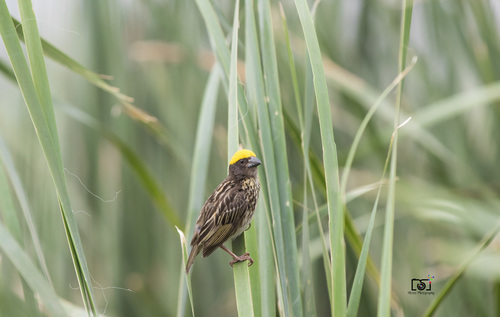
コウヨウジャク (Ploceus manyar) コウヨウジャク
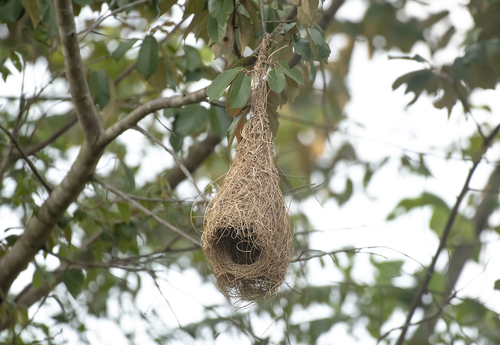
キムネコウヨウジャク (Ploceus philippinus) キムネコウヨウジャク

メディア

読み込み中…

要点

ストリークドウィーバーとキムネコウヨウジャクの最も信頼できるフィールドマークは、ストリークドウィーバーに見られるストリークのある腹部の存在であり、キムネコウヨウジャクにはありません。両種は全体的な形状と色合いが似ているため、混乱が頻繁に起こりますが、下部のパターンに注意を払うことが診断的です。生息地の重複は広範ですが、ストリークドウィーバーは一般的にあまり見られず、葦原により結びついているのに対し、キムネコウヨウジャクは開けた国に広く分布し、しばしば大きな群れで見られます。幼鳥や非繁殖期の鳥は特に難しい場合があるため、正確な識別のためには腹部のストリークと文脈に焦点を当ててください。

識別のコツ

  1. ストリークのある腹部: ストリークドウィーバーは常に胸と腹に明らかな暗いストリークを示し、近距離で見えることがあり、良い光の下では遠くからでも見えることがあります。キムネコウヨウジャクは年齢や性別に関係なく常に平坦です。これは最も信頼できるフィールドマークです。
  2. 繁殖期のオスの頭の色: 繁殖期には、オスのキムネコウヨウジャクは明るい黄色の冠と胸を持ち、ストリークドウィーバーにはありません。鮮やかな黄色の頭と平坦な腹部を持つウィーバーを見たら、それはキムネコウヨウジャクです。ストリークドウィーバーのオスはより控えめで、広範な黄色はなく、常にストリークがあります。
  3. 非繁殖期と幼鳥の混乱: 両種の未熟な鳥と非繁殖期の鳥は鈍い茶色で明るい黄色がなく、ストリークドウィーバーの幼鳥と雌はまだストリークのある腹部を示します。すべての年齢のキムネコウヨウジャクは平坦です。
  4. 生息地の文脈: ストリークドウィーバーは葦原や湿った水辺に強く結びついており、しばしば小さなコロニーで見られます。キムネコウヨウジャクは開けた野原、草地、さらには都市公園で見られる可能性が高く、通常は大きな群れで見られます。
  5. 巣の配置: 巣を見た場合、キムネコウヨウジャクの巣は大きなフラスコ型の構造で、しばしば木やヤシから吊るされ、水や乾燥した地面の上にあることがあります。ストリークドウィーバーの巣はコロニアルですが、より頻繁に水の近くの葦の中に作られます。
  6. 群れのサイズと行動: 開けた国の大きくて騒がしい群れはほぼ常にキムネコウヨウジャクです。ストリークドウィーバーはそのような数や開けた状況ではめったに見られません。
  7. くちばしと構造: 両種は似たような円錐形のくちばしとコンパクトな体を持ち、構造はフィールドでの信頼できる区別にはなりません。
  8. 飛行と翼のパターン: どちらの種にも特徴的な上翼や飛行のマークは記載されていないため、区別のために翼のパターンに頼らないでください。
  9. 性差: 雌と非繁殖期のオスのキムネコウヨウジャクは下部が平坦ですが、すべてのストリークドウィーバー(オス、雌、幼鳥)は下部がストリークです。
  10. 豊富さ: キムネコウヨウジャクは一般的にはるかに一般的で広範囲に分布しています。典型的な開けた国の生息地にいて、平坦な腹部のウィーバーを見た場合、キムネコウヨウジャクがデフォルトです。
  11. 落とし穴: 黄色のトーンだけに頼らないでください。非繁殖期のキムネコウヨウジャクは鈍く見えることがあり、全体の色でストリークドウィーバーと重なることがあります。常に腹部のストリークを確認してください。
  12. 季節的文脈: 繁殖期のオスは頭の色(キムネコウヨウジャクは黄色、ストリークドウィーバーはそうではない)で最も簡単に区別できますが、非繁殖期や幼鳥の中では、腹部のストリークが唯一の安全なマークです。
  13. 地理的範囲: 両種は南アジアと東南アジアで広く重なっているため、範囲だけで識別しないでください。
  14. 止まっているときと飛んでいるとき: 両種は止まっているときに最も簡単に区別でき、腹部が見えます。飛んでいるときは、腹部をよく見ることができない限り、区別は難しいです。
  15. 疑わしい場合: 腹部がはっきり見えない場合は、この2種の間で自信を持って識別しようとしないでください。

大きさ

両種はサイズと構造が非常に似ているため、サイズは信頼できるフィールドマークではありません。キムネコウヨウジャクの平均質量は約25gであることが記録されていますが、ストリークドウィーバーの特定の質量は示されていませんが、フィールド経験と参考文献は彼らが密接に一致していることを示唆しています。両方とも小さくてコンパクトなウィーバーで、短い尾と円錐形のくちばしを持っていると予想されます。

羽色

最も一貫した羽毛の違いは、ストリークドウィーバーのストリークのある腹部(すべての年齢と性別)であり、これはキムネコウヨウジャクの平坦でストリークのない腹部と対照的です。この違いは、幼鳥や非繁殖期の鳥にも当てはまり、全体的な色合いは非常に似ており、オスの成鳥の明るい繁殖羽毛は欠けています。繁殖期には、オスのキムネコウヨウジャクは明るい黄色の冠と胸を発達させますが、ストリークドウィーバーのオスはそのような広範な黄色を示さず、代わりにより控えめでストリークのある外観を保持します。上翼と飛行パターンはどちらの種にも特徴的ではないため、成鳥の腹部のストリークと頭の色に焦点を当ててください。両種の未熟な鳥と幼鳥は鈍いですが、ストリークドウィーバーの腹部のストリークは重要なマークのままです。

行動

両種は社会的でコロニアルに巣を作りますが、キムネコウヨウジャクは開けた国の農業地、草地、都市の端などで大きく目立つ群れで見られる可能性が高いです。ストリークドウィーバーは小さなコロニーで巣を作る傾向があり、しばしば葦原や水の近くで見られ、大きな開けた群れで見られる可能性は低いです。両種は精巧な巣を編みますが、キムネコウヨウジャクのフラスコ型の吊るされた巣は特に特徴的で、水や乾燥した地面の上に木やヤシから吊るされることがよくあります。ストリークドウィーバーの巣もコロニアルですが、より頻繁に水の近くの葦に置かれます。

生息環境

生息地の重複は広範です:両種は南アジアと東南アジア全体で見られ、しばしば水の近くに生息しています。キムネコウヨウジャクはより豊富で適応力があり、草地、耕作地、低木、二次成長に見られ、開けた国や都市部でもよく見られます。ストリークドウィーバーはあまり一般的ではなく、葦原や水域の湿った縁により密接に関連しており、そのような生息地から遠くに出ることはめったにありません。密集した葦原でウィーバーを見た場合、特に小さな群れであれば、ストリークドウィーバーを考慮してください。開けた野原や大きな群れでは、キムネコウヨウジャクの可能性が高いです。

より良い説明を送る

比較と同じ項目を使ってください。文章はすぐに公開されます。

The most reliable field mark between Streaked Weaver and Baya Weaver is the presence of streaked underparts on the Streaked Weaver, which are absent in Baya Weaver. Both species are similar in overall shape and coloration, leading to frequent confusion, but careful attention to the patterning below is diagnostic. Habitat overlap is extensive, but Streaked Weaver is generally less common and more tied to reed beds, while Baya Weaver is widespread in open country and often seen in larger flocks. Juvenile and non-breeding birds can be especially tricky, so focus on underpart streaking and context for the best chance at a correct ID.

  1. Streaked underparts: Streaked Weaver always shows obvious dark streaks on the breast and belly, visible at close range and sometimes even at a distance in good light. Baya Weaver is always plain below, regardless of age or sex. This is the single most reliable field mark.
  2. Breeding male head color: In breeding season, male Baya Weaver has a bright yellow crown and breast, which Streaked Weaver lacks. If you see a weaver with a vivid yellow head and plain underparts, it's a Baya Weaver. Streaked Weaver males are more subdued, with no extensive yellow and always streaked below.
  3. Non-breeding and juvenile confusion: Immature and non-breeding birds of both species are dull brownish and lack bright yellow, but Streaked Weaver juveniles and females still show streaked underparts. Baya Weaver of all ages is plain below.
  4. Habitat context: Streaked Weaver is strongly tied to reed beds and marshy water edges, often in small colonies. Baya Weaver is much more likely in open fields, grasslands, and even urban parks, usually in larger flocks.
  5. Nest placement: If you see the nest, Baya Weaver's is a large, retort-shaped structure often suspended from trees or palms, sometimes over water or dry ground. Streaked Weaver nests are colonial but more often built among reeds near water.
  6. Flock size and behavior: Large, noisy flocks in open country are almost always Baya Weaver. Streaked Weaver is rarely seen in such numbers or in such open situations.
  7. Bill and structure: Both species have similar conical bills and compact bodies; structure is not a reliable separator in the field.
  8. Flight and wing pattern: No distinctive upperwing or flight marks are described for either species, so do not rely on wing pattern for separation.
  9. Sex differences: Female and non-breeding male Baya Weavers are plain below, while all Streaked Weavers (male, female, juvenile) are streaked below.
  10. Abundance: Baya Weaver is generally much more common and widespread; if you are in typical open-country habitat and see a plain-bellied weaver, Baya Weaver is the default.
  11. Pitfalls: Do not rely on yellow tones alone, as non-breeding Baya Weavers can appear dull and overlap with Streaked Weaver in overall color. Always check the underparts for streaking.
  12. Seasonal context: Breeding males are easiest to separate by head color (yellow in Baya, not in Streaked), but in non-breeding season or among juveniles, underpart streaking is the only safe mark.
  13. Geographic range: Both species overlap widely in South and Southeast Asia, so do not use range alone for ID.
  14. Perched vs. in flight: Both species are most easily separated when perched and the underparts are visible. In flight, separation is difficult unless you get a good look at the belly.
  15. When in doubt: If you cannot see the underparts clearly, do not attempt a confident ID between these two species.

Both species are very similar in size and structure, making size an unreliable field mark. The Baya Weaver has a documented average mass of about 25 g [wikidata], while no specific mass is given for Streaked Weaver, but field experience and references suggest they are closely matched. Expect both to appear as small, compact weavers with short tails and conical bills.

The most consistent plumage difference is the streaked underparts of Streaked Weaver (all ages and sexes), which contrast with the plain, unstreaked underparts of Baya Weaver. This difference holds true even in juveniles and non-breeding birds, which are otherwise very similar in overall color and lack the bright breeding plumage of adult males. In breeding season, male Baya Weavers develop a bright yellow crown and breast, but Streaked Weaver males do not show such extensive yellow, instead retaining a more subdued, streaked look below. Upperwing and flight patterns are not described as distinctive for either species, so focus on underpart streaking and head color in adults. Immature and juvenile birds of both species are duller, but the streaking on Streaked Weaver's underparts remains a key mark.

Both species are social and nest colonially, but Baya Weaver is more likely to be seen in large, conspicuous flocks in open country, including agricultural fields, grasslands, and urban edges. Streaked Weaver tends to nest in smaller colonies, often in reed beds or near water, and is less likely to be seen in large, open flocks. Both species weave elaborate nests, but Baya Weaver's retort-shaped, hanging nests are especially distinctive and often suspended from trees or palms over water or dry ground. Streaked Weaver nests are also colonial but more often placed in reeds close to water.

Habitat overlap is broad: both occur across South and Southeast Asia, often near water. Baya Weaver is more abundant and adaptable, found in grasslands, cultivated fields, scrub, and secondary growth, and is often seen in open country and even urban areas. Streaked Weaver is less common and more closely associated with reed beds and marshy edges of water bodies, rarely venturing far from such habitats. If you see a weaver in a dense reed bed, especially in a small group, consider Streaked Weaver; in open fields or large flocks, Baya Weaver is more likely.

変更を破棄しますか?

保存していない編集があります。今離れると失われます。

コウヨウジャク · キムネコウヨウジャク · 苦手な鳥