

Motmot

カンムリサギ 対 アカガシラサギ

Ardeola ralloides 対 Ardeola bacchus

カンムリサギとアカガシラサギのクイズ
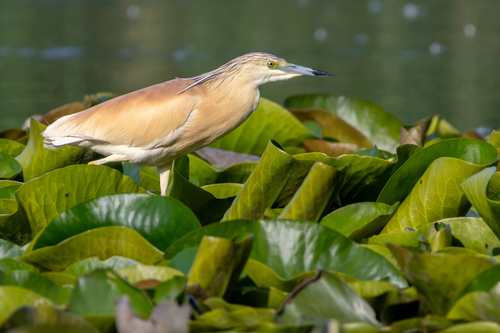
カンムリサギ (Ardeola ralloides) カンムリサギ
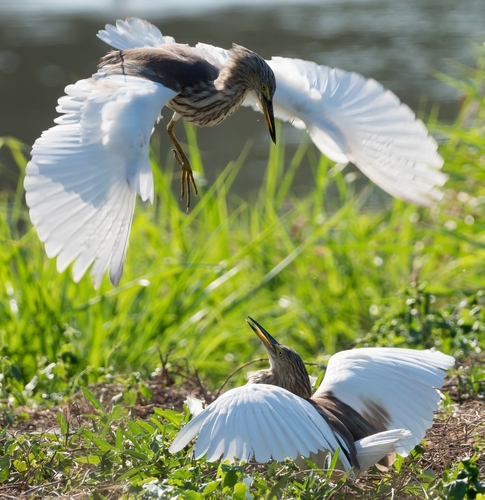
アカガシラサギ (Ardeola bacchus) アカガシラサギ

メディア

読み込み中…

要点

カンムリサギとアカガシラサギを区別するための最も信頼できるフィールドマークは、繁殖期の成鳥の羽色です:カンムリサギはバフブラウンの背中と長い首の羽飾りを示し、アカガシラサギは目を引く赤、青、白です。両種は白い翼のために飛行中はずっと白く見え、特に非繁殖期または未成熟の鳥と混同を引き起こす可能性があります。構造は微妙に異なり、カンムリサギはよりがっしりとしていて首が短いです。繁殖羽色がない場合、両種は地味で縞模様になり、繁殖成鳥がしっかりと見えない限りフィールドでの区別が難しくなります。生息地と分布は通常異なりますが、迷鳥が発生することがあります。

識別のコツ

  1. 繁殖期の成鳥の羽色が最良の区別点です: カンムリサギのバフブラウンの背中と長い淡い首の羽飾りを探してください。対してアカガシラサギの大胆な赤、青、白の繁殖色です。これは完全な繁殖羽色の時にのみ信頼できます。
  2. 非繁殖期および未成熟の鳥は非常に似ています: 両種は地味な茶色になり、淡い縞模様が現れ、色鮮やかまたは装飾的な特徴を失います。これらの羽色では、識別が非常に難しくなります。
  3. 飛行中、両種は白い翼を示します: これは観察者を誤解させる可能性があります。止まっている鳥はずっと地味に見えます。常に鳥を止まっている時と飛んでいる時の両方で見るようにしてください。
  4. 構造: カンムリサギはがっしりとしていて、首が短く、くちばしが太く短いです。アカガシラサギは黒い先端のある黄色いくちばしを持っていますが、これは微妙で常に見えるわけではありません。
  5. くちばしの色: アカガシラサギはすべての羽色で黒い先端のある黄色いくちばしを持っています。カンムリサギのくちばしはあまりはっきりとした特徴はありませんが、短くて太いです。
  6. 首の長さ: カンムリサギは特に止まっている時に、より背中を丸めて首が短く見えることがよくあります。
  7. 背中の色: 繁殖羽色では、カンムリサギはバフブラウンの背中を持ち、アカガシラサギは赤と青の背中です。繁殖期を過ぎると、両種は茶色っぽくなります。
  8. 首の羽飾り: カンムリサギは夏に長く淡い首の羽飾りを発達させますが、アカガシラサギにはそのような目立つ淡い羽飾りはありません。
  9. 足の色: 両種は黄色い足を持ち、信頼できる区別点ではありません。
  10. 生息地と分布: ヨーロッパ、中東、アフリカにいる場合、カンムリサギが期待されます。東アジアではアカガシラサギがデフォルトです。しかし、迷鳥が発生することがあるので、場所だけに頼らないでください。
  11. 混合コロニー: 両種は他のサギと一緒に巣を作ることがあるので、関連性を使って区別しないでください。
  12. サイズ: 両種は長さと質量が似ており、サイズを区別点として使用しないでください。
  13. 声: 情報源には区別できる鳴き声は記載されていません。
  14. 属レベルの混乱に注意: 両種は「池のサギ」グループ(Ardeola)の一部であり、すべてが白い翼の飛行外観を共有しています。
  15. **疑わしい場合は、繁殖期の成鳥の羽色と構造に焦点を当て、非繁殖期または未成熟の鳥には注意してください。フィールドで近くで長時間見ることなく、ほとんど区別できません。可能であれば、後で確認するために鳥の写真を撮ってください。"

大きさ

両種はサイズが似ており、カンムリサギは長さ44〜47 cm、翼幅80〜92 cm、アカガシラサギは通常約47 cmの長さです。カンムリサギの記録された平均体重は288 gです。フィールドでは、どちらの種も明らかに大きいまたは小さいわけではないので、サイズは信頼できる区別点ではありません。

羽色

繁殖期の成鳥は最も簡単に区別できます:カンムリサギはバフブラウンの背中、クリーミーな体、長い淡い首の羽飾りを示し、アカガシラサギははるかにカラフルで、赤、青、白のパターンを持っています。非繁殖期および未成熟の両種はずっと地味になり、灰色がかった茶色の上面と淡い縞模様が現れ、非常に似ています。飛行中、両種は年齢や季節に関係なく目を引く白い翼を示し、観察者を誤解させて同じ種だと思わせる可能性があります。情報源には、どちらの種の幼鳥や初冬の羽色について詳細は記載されていませんが、カンムリサギの飛行中の白への変化は記載されており、属に典型的です。くちばしの色が役立つことがあります:アカガシラサギは黒い先端のある黄色いくちばしを持ち、カンムリサギのくちばしは短くて太いですが、色はあまり強調されていません。

行動

両種はしばしば湿地で見られ、魚、カエル、昆虫を静かに食べています。カンムリサギはがっしりとしていて短い首と太いくちばしを持ち、しばしば背中を丸めていると説明されています。両種は混合コロニーで巣を作り、同様の採餌技術を使用します。飛行中、両種は地味で背中を丸めた外観から目を引く白い翼の鳥に変わります。フィールドでの行動の違いは強くありません。

生息環境

カンムリサギは南ヨーロッパと中東の湿地で繁殖し、アフリカで越冬し、他の地域では迷鳥として稀です。アカガシラサギは東アジアの低地湿地や池に生息し、淡水と塩水の両方で見られます。彼らの分布は通常重ならないが、両方に迷鳥が発生する可能性があるため、分布だけでは常に診断的ではありません。両種は発生する場所で似たような生息地を使用します。

より良い説明を送る

比較と同じ項目を使ってください。文章はすぐに公開されます。

The most reliable field mark for separating Squacco Heron from Chinese Pond Heron is the breeding adult plumage: Squacco Heron shows a buff-brown back and long neck plumes, while Chinese Pond Heron is strikingly red, blue, and white. Both species look much whiter in flight due to their white wings, which can cause confusion, especially with non-breeding or immature birds. Structure is subtly different, with Squacco Heron being stockier and shorter-necked. Out of breeding plumage, both species become drab and streaked, making field separation challenging unless breeding adults are seen well. Habitat and range are usually distinct, but vagrants can occur.

  1. Breeding adult plumage is the best separator: Look for the Squacco Heron's buff-brown back and long pale neck plumes, versus the Chinese Pond Heron's bold red, blue, and white breeding colors. This is only reliable in full breeding plumage.
  2. Non-breeding and immature birds are very similar: Both become dull brownish with pale streaking and lose their colorful or ornate features. In these plumages, identification is very difficult.
  3. In flight, both species show white wings: This can mislead observers, as perched birds look much duller. Always try to see the bird both perched and in flight.
  4. Structure: Squacco Heron is stockier, with a shorter neck and thicker, shorter bill. Chinese Pond Heron has a yellow bill with a black tip, but this is subtle and not always visible.
  5. Bill color: Chinese Pond Heron has a yellow bill with a black tip in all plumages; Squacco Heron's bill is less distinctly marked but is shorter and thicker.
  6. Neck length: Squacco Heron often appears more hunched and short-necked, especially when perched.
  7. Back color: In breeding plumage, Squacco Heron has a buff-brown back; Chinese Pond Heron is red and blue-backed. Out of breeding, both are brownish.
  8. Neck plumes: Squacco Heron develops long, pale neck plumes in summer; Chinese Pond Heron does not have such pronounced pale plumes.
  9. Leg color: Both species have yellow legs, not a reliable separator.
  10. Habitat and range: If in Europe, Middle East, or Africa, Squacco Heron is expected; in East Asia, Chinese Pond Heron is the default. However, vagrants do occur, so do not rely solely on location.
  11. Mixed heronries: Both species may nest with other herons, so do not use association to separate them.
  12. Size: Both are similar in length and mass; do not use size as a separator.
  13. Voice: No distinguishing vocalizations are described in the sources.
  14. Beware of genus-level confusion: Both species are part of the "pond heron" group (Ardeola), and all share the white-winged flight appearance.
  15. **When in doubt, focus on breeding adult plumage and structure, and be cautious with non-breeding or immature birds, as they are nearly inseparable in the field without close, prolonged views. If possible, photograph the bird for later review."

Both species are similar in size, with Squacco Heron at 44–47 cm in length and a wingspan of 80–92 cm, and Chinese Pond Heron typically around 47 cm long. Squacco Heron has a recorded average body mass of 288 g. In the field, neither species is distinctly larger or smaller than the other, so size is not a reliable separator.

Breeding adults are most easily separated: Squacco Heron shows a buff-brown back, creamy body, and long pale neck plumes, while Chinese Pond Heron is much more colorful, with a red, blue, and white pattern. Non-breeding and immature birds of both species become much duller, with greyish-brown upperparts and pale streaking, making them very similar. In flight, both species show strikingly white wings regardless of age or season, which can mislead observers into thinking they are the same species. Juvenile and first-winter plumages are not described in detail for either species in the sources, but the transformation to white in flight is noted for Squacco Heron and is typical for the genus. Bill color can help: Chinese Pond Heron has a yellow bill with a black tip, while Squacco Heron's bill is shorter and thicker, but color is less emphasized.

Both species are often seen in wetlands, feeding quietly on fish, frogs, and insects. Squacco Heron is described as stocky with a short neck and thick bill, often appearing hunched. Both species nest in mixed heronries and use similar foraging techniques. In flight, both transform from a drab, hunched appearance to a strikingly white-winged bird. There is no strong behavioral difference in the field.

Squacco Heron breeds in marshy wetlands in southern Europe and the Middle East, wintering in Africa, and is rare as a vagrant elsewhere. Chinese Pond Heron is found in lowland wetlands and ponds across East Asia, both in fresh and saltwater. While their ranges do not usually overlap, vagrancy is possible for both, so range alone is not always diagnostic. Both species use similar habitats where they occur.

変更を破棄しますか?

保存していない編集があります。今離れると失われます。

カンムリサギ · アカガシラサギ · 苦手な鳥