

Sgarza ciuffetto vs Chinese Pond-Heron
Ardeola ralloides contro Ardeola bacchus
Fai un quiz con Sgarza ciuffetto e Chinese Pond-Heron
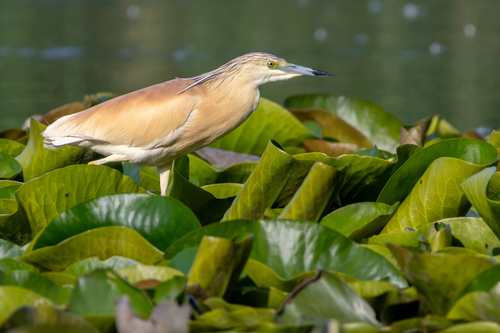 Sgarza ciuffetto
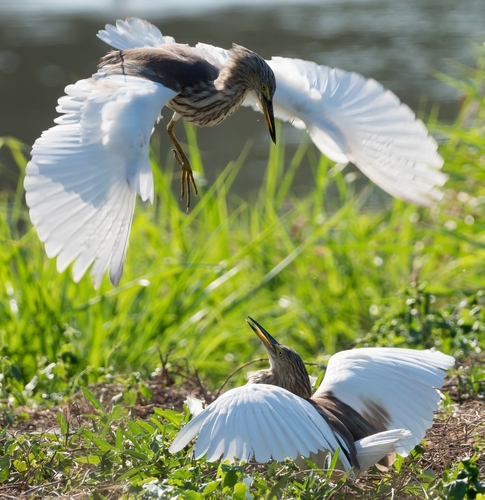 Chinese Pond-Heron
In breve
Il segno di campo più affidabile per separare la Sgarza ciuffetto dal Chinese Pond-Heron è il piumaggio degli adulti in riproduzione: la Sgarza ciuffetto mostra un dorso marrone chiaro e lunghe piume sul collo, mentre il Chinese Pond-Heron è straordinariamente rosso, blu e bianco. Entrambe le specie appaiono molto più bianche in volo a causa delle loro ali bianche, il che può causare confusione, specialmente con uccelli non in riproduzione o immaturi. La struttura è leggermente diversa, con la Sgarza ciuffetto che è più robusta e con collo più corto. Fuori dal piumaggio di riproduzione, entrambe le specie diventano opache e striate, rendendo difficile la separazione sul campo a meno che non si vedano bene gli adulti in riproduzione. L'habitat e l'areale sono solitamente distinti, ma possono verificarsi vagabondi.
Consigli di identificazione
- Il piumaggio degli adulti in riproduzione è il miglior separatore: Cerca il dorso marrone chiaro della Sgarza ciuffetto e le lunghe piume chiare sul collo, rispetto ai colori di riproduzione audaci del Chinese Pond-Heron, rosso, blu e bianco. Questo è affidabile solo in pieno piumaggio di riproduzione.
- Gli uccelli non in riproduzione e immaturi sono molto simili: Entrambi diventano di un marrone opaco con striature chiare e perdono le loro caratteristiche colorate o ornate. In questi piumaggi, l'identificazione è molto difficile.
- In volo, entrambe le specie mostrano ali bianche: Questo può ingannare gli osservatori, poiché gli uccelli posati appaiono molto più opachi. Cerca sempre di vedere l'uccello sia posato che in volo.
- Struttura: La Sgarza ciuffetto è più robusta, con un collo più corto e un becco più spesso e corto. Il Chinese Pond-Heron ha un becco giallo con una punta nera, ma questo è sottile e non sempre visibile.
- Colore del becco: Il Chinese Pond-Heron ha un becco giallo con una punta nera in tutti i piumaggi; il becco della Sgarza ciuffetto è meno distintamente marcato ma è più corto e più spesso.
- Lunghezza del collo: La Sgarza ciuffetto appare spesso più curvata e con collo corto, specialmente quando è posata.
- Colore del dorso: In piumaggio di riproduzione, la Sgarza ciuffetto ha un dorso marrone chiaro; il Chinese Pond-Heron ha un dorso rosso e blu. Fuori dal periodo di riproduzione, entrambi sono marroni.
- Piume del collo: La Sgarza ciuffetto sviluppa lunghe piume chiare sul collo in estate; il Chinese Pond-Heron non ha piume chiare così pronunciate.
- Colore delle gambe: Entrambe le specie hanno gambe gialle, non un separatore affidabile.
- Habitat e areale: Se in Europa, Medio Oriente o Africa, ci si aspetta la Sgarza ciuffetto; in Asia orientale, il Chinese Pond-Heron è la norma. Tuttavia, possono verificarsi vagabondi, quindi non fare affidamento solo sulla posizione.
- Colonie miste di aironi: Entrambe le specie possono nidificare con altri aironi, quindi non usare l'associazione per separarli.
- Dimensioni: Entrambi sono simili in lunghezza e massa; non usare le dimensioni come separatore.
- Voce: Non sono descritte vocalizzazioni distintive nelle fonti.
- Attenzione alla confusione a livello di genere: Entrambe le specie fanno parte del gruppo "aironi da palude" (Ardeola), e tutte condividono l'aspetto del volo con ali bianche.
- **In caso di dubbio, concentrati sul piumaggio degli adulti in riproduzione e sulla struttura, e sii cauto con gli uccelli non in riproduzione o immaturi, poiché sono quasi inseparabili sul campo senza osservazioni ravvicinate e prolungate. Se possibile, fotografa l'uccello per una revisione successiva."
Taglia
Entrambe le specie sono simili in dimensioni, con la Sgarza ciuffetto che misura 44–47 cm di lunghezza e un'apertura alare di 80–92 cm, e il Chinese Pond-Heron tipicamente lungo circa 47 cm. La Sgarza ciuffetto ha una massa corporea media registrata di 288 g. Sul campo, nessuna delle due specie è distintamente più grande o più piccola dell'altra, quindi le dimensioni non sono un separatore affidabile.
Piumaggio
Gli adulti in riproduzione sono più facilmente separabili: la Sgarza ciuffetto mostra un dorso marrone chiaro, un corpo crema e lunghe piume chiare sul collo, mentre il Chinese Pond-Heron è molto più colorato, con un motivo rosso, blu e bianco. Gli uccelli non in riproduzione e immaturi di entrambe le specie diventano molto più opachi, con parti superiori grigio-marroni e striature chiare, rendendoli molto simili. In volo, entrambe le specie mostrano ali bianche straordinarie indipendentemente dall'età o dalla stagione, il che può ingannare gli osservatori facendoli pensare che siano la stessa specie. I piumaggi giovanili e di primo inverno non sono descritti in dettaglio per nessuna delle due specie nelle fonti, ma la trasformazione in bianco in volo è nota per la Sgarza ciuffetto ed è tipica per il genere. Il colore del becco può aiutare: il Chinese Pond-Heron ha un becco giallo con una punta nera, mentre il becco della Sgarza ciuffetto è più corto e più spesso, ma il colore è meno enfatizzato.
Comportamento
Entrambe le specie sono spesso viste in zone umide, nutrendosi silenziosamente di pesci, rane e insetti. La Sgarza ciuffetto è descritta come robusta con un collo corto e un becco spesso, spesso apparendo curvata. Entrambe le specie nidificano in colonie miste di aironi e utilizzano tecniche di foraggiamento simili. In volo, entrambe si trasformano da un aspetto opaco e curvato a un uccello con ali bianche straordinarie. Non ci sono forti differenze comportamentali sul campo.
Habitat
La Sgarza ciuffetto nidifica in zone umide paludose nel sud Europa e nel Medio Oriente, svernando in Africa, ed è rara come vagabonda altrove. Il Chinese Pond-Heron si trova in zone umide e stagni di pianura in tutta l'Asia orientale, sia in acqua dolce che salata. Anche se i loro areali di solito non si sovrappongono, la vagabondaggio è possibile per entrambi, quindi l'areale da solo non è sempre diagnostico. Entrambe le specie utilizzano habitat simili dove si trovano.
Sgarza ciuffetto · Chinese Pond-Heron · I miei uccelli difficili