

Motmot

アメリカイソシギ 対 コシグロクサシギ

Actitis macularius 対 Tringa solitaria

アメリカイソシギとコシグロクサシギのクイズ
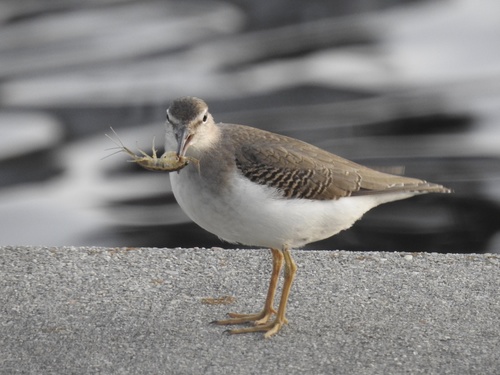
アメリカイソシギ (Actitis macularius) アメリカイソシギ
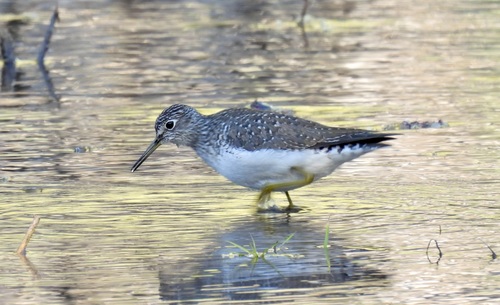
コシグロクサシギ (Tringa solitaria) コシグロクサシギ

メディア

読み込み中…

要点

アメリカイソシギとコシグロクサシギを区別する最も信頼できるフィールドマークは、特に飛行中や未成熟/非繁殖の個体において、尾と尾羽のパターンです:アメリカイソシギは対照的な尾羽がない平坦な茶色の背中を示しますが、コシグロクサシギは明確に暗い尾と尾羽の中心を持ち、飛行中に目立ちます。地上では、繁殖羽のアメリカイソシギは下に大胆な黒い斑点があり、間違いなく識別できますが、非繁殖または未成熟の羽毛では、コシグロクサシギに非常に似て見えることがありますので、足の色(アメリカイソシギは黄味がかり、コシグロクサシギは緑味または灰色がかり)とくちばしの色に注目してください。コシグロクサシギはわずかに大きく、ずんぐりしており、背中は暗く、より均一で、首と胸のパターンがより対照的です。両種は尾を上下に振りますが、アメリカイソシギはより持続的に、かつ硬い歩き方で行います。羽毛があいまいな場合は、飛行の視点と足の色を主なツールとして使用してください。

識別のコツ

  1. 飛行中の尾と尾羽のパターン(すべての年齢): アメリカイソシギは平坦な茶色の背中と尾を示しますが、コシグロクサシギは体の他の部分と対照的な暗い尾と尾羽の中心を持っています。これは特に未成熟や非繁殖の個体にとって、飛行中の最も信頼できるマークです。
  2. 飛行中の翼のパターン(すべての年齢): アメリカイソシギは強い対照がないより洗練された翼のパターンを持ち、コシグロクサシギの翼は上も下も暗く、暗い尾と一致します。
  3. 下部の斑点(繁殖成鳥のアメリカイソシギのみ): 繁殖中のアメリカイソシギは白い下部に大胆な黒い斑点があります。他の年齢やコシグロクサシギはこれを示しません。
  4. 足の色(すべての年齢): アメリカイソシギは黄味がかった足と足を持ち、コシグロクサシギは緑味または灰色がかった足を持っています。これは良い光の中で近距離で見ることができます。
  5. くちばしの色(すべての年齢): アメリカイソシギのくちばしはオレンジ色で先端が暗いです;コシグロクサシギのくちばしはあまり明るい色ではなく、頭とより調和しています。
  6. スーパーシリウム(すべての年齢): アメリカイソシギは白いスーパーシリウム(眉毛)を持ち、これは微妙ですが役立つマークです。
  7. 背中と上部(すべての年齢): コシグロクサシギはより暗く、均一な緑がかった背中を持ち、アメリカイソシギは上がより茶色く、淡いです。
  8. 首と胸のパターン(すべての年齢): コシグロクサシギはより明確に定義された対照的な首と胸のパターンを示し、アメリカイソシギは繁殖羽でないときはより平坦です。
  9. 体の形と印象(すべての年齢): コシグロクサシギはずんぐりしていて、より大きく見え、翼幅がわずかに長い;アメリカイソシギはより細身でコンパクトです。
  10. 尾を振る行動(すべての年齢): 両種は尾を振りますが、アメリカイソシギはより持続的に、より硬く、機械的な動きで行います。
  11. 飛行スタイル(すべての年齢): アメリカイソシギは水面を低く飛び、硬く浅い翼の羽ばたきで飛びます;コシグロクサシギの飛行はあまり硬くありません。
  12. 生息地の好み(すべての年齢): アメリカイソシギは開けた泥や砂の岸を好み、コシグロクサシギはより多くの木の生えた池や湿地で見られます。
  13. 鳴き声(すべての年齢): 飛行中に三音の笛を聞いたら、それはコシグロクサシギです。アメリカイソシギの鳴き声はここでは詳しく説明されていません。
  14. 季節的文脈: 春や夏に大胆に斑点のある鳥を見たら、それは繁殖中のアメリカイソシギです。秋や冬には、飛行と構造的なマークに頼ってください。
  15. 落とし穴: 非繁殖および未成熟のアメリカイソシギは地上でコシグロクサシギに非常に似て見えることがあります—繁殖シーズン外では下部の斑点に頼らず、尾のパターン、足の色、飛行のマークを使用してください。

大きさ

アメリカイソシギはコシグロクサシギよりもわずかに小さく、軽いです。アメリカイソシギは長さ18〜20 cm、翼幅37〜40 cm、質量34〜50 gです。コシグロクサシギは長さが18〜23 cmで、翼幅は最大50 cm、質量範囲は31〜65 g(平均48.6 g)です。フィールドでは、コシグロクサシギはしばしば少しずんぐりしていて翼が長く見えますが、その違いは微妙で、距離があるときには常に信頼できるわけではありません。

羽色

未成熟および非繁殖の鳥に関して—最も混乱を招く年齢—飛行中の上翼と尾に最初に注目してください。アメリカイソシギは強い対照がないより洗練された翼のパターンを持ち、平坦な茶色の背中と尾を持っています。対照的に、コシグロクサシギは飛行中に明らかな暗い尾と尾羽の中心を示し、上も下も暗い翼を持っています。地上では、繁殖中のアメリカイソシギは下に大胆な黒い斑点があり、簡単に識別できますが、非繁殖および未成熟の羽毛では斑点がなく、コシグロクサシギに非常に似て見えます。アメリカイソシギは白いスーパーシリウムと黄味がかった足を持ち、コシグロクサシギはより暗く、均一な背中、灰色がかった頭と胸、緑味または灰色がかった足を持っています。両者は明るい点のある茶色の翼を持っていますが、コシグロクサシギの首と胸のパターンはより明確に定義されています。アメリカイソシギの斑点の大きさと形は年齢とともに小さく不規則になりますが、これは繁殖羽毛のときにのみ役立ちます。

行動

両種は尾を振る歩き方を示しますが、アメリカイソシギはより持続的に、特徴的で硬い歩き方で行います。飛行中、両種は水面を低く飛びますが、アメリカイソシギの飛行はより硬い翼を持っています。コシグロクサシギはその名前が示すように、しばしば一人で見られ、より秘密主義で近づきにくい傾向があります。アメリカイソシギは開けた岸で積極的に餌を探しているのが見られる可能性が高いです。

生息環境

両種は水の近くで見られますが、アメリカイソシギは開けた泥や砂の岸、川岸、湖の縁で見られる可能性が高いです。コシグロクサシギは木の生えた池、湿地、静かな裏水域を好み、開けた泥地で見られる可能性は低いです。両者はシギ類にとって珍しい場所で巣を作ります:コシグロクサシギはしばしば木に巣を作り、アメリカイソシギは地面に巣を作ります。

声

コシグロクサシギは飛行中に特徴的な三音の笛を持ち、聞こえた場合は役立つフィールドマークになります。アメリカイソシギの鳴き声は提供されたメモには記載されていないため、声はコシグロクサシギの笛を聞いた場合にのみ診断的です。

より良い説明を送る

比較と同じ項目を使ってください。文章はすぐに公開されます。

The most reliable field mark to separate Spotted Sandpiper from Solitary Sandpiper—especially in flight or on immature/nonbreeding birds—is the rump and tail pattern: Spotted Sandpiper shows a plain brown back with no contrasting rump, while Solitary Sandpiper has a distinctly dark rump and tail center, which stands out in flight. On the ground, Spotted Sandpiper in breeding plumage is unmistakable with its bold black spots below, but in nonbreeding or immature plumage, it can look very similar to Solitary Sandpiper, so focus on leg color (yellowish in Spotted, greenish or grayish in Solitary) and bill color. Solitary Sandpiper is slightly larger and dumpier, with a darker, more uniform back and a more contrasting neck and chest pattern. Both species bob their tails, but Spotted Sandpiper does so more persistently and with a stiffer gait. Use flight views and leg color as your primary tools when plumage is ambiguous.

  1. Rump and tail pattern in flight (all ages): Spotted Sandpiper shows a plain brown back and rump, while Solitary Sandpiper has a dark rump and tail center that contrasts with the rest of the body. This is the most reliable mark in flight, especially for immatures and nonbreeding birds.
  2. Wing pattern in flight (all ages): Spotted Sandpiper has a more washed-out wing pattern, lacking strong contrast, while Solitary Sandpiper’s wings are dark above and below, matching the dark rump.
  3. Underpart spots (breeding adult Spotted only): Breeding Spotted Sandpiper has bold black spots on white underparts. No other age or Solitary Sandpiper ever shows this.
  4. Leg color (all ages): Spotted Sandpiper has yellowish legs and feet, while Solitary Sandpiper has greenish or grayish legs. This is visible in good light and at close range.
  5. Bill color (all ages): Spotted Sandpiper’s bill is orange with a dark tip; Solitary Sandpiper’s bill is less brightly colored, blending more with the head.
  6. Supercilium (all ages): Spotted Sandpiper has a white supercilium (eyebrow), which can be a subtle but helpful mark.
  7. Back and upperparts (all ages): Solitary Sandpiper has a darker, more uniform greenish back, while Spotted Sandpiper is browner and paler above.
  8. Neck and chest pattern (all ages): Solitary Sandpiper shows a more sharply defined, contrasting neck and chest pattern, while Spotted Sandpiper is plainer when not in breeding plumage.
  9. Body shape and jizz (all ages): Solitary Sandpiper looks dumpier and bulkier, with a slightly longer wingspan; Spotted Sandpiper is more slender and compact.
  10. Tail-bobbing behavior (all ages): Both species bob their tails, but Spotted Sandpiper does so more persistently and with a stiffer, more mechanical motion.
  11. Flight style (all ages): Spotted Sandpiper flies low over water with stiff, shallow wingbeats; Solitary Sandpiper’s flight is less stiff.
  12. Habitat preference (all ages): Spotted Sandpiper prefers open, muddy or sandy shores; Solitary Sandpiper is more often found at wooded ponds and marshes.
  13. Vocalization (all ages): If you hear a three-note whistle in flight, it is Solitary Sandpiper. Spotted Sandpiper’s call is not detailed here.
  14. Seasonal context: If you see a boldly spotted bird in spring or summer, it is a breeding Spotted Sandpiper. In fall and winter, rely on flight and structural marks.
  15. Pitfall: Nonbreeding and immature Spotted Sandpipers can look very similar to Solitary Sandpiper on the ground—do not rely on underpart spotting outside breeding season; use rump pattern, leg color, and flight marks instead.

Spotted Sandpiper is slightly smaller and lighter than Solitary Sandpiper. Spotted Sandpiper measures 18–20 cm in length, with a wingspan of 37–40 cm and a mass of 34–50 g. Solitary Sandpiper is longer (18–23 cm), with a wingspan up to 50 cm and a mass range of 31–65 g (mean 48.6 g). In the field, Solitary Sandpiper often looks a bit bulkier and longer-winged, but the difference is subtle and not always reliable at a distance.

For immature and nonbreeding birds—the most confusing ages—focus first on the upperwing and rump in flight. Spotted Sandpiper has a more washed-out wing pattern with no strong contrast, and a plain brown back and rump. Solitary Sandpiper, by contrast, shows a dark rump and tail center that is obvious in flight, with dark wings above and below. On the ground, breeding Spotted Sandpiper is easy with its bold black spots below, but in nonbreeding and immature plumage, it lacks spots and appears very similar to Solitary Sandpiper. Spotted Sandpiper has a white supercilium and yellowish legs, while Solitary Sandpiper has a darker, more uniform back, a greyish head and breast, and greenish or grayish legs. Both have brown wings with light dots, but Solitary’s neck and chest pattern is more sharply defined. Spot size and shape on Spotted Sandpiper become smaller and more irregular with age, but this is only useful in breeding plumage.

Both species exhibit a tail-bobbing walk, but Spotted Sandpiper does so more persistently and with a distinctive, stiff gait. In flight, both species fly low over water, but Spotted Sandpiper’s flight is stiffer-winged. Solitary Sandpiper is often seen alone, as its name suggests, and tends to be more secretive and less approachable. Spotted Sandpiper is more likely to be seen actively foraging along open shorelines.

Both species are found near water, but Spotted Sandpiper is more likely to be seen along open, muddy or sandy shores, riverbanks, and lake edges. Solitary Sandpiper prefers wooded ponds, marshes, and quieter backwaters, and is less likely to be found on open mudflats. Both nest in unusual places for shorebirds: Solitary Sandpiper often nests in trees, while Spotted Sandpiper nests on the ground.

Solitary Sandpiper has a distinctive three-note whistle in flight, which can be a useful field mark if heard. Spotted Sandpiper’s call is not described in the provided notes, so voice is only diagnostic if you hear the Solitary’s whistle.

変更を破棄しますか?

保存していない編集があります。今離れると失われます。

アメリカイソシギ · コシグロクサシギ · 苦手な鳥