

Motmot

ムナフヒタキ 対 ヨーロッパコマドリ

Muscicapa striata 対 Erithacus rubecula

ムナフヒタキとヨーロッパコマドリのクイズ
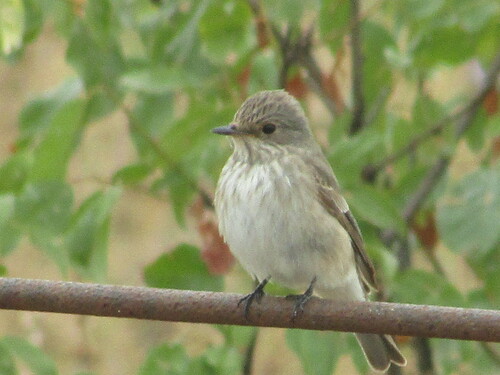
ムナフヒタキ (Muscicapa striata) ムナフヒタキ
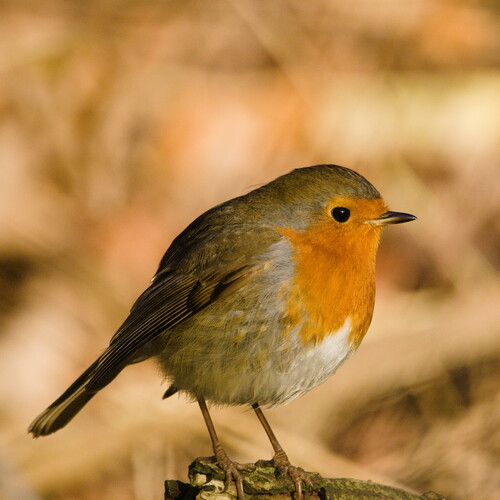
ヨーロッパコマドリ (Erithacus rubecula) ヨーロッパコマドリ

メディア

読み込み中…

要点

ムナフヒタキとヨーロッパコマドリを区別する最も信頼できる方法は、コマドリの特徴的なオレンジ赤の顔と胸を探すことです。これは、どの年齢のムナフヒタキにも存在しません。幼鳥の場合、両者ともに斑点やまだら模様の上面を示すことがありますが、コマドリだけがオレンジを欠き、より均一な茶色と白のそばかす模様を持っています。構造的には、ムナフヒタキはスリムで長い翼を持ち、しばしば直立して昆虫を捕まえるために飛び出しますが、コマドリは丸みを帯びており、尾が短く、より水平な姿勢をしています。飛行中、成鳥では両種ともに強い翼の模様の違いは見られませんが、若いコマドリは全体的にまだらな茶色で、若いムナフヒタキは上にオーカー色の斑点があります。もしオレンジが全くない小さくてスリムな縞模様の胸を持つ鳥を見たら、それはおそらくムナフヒタキです。顔や胸にオレンジがある鳥はコマドリです。

識別のコツ

  1. オレンジ赤の顔と胸: ヨーロッパコマドリ(成鳥または幼鳥)は、顔や胸にオレンジを示す唯一の鳥です。ムナフヒタキはどの年齢でも示しません。
  2. 幼鳥の羽衣: 幼いコマドリは全体がそばかすのある茶色と白で、オレンジを欠き、一見するとムナフヒタキと混同されることがあります。コマドリのより均一で密なそばかす模様と胸や頭の縞模様の欠如を探してください。幼いムナフヒタキは上にオーカー色の斑点があり、下には鱗状の茶色の斑点があり、スリムで長い翼の外観を持っています。
  3. 縞模様の胸と頭: 成鳥のムナフヒタキは、頭、喉、胸に細かい茶色の縞模様があり、どの年齢のコマドリにも見られません。
  4. 構造: ムナフヒタキはスリムで、長い翼と尾を持ち、直立して座ります。コマドリは丸みを帯びており、尾が短く、より水平でふっくらした姿勢をしています。
  5. くちばしの形: 両者ともに細く尖ったくちばしを持っていますが、ムナフヒタキのくちばしは基部が少し広く、空中の昆虫食者に典型的です。これは微妙ですが、近距離で役立つことがあります。
  6. 翼と尾の縁: ムナフヒタキは、特に新鮮なときに翼と尾の羽に淡い縁を示します。コマドリの翼はより平坦で丸みを帯びており、淡い縁はありません。
  7. 行動: ムナフヒタキの直立した飛び出し行動を開けた止まり木から観察してください。コマドリは地面を跳ねたり、密な覆いの中で餌を探したりすることが多く、昆虫を捕まえるために飛び出すことは稀です。
  8. 生息地: 密で日陰のある場所や芝生では、コマドリの方が見られる可能性が高いです。開けた森林や露出した止まり木、特に渡りの時期にはムナフヒタキを考慮してください。
  9. 鳴き声: コマドリの歌は豊かで音楽的であり、その「ティック」という呼び声は鋭く頻繁です。ムナフヒタキの呼び声は細く高音で下降し、しばしば見落とされます。
  10. 性別: 両種は性別的に単形であり、オスとメスは似ているため、性別に頼って識別しないでください。
  11. 初冬のコマドリ: 翼の覆い羽に黄色がかった茶色の先端を示すことがありますが、これは微妙で主要なフィールドマークではありません。オレンジの有無と全体的な構造に焦点を当ててください。
  12. 飛行中: 強い翼の模様の違いはありませんが、ムナフヒタキは飛行中に翼が長く、より直接的であり、コマドリは丸みを帯びており、短く丸い翼でひらひらします。
  13. 脚の色: ムナフヒタキは黒い脚を持ち、コマドリの脚は茶色です。これは近距離で役立つことがありますが、常に見えるわけではありません。
  14. 混同のリスク: 主な落とし穴は幼いコマドリと幼いムナフヒタキの違いです。オレンジ(コマドリ、年齢とともに)、縞模様の胸(ムナフヒタキ)、全体的な体型を確認してください。
  15. 季節: ムナフヒタキはヨーロッパのほとんどで夏の移動鳥であり、冬には不在です。コマドリは年間を通じて存在し、冬に歌うため、冬に歌っている鳥はコマドリです。

大きさ

両種は長さが似ています:ムナフヒタキは平均約14.5 cmで、ヨーロッパコマドリは12.5–14.0 cmの範囲です。体重も重なり、ムナフヒタキは14–20 g、コマドリは16–22 gです。コマドリは特にふっくらして見えることがありますが、ムナフヒタキはスリムでより細長く、特に翼と尾においてそうです。フィールドでは、体型の違いはしばしば小さなサイズの違いよりも明らかです。

羽色

幼鳥の羽衣は主な落とし穴です:若いコマドリは全体がそばかすのある茶色と白で、オレンジを欠き、巣立ち後に顎と胸にオレンジを徐々に発達させます。幼いムナフヒタキは成鳥よりも茶色がかっており、上面にオーカー色の斑点、下面に鱗状の茶色の斑点がありますが、オレンジは決して示しません。成鳥のムナフヒタキは上面が平坦な灰色がかった茶色で、下面が白っぽく、頭、喉、胸に細かい縞模様があり、翼と尾に淡い縁があります。成鳥のコマドリは、青灰色の縁取りがあるオレンジ赤の顔と胸、茶色の上面、白っぽい腹で瞬時に識別できます。初冬のコマドリは翼の覆い羽に黄色がかった茶色の先端を示すことがありますが、これは微妙で強いフィールドマークではありません。飛行中、両種ともに大胆な翼のパネルや対照的な縁は示しませんが、ムナフヒタキは長く尖った翼を持ち、淡い縁がありますが、コマドリの翼はより丸く平坦です。

行動

ムナフヒタキは通常、露出した枝に直立して止まり、飛んでいる昆虫を捕まえるために繰り返し飛び出し、同じ止まり木に戻ります。彼らの姿勢は警戒しており、垂直で、翼と尾をひらひらさせる傾向があります。ヨーロッパコマドリは、地面を跳ねたり、より水平で丸みを帯びた姿勢で止まっているのがよく見られます。コマドリは翼と尾をひらひらさせることがありますが、ムナフヒタキほど頻繁ではなく、同じように昆虫を捕まえるために飛び出すことは稀です。コマドリは人の周りでより大胆で、庭や人間の活動の近くで餌を探すことが多いですが、ムナフヒタキはより開けた止まり木を好み、あまり信頼しません。

生息環境

両種は庭、公園、森林の縁に生息することがありますが、ムナフヒタキは開けた森林、クリアリング、散在する木や高い茂みのある縁により頻繁に見られ、特に渡りの時期にそうです。コマドリは日陰の庭、密な生け垣、森林の下草に広く分布しており、地面の上や近くで見られる可能性が高いです。渡りの時期には、ムナフヒタキはコマドリと似た生息地に現れることがありますが、コマドリは密な覆いの中や芝生で餌を探しているのがはるかに多く見られます。

声

ムナフヒタキの呼び声は細く高音で、わずかに下降する「tssssseeeeeppppp」で、柔らかく、見逃されやすいです。ヨーロッパコマドリは豊かでメロディックな歌と鋭い「ティック」という呼び声を持ち、特に冬や初春においてはるかに目立ち、頻繁に発せられます。大きく音楽的な歌や繰り返される「ティック」を聞いたら、それはほぼ確実にコマドリです。

より良い説明を送る

比較と同じ項目を使ってください。文章はすぐに公開されます。

The most reliable way to separate Spotted Flycatcher and European Robin is by looking for the robin's distinctive orange-red face and breast, which is never present on Spotted Flycatcher of any age. For juveniles, both can show spotted or mottled upperparts, but only robins lack any orange and have a more uniform brown-and-white freckled look. Structurally, Spotted Flycatcher is slimmer and longer-winged, often sitting upright and sallying for insects, while robins are rounder with a shorter tail and more horizontal posture. In flight, neither species shows strong wing pattern differences in adults, but young robins are overall mottled brown, while young flycatchers have ochre-buff spots above. If you see a small, slim, streaky-breasted bird without any orange, it's likely a Spotted Flycatcher; a bird with any orange on the face or breast is a robin.

  1. Orange-red face and breast: Only European Robin (adult or older juvenile) shows any orange on the face or breast. Spotted Flycatcher never does, at any age.
  2. Juvenile plumage: Juvenile robins are freckled brown and white all over, lacking orange, and can be confused with Spotted Flycatcher at a glance. Look for the robin's more uniform, dense freckling and lack of streaking on the breast or crown. Juvenile flycatchers have ochre-buff spots above and scaly brown spots below, with a slimmer, longer-winged look.
  3. Streaked breast and crown: Adult Spotted Flycatcher has fine brown streaks on the crown, throat, and breast, which are absent in robin of any age.
  4. Structure: Spotted Flycatcher is slim, with long wings and tail, and sits upright. Robin is rounder, with a shorter tail and a more horizontal, fluffed-up posture.
  5. Bill shape: Both have thin, pointed bills, but Spotted Flycatcher's is slightly broader at the base, typical of aerial insectivores. This is subtle but can help at close range.
  6. Wing and tail edges: Spotted Flycatcher shows pale edges to wing and tail feathers, especially when fresh. Robin's wings are plainer and rounder, with no pale edges.
  7. Behavior: Watch for flycatcher's upright, sallying behavior from open perches. Robin is more likely to hop on the ground or forage in dense cover, rarely sallying for insects.
  8. Habitat: In dense, shaded areas or on lawns, robin is more likely. In open woodland or exposed perches, especially during migration, consider Spotted Flycatcher.
  9. Vocalizations: Robin's song is rich and musical; its 'tick' call is sharp and frequent. Spotted Flycatcher's call is thin, high-pitched, and descending, often overlooked.
  10. Sexes: Both species are sexually monomorphic—males and females look alike, so do not rely on sex for ID.
  11. First-winter robin: May show yellow-brown tips to wing coverts, but this is subtle and not a primary field mark. Focus on the presence or absence of orange and overall structure.
  12. In flight: No strong wing pattern differences, but Spotted Flycatcher is longer-winged and more direct in flight, while robin is rounder and flutters with short, rounded wings.
  13. Leg color: Spotted Flycatcher has black legs; robin's legs are brown. This can help at close range but is not always visible.
  14. Confusion risk: The main pitfall is juvenile robin vs. juvenile Spotted Flycatcher. Check for orange (robin, as it ages), streaked breast (flycatcher), and overall build.
  15. Season: Spotted Flycatcher is a summer migrant in most of Europe, absent in winter. Robin is present year-round and sings in winter, so a singing bird in winter is a robin.

Both species are similar in length: Spotted Flycatcher averages about 14.5 cm, while European Robin ranges from 12.5–14.0 cm. Weight overlaps as well, with Spotted Flycatcher at 14–20 g and robin at 16–22 g. Robins can appear slightly bulkier and rounder, especially when fluffed up, while Spotted Flycatcher is slimmer and more elongated, especially in the wings and tail. In the field, the difference in build is often more obvious than the minor size difference.

Juvenile plumage is the main pitfall: young robins are freckled brown and white all over, lacking any orange, and only gradually develop orange on the chin and breast after fledging. Juvenile Spotted Flycatchers are browner than adults, with ochre-buff spots on the upperparts and scaly brown spots below, but never show orange. Adult Spotted Flycatchers are plain grey-brown above, whitish below, with fine streaking on the crown, throat, and breast, and pale edges to the wings and tail. Adult robins are instantly told by their orange-red face and breast bordered by blue-grey, brown upperparts, and whitish belly. First-winter robins may show yellow-brown tips to wing coverts, but this is subtle and not a strong field mark. In flight, neither species shows bold wing panels or contrasting edges, but the flycatcher has longer, more pointed wings with pale edges, while robin's wings are rounder and plainer.

Spotted Flycatchers typically perch upright on exposed branches, making repeated sallies to catch flying insects and returning to the same perch. Their posture is alert and vertical, with a tendency to flick the wings and tail. European Robins are more often seen hopping on the ground or perching in a more horizontal, rounded posture. Robins may flick their wings and tail, but less often than flycatchers, and they rarely sally for insects in the same way. Robins are also bolder around people, often foraging in gardens and close to human activity, while flycatchers prefer more open perches and are less confiding.

Both species can occur in gardens, parks, and woodland edges, but Spotted Flycatcher is more often found in open woodland, clearings, and edges with scattered trees or tall shrubs, especially during migration. Robins are ubiquitous in shaded gardens, dense hedges, and woodland undergrowth, and are more likely to be seen on or near the ground. During migration, Spotted Flycatcher may appear in similar habitats to robins, but robins are much more likely to be seen in dense cover or foraging on lawns.

Spotted Flycatcher's call is a thin, high-pitched, slightly descending 'tssssseeeeeppppp', which is soft and can be easily missed. European Robin has a rich, melodious song and a sharp 'tick' call, which is much more prominent and frequently given, especially in winter and early spring. If you hear a loud, musical song or a repeated 'tick', it's almost certainly a robin.

変更を破棄しますか?

保存していない編集があります。今離れると失われます。

ムナフヒタキ · ヨーロッパコマドリ · 苦手な鳥