

Motmot

ホシガシラオニキバシリ 対 キホオカマドドリ

Lepidocolaptes affinis 対 Pseudocolaptes lawrencii

ホシガシラオニキバシリとキホオカマドドリのクイズ
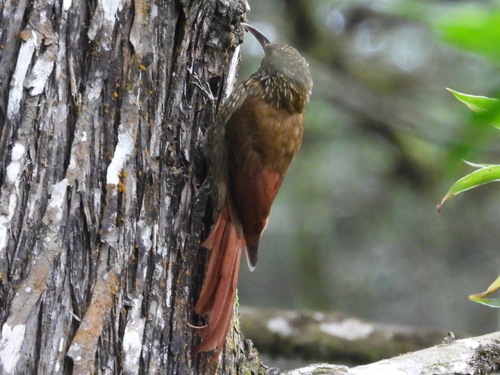
ホシガシラオニキバシリ (Lepidocolaptes affinis) ホシガシラオニキバシリ
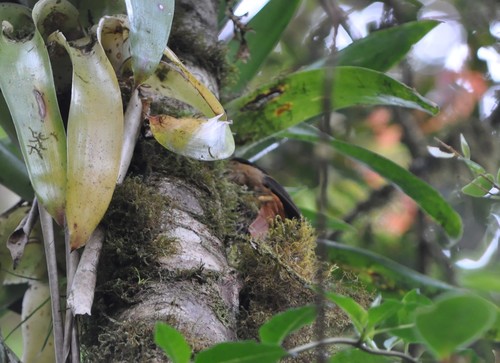
キホオカマドドリ (Pseudocolaptes lawrencii) キホオカマドドリ

メディア

読み込み中…

要点

ホシガシラオニキバシリとキホオカマドドリを区別する最も信頼できるフィールドマークは、キホオカマドドリの首の側にある淡い、ふさふさした房の存在であり、ホシガシラオニキバシリにはこれが全くありません。さらに、ホシガシラオニキバシリは大胆なキホオ色の斑点やダイヤモンド模様のある冠を持ち、キホオカマドドリは縞模様のある冠と目を引くキホオ色のスーペルシリウムを持っています。幼鳥の羽毛は異なります:若いホシガシラオニキバシリは上面が暗く、斑点が少ないのに対し、幼いキホオカマドドリは冠の縞模様がなく、スカロップ状の喉と胸を示します。構造的には、キホオカマドドリはより重く、がっしりとしており、特に雌ではより太く、長いくちばしを持っていますが、ホシガシラオニキバシリはよりスリムで繊細です。両種はコスタリカとパナマで重なりますが、通常は異なるマイクロハビタットで見られます。

識別のコツ

  1. Look for the neck tuft: キホオカマドドリは常に首の側から広がる淡い金色のふさふさした羽毛を示しますが、ホシガシラオニキバシリにはこの特徴がありません。これは、頭が見える場合、すべての年齢と距離で最も信頼できるマークです。

  2. Crown pattern: ホシガシラオニキバシリは暗褐色の冠と後頭部に大胆なキホオ色の斑点やダイヤモンド模様を持ち(縞模様ではありません)、キホオカマドドリは薄いキホオ色の縞模様のある黒っぽい褐色の冠を持っています(成鳥)または縞模様がありません(幼鳥)。

  3. Supercilium and face: キホオカマドドリは目立つキホオ色の白っぽいスーペルシリウムと黒っぽい褐色のロアと耳羽を持ち、強い顔のコントラストを与えます。ホシガシラオニキバシリの顔は暗く、黒いマラーストライプがありますが、強いスーペルシリウムはありません。

  4. Bill structure: キホオカマドドリは特に雌ではより太く、長いくちばしを持ち、くちばしは黒っぽく、下顎は淡い色です。ホシガシラオニキバシリのくちばしはスリムで、適度に下向きに曲がり、色は変動します(青みがかったピンク、灰色、黄褐色、または暗褐色で、先端はしばしば淡いです)。両種の幼鳥は短いくちばしを持っていますが、太さの違いは残ります。

  5. Body shape and size: キホオカマドドリはがっしりしており、重い(約51 g)ですが、ホシガシラオニキバシリはスリムで軽い(28–38 g)です。これは、両者が一緒に見られるときや経験があるときに最も明らかです。

  6. Wing and tail color: 飛んでいるときや止まっているとき、キホオカマドドリは明るい栗色の尾と翼を示し、カバーの先端には淡い赤褐色とオクラ色のキホオ色の先端があり、翼が閉じると目に見えるバーを形成します。ホシガシラオニキバシリの翼と尾は赤褐色ですが、より地味で、茶色の縁と暗い先端があり、明らかな翼のバーはありません。

  7. Underparts: ホシガシラオニキバシリはオリーブ褐色の腹部を持ち、特に喉と胸には黒い縁のある広いキホオ色の縞模様があり、脇腹では薄くなります。キホオカマドドリの胸はぼやけた縞模様(広い鈍い褐色と淡いキホオ色)で、腹部は鈍いキホオ色でわずかな斑点があり、尾羽のカバーはオクラ色からシナモン色です。

  8. Juvenile differences: 幼いホシガシラオニキバシリは暗く、冠の斑点があまり目立たず、下の縞模様もあまりはっきりせず、短くて暗いくちばしを持っています。幼いキホオカマドドリは冠の縞模様がなく、喉と胸に黒っぽい褐色のスカロップ模様を示し、より赤褐色の脇腹と腹部を持っています。

  9. Behavior: キホオカマドドリはより重く、計画的に動き、しばしば首の房を扇ぐために立ち止まります。ホシガシラオニキバシリはより敏捷で、細い幹や枝の上で見られ、樹皮の隙間を探ることがよくあります。

  10. Habitat: キホオカマドドリはほぼ常に湿った、苔むした高地の森林内部にいますが、ホシガシラオニキバシリは森林の端、乾燥した森、または彼らの共有範囲内の低い標高で見られる可能性が高いです。

  11. Sex differences: キホオカマドドリだけがくちばしの長さにおいて顕著な性差を示します(雌が長い)が、これはフィールドでは微妙で、ホシガシラオニキバシリとの主な区別ではありません。

  12. Plumage pitfalls: 下部の縞模様だけに頼らないでください:両種は下部に縞模様がありますが、パターンと大胆さは異なります。首の房の有無と冠のパターンがより信頼できます。

  13. When in doubt: 鳥が首の房を欠き、大胆な冠の斑点を示す場合、それはホシガシラオニキバシリです。もし鳥ががっしりしていて、淡い首の房と縞模様のある冠を持っているなら、それはキホオカマドドリです。もし冠が単純で、喉/胸がスカロップ状(幼鳥)であれば、他のマークと文脈を確認してください。

  14. Range overlap: 両種はコスタリカとパナマに生息していますが、ホシガシラオニキバシリは北に広がり、乾燥した森林に入ります。キホオカマドドリは湿った苔むした高地により制限されています。

  15. Vocalizations: 現在の情報源では診断的ではありません。区別には視覚的なマークを使用してください。

大きさ

キホオカマドドリはホシガシラオニキバシリよりも明らかに重く、がっしりしています。キホオカマドドリは約51 g(成鳥)で、ホシガシラオニキバシリは28–38 gです。両者は長さ(約20–22 cm)では似ていますが、キホオカマドドリはより頑丈に見え、相対的に大きな頭と太い首を持っています。ホシガシラオニキバシリはスリムで軽い体型で、より繊細な構造です。

羽色

行動

キホオカマドドリはしばしば厚い苔むした幹や枝を登っているのが見られ、頻繁に首の房を扇ぐために立ち止まります。ホシガシラオニキバシリよりも重く、計画的に動きますが、ホシガシラオニキバシリはより敏捷で、細い幹や枝を登り、樹皮の隙間を探ることがよくあります。ホシガシラオニキバシリは動きがより活発でスリムである傾向があり、キホオカマドドリはよりがっしりしていて遅く見えます。

生息環境

両種はコスタリカとパナマの山地森林に生息していますが、キホオカマドドリは湿った苔むした高地の森林により制限されており、しばしば雲霧林のゾーンにいます。ホシガシラオニキバシリはより広い標高範囲(メキシコからパナマまで)を持ち、範囲内の乾燥したまたはより開けた森林の端にいる可能性が高いです。重なり合う場所では、キホオカマドドリは密なエピファイトの多い森林内部にいる可能性が高く、ホシガシラオニキバシリは森林の端ややや乾燥した森林で見られることがあります。

より良い説明を送る

比較と同じ項目を使ってください。文章はすぐに公開されます。

The most reliable field mark to separate Spot-crowned Woodcreeper from Buffy Tuftedcheek is the presence of a pale, bushy tuft on the side of the neck in Buffy Tuftedcheek, which Spot-crowned Woodcreeper completely lacks. In addition, Spot-crowned Woodcreeper shows a crown with bold buffy spots or diamonds, while Buffy Tuftedcheek has a streaked crown and a striking buffy supercilium. Juvenile plumages differ: young Spot-crowned Woodcreeper are darker and less spotted above, while juvenile Buffy Tuftedcheek lack crown streaks and show a scalloped throat and breast. Structurally, Buffy Tuftedcheek is heavier and bulkier, with a stouter, longer bill (especially in females), compared to the slimmer, more delicate Spot-crowned Woodcreeper. Both species overlap in Costa Rica and Panama, but are usually found in different microhabitats.

  1. Look for the neck tuft: Buffy Tuftedcheek always shows a pale golden-tawny tuft of feathers flaring from the side of the neck; Spot-crowned Woodcreeper never has this feature. This is the single most reliable mark at all ages and distances if the head is visible.

  2. Crown pattern: Spot-crowned Woodcreeper has bold buffy spots or diamonds on a dark brown crown and nape (not streaks). Buffy Tuftedcheek has a blackish brown crown with thin buff streaks (adults) or no streaks (juveniles).

  3. Supercilium and face: Buffy Tuftedcheek has a prominent buff-whitish supercilium and blackish brown lores and ear coverts, giving a strong facial contrast. Spot-crowned Woodcreeper's face is dusky with a black malar stripe but lacks a strong supercilium.

  4. Bill structure: Buffy Tuftedcheek has a stouter, longer bill, especially in females, and the bill is blackish with a paler mandible. Spot-crowned Woodcreeper's bill is slimmer, moderately decurved, and variable in color (bluish pink, gray, yellowish, or dark brown, often paler at the tip). Juveniles of both species have shorter bills, but the difference in thickness remains.

  5. Body shape and size: Buffy Tuftedcheek is bulkier and heavier (about 51 g), with a thicker neck and larger head, while Spot-crowned Woodcreeper is slim and light (28–38 g). This is most apparent when both are seen together or with experience.

  6. Wing and tail color: In flight or perched, Buffy Tuftedcheek shows bright chestnut rufous tail and wings with pale rufous and ochraceous buff tips on the coverts, forming visible bars when the wing is closed. Spot-crowned Woodcreeper's wings and tail are rufous-chestnut but plainer, with brown edges and dusky tips, lacking obvious wing bars.

  7. Underparts: Spot-crowned Woodcreeper has olive-brown underparts with broad buffy streaks edged black, especially on the throat and breast, fading on the flanks. Buffy Tuftedcheek's breast is blurry-streaked (wide dull brown and pale buff), belly is dull tawny-buff with faint mottling, and undertail coverts are ochraceous to cinnamon.

  8. Juvenile differences: Juvenile Spot-crowned Woodcreeper is darker, with less obvious crown spots and less distinct streaking below, and a shorter, darker bill. Juvenile Buffy Tuftedcheek lacks crown streaks, shows a blackish brown scallop pattern on the throat and breast, and has more rufescent flanks and belly.

  9. Behavior: Buffy Tuftedcheek moves more heavily and methodically, often pausing to fan its neck tufts, and prefers thick, mossy trunks. Spot-crowned Woodcreeper is more agile, often seen on thinner trunks and branches, and moves with quicker, more slender motions.

  10. Habitat: Buffy Tuftedcheek is almost always in humid, mossy, high-elevation forest interiors; Spot-crowned Woodcreeper is more likely at forest edges, in drier woods, or at lower elevations within their shared range.

  11. Sex differences: Only Buffy Tuftedcheek shows significant sexual dimorphism in bill length (females longer), but this is subtle in the field and not a primary separation from Spot-crowned Woodcreeper.

  12. Plumage pitfalls: Do not rely on underpart streaking alone: both species are streaked below, but the pattern and boldness differ. The presence or absence of the neck tuft and the crown pattern are more reliable.

  13. When in doubt: If the bird lacks a neck tuft and shows bold crown spots, it is a Spot-crowned Woodcreeper. If the bird is bulky, with a pale neck tuft and streaked crown, it is a Buffy Tuftedcheek. If the crown is plain and the throat/breast are scalloped (juvenile), check for other marks and context.

  14. Range overlap: Both species occur in Costa Rica and Panama, but Spot-crowned Woodcreeper ranges farther north and into drier forests; Buffy Tuftedcheek is more restricted to humid, mossy highlands.

  15. Vocalizations: Not diagnostic with current sources; use visual marks for separation.

Buffy Tuftedcheek is distinctly heavier and bulkier than Spot-crowned Woodcreeper. Buffy Tuftedcheek weighs about 51 g (adult), compared to Spot-crowned Woodcreeper's 28–38 g. Both are similar in length (about 20–22 cm), but Buffy Tuftedcheek appears more robust, with a proportionally larger head and thicker neck. Spot-crowned Woodcreeper is slim and light-bodied, with a more delicate build.

  • Juveniles: Juvenile Spot-crowned Woodcreeper are overall darker than adults, with less obvious crown spots and less distinct streaking below; their bill is shorter and darker. Juvenile Buffy Tuftedcheek lack crown streaks entirely, instead showing a scalloped blackish throat and breast and more rufescent flanks and belly. These differences are most obvious in perched birds but can be glimpsed in flight if close.

  • Adults: Spot-crowned Woodcreeper has a dark brown crown and nape with bold buffy spots or diamonds (not streaks), a dusky face with a black malar stripe, plain brown back, rufous-cinnamon rump, and rufous-chestnut wings and tail. Underparts are olive-brown with broad buffy streaks edged black, fading on the flanks. Buffy Tuftedcheek has a blackish brown crown with thin buff streaks (not spots), a conspicuous pale golden-tawny tuft on the neck, a buffy supercilium, rufescent-brown back with faint scalloping, bright chestnut tail, and wings with pale rufous and ochraceous buff tips forming bars. Its underparts are streaked and mottled, with a golden-tawny throat and ochraceous undertail coverts.

  • In flight: Buffy Tuftedcheek shows more contrast in the wing coverts (pale-tipped, forming bars), while Spot-crowned Woodcreeper's wings are plainer rufous-chestnut with brown edges and dusky tips.

Buffy Tuftedcheek is often seen climbing thick mossy trunks and branches, frequently pausing to fan its neck tufts. It moves more heavily and methodically than Spot-crowned Woodcreeper, which is more agile, often hitching up thinner trunks and branches and probing bark crevices. Spot-crowned Woodcreeper tends to be more active and slender in its movements, while Buffy Tuftedcheek appears bulkier and slower.

Both species occur in montane forests of Costa Rica and Panama, but Buffy Tuftedcheek is more restricted to humid, mossy, higher-elevation forests, often in cloud forest zones. Spot-crowned Woodcreeper has a broader elevational range (from Mexico to Panama) and is more likely in drier or more open forest edges within its range. Where they overlap, Buffy Tuftedcheek is more likely in dense, epiphyte-laden forest interiors, while Spot-crowned Woodcreeper may be seen at forest edges or in slightly drier woodlands.

変更を破棄しますか?

保存していない編集があります。今離れると失われます。

ホシガシラオニキバシリ · キホオカマドドリ · 苦手な鳥