

Motmot

ケイマフリ 対 ハシブトウミガラス

Cepphus carbo 対 Uria lomvia

ケイマフリとハシブトウミガラスのクイズ
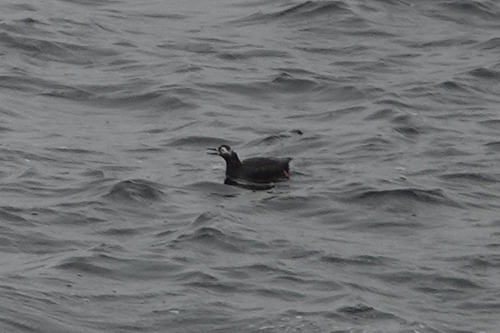
ケイマフリ (Cepphus carbo) ケイマフリ
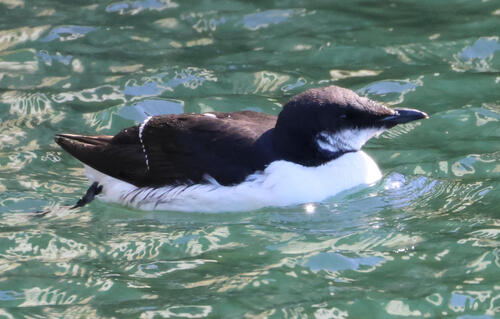
ハシブトウミガラス (Uria lomvia) ハシブトウミガラス

メディア

読み込み中…

要点

ケイマフリとハシブトウミガラスを区別する最も信頼できるフィールドマークは、ケイマフリの顔にある大胆な白い「眼鏡」の存在であり、Brünnich'sはこれを示さない。すべての羽色において、ケイマフリはすす黒で赤い脚と黒いくちばしを持ち、ハシブトウミガラスはより大きく、厚く尖ったくちばしと黒い頭と背中と対照的な白い腹部を持つ。幼鳥と非繁殖羽色は混乱を引き起こす可能性があるが、ケイマフリの独特な顔のパターンは際立っている。くちばしの構造と全体的なサイズも役立ち、特に近距離や混合コロニーでは有効である。

識別のコツ

  1. 白い眼鏡: ケイマフリだけがすべての羽色と年齢で目の周りに大胆な白い眼鏡を示し、ハシブトウミガラスはこの特徴を示さない。これは、どの距離や季節でも最も信頼できるマークである。
  2. くちばしの構造: ハシブトウミガラスは厚く尖ったくちばしを持ち、しばしば白い開口部のストライプ(特に成鳥において)を持つが、ケイマフリは白い開口部やくちばしのストライプがないスリムな黒いくちばしを持つ。しかし、初年度のBrünnich'sは明確な開口部のストライプが欠けていることがあるので、若い鳥では頭のパターンに頼るべきである。
  3. 脚の色: ケイマフリは赤い脚を持ち、止まっているときや泳いでいるときに見えることがある。ハシブトウミガラスの脚の色は情報源では指定されていないが、Spectacledの際立った赤は示さない。
  4. 体のサイズ: ハシブトウミガラスはケイマフリ(38 cm、495 g)よりもはるかに重く長い(最大48 cm、1,481 g)である。両種が一緒に見られるとき、Brünnich'sはより大きく見えるが、孤立した鳥や遠距離ではあまり役立たない。
  5. 羽色のコントラスト: ケイマフリは繁殖羽色で全体がすす黒であるのに対し、Brünnich'sは上が鋭く黒く、下が白い。非繁殖羽色では、Spectacledは白い腹部を発達させるが眼鏡を保持し、Brünnich'sは白い下顔を得るが決して眼鏡は持たない。
  6. 未成熟の頭のパターン: 幼鳥と初年度のBrünnich'sは厄介で、くちばしが小さく、白い開口部のストライプが薄いか欠けていることがある。それでも、彼らは決して眼鏡を示さない;可能性のある薄い開口部のラインを持つ平坦な暗い頭を探すべきである。
  7. 尾の形: ハシブトウミガラスは小さく丸い黒い尾を持つ。Spectacledのための特徴的な尾の形は記載されていないため、これは強い区別要因ではない。
  8. 飛行の特徴: ハシブトウミガラスは強く直接的な飛行を持ち、急速な翼の打撃を伴う。Spectacledの飛行は記載されていないが、両者は家族の特性により似ている可能性が高い。サイズと頭のパターンは、飛行スタイルよりも飛行中の方が信頼できる。
  9. コロニーの文脈: 大きく密集したコロニーでは、ハシブトウミガラスが大量に存在することがある。ケイマフリのコロニーサイズは記載されていないが、そのような広大な集団を形成する可能性は低い。
  10. 下翼と上翼のパターン: どちらの種にも特徴的な上翼または下翼のパターンは記載されていないため、飛行中にこの特徴に頼るべきではない。
  11. 鳴き声: ハシブトウミガラスだけがコロニーで鳴く(厳しいカッカッという声)と記載されており、両者は海では静かである。これは繁殖地にいる場合にのみ有用である。
  12. 季節的変化: 両種は季節的変化を示すが、ケイマフリだけが年間を通じて眼鏡を保持する。Brünnich'sは冬に白い下顔を得るが、決して眼鏡や白い目のストライプを持たない。
  13. 性差: 両種は羽色において性別が同形であるため、性別は有用な区別要因ではない。
  14. 幼鳥の混乱: 幼鳥または初年度の鳥に直面した場合、まず眼鏡の有無を確認するべきである。欠けている場合、鳥が大きくて厚いくちばしを持っているなら、Brünnich'sの可能性が高いが、若い鳥ではくちばしのサイズがあまり信頼できないことに注意するべきである。
  15. 一般的な落とし穴: 主な落とし穴は、非繁殖または幼鳥のBrünnich'sをSpectacledと間違えることであり、特に視認条件が悪い場合にそうなる。常に眼鏡の有無を優先し、その後にくちばしの形と全体的なサイズを確認するべきである。

大きさ

ハシブトウミガラスはケイマフリよりもかなり大きくて重い。ケイマフリは平均約495 gで、長さは約38 cmである。ハシブトウミガラスは最大の生存するウミガラスで、長さは40〜48 cm、質量は736〜1,481 g(太平洋の鳥が最大)である。このサイズの違いは、両種が一緒に見られるときにしばしば目に見えるが、距離がある場合や単独で見られる場合には微妙である。

羽色

行動

両種は強力なダイバーであり、翼を使って水中を泳ぐ。ハシブトウミガラスは短い翼のために急速な翼の打撃を伴う強く直接的な飛行で知られ、しばしばCommon Murreよりも飛行中に短く見える。ケイマフリの飛行スタイルは情報源では詳細に記載されていないが、彼らの共有する家族を考えると似ている可能性が高い。ハシブトウミガラスは広大な繁殖コロニーを形成し、時には100万羽以上の鳥が集まるが、ケイマフリのコロニーサイズは指定されていない。両種は海では静かであるが、Brünnich'sはコロニーでは騒がしい。

生息環境

これら2種をフィールドで区別するための診断的な生息地の違いは情報源では提供されていない。両者は海洋のウミガラスであり、類似の沿岸環境に出現することができる。

声

ハシブトウミガラスは繁殖コロニーで厳しいカッカッという呼び声を発するが、海では静かである。ケイマフリに関する鳴き声の情報は提供されていないため、声は信頼できる区別要因ではない。

より良い説明を送る

比較と同じ項目を使ってください。文章はすぐに公開されます。

The most reliable field mark to separate Spectacled Guillemot from Brünnich's Guillemot is the presence of bold white 'spectacles' on the face of the Spectacled Guillemot, which are never shown by Brünnich's. In all plumages, Spectacled Guillemot is sooty-black with red legs and a black bill, while Brünnich's Guillemot is larger, with a thicker, pointed bill and a white underpart contrasting with a black head and back. Juvenile and non-breeding plumages can cause confusion, but the unique facial pattern of Spectacled Guillemot remains distinctive. Bill structure and overall size also help, especially at close range or in mixed colonies.

  1. White spectacles: Only Spectacled Guillemot shows bold white spectacles around the eye in all plumages and ages; Brünnich's Guillemot never shows this feature. This is the single most reliable mark at any distance or season.
  2. Bill structure: Brünnich's Guillemot has a thick, pointed bill, often with a white gape stripe (especially in adults), while Spectacled Guillemot has a slimmer, black bill with no white gape or bill-stripe. However, first-year Brünnich's may lack a clear gape stripe, so rely on head pattern in young birds.
  3. Leg color: Spectacled Guillemot has red legs, which can be visible when perched or swimming. Brünnich's Guillemot's leg color is not specified in the sources, but does not show the striking red of Spectacled.
  4. Body size: Brünnich's Guillemot is much heavier and longer (up to 48 cm and 1,481 g) than Spectacled Guillemot (38 cm, 495 g). When seen together, Brünnich's looks bulkier and longer, but this is less helpful with lone birds or at long range.
  5. Plumage contrast: Spectacled Guillemot is sooty-black overall in breeding plumage, while Brünnich's is sharply black above and white below. In non-breeding plumage, Spectacled develops white underparts but retains the spectacles, while Brünnich's gets a white lower face but never spectacles.
  6. Head pattern in immatures: Juvenile and first-year Brünnich's can be tricky, as their bill is smaller and the white gape stripe may be faint or absent. Still, they never show spectacles; look for a plain dark head with a possible faint gape line.
  7. Tail shape: Brünnich's Guillemot has a small, rounded black tail. No distinctive tail shape is described for Spectacled, so this is not a strong separator.
  8. Flight jizz: Brünnich's Guillemot has a strong, direct flight with rapid wingbeats. Spectacled's flight is not described, but both are likely similar due to family traits. Size and head pattern are more reliable in flight than flight style.
  9. Colony context: In large, dense colonies, Brünnich's Guillemot may be present in huge numbers. Spectacled Guillemot's colony size is not described, but it is unlikely to form such vast aggregations.
  10. Underwing and upperwing pattern: No distinctive upperwing or underwing pattern is described for either species, so do not rely on this feature in flight.
  11. Vocalizations: Only Brünnich's Guillemot is described as vocal at colonies (harsh cackling); both are silent at sea. This is only useful if you are at a breeding site.
  12. Seasonal changes: Both species show some seasonal change, but only Spectacled Guillemot keeps the spectacles year-round. Brünnich's gets a white lower face in winter, but never spectacles or a white eye-stripe.
  13. Sex differences: Both species are sexually monomorphic in plumage, so sex is not a useful separator.
  14. Juvenile confusion: If faced with a juvenile or first-year bird, always check for spectacles first. If absent, and the bird is large and thick-billed, Brünnich's is likely, but beware that bill size is less reliable in young birds.
  15. Common pitfalls: The main pitfall is mistaking a non-breeding or juvenile Brünnich's for a Spectacled, especially if viewing conditions are poor. Always prioritize the presence or absence of spectacles, then check bill shape and overall size.

Brünnich's Guillemot is significantly larger and heavier than Spectacled Guillemot. Spectacled Guillemot averages about 495 g in mass and is around 38 cm long. Brünnich's Guillemot is the largest living auk, measuring 40–48 cm in length with a mass ranging from 736–1,481 g (with Pacific birds being largest). This size difference is often visible when both species are seen together, but can be subtle at a distance or when seen singly.

  • Juvenile/First-year: Spectacled Guillemot juveniles are separable from adults, but still show the distinctive white spectacles. Brünnich's Guillemot first-years have smaller bills and the white gape stripe is often obscure, making bill-based ID unreliable at this age. Head pattern is the best way to separate them: Brünnich's never shows spectacles, and its face pattern is always more conservative.

  • Adult breeding: Spectacled Guillemot is dull sooty-black overall with bold white spectacles; Brünnich's is black above and white below, with a black head and no spectacles. Brünnich's bill is thick and pointed, sometimes with a white gape stripe, but never a white eye-stripe.

  • Adult non-breeding: Spectacled Guillemot has white underparts tipped pale grey-brown, but the spectacles remain. Brünnich's Guillemot develops a white lower face in winter, but never a spectacle pattern; its underparts remain white, and the upperparts stay black. Transitional Spectacled Guillemots show white scaling on the underparts but keep the facial spectacles.

  • Flight views: No distinctive upperwing pattern is described for either species in the sources, so flight separation relies on body size, bill shape, and the presence/absence of spectacles.

Both species are strong divers and use their wings to swim underwater. Brünnich's Guillemot is noted for its strong, direct flight with rapid wingbeats due to its short wings, and often looks shorter in flight than Common Murre. Spectacled Guillemot's flight style is not detailed in the sources, but it is likely similar given their shared family. Brünnich's Guillemot forms vast breeding colonies, sometimes with over a million birds, while Spectacled Guillemot's colony size is not specified. Both species are silent at sea, but Brünnich's is noisy at colonies.

No diagnostic habitat differences are provided in the sources for separating these two species in the field. Both are marine auks and can occur in similar coastal environments.

Brünnich's Guillemot produces harsh cackling calls at breeding colonies but is silent at sea. No vocalization information is provided for Spectacled Guillemot, so voice is not a reliable separation feature.

変更を破棄しますか?

保存していない編集があります。今離れると失われます。

ケイマフリ · ハシブトウミガラス · 苦手な鳥