

Motmot

チャイロネズミドリ 対 ズグロウロコハタオリ

Colius striatus 対 Ploceus cucullatus

チャイロネズミドリとズグロウロコハタオリのクイズ
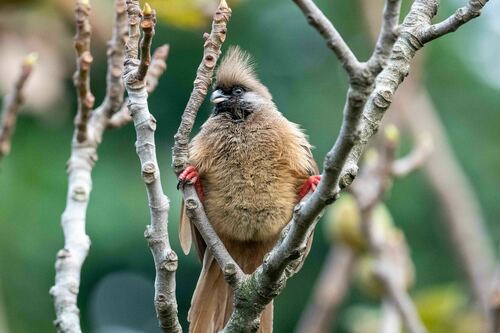
チャイロネズミドリ (Colius striatus) チャイロネズミドリ
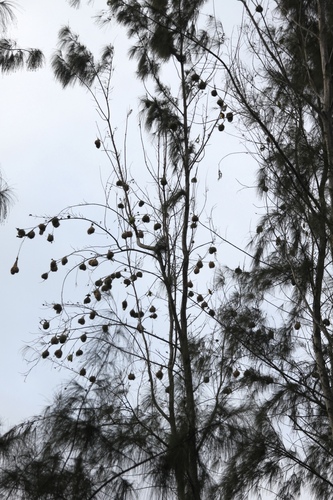
ズグロウロコハタオリ (Ploceus cucullatus) ズグロウロコハタオリ

メディア

読み込み中…

要点

チャイロネズミドリとズグロウロコハタオリを区別する最も信頼できるフィールドマークは全体の構造です:マウスバードは長い尾を持ち、細身で、冠羽がありますが、ウィーバーは短い尾を持ち、ずんぐりしており、円錐形のくちばしを持っています。すべての年齢と季節において、チャイロネズミドリは地味なマウス色の茶色の羽毛を持ち、長く段階的な尾と小さく尖った冠羽を示しますが、ズグロウロコハタオリは明るく、黄色と黒またはオリーブ色のトーンを持ち、はるかに短い尾と厚い種食性のくちばしを持っています。若いズグロウロコハタオリは地味に見えることがありますが、マウスバードの細長いシルエットや冠羽を示すことはありません。両種は群れで見ることができますが、飛行と止まり方は著しく異なります。

識別のコツ

  1. Tail length and shape: チャイロネズミドリは常に非常に長く段階的な尾(全長の約半分)を示し、止まっている時も飛んでいる時も明らかです。ズグロウロコハタオリは短く四角い尾を持っています。
  2. Crest: マウスバードは頭に小さく尖った冠羽を持ち、すべての年齢と姿勢で見えます。ズグロウロコハタオリは冠羽を示しません。
  3. Bill shape: マウスバードは黒い上くちばしとピンクがかった下くちばしを持つ短いわずかに曲がったくちばしを持っています。ズグロウロコハタオリは厚い円錐形の種食性のくちばしを持ち、成鳥は常に黒です。
  4. Overall shape/jizz: マウスバードは細身で細長く、体を水平にして尾を垂らして止まることがよくあります。ウィーバーはずんぐりして直立し、コンパクトです。
  5. Plumage color: マウスバードは上も下も均一に地味なマウス色の茶色で、微妙な斑点があり、明るい色はありません。ズグロウロコハタオリ(特に males)は明るい黄色と黒(繁殖期)、または黄色/オリーブ/灰色(非繁殖期/雌/幼鳥)で、翼に強いコントラストがあります。
  6. Wing pattern in flight: ズグロウロコハタオリは常に翼に対照的な黄色と黒を示し、幼鳥でも同様です。マウスバードは無地の茶色の翼を持っています。
  7. Head pattern: 繁殖期のオスのズグロウロコハタオリは黒い頭(地域によっては栗色または黄色の後頭部/冠)を持ち、マウスバードには見られません。マウスバードは冠羽のある無地の茶色の頭を持ち、時には微妙な縞模様や喉の色の変化があります。
  8. Eye color: ズグロウロコハタオリの成鳥は暗い赤褐色の目を持ち、マウスバードの虹彩の色は亜種によって異なりますが、強いフィールドマークにはなりません。
  9. Group behavior: マウスバードは小さく密集した群れで移動し、しばしば葉の間を這い回り、日光浴をします。ウィーバーは特に巣の近くで大きく騒がしいコロニーで見られることが多いです。
  10. Nesting context: ズグロウロコハタオリはコロニーで大きな編まれた吊り巣を作ります。マウスバードは乱雑なカップ状の巣を作り、通常は目立たないです。
  11. Vocalizations: マウスバードは比較的静かで、柔らかいさえずりや「ティスク・ティスク」という呼び声を出します。ウィーバーは特にコロニーで非常に声が大きく、騒がしい呼び声を出します。
  12. Habitat context: 密な低木や茂みで見られる場合、マウスバードの可能性が高いです。開けた芝生、公園、または吊り巣のある木はウィーバーを示唆します。
  13. Juvenile confusion: 若いズグロウロコハタオリは地味ですが、翼に黄色と黒を示し、決して冠羽や長い尾を持ちません。若いマウスバードは成鳥のように見えます:茶色で、冠羽があり、長い尾を持っています。
  14. Flight style: マウスバードは緩くてだらしない羽ばたきと尾を引きずって飛びます。ウィーバーは短い尾で迅速で直接的な飛行をします。
  15. Seasonal variation: ズグロウロコハタオリのオスだけが強い季節的な羽毛の変化(繁殖期と非繁殖期)を示し、マウスバードは常に地味な茶色です。

大きさ

チャイロネズミドリはかなり大きく、細長く、全長約35 cm(尾が全長の約半分を占める)で、体重は約57 gです [wikipedia]。ズグロウロコハタオリははるかにコンパクトで、15〜17 cmの長さで、約37.5 gです [wikidata]。マウスバードの長い尾は、特に飛行中や直立して止まっている時に、はるかに大きく細長く見えます。ウィーバーは明らかにずんぐりしており、短い尾を持ち、より頑丈でフィンチのような体型をしています。

羽色

行動

Speckled Mousebirdsはしばしば小さく密集した群れで移動し、葉の間をアクロバティックに這い回り、時には逆さまにぶら下がります。彼らは敏捷で社交的で、しばしば翼と尾を広げて日光浴をしているのが見られます。飛行中は、長い尾を引きずりながら、緩くてだらしない印象を与えます。ズグロウロコハタオリは騒がしい大きなコロニーで見られることが多く、特に編まれた巣の周りで見られます。彼らの飛行は強く直接的で、迅速な羽ばたきと短く四角い尾を持っています。止まっている時、ウィーバーは直立してずんぐりして見え、しばしば開けた場所や餌台で見られます。

生息環境

両種はサハラ以南のアフリカに広く分布しており、庭、村、森林の端で重なることがあります。しかし、ズグロウロコハタオリは特に開けたまたは半開けた生息地に一般的で、人間の居住地の近くでよく見られ、町や村の木にコロニーで巣を作ることが多いです。Speckled Mousebirdsは密な低木、茂み、庭でより頻繁に見られ、開けた場所ではなく植生の中を移動します。

声

チャイロネズミドリはメロディックな歌で知られていませんが、騒がしく、飛行中に「ツー・ツー」というさえずりと「ティスク・ティスク」という警戒音を出します。ズグロウロコハタオリは特にコロニーで非常に声が大きく、さまざまな厳しいおしゃべりの呼び声やいくつかの歌を持っています。声の活動の違いは、特にウィーバーのコロニーの近くで明らかです。

より良い説明を送る

比較と同じ項目を使ってください。文章はすぐに公開されます。

The most reliable field mark to separate Speckled Mousebird from Village Weaver is overall structure: mousebirds are long-tailed, slim, and crested, while weavers are short-tailed, stocky, and conical-billed. In all ages and seasons, Speckled Mousebird shows a drab, mousy-brown plumage with a long, graduated tail and a small, pointed crest, whereas Village Weaver is brighter, with yellow and black or olive tones, a much shorter tail, and a thick, seed-eater bill. Juvenile Village Weavers can appear dull, but never show the mousebird's elongated silhouette or crest. Both species may be seen in groups, but their flight and perching jizz are strikingly different.

  1. Tail length and shape: Speckled Mousebird always shows an extremely long, graduated tail (about half its total length), which is obvious both perched and in flight. Village Weaver has a short, square tail.
  2. Crest: Mousebirds have a small, pointed crest on the head, visible in all ages and postures. Village Weavers never show a crest.
  3. Bill shape: Mousebird has a short, slightly decurved bill with a black upper and pinkish lower mandible. Village Weaver has a thick, conical, seed-eater's bill, always black in adults.
  4. Overall shape/jizz: Mousebirds are slim, elongated, and often perch with the body horizontal and tail drooping. Weavers are stocky, upright, and compact.
  5. Plumage color: Mousebirds are uniformly dull, mousy brown above and below, with subtle speckling and no bright colors. Village Weavers (especially males) are bright yellow and black (breeding), or yellow/olive/grey (nonbreeding/female/juvenile), with strong contrast in the wings.
  6. Wing pattern in flight: Village Weavers always show contrasting yellow and black in the wings, even in juveniles. Mousebirds have plain brown wings.
  7. Head pattern: Breeding male Village Weavers have a black head (with chestnut or yellow nape/crown depending on region), never matched by mousebird. Mousebirds have a plain brown head with a crest, sometimes with subtle barring or throat color variation.
  8. Eye color: Village Weaver adults have dark reddish eyes; mousebird iris color varies by subspecies but is never a strong field mark.
  9. Group behavior: Mousebirds move in small, tight groups, often clambering through foliage and sunning. Weavers are more likely to be seen in large, noisy colonies, especially near nests.
  10. Nesting context: Village Weavers build large, woven, hanging nests in colonies. Mousebirds build untidy cup nests, usually less conspicuous.
  11. Vocalizations: Mousebirds are relatively quiet, with soft warbles and 'tisk-tisk' calls. Weavers are much more vocal, especially in colonies, with loud, chattering calls.
  12. Habitat context: If seen in dense shrubbery or thickets, mousebird is more likely; open lawns, parks, or trees with hanging nests suggest weaver.
  13. Juvenile confusion: Young Village Weavers are duller but still show yellow and black in the wings and never have a crest or long tail. Young mousebirds look like adults: brown, crested, long-tailed.
  14. Flight style: Mousebirds fly with loose, floppy wingbeats and a trailing tail; weavers have rapid, direct flight with a short tail.
  15. Seasonal variation: Only Village Weaver males show strong seasonal plumage change (breeding vs nonbreeding); mousebirds are always drab brown.

Speckled Mousebird is significantly larger and more elongated, reaching about 35 cm in length (with the tail making up about half of this), and weighing around 57 g [wikipedia]. Village Weaver is much more compact, at 15–17 cm long and about 37.5 g [wikidata]. The mousebird's long tail makes it appear much bigger and more slender, especially in flight or when perched upright. The weaver is noticeably chunkier and shorter-tailed, with a more robust, finch-like build.

  • Juvenile/Immature: Juvenile Village Weavers resemble adult females, being brownish above with streaked olive upperparts, yellow and black wings, and pale yellow underparts. They never show the uniform, mousy-brown tones or long tail of the mousebird. Juvenile mousebirds are similar to adults: drab brown, long-tailed, and crested, with no strong patterning or bright colors.
  • Adult (nonbreeding): Nonbreeding male Village Weavers have a yellow head with an olive crown, grey upperparts, and whitish underparts, but still retain yellow and black in the wings. Speckled Mousebird adults are always dull brown above and below, with a slight speckling and a dark crest, lacking any yellow or black wing markings.
  • Adult (breeding): Breeding male Village Weavers are strikingly patterned: black head (with chestnut or yellow on nape/crown depending on region), black and yellow upperparts, and yellow underparts. Mousebirds remain drab brown, with a black upper mandible and pinkish lower mandible, and a prominent crest. No mousebird shows the weaver's black face or yellow plumage.
  • Wings in flight: Village Weavers show contrasting yellow and black in the wings (all ages), while mousebirds have uniform brown wings with no strong pattern.

Speckled Mousebirds often move in small, tight groups, clambering acrobatically through foliage, sometimes hanging upside down. They are agile and social, often seen sunning with wings and tail spread. In flight, they appear loose and floppy, with the long tail trailing. Village Weavers are more likely to be seen in noisy, larger colonies, especially around their woven nests. Their flight is strong and direct, with rapid wingbeats and a short, square tail. Perched, weavers look upright and chunky, often in open areas or at feeders.

Both species are widespread in sub-Saharan Africa and may overlap in gardens, villages, and woodland edges. However, Village Weavers are especially common in open or semi-open habitats, often near human habitation, and frequently nest colonially in trees in towns and villages. Speckled Mousebirds are more often seen in dense shrubbery, thickets, and gardens, moving through vegetation rather than out in the open.

Speckled Mousebird is not known for melodious song, but is noisy, giving a warbling 'tsu-tsu' call in flight and a 'tisk-tisk' alarm. Village Weaver is much more vocal, especially in colonies, with a variety of harsh, chattering calls and some song. The difference in vocal activity is especially obvious near weaver colonies.

変更を破棄しますか?

保存していない編集があります。今離れると失われます。

チャイロネズミドリ · ズグロウロコハタオリ · 苦手な鳥