

Motmot

カタジロオナガモズ 対 ツバメ

Lanius collaris 対 Hirundo rustica

カタジロオナガモズとツバメのクイズ
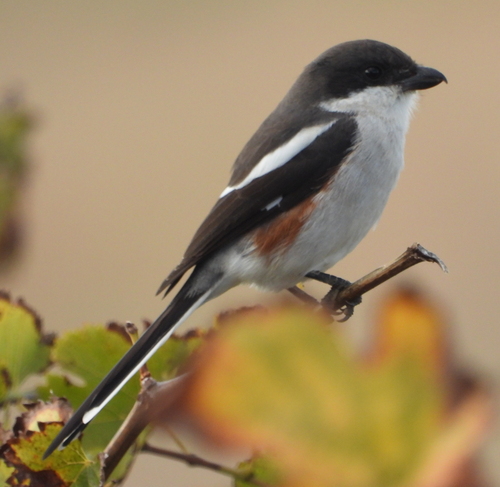
カタジロオナガモズ (Lanius collaris) カタジロオナガモズ
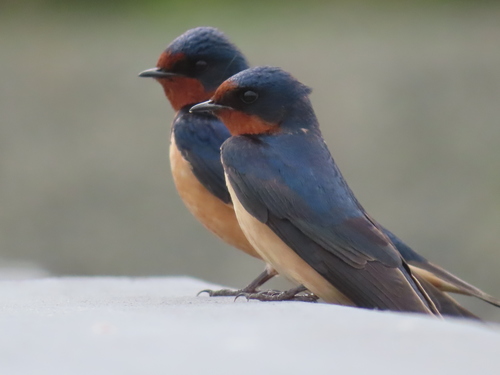
ツバメ (Hirundo rustica) ツバメ

メディア

読み込み中…

要点

南部カタジロオナガモズとツバメを区別する最も信頼できるフィールドマークは全体的な構造です:カタジロオナガモズはずんぐりとした直立したシュライクで、太いくちばしと長い白い縁のある尾を持っていますが、ツバメは細長く流線型の空中飛行者で、深く分かれた尾と尖った翼を持っています。幼鳥のツバメは他のツバメと混同されることがありますが、南部カタジロオナガモズとは混同されません。後者は決して赤褐色の顔や青い上面を示さないからです。飛行中または止まっているとき、カタジロオナガモズの大胆な白黒のパターンと直立した姿勢は、ツバメの光沢のある青、赤褐色、白の羽毛と常に機敏な飛行と鋭く対照的です。遠くからでも、カタジロオナガモズの重いくちばしとシュライクの特徴は、どのツバメとも異なります。

識別のコツ

  1. 構造が重要:南部カタジロオナガモズはずんぐりとした直立したシュライクで、重くてフック状のくちばしを持っています;ツバメは細長く、小さなくちばしと長く尖った翼を持っています。この違いは、止まっているときも飛行中も明らかです。
  2. 尾の形:カタジロオナガモズは白い外羽と先端を持つ長くまっすぐな黒い尾を持っています;ツバメは深く分かれた尾を持ち、長い流線型の尾羽(特に成鳥で)と先端近くに白い斑点の列があります。幼鳥のツバメは短く、分かれた尾を持っていますが、カタジロオナガモズの尾のパターンは持っていません。
  3. 羽毛のパターン:カタジロオナガモズは上面が大胆に黒(頭から尾まで)で、背中に白い「V」があり、白い腹部を持っています。ツバメは上面が光沢のある青で、赤褐色の顔と喉、暗い青の胸帯、オフホワイトの腹部を持っています。カタジロオナガモズは決して赤褐色の顔や青い光沢を示しません。
  4. 止まっている姿勢:カタジロオナガモズは直立して、しばしば一羽またはペアで、露出した止まり木に止まります;ツバメは水平に止まり、通常は群れで、ワイヤーや ledge に止まります。
  5. 飛行スタイル:カタジロオナガモズは止まり木から止まり木へ直接飛び、長距離を飛ぶことはほとんどありません;ツバメはほぼ常に連続的で機敏な飛行をしており、昆虫を捕まえるために急降下したり滑空したりしています。
  6. くちばしの形:カタジロオナガモズのくちばしは太く、強く、フック状(シュライクのよう)です;ツバメのくちばしは小さく、繊細で、飛行中に昆虫を捕まえるために適応しています。
  7. 脚と足:カタジロオナガモズは強い黒い脚と足を持っており、止まっているときによく見えます;ツバメの脚は短くて弱く、止まっているとき以外はほとんど見えません。
  8. 幼鳥の混同:幼鳥のツバメは茶色がかっており、長い尾羽を欠いていますが、赤褐色の顔を示し、カタジロオナガモズの白黒のパターンは決して示しません。カタジロオナガモズの幼鳥は成鳥に似ており、常にシュライクの特徴を持っています。
  9. 性差:雌のカタジロオナガモズは下腹部に赤褐色の色合いを持つことがありますが、赤褐色の顔は決してありません;雌のツバメは尾羽が短く、青が鈍くなりますが、その他は雄に似ています。
  10. 声:カタジロオナガモズの鳴き声は厳しく、シュライクのようで、時には模倣的です;ツバメの鳴き声は柔らかく、より音楽的で、鋭い警報音やさえずりを含みます。
  11. 生息地の文脈:カタジロオナガモズは領土を持ち、孤独で、しばしば茂みや半開放的な地域にいます;ツバメは社交的で、開けた空間に見られ、しばしば水や人間の構造物の近くにいます。
  12. 採餌行動:カタジロオナガモズは止まり木から狩りをし、時には獲物を突き刺します;ツバメは連続的な飛行で昆虫を捕まえます。
  13. サイズの印象:カタジロオナガモズは特に止まっているときに大きくてずんぐりと見えます;ツバメははるかに軽く、より繊細です。
  14. 一般的な落とし穴:幼鳥のツバメの短い尾をカタジロオナガモズの尾と混同しないでください;ツバメの赤褐色の顔と青い上面、カタジロオナガモズの直立した重いくちばしの外観を探してください。
  15. 季節的な文脈:ツバメは移動/繁殖シーズン以外では存在しないか、あまり一般的ではないかもしれません;カタジロオナガモズはその範囲内で年間を通じて生息しています。

大きさ

南部カタジロオナガモズはツバメ(16–22 g)よりもかなり重く、ずんぐりとしています(約40 g)。カタジロオナガモズは21–23 cmの長さですが、その多くは長い尾によるものです;頑丈でずんぐりとした外観です。ツバメは短く(17–19 cm)、はるかに細長く、長い翼幅(32–34.5 cm)と長く深く分かれた尾羽(特に成鳥で)を持っています。ツバメの軽い体型と長い翼は機敏で持続的な飛行に適応しており、カタジロオナガモズは止まり木に止まるか、急降下します。

羽色

幼鳥のツバメは上面が茶色がかっており、淡い赤褐色の顔、白い腹部を持ち、成鳥の長い尾羽を欠いています。南部カタジロオナガモズの黒白の「V」背中や大胆な白い外尾羽は決して示しません。成鳥のツバメはスチールブルーの上面、赤褐色の額、顎、喉、暗い青の胸帯、オフホワイトの腹部を持っています。深く分かれた尾には先端近くに白い斑点の列があります。南部カタジロオナガモズは対照的に、上面が黒(頭から尾まで)で、背中にクリスプな白い「V」があり、白い腹部と白い外羽と先端を持つ長い黒い尾があります。カタジロオナガモズのくちばし、目、脚は黒です;雌は下腹部に赤褐色の色合いを示すことがありますが、ツバメの赤褐色の顔や青い光沢は決して示しません。ツバメの年齢や性別は、カタジロオナガモズのシュライクのようなパターンや構造を示すことはありません。

行動

南部カタジロオナガモズは通常、露出した枝、ワイヤー、またはポストに直立して止まり、獲物を探し、時には棘に獲物を突き刺すのが観察されます。主に静止しており、止まり木から狩りをします。ツバメはほぼ常に飛行中で、流れるようなアクロバティックな動きで昆虫を捕まえながら急降下したり滑空したりしています。止まっているとき、ツバメはしばしばワイヤーや ledge に群れで集まり、水平またはわずかに前かがみになって座り、シュライクのように直立することはありません。ツバメの飛行は連続的で優雅ですが、カタジロオナガモズの飛行は直接的で目的意識的であり、頻繁に停止します。

生息環境

南部カタジロオナガモズは南アフリカの開けた生息地に見られ、しばしば茂みの多い地域、農地、または人間の居住地の近くにいます。常に止まり木が利用可能です。ツバメは世界中に分布し、開けた国、農地、水の近くで繁殖し、しばしば人間の集落の近くに見られますが、開けた空間や群れでワイヤーに止まっているのがはるかに一般的です。カタジロオナガモズは孤独またはペアで、領土を守り、ツバメは特に繁殖シーズン以外では群れで行動します。

声

南部カタジロオナガモズは厳しいシュライクのような鳴き声を混ぜて発し、特徴的なDzzzttt-dzzzt-dzzztの警報音や、時には他の種を模倣する音を発します。その歌は甘いですが静かで、領土やペアの絆のために使用されます。ツバメはさまざまな鳴き声を持っています:ウィットまたはウィットウィット、興奮したときの大きなスプリー・プリンク、鋭い警報音(猫用のシフリット、猛禽類用のフリット・フリット)。両種は繁殖シーズンにより声を発しますが、鳴き声の質と機能はかなり異なります。

より良い説明を送る

比較と同じ項目を使ってください。文章はすぐに公開されます。

The most reliable field mark to separate Southern Fiscal from Barn Swallow is overall structure: the fiscal is a chunky, upright shrike with a thick bill and long, white-edged tail, while the swallow is a slender, streamlined aerialist with a deeply forked tail and pointed wings. Juvenile Barn Swallows can be confused with other swallows but not with Southern Fiscal, as the latter never shows a rufous face or blue upperparts. In flight or perched, the fiscal's bold black-and-white pattern and upright stance contrast sharply with the swallow's glossy blue, rufous, and white plumage and constant, agile flight. Even at a distance, the fiscal's heavy bill and shrike jizz are unlike any swallow.

  1. Structure is key: Southern Fiscal is a thickset, upright shrike with a heavy, hooked bill; Barn Swallow is slender, with a tiny bill and long, pointed wings. This difference is obvious both perched and in flight.
  2. Tail shape: Fiscal has a long, straight black tail with white outer feathers and tips; Barn Swallow has a deeply forked tail with elongated streamers (especially in adults) and a line of white spots near the tip. Juvenile swallows have shorter, less forked tails but still lack the fiscal's tail pattern.
  3. Plumage pattern: Fiscal is boldly black above (from crown to tail) with a white 'V' on the back and white underparts. Barn Swallow is glossy blue above, with a rufous face and throat, a dark blue breast band, and off-white underparts. No fiscal ever shows a rufous face or blue gloss.
  4. Perched posture: Fiscal sits upright, often alone or in pairs, on exposed perches; swallow perches horizontally, usually in groups, on wires or ledges.
  5. Flight style: Fiscal flies directly from perch to perch, rarely for long distances; swallow is almost always seen in continuous, agile flight, swooping and gliding for insects.
  6. Bill shape: Fiscal's bill is thick, strong, and hooked (shrike-like); swallow's bill is tiny and delicate, adapted for catching insects in flight.
  7. Legs and feet: Fiscal has strong, black legs and feet, often visible when perched; swallow's legs are short and weak, rarely seen except when perched.
  8. Juvenile confusion: Juvenile Barn Swallow is browner and lacks long tail streamers, but still shows a rufous face and never the fiscal's black-and-white pattern. Fiscal juveniles resemble adults, always with the shrike jizz.
  9. Sex differences: Female fiscal may have a rufous tinge on the lower flank, but never a rufous face; female swallow has shorter tail streamers and duller blue, but otherwise similar to male.
  10. Voice: Fiscal's calls are harsh, shrike-like, and sometimes imitative; swallow's calls are softer, more musical, and include sharp alarms and twittering.
  11. Habitat context: Fiscal is territorial and solitary, often in bushy or semi-open areas; swallow is social, found in open airspace, often near water or human structures.
  12. Feeding behavior: Fiscal hunts from a perch, sometimes impaling prey; swallow catches insects in continuous flight.
  13. Size impression: Fiscal appears larger and bulkier, especially when perched; swallow is much lighter and more delicate.
  14. Common pitfalls: Do not confuse juvenile swallow's short tail for a fiscal's tail; look for the rufous face and blue upperparts in swallows, and the upright, heavy-billed look in fiscals.
  15. Seasonal context: Swallows may be absent or less common outside migration/breeding season; fiscals are resident year-round in their range.

Southern Fiscal is significantly heavier and bulkier (about 40 g) than Barn Swallow (16–22 g). The fiscal measures 21–23 cm long, but much of this is due to its long tail; it appears robust and thickset. Barn Swallow is shorter (17–19 cm) and much more slender, with a long wingspan (32–34.5 cm) and elongated, deeply forked tail streamers (especially in adults). The swallow's light build and long wings are adapted for agile, sustained flight, while the fiscal is a percher and pouncer.

Juvenile Barn Swallow is browner above, with a paler rufous face, whiter underparts, and lacks the long tail streamers of adults. It never shows the black-and-white 'V' back or the bold white outer tail feathers of Southern Fiscal. Adult Barn Swallow has steel-blue upperparts, a rufous forehead, chin, and throat, a dark blue breast band, and off-white underparts. Its deeply forked tail has a line of white spots near the tip. Southern Fiscal, by contrast, is black above (from crown to tail) with a crisp white 'V' on the back, white underparts, and a long black tail with white outer feathers and tips. The fiscal's bill, eyes, and legs are black; females may show a rufous tinge on the lower flank, but never the swallow's rufous face or blue gloss. No age or sex of Barn Swallow ever shows the fiscal's shrike-like pattern or structure.

Southern Fiscal is typically seen perched upright on exposed branches, wires, or posts, scanning for prey, and may be observed impaling prey on thorns. It is mostly sedentary and hunts from a perch. Barn Swallow is almost always seen in flight, swooping and gliding with fluid, acrobatic movements as it catches insects on the wing. When perched, swallows often gather in groups on wires or ledges, sitting horizontally or slightly hunched, never upright like a shrike. The swallow's flight is continuous and graceful, while the fiscal's is direct and purposeful, with frequent stops.

Southern Fiscal is found in open habitats across southern Africa, often in bushy areas, farmland, or near human habitation, always with perches available. Barn Swallow is cosmopolitan, breeding in open country, farmland, and near water, often close to human settlements, but is much more likely to be seen in open airspace or perched on wires in flocks. The fiscal is solitary or in pairs, defending territory, while the swallow is gregarious, especially outside the breeding season.

Southern Fiscal gives a mix of harsh, shrike-like calls, including a distinctive Dzzzttt-dzzzt-dzzzt alarm and a jumble of swizzling notes, sometimes imitating other species. Its song, though sweet, is quiet and used for territory or pair-bonding. Barn Swallow has a variety of calls: a witt or witt-witt, a loud splee-plink when excited, and sharp alarm notes (siflitt for cats, flitt-flitt for raptors). Both species are more vocal in the breeding season, but their calls are quite different in quality and function.

変更を破棄しますか?

保存していない編集があります。今離れると失われます。

カタジロオナガモズ · ツバメ · 苦手な鳥