

Motmot

オオトウゾクカモメ 対 ツノメドリ

Stercorarius maccormicki 対 Fratercula corniculata

オオトウゾクカモメとツノメドリのクイズ
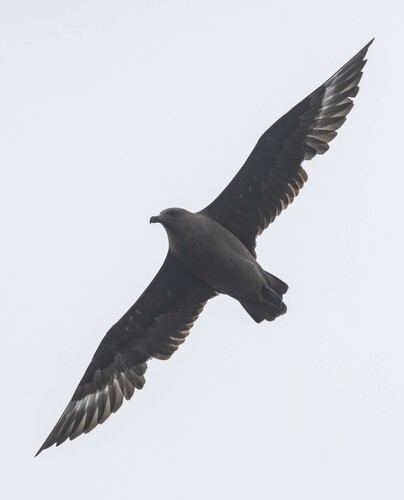
オオトウゾクカモメ (Stercorarius maccormicki) オオトウゾクカモメ
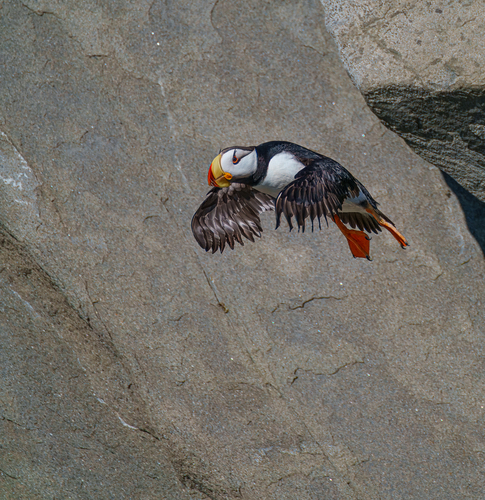
ツノメドリ (Fratercula corniculata) ツノメドリ

メディア

読み込み中…

要点

南極オオトウゾクカモメとツノメドリを区別する最も信頼できる方法は、全体的な構造と飛行スタイルによるものです: オオトウゾクカモメは巨大で、バレル型の胸部を持つ、広い翼を持つ海鳥で、力強く直接的な飛行をします。一方、ツノメドリはコンパクトで、短い首を持ち、急速な羽ばたきで飛びます。すべての羽色において、オオトウゾクカモメははるかに大きく、威圧感があります。重く、フック状のくちばしと、飛行中に見える広い白い翼のフラッシュがあります。ツノメドリは、鮮やかな黒と白の顔、カラフルなくちばし、陸上での直立した姿勢によって、よく見えるとすぐに認識できます。幼鳥や暗色型のオオトウゾクカモメはより難しい場合がありますが、それでもサイズ、構造、ツノメドリのような顔のパターンがないことが決定的です。これらの2種は形状と行動が非常に異なるため、混乱は通常、遠くからまたは視界が悪い条件でのみ発生します。

識別のコツ

  1. サイズと体格: 南極オオトウゾクカモメはツノメドリよりもはるかに大きく、体格がしっかりしています; 遠くの鳥でも、ツノメドリのコンパクトで短い首の形に比べて、巨大でバレル型のシルエットを示します。これはすべての年齢と羽色に当てはまります。
  2. 飛行スタイル: オオトウゾクカモメは強く、直接的な羽ばたきで飛び、広い翼で滑空しますが、ツノメドリは急速で、ヒューヒューとした羽ばたきと、よりひらひらした低い飛行をします。ツノメドリはめったに上昇しませんが、オオトウゾクカモメはしばしば上昇します。
  3. くちばしの形と色: オオトウゾクカモメは重くフック状のくちばしを持ち(幼鳥や暗色型では基部が青い)、決してカラフルではありません。ツノメドリは、成鳥(繁殖期)では明るい赤と黄色の巨大で横に圧縮されたくちばしを持ち、目の上に黄色い肉質の突起と黒い「角」があります。
  4. 顔のパターン: ツノメドリは常に黒い帽子と暗い目のストライプを持つ印象的な白い顔を示し、成鳥には肉質の黒い「角」があります。オオトウゾクカモメは年齢や型に関係なく、顔やくちばしに白い部分を示しません。
  5. 飛行中の翼のパターン: オオトウゾクカモメ(すべての年齢)は、主翼に広い白いフラッシュを示し、上からも下からも見えます。ツノメドリは完全に暗い上翼を持ち、白は下部にのみあります。
  6. 脚の色: ツノメドリは繁殖期に明るいオレンジ色の脚と足を持ち、エクリプスでは淡い色に変わります。オオトウゾクカモメは年間を通じて暗い脚を持っています。
  7. 陸上での姿勢: ツノメドリはほぼペンギンのように直立して立ち、容易に歩いたり登ったりします。オオトウゾクカモメはより水平で、直立して立つことはめったにありません。
  8. 幼鳥の混乱: 幼鳥のツノメドリは煙のような灰色の頬と小さな暗いくちばしを持っていますが、対照的な顔を示します。幼鳥や暗色型のオオトウゾクカモメは冷たい茶色で、顔のパターンがなく、くちばしの基部が青いです。
  9. 繁殖羽色と非繁殖羽色: ツノメドリはエクリプスで明るいくちばしの色とオレンジ色の脚を失いますが、白い顔と黒い帽子は保持します。オオトウゾクカモメは季節的な変化が少なく、型間の微妙な違いのみを示します。
  10. 行動: オオトウゾクカモメはしばしば他の海鳥を追いかけたり、いじめたりするのが見られ、機敏さよりも力を使います。ツノメドリは魚を追いかけたり、騒がしいコロニーに集まったりするのが見られることが多いです。
  11. 生息地の文脈: ツノメドリは通常、北太平洋の沿岸の崖や島の近くで見られますが、オオトウゾクカモメはより外洋性で南極海に基づいており、漂流者が出現することがあります。
  12. 範囲の重複なし: 北太平洋のツノメドリのコロニー近くで見られた場合、その鳥はほぼ確実にツノメドリです。オオトウゾクカモメはこれらの地域では珍しい漂流者です。
  13. 声の混乱なし: 類似の鳴き声は記載されていないため、鳴き声はここでは有用なフィールドマークではありません。
  14. 水上で: ツノメドリは水面に低く座り、しばしば群れで、白い顔とカラフルなくちばしを示します。オオトウゾクカモメは高く座り、より大きく見え、地味な茶色または灰色の頭と体を持っています。
  15. 落とし穴: 遠くから見ると、ツノメドリの暗い上部と白い顔は淡い頭のオオトウゾクカモメと誤解されることがありますが、くちばしの形、サイズ、構造は常に異なります。

大きさ

南極オオトウゾクカモメはツノメドリの2倍以上の重さ(1349 g対637 g)で、長さもはるかに長い(約53 cm対20 cm)です。オオトウゾクカモメは巨大で、バレル型の体と広い翼を持ち、静止時と飛行時の両方で大きく力強い外観を与えます。それに対して、ツノメドリはコンパクトで短い首を持ち、ずんぐりした体形で、はるかに小さな体と相対的に短い翼を持っています。遠くからでも、オオトウゾクカモメのサイズと体格は明らかで、他の海鳥と並んで見ると特に目立ちます。

羽色

これら2種の間には年齢特有の翼のパターンの重複はありません: 南極オオトウゾクカモメ(すべての年齢)は、主翼に広い白いフラッシュを示し、飛行中に最も目立ちますが、ツノメドリは翼に白い部分がなく、白い顔を除いて完全に暗いです。幼鳥や暗色型のオオトウゾクカモメは全体的に冷たい茶色で、くちばしの基部が青く、顔のマーキングや明るい色がありません。成鳥のオオトウゾクカモメ(淡色または中間型)は、対照的な淡い頭と暗い体を示しますが、決して白い顔やくちばしの色合いはありません。繁殖羽色のツノメドリ成鳥は、白い顔、黒い帽子、大きくカラフルなくちばし(赤と黄色で、目の上に黄色い肉質の突起と黒い「角」があります)で明確に識別できます。エクリプス(非繁殖)羽色では、ツノメドリのくちばしは鈍くなり、顔は灰色がかりますが、基本的な黒と白の頭のパターンは残ります。幼鳥のツノメドリは煙のような灰色の頬と小さな暗いくちばしを持っていますが、オオトウゾクカモメとは異なる対照的な顔を示します。水中または陸上では、ツノメドリのオレンジ色の脚と足が明らかで、オオトウゾクカモメは暗い脚を持っています。

行動

南極オオトウゾクカモメは力強く、直接的な飛行をする鳥で、しばしば他の海鳥を食べ物のために追いかけたり、いじめたりするのが見られます。機敏さよりも力を使います。海上で飛んだり、休んだりする時間がほとんどで、繁殖のために陸に来ることはめったにありません。ツノメドリは水中で非常に機敏で、魚を追いかける際に翼を使って水面下を「飛ぶ」ことができます。飛行中、ツノメドリは急速でヒューヒューとした羽ばたきと低く直接的な軌道を持っています。陸上では、ツノメドリは直立して歩き、岩を簡単に登ります。しばしば密集したコロニーに集まります。オオトウゾクカモメはめったに直立して歩かず、ツノメドリのような直立したペンギンの姿勢を示すことはありません。

生息環境

南極オオトウゾクカモメは南極海の周極種ですが、漂流者が北の海に現れることがあります。常に開けた海や遠隔の繁殖地に関連しています。ツノメドリは厳密に北太平洋に生息し、アラスカからシベリアまでの沿岸の崖や島で繁殖し、コロニーや海の近くでよく見られます。ツノメドリは繁殖期には陸に近い場所で最もよく見られますが、オオトウゾクカモメはより外洋性で、巣作りの場所を除いてはめったに岸に近づきません。

より良い説明を送る

比較と同じ項目を使ってください。文章はすぐに公開されます。

The most reliable way to separate South Polar Skua from Horned Puffin is by overall structure and flight style: the skua is a massive, barrel-chested, broad-winged seabird with a powerful, direct flight, while the puffin is compact, short-necked, and flies with rapid wingbeats. In all plumages, the skua appears much larger and more imposing, with a heavy, hooked bill and broad white wing flashes visible in flight. Horned Puffin is instantly recognizable when seen well by its striking black-and-white face, colorful bill, and upright posture on land. Juvenile and dark-morph skuas can be trickier, but even then, the size, structure, and lack of any puffin-like facial pattern are decisive. These two species are so different in shape and behavior that confusion usually only arises at great distance or in poor viewing conditions.

  1. Size and bulk: South Polar Skua is much larger and bulkier than Horned Puffin; even distant birds show a massive, barrel-chested silhouette compared to the puffin's compact, short-necked shape. This is true for all ages and plumages.
  2. Flight style: Skuas fly with strong, direct wingbeats and glide on broad wings, while puffins have rapid, whirring wingbeats and a more fluttery, low flight. Puffins rarely soar; skuas often do.
  3. Bill shape and color: Skuas have a heavy, hooked bill (blue at the base in juveniles/dark morphs), never colorful. Puffins have a huge, laterally compressed bill that is bright red and yellow in adults (breeding), with a yellow wattle and black 'horn' above the eye.
  4. Facial pattern: Puffins always show a striking white face with a black cap and dark eyestripe, plus a fleshy black 'horn' in adults. Skuas never show any white on the face or bill, regardless of age or morph.
  5. Wing pattern in flight: Skuas (all ages) show broad white flashes in the primaries, visible from above and below. Puffins have entirely dark upperwings with no white, and white only on the underparts.
  6. Leg color: Puffins have bright orange legs and feet in breeding season, fading to pale in eclipse. Skuas have dark legs year-round.
  7. Posture on land: Puffins stand upright, almost penguin-like, and walk or climb with ease. Skuas are more horizontal and rarely stand upright.
  8. Juvenile confusion: Juvenile puffins have smoky-gray cheeks and a small, dark bill but still show a contrasting face. Juvenile/dark-morph skuas are cold brown with no facial pattern, and a blue bill base.
  9. Breeding vs non-breeding plumage: Puffins lose their bright bill colors and orange legs in eclipse but retain the white face and black cap. Skuas show less seasonal change, with only subtle differences between morphs.
  10. Behavior: Skuas are often seen chasing or harassing other seabirds, using brute force. Puffins are more likely to be seen diving for fish or gathering in noisy colonies.
  11. Habitat context: Puffins are usually seen near coastal cliffs or islands in the North Pacific, while skuas are more pelagic and Southern Ocean-based, though vagrants can occur.
  12. No overlap in range: If seen in the North Pacific near puffin colonies, the bird is almost certainly a puffin. Skuas are rare vagrants in these areas.
  13. No voice confusion: No similar calls are described, so vocalization is not a useful field mark here.
  14. On water: Puffins sit low in the water, often in groups, and show a white face and colorful bill. Skuas sit higher, appear bulkier, and have a plain brown or grayish head and body.
  15. Pitfalls: At great distance, a puffin's dark upperparts and white face can be misread as a pale-headed skua, but the bill shape, size, and structure are always different.

South Polar Skua is more than twice as heavy as Horned Puffin (1349 g vs 637 g) and much longer (about 53 cm vs 20 cm). The skua has a massive, barrel-chested body and broad wings, giving it a bulky, powerful appearance both at rest and in flight. In contrast, Horned Puffin is compact, short-necked, and squat, with a much smaller body and proportionally shorter wings. Even at a distance, the skua's size and bulk are apparent, especially when seen alongside other seabirds.

There is no overlap in age-specific wing pattern between these two: South Polar Skua (all ages) shows broad white flashes in the primaries, most visible in flight, while Horned Puffin lacks any white in the wing and is entirely dark above except for its white face. Juvenile and dark-morph skuas are overall cold brown with a blue bill base, lacking any facial markings or bright colors. Adult skuas (pale or intermediate morphs) show a contrasting pale head and darker body, but never any white face or bill coloration. Horned Puffin adults are unmistakable in breeding plumage, with a white face, black cap, and a large, colorful bill (red and yellow with a yellow wattle and black 'horn' above the eye). In eclipse (non-breeding) plumage, the puffin's bill dulls and the face becomes grayish, but the basic black-and-white head pattern remains. Juvenile puffins have smoky-gray cheeks and a small, dark bill, but still show a contrasting face unlike any skua. On the water or land, the puffin's orange legs and feet are obvious, while skuas have dark legs.

South Polar Skua is a powerful, direct flier, often seen harassing other seabirds for food with brute force rather than agility. It spends most of its time flying or loafing at sea, rarely coming to land except to breed. Horned Puffin is extremely agile underwater, using its wings to 'fly' beneath the surface while chasing fish. In flight, puffins have rapid, whirring wingbeats and a low, direct trajectory. On land, puffins walk upright and climb rocks with ease, often gathering in dense colonies. Skuas rarely walk upright and never show the upright, penguin-like stance of puffins.

South Polar Skua is a circumpolar Southern Ocean species, but vagrants can appear in northern oceans. It is always associated with open sea or remote breeding grounds. Horned Puffin is strictly North Pacific, breeding on coastal cliffs and islands from Alaska to Siberia, and is often seen near colonies or at sea. Puffins are most often seen close to land during the breeding season, while skuas are more pelagic and rarely come close to shore except at nesting sites.

変更を破棄しますか?

保存していない編集があります。今離れると失われます。

オオトウゾクカモメ · ツノメドリ · 苦手な鳥