

Motmot

ネズミガシラツクシガモ 対 クロアカツクシガモ

Tadorna cana 対 Tadorna variegata

ネズミガシラツクシガモとクロアカツクシガモのクイズ
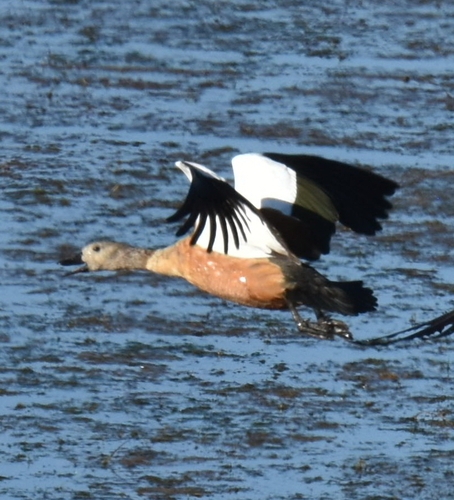
ネズミガシラツクシガモ (Tadorna cana) ネズミガシラツクシガモ
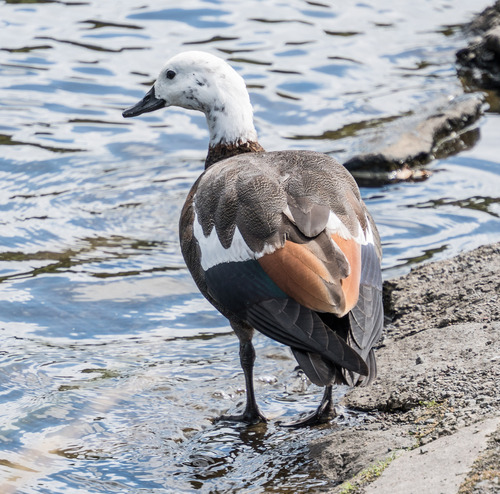
クロアカツクシガモ (Tadorna variegata) クロアカツクシガモ

メディア

読み込み中…

要点

南アフリカツクシガモとクロアカツクシガモを分ける最も信頼できる方法は、特に成鳥の雌における頭部と体の色パターンによるものです。クロアカツクシガモの雌は、豊かな栗色の体に対して非常に白い頭を持っていますが、南アフリカツクシガモの雌は変動する白い顔を示しますが、年齢の高い個体を除いて完全に白い頭を持つことはありません。また、彼女たちの体はより均一に赤褐色です。オスも頭の色が異なります。南アフリカツクシガモのオスは灰色の頭を持ち、クロアカツクシガモのオスは青黒い頭を持っています。飛行中、両種は黒、白、緑の似たような翼のパターンを示しますが、クロアカツクシガモはわずかに大きくてずんぐりしています。両種の幼鳥は鈍い色合いで、見分けるのが難しいことがありますが、クロアカツクシガモの若いオスはすでに暗い頭を示し、若い南アフリカツクシガモの雌は頭に広範な白を持っていません。どちらも大きく、ガチョウのようなカモであるため、特に止まっているか泳いでいる鳥に対して、頭と体の色に注目してください。

識別のコツ

  1. 成鳥雌の頭のパターンは最も良いフィールドマークです: クロアカツクシガモの雌は純白の頭と首を持ち、栗色の体と鮮やかに対比されています。南アフリカツクシガモの雌は白い顔を持っていますが、頭頂、後頭部、首の側面には黒を保持しています。年齢の高い雌だけが白い頭に近づくことがありますが、決してクロアカツクシガモのようにクリーンまたは広範囲ではありません。
  2. オスの頭の色: 南アフリカツクシガモのオスは無地の灰色の頭を持ち、クロアカツクシガモのオスは青黒い頭と首を持っています。これは良い光の下で遠くからも見えます。
  3. 体の色: 両種は赤褐色から栗色の体を持っていますが、クロアカツクシガモは特に雌において頭と体の間により大きなコントラストを示す傾向があります。
  4. 幼鳥と未熟なマーク: 若いクロアカツクシガモのオスはすでに暗い頭を示しています。幼鳥の雌はくちばしの基部に白い斑点を持ち、最初の換羽後に白い頭を得ます。若い南アフリカツクシガモの雌は頭に広範な白を持っておらず、白い目の円だけを示します。
  5. 飛行中の翼のパターン: 両種は翼に黒、白、緑を示します(白い上翼覆い、緑の鏡)、これにより遠くから見ると非常に似ています。分離のために翼のパターンだけに頼らないでください。
  6. サイズと構造: 両者は大きく、頑丈で、ガチョウのようなカモであり、似たような比率を持っています。クロアカツクシガモはわずかに大きくてずんぐりしていますが、これは直接比較なしでは診断的ではありません。
  7. くちばし、脚、足: 両者は黒い脚と水かきのある足を持っています。フィールドではくちばしの色は特に特徴的ではありません。
  8. 声: 南アフリカツクシガモのオスは深いホーンを出し、雌は鋭い「ハーク」を出します。クロアカツクシガモの雌は警戒時に高音の呼び声を出し、オスは脅威の際に急速に呼びます。声は、呼び声がよく知られていない限り、信頼できる分離要因ではありません。
  9. 生息地と分布: 分布を最初のフィルターとして使用してください。南アフリカツクシガモは南アフリカに自生し、クロアカツクシガモはニュージーランドに自生しています。漂流は稀です。
  10. 行動: クロアカツクシガモは複雑な脅威や気をそらすディスプレイを示しますが、これらは通常、短いフィールドビューでは診断的ではありません。
  11. 落とし穴: 古い雌の南アフリカツクシガモは頭に広範な白を発展させることがありますが、決してクロアカツクシガモの雌のようにクリーンまたは完全ではありません。両種の幼鳥は鈍い色合いで混乱を招くことがあります。頭のパターンとコントラストに注目してください。
  12. ハイブリッド警告: 南アフリカツクシガモは飼育下で他のオレンジ色の羽毛を持つツクシガモとハイブリッド化することがありますが、これはこれらの2種のフィールド問題ではありません。
  13. 止まっていると泳いでいる視点: 頭と首の色は両方の状況で見えます。雌の頭の白の広がりと純度を常に確認してください。
  14. 飛行中の視点: もし翼のパターンだけが見えた場合、分離は信頼できません。可能であれば頭や体の色を見るようにしてください。
  15. 性差: 両種は性による二形性を持っていますが、特に雌の白い頭においてクロアカツクシガモのコントラストが最も大きいです。

大きさ

両種は非常に似た体重(南アフリカツクシガモ:約1587 g、クロアカツクシガモ:約1550 g)と長さ(南アフリカツクシガモ:64 cm;クロアカツクシガモ:63–71 cm)を持つ大きなツクシガモです。クロアカツクシガモは最大のTadornaとして記述されており、わずかに長い平均的な長さと翼幅(最大71 cmおよび90 cmの翼幅)を持っていますが、この違いは微妙で、フィールドでは信頼できません。両者は頑丈で、ガチョウのようなカモであり、似たような比率を持っています。

羽色

成鳥の雌のクロアカツクシガモは最も識別しやすく、完全に白い頭と首が栗色の体と対比されています。南アフリカツクシガモの雌は白い顔を持っていますが、黒い頭頂、後頭部、首の側面を保持しています。年齢の高い雌だけが白い頭に近づくことがありますが、決してクロアカツクシガモのようにクリーンではありません。オスも明確に異なります。南アフリカツクシガモのオスは灰色の頭を持ち、クロアカツクシガモのオスは青黒い頭と首を持っています。両種の両性は赤褐色から栗色の体を持っていますが、クロアカツクシガモは特に雌において頭と体の間により大きなコントラストを示します。飛行中、両者は翼に黒、白、緑を持ち、白い上翼覆いと緑の鏡を持っており、遠くから見ると似ています。幼いクロアカツクシガモのオスは成鳥に似ていますが、若い雌はくちばしの基部に白い斑点を持ち、最初の換羽後に白い頭を得ます。幼い南アフリカツクシガモは鈍い色合いで、若い雌は目の円以外に白い頭を持っていません。毛羽立ったクロアカツクシガモのひなは白で、茶色の頭頂と縞模様を持っていますが、これはフィールドではほとんど見られません。

行動

両種は領土的で、長期的なペアを形成します。クロアカツクシガモは顕著な脅威や気をそらすディスプレイを示します。オスは頭を低く下げ、雌は首と体を伸ばし、両親は若い個体が脅威にさらされた場合に「壊れた翼」の気をそらすディスプレイを行うことがあります。南アフリカツクシガモの行動はメモにあまり記載されていませんが、両者はツクシガモの典型的な行動を示し、ペアや小さな群れで見られることが多く、草を食べたり泳いだりします。どちらの種の行動も短いフィールドビューでは診断的である可能性は低いです。

生息環境

南アフリカツクシガモは南アフリカに自生し、主にナミビアと南アフリカで繁殖し、開放的な湿地や湖で一般的です。クロアカツクシガモはニュージーランド固有で、さまざまな湿地や開けた国の生息地に見られ、水から遠く離れた場所でも見られます。両種はそれぞれの分布内で生息地の一般主義者であるため、生息地は自生地域での分離にのみ役立ちます。

声

南アフリカツクシガモのオスは深いホーンまたは「フーグ」と呼ばれる声を出し、雌はより大きく、鋭い「ハーク」を出します。クロアカツクシガモの雌は警戒時に高音の呼び声を出し、オスは脅威のディスプレイで急速に呼びます。両種は騒がしいですが、音は声だけで信頼できる分離を提供するほどの詳細を提供しません。

より良い説明を送る

比較と同じ項目を使ってください。文章はすぐに公開されます。

The most reliable way to separate South African Shelduck from Paradise Shelduck is by head and body color pattern, especially in adult females: Paradise Shelduck females have a strikingly white head with a rich chestnut body, while South African Shelduck females show a variable white face but never a fully white head except in older birds, and their body is more uniformly ruddy. Males differ in head color too: South African Shelduck males have a grey head, Paradise Shelduck males a blue-black head. In flight, both species show similar wing patterns with black, white, and green, but the Paradise Shelduck is slightly larger and bulkier. Juveniles of both species are duller and can be tricky, but Paradise Shelduck young males already show dark heads, while young South African Shelduck females lack extensive white on the head. Both are large, goose-like ducks, so focus on head and body color, especially for perched or swimming birds.

  1. Adult female head pattern is the single best field mark: Paradise Shelduck females have a pure white head and neck, sharply set off from a chestnut body. South African Shelduck females have a white face but retain black on the crown, nape, and neck sides; only older females may approach a white-headed look, but never as clean or extensive as Paradise.
  2. Male head color: South African Shelduck males have a plain grey head, while Paradise Shelduck males have a blue-black head and neck. This is visible at distance in good light.
  3. Body color: Both species have ruddy to chestnut bodies, but Paradise Shelduck tends to show more contrast between head and body, especially in females.
  4. Juvenile and immature marks: Young Paradise Shelduck males already show a dark head; juvenile females have a white patch at the bill base and gain the white head after the first molt. Young South African Shelduck females lack extensive white on the head, showing only white eye circles.
  5. Wing pattern in flight: Both species show black, white, and green in the wing (white upperwing coverts, green speculum), making them very similar in flight at a distance. Do not rely on wing pattern alone for separation.
  6. Size and structure: Both are large, robust, goose-like ducks with similar proportions. Paradise Shelduck is slightly larger and bulkier, but this is rarely diagnostic without direct comparison.
  7. Bill, legs, and feet: Both have black legs and webbed feet; bill color is not distinctive in the field.
  8. Voice: South African Shelduck males give a deep honk, females a sharper 'hark.' Paradise Shelduck females give high-pitched calls, males call rapidly in threat. Voice is not a reliable separator unless calls are well known.
  9. Habitat and range: Use range as a first filter—South African Shelduck is native to southern Africa, Paradise Shelduck to New Zealand. Vagrancy is rare.
  10. Behavior: Paradise Shelduck shows elaborate threat and distraction displays, but these are not usually diagnostic in brief field views.
  11. Pitfalls: Old female South African Shelducks can develop extensive white on the head, but never as clean or complete as Paradise Shelduck females. Juveniles of both species are duller and can be confusing; focus on head pattern and contrast.
  12. Hybrid warning: South African Shelduck can hybridize with other orange-plumaged shelducks in captivity, but this is not a field issue for these two species.
  13. Perched vs. swimming views: Head and neck color is visible in both situations; always check for the extent and purity of white on the female's head.
  14. Flight views: If only the wing pattern is seen, separation is unreliable; try to see the head or body color if possible.
  15. Sex differences: Both species are sexually dimorphic, but the contrast is greatest in Paradise Shelduck, especially the female's white head.

Both species are large shelducks with very similar body mass (South African Shelduck: ~1587 g, Paradise Shelduck: ~1550 g) and length (South African Shelduck: 64 cm; Paradise Shelduck: 63–71 cm). Paradise Shelduck is described as the largest Tadorna, with a slightly longer average length and wingspan (up to 71 cm and 90 cm wingspan), but this difference is subtle and not reliable in the field. Both are robust, goose-like ducks with similar proportions.

Adult female Paradise Shelduck is the easiest to identify, with a completely white head and neck contrasting with a chestnut body. South African Shelduck females have a white face but retain a black crown, nape, and neck sides; only older females may approach a white-headed look, but never as clean as Paradise Shelduck. Males are also distinct: South African Shelduck males have a grey head, while Paradise Shelduck males have a blue-black head and neck. Both sexes of both species have ruddy to chestnut bodies, but Paradise Shelduck shows more contrast between head and body, especially in females. In flight, both have black, white, and green in the wings, with white upperwing coverts and green speculum, making them similar at a distance. Juvenile Paradise Shelduck males resemble adults, while young females have a white patch at the bill base and gain the white head after the first molt. Juvenile South African Shelducks are duller, and young females lack the white head except for eye circles. Downy Paradise Shelduck chicks are white with brown crown and stripes, but this is rarely seen in the field.

Both species are territorial and form long-term pairs. Paradise Shelduck shows pronounced threat and distraction displays: males drop their heads low, females stretch out their necks and bodies, and both parents may perform a 'broken wing' distraction display if threatened with young. South African Shelduck behavior is less described in the notes, but both are typical of shelducks—often seen in pairs or small groups, grazing or swimming. Neither species' behavior is likely to be diagnostic in a brief field view.

South African Shelduck is native to southern Africa, breeding mainly in Namibia and South Africa, and is common in open wetlands and lakes. Paradise Shelduck is endemic to New Zealand, found in a variety of wetland and open country habitats, often far from water. Both species are habitat generalists within their respective ranges, so habitat is only useful for separation in their native regions.

South African Shelduck males give a deep honk or 'hoogh' call, while females have a louder, sharper 'hark.' Paradise Shelduck females make high-pitched calls when alarmed, and males call rapidly in threat displays. Both species are noisy, but the notes do not provide enough detail to reliably separate them by voice alone.

変更を破棄しますか?

保存していない編集があります。今離れると失われます。

ネズミガシラツクシガモ · クロアカツクシガモ · 苦手な鳥