

Motmot

ネズミガシラツクシガモ 対 クビワアカツクシガモ

Tadorna cana 対 Tadorna tadornoides

ネズミガシラツクシガモとクビワアカツクシガモのクイズ
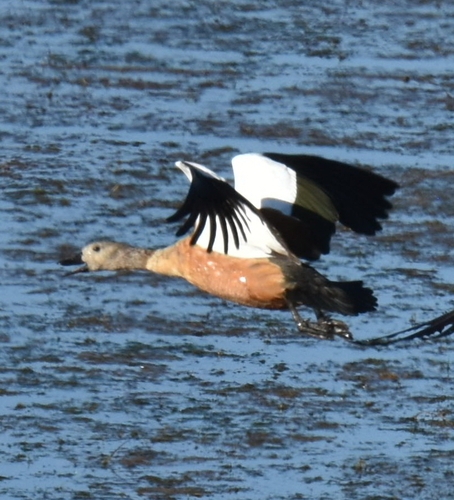
ネズミガシラツクシガモ (Tadorna cana) ネズミガシラツクシガモ
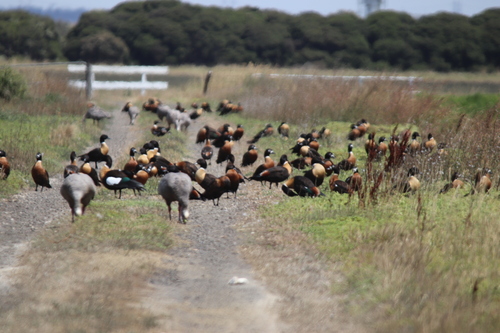
クビワアカツクシガモ (Tadorna tadornoides) クビワアカツクシガモ

メディア

読み込み中…

要点

南アフリカツクシガモとクビワアカツクシガモを区別する最も信頼できる方法は、特に成鳥のオスにおいて、頭の模様と体の色によるものです。南アフリカのオスは灰色の頭を持ち、クビワアカツクシガモのオスは明確な白い首の襟を持つ暗緑色の頭を示します。両種のメスは白い顔の模様を持っていますが、模様と範囲は異なり、幼鳥の羽毛は混乱を招くことがあります。飛行中、両者は翼に黒、白、緑を示しますが、全体的な体の色と頭の模様は依然として役立ちます。サイズは大まかに似ていますが、南アフリカツクシガモは平均してやや重いです。鳴き声は異なりますが、距離があると区別が難しい場合があります。

識別のコツ

  1. 成鳥オスの頭の色: 南アフリカツクシガモのオスは無地の灰色の頭を持ち、クビワアカツクシガモのオスは明確な白い首の襟を持つ暗緑色の頭を持っています。これは成鳥オスにとって最も良い特徴です。
  2. 成鳥メスの顔の模様: 南アフリカツクシガモのメスは黒い冠、うなじ、首の側面を持つ白い顔を持っています。クビワアカツクシガモのメスは目の周りに白を示しますが、完全な白い顔ではなく、全体的に小さいです。
  3. 幼鳥の混乱: 幼い南アフリカツクシガモのメスは成鳥の白い頭を欠き、目の周りの白い円だけを示しますが、幼いクビワアカツクシガモのメスは冠を除いて顔にもっと白があります。両者の幼鳥のオスは鈍い色をしていますが、クビワアカツクシガモのオスは完全に白い襟を欠いています。
  4. 栗色の胸: 両性のクビワアカツクシガモは目を引く栗色の胸と黒い体を持ち、南アフリカツクシガモは全体的により赤褐色またはオレンジ褐色です。
  5. 飛行中の翼の模様: 両種は翼に黒、白、緑を示し、飛行中に緑の鏡羽といくつかの白が見えます。これは二者を区別する信頼できる方法ではありませんが、他のカモを除外するのに役立ちます。
  6. 体のサイズと形: 両者は大きく、頑丈で、ガチョウのようなカモです。南アフリカツクシガモは平均してやや重いですが、これはフィールドマークではありません。
  7. 首の襟: 白い首の襟は成鳥オスのクビワアカツクシガモの重要な特徴であり、南アフリカツクシガモのオスには欠けています。
  8. メスの頭の模様の変動性: 南アフリカツクシガモのメスは年齢とともにほぼ完全に白い頭になることがありますが、クビワアカツクシガモのメスは目の周りに白を保ちますが、頭全体ではありません。
  9. 鳴き声: よく聞こえれば、南アフリカツクシガモのメスは鋭い「ハーク」と鳴き、クビワアカツクシガモのメスは高音の「ズィーク、ズィーク」と鳴きます。両者のオスは深いホンクを出すため、区別にはあまり役立ちません。
  10. 地理的範囲: 南アフリカで見られた場合、ほぼ確実に南アフリカツクシガモです。オーストラリアではクビワアカツクシガモです。ただし、コレクションからの逃げ出しには注意が必要です。
  11. 飼育下でのハイブリッド混乱: 両種は飼育下で他のオレンジ色の羽毛を持つツクシガモと交配することができ、コレクションでの同定が複雑になる可能性があります。
  12. 幼い羽毛: クビワアカツクシガモのひなは白で、茶色の冠と尾までの茶色のストライプがあります。南アフリカツクシガモの幼鳥は鈍いと説明されていますが、詳細はありません。これは信頼できるフィールドの区別ではありません。
  13. 性的二形性: 両種はある程度の性的二形性を示しますが、頭と首の模様が各種内でオスとメスを区別する最も信頼できる方法です。
  14. 羽毛の変動性: 南アフリカツクシガモのメスは年齢とともに頭の白が増加し、時にはほぼ完全に白い頭になることがあります。これは混乱を招く可能性があります。常に黒い冠とうなじを確認してください。
  15. 文脈的手がかり: 疑わしい場合は、頭と首の模様を優先し、次に全体的な体の色を考慮し、声や範囲を補助的な証拠として使用してください。

大きさ

両種は大きく、ガチョウのようなカモですが、南アフリカツクシガモは平均してやや重いです(約1587.5g対1425gのクビワアカツクシガモ)[wikidata]。長さは似ており、南アフリカツクシガモは約64 cm、クビワアカツクシガモは56〜72 cmの範囲です[wikipedia]。フィールドでは、サイズだけでは信頼できる区別にはならず、重なりがあり、両者は頑丈で長い首の水鳥です。

羽色

幼鳥と未熟な鳥は最も難しいです:両者は成鳥よりも鈍いですが、幼い南アフリカツクシガモは成鳥の強い頭の模様を欠き、若いメスは白い頭(目の円を除く)を欠いています。一方、幼いクビワアカツクシガモのオスは白い襟を欠き、一般的に鈍い色をしており、幼いメスは冠を除いて顔に広範囲に白があります。成鳥のオスはより明確です:南アフリカツクシガモのオスは灰色の頭を持ち、クビワアカツクシガモのオスは暗緑色の頭と目を引く白い首の襟を持っています。両種の成鳥メスは白い顔の模様を示しますが、南アフリカのメスは黒い冠、うなじ、首の側面を持つ白い顔を持ち、クビワアカツクシガモのメスは目の周りに白があり、全体的に小さいです。両種は翼に栗色と黒を示し、飛行中に緑の鏡羽といくつかの白がありますが、クビワアカツクシガモはより目を引く栗色の胸と全体的に黒い体で知られています。飛行中、両者は似て見えることがありますが、頭と首の模様が見える場合は最良の手がかりです。

行動

両種は通常、ペアまたは小グループで見られ、水の近くで草を食べたり泳いだりすることが多いです。クビワアカツクシガモは木の穴や土手に巣を作ることで知られており、彼らの幼鳥は大きなクレッシュに集まることがありますが、これは成鳥を区別するためのフィールドマークではありません。両者は強い飛行者であり、緩い群れで飛んでいるのを見ることができます。フィールドでの区別のための強い行動の違いは特に見られません。

生息環境

南アフリカツクシガモは南アフリカに自生し、主にナミビアと南アフリカで繁殖しますが、クビワアカツクシガモはオーストラリアに特有です。両者は水の近くの開けた湿地、湖、草原を好みます。生息地だけでは、片方の種の自然範囲外でない限り、診断にはなりません。

声

両種のオスは深いホンクの鳴き声を出しますが、メスの鳴き声は異なります:南アフリカツクシガモのメスはより大きく、鋭い「ハーク」と鳴き、クビワアカツクシガモのメスは高音で貫通する「ズィーク、ズィーク」と鳴きます。これらの違いは微妙であり、鳥がはっきりと鳴いて近距離でない限り、使用するのは難しい場合があります。

より良い説明を送る

比較と同じ項目を使ってください。文章はすぐに公開されます。

The most reliable way to separate South African Shelduck from Australian Shelduck is by head pattern and body color, especially in adult males: South African males have a grey head, while Australian males show a dark green head with a distinct white neck collar. Females of both species have white facial markings, but the pattern and extent differ, and juvenile plumages can be confusing. In flight, both show black, white, and green on the wings, but the overall body color and head pattern are still helpful. Size is broadly similar, but South African Shelduck is slightly heavier on average. Vocalizations differ, but may be hard to distinguish at distance.

  1. Adult male head color: South African Shelduck males have a plain grey head, while Australian Shelduck males have a dark green head with a clear white neck collar. This is the single best mark for adult males.
  2. Adult female face pattern: South African Shelduck females have a white face with a black crown, nape, and neck sides. Australian Shelduck females show white around the eyes but not a full white face, and are smaller overall.
  3. Juvenile confusion: Juvenile South African Shelduck females lack the adult's white head, showing only white eye circles, while juvenile Australian Shelduck females have much more white on the face except the crown. Juvenile males of both are duller, but Australian Shelduck males lack the white collar entirely.
  4. Chestnut breast: Australian Shelduck of both sexes has a striking chestnut-colored breast and black body, while South African Shelduck is generally more ruddy or orange-brown overall.
  5. Wing pattern in flight: Both species show black, white, and green on the wings, with a green speculum and some white visible in flight. This is not a reliable separator between the two, but helps rule out other ducks.
  6. Body size and shape: Both are large, robust, goose-like ducks. South African Shelduck is slightly heavier on average, but this is not a field mark.
  7. Neck collar: The white neck collar is a key feature of adult male Australian Shelduck and is absent in South African Shelduck males.
  8. Female head pattern variability: South African Shelduck females can become almost fully white-headed with age, while Australian Shelduck females retain white around the eyes but not the entire head.
  9. Vocalizations: If heard well, female South African Shelduck gives a sharp 'hark,' while Australian Shelduck female gives a high-pitched 'zeek, zeek.' Males of both give deep honks, so are less useful for separation.
  10. Geographic range: If seen in southern Africa, it is almost certainly South African Shelduck; in Australia, Australian Shelduck. However, beware of escapes in collections.
  11. Hybrid confusion in captivity: Both species can hybridize with other orange-plumaged shelducks in captivity, which may complicate identification in collections.
  12. Downy young: Australian Shelduck ducklings are white with a brown crown and brown stripes from crown to tail. South African Shelduck young are described as duller but not in detail; this is not a reliable field separator.
  13. Sexual dimorphism: Both species show some sexual dimorphism, but the head and neck pattern is the most reliable for separating males and females within each species, and between species.
  14. Plumage variability: South African Shelduck females show increasing white on the head with age, sometimes becoming almost fully white-headed, which can be confusing. Always check for the black crown and nape.
  15. Contextual clues: When in doubt, prioritize head and neck pattern, then overall body color, and use voice or range as supporting evidence.

Both species are large, goose-like ducks, but South African Shelduck averages slightly heavier (about 1587.5g vs. 1425g for Australian Shelduck) [wikidata]. Length is similar, with South African Shelduck around 64 cm and Australian Shelduck ranging from 56–72 cm [wikipedia]. In the field, size alone is not a reliable separator, as there is overlap and both are robust, long-necked waterfowl.

Juvenile and immature birds are the most challenging: both are duller than adults, but juvenile South African Shelducks lack the adult's strong head pattern, with young females missing the white head (except for eye circles), while juvenile Australian Shelduck males lack the white collar and are generally duller, and juvenile females have extensive white on the face except the crown. Adult males are more straightforward: South African Shelduck males have a grey head, while Australian Shelduck males have a dark green head and a striking white neck collar. Adult females of both show white facial markings, but South African females have a white face with a black crown, nape, and neck sides, whereas Australian females have white around the eyes and a smaller overall size. Both species show chestnut and black on the wings with a green speculum and some white in flight, but Australian Shelduck is noted for a more striking chestnut breast and black body overall. In flight, both can look similar, but head and neck patterns remain the best clues if visible.

Both species are typically seen in pairs or small groups, often grazing near water or swimming. Australian Shelducks are known to nest in tree holes or banks and their young may gather in large crèches, but this is not a field mark for separating adults. Both are strong fliers and may be seen flying in loose flocks. No strong behavioral differences are noted for field separation.

South African Shelduck is native to southern Africa, breeding mainly in Namibia and South Africa, while Australian Shelduck is endemic to Australia. Both favor open wetlands, lakes, and grasslands near water. Habitat alone is not diagnostic unless you are outside the natural range of one species.

Both species' males give a deep honking call, but the female calls differ: South African Shelduck females give a louder, sharper 'hark,' while Australian Shelduck females have a high-pitched, penetrating 'zeek, zeek.' These differences are subtle and may be hard to use unless the birds are calling distinctly and at close range.

変更を破棄しますか?

保存していない編集があります。今離れると失われます。

ネズミガシラツクシガモ · クビワアカツクシガモ · 苦手な鳥