

Motmot

ネズミガシラツクシガモ 対 アフリカマメガン

Tadorna cana 対 Nettapus auritus

ネズミガシラツクシガモとアフリカマメガンのクイズ
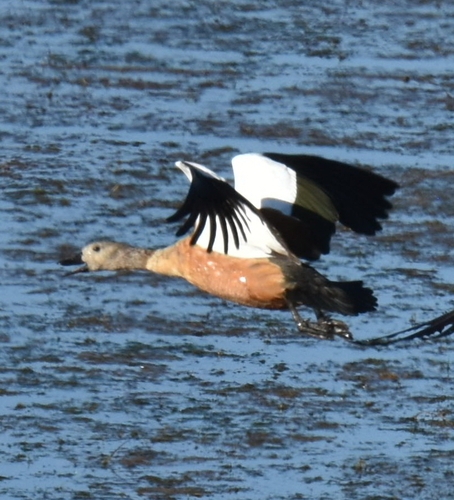
ネズミガシラツクシガモ (Tadorna cana) ネズミガシラツクシガモ
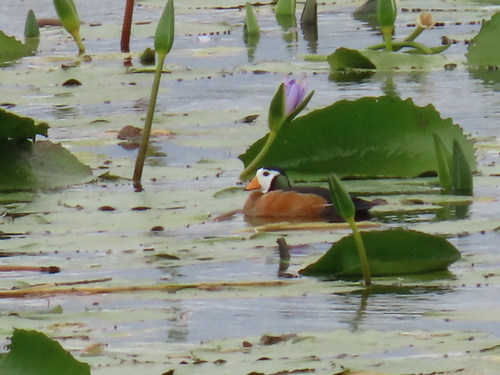
アフリカマメガン (Nettapus auritus) アフリカマメガン

メディア

読み込み中…

要点

サイズと構造が最も信頼できるフィールドマークです: ネズミガシラツクシガモは大きく、重い体を持ち、長い首と直立した姿勢をしていますが、アフリカマメガンは小さく、コンパクトで、短い首を持っています。飛んでいる時や水面にいる時、ツクシガモの大きさと体重は、マメガンの小さく、ほぼティールのような体型と対照的です。成鳥の羽毛も特徴的です:ツクシガモは赤褐色の体に大胆な黒、白、緑の翼模様を示し、マメガンは金属的な緑、栗色の側面、白い顔(オス)または灰色の顔(メス)で複雑に模様が付けられています。幼鳥とメスの羽毛は混乱を招くことがありますが、それでもサイズと構造が決定的です。生息地の重複は可能ですが、マメガンは小さな湿地の水蓮の中でより頻繁に見られ、ツクシガモは開けた水や大きな水域を好みます。

識別のコツ

  1. サイズが決定的です: ネズミガシラツクシガモはアフリカマメガンの5倍以上の重さがあります。遠くからでも、ツクシガモの大きく、ガチョウのようなサイズと長い首は、マメガンの小さく、ティールのような体型と対照的です。これはすべての年齢と性別に当てはまります。
  2. 構造: ツクシガモは直立し、長い首を持ち、重い体をしています。マメガンはコンパクトで短い首を持ち、額に上がる短くて太いくちばしを持っており、「おもちゃのガチョウ」のように見えます。
  3. 成鳥オスの頭の模様: ツクシガモのオスは無地の灰色の頭を持ち、マメガンのオスは白い顔に黒い目の斑点と金属的な緑の耳の斑点、さらに黒い冠を持っています。マメガンの顔ははるかに模様が多く、色彩豊かです。
  4. 成鳥メスの頭の模様: ツクシガモのメスは白い顔に黒い冠と後頭部を持っていますが、若いメスは白い目の円しか示さないことがあります。マメガンのメスは灰色の顔に茶色の目のストライプと茶色の頬/後頭部の斑点を持ち、古いツクシガモのメスの鮮やかな白さは欠けています。全体的な顔のコントラストと白の範囲を探してください。
  5. 幼鳥の混乱: 幼鳥のツクシガモは鈍い色合いですが、依然として大きく赤褐色で、顔に変動する白があります。幼鳥のマメガンは顔がはるかに淡い色で、黒いV字型の冠と白い側面/尾を持っています。マメガンの幼鳥の顔の模様は小さなカモの中でユニークです。
  6. 飛行中の翼の模様: ツクシガモはすべての年齢で見える大胆でブロック状の黒、白、緑の翼の模様を示します。マメガンは二次羽に白いバーを示しますが、その他は暗い翼を持ち、その小さなサイズと速い羽ばたきが特徴的です。
  7. 体の色: ツクシガモは豊かな赤褐色(オレンジ色の茶色)の体を持ち、マメガンは栗色の側面、白い腹、金属的な緑の背中(オス)、または暗い茶色の背中(メス)を持っています。
  8. くちばしの色: ツクシガモのくちばしは暗くて強いです。マメガンのオスは黒い先端のある黄色いくちばしを持ち、メスは黄色い下顎と黒い先端のあるまだらな茶色の上顎を持っています。
  9. 尾: ツクシガモの尾は相対的に短くて広いです。マメガンはサイズに対して比較的長く尖った尾を持ち、16本の黒い羽毛があります。
  10. 生息地の文脈: 密集した水蓮や浮遊植物の中にいる場合、マメガンの可能性が高いです。開けた水や草を食べる岸では、ツクシガモを疑ってください。
  11. 行動: マメガンは素早く、敏捷で、しばしば水蓮の中に隠れています。ツクシガモは遅く、より露出しており、しばしば開けた場所で草を食べたり泳いだりします。
  12. 鳴き声: 深いホーンや鋭い「ハーク」を聞いたら、それはおそらくツクシガモです。マメガンの呼び声はあまり知られておらず、ここでは説明されていません。
  13. 群れのサイズ: 両方ともペアや小さな群れで見られますが、開けた水での大きな集まりはツクシガモに典型的です。
  14. 性差の変化: ツクシガモのメスの頭の模様は年齢とともに変化し、最小限の白(若い)からほぼ完全に白い頭(古い)に変わるため、性別や年齢を判断するために顔の色だけに頼らないでください。
  15. 他の種との混乱: 飛行中のツクシガモはエジプトガンに似ることがありますが、マメガンは小さなティール以外の何かと混同されることはほとんどなく、遠くからでなければなりません。

大きさ

ネズミガシラツクシガモ is dramatically larger: about 64 cm in length and weighing around 1587.5 g [wikidata], making it goose-sized and imposing. アフリカマメガン is one of Africa’s smallest waterfowl, weighing only 260–285 g and measuring about 27–30 cm in length (wing length 142–165 mm) [wikipedia]. Even at a distance, the shelduck’s bulk, long neck, and heavy body contrast sharply with the pygmy-goose’s tiny, round-bodied, short-necked appearance. If seen together, the pygmy-goose looks almost like a duckling or teal beside the shelduck.

羽色

Juvenile/immature plumages: Juvenile South African Shelducks are duller than adults, lacking the bold contrast and with less white on the female’s head (sometimes only eye-circles). Young female shelducks can be confused with duller waterfowl, but still show the ruddy body and developing wing pattern. Juvenile African Pygmy-Geese have a white face with black patterning, a dark gray eye patch, and a black V-shaped crown, with a white rump and flanks, and black back and tail. Their underparts are pale gray to white, and the wings are black. These juvenile patterns are quite different: pygmy-goose juveniles are much paler and more patterned on the face, while shelduck juveniles are overall duller but still structurally large and ruddy.

Adult males: ネズミガシラツクシガモ males have a grey head, ruddy body, and strikingly marked wings (black, white, green). アフリカマメガン males have a white face with black eye patches, metallic green ear patches, black crown, chestnut flanks, and a yellow bill with black tip. The shelduck’s wing pattern is bold and blocky; the pygmy-goose’s is intricate with metallic green and a white bar on the secondaries.

Adult females: Shelduck females have a white face with a black crown, nape, and neck sides; the extent of white increases with age and can become almost fully white-headed. Young females may lack most white except eye-circles. Pygmy-goose females have a gray face with a dark brown eye stripe, brown cheek and nape patches, and a dark brown crown and back of neck, with chestnut flanks and a white belly. The pygmy-goose female is much more patterned and less starkly white-faced than even young shelduck females.

In flight: Shelducks show a large, broad-winged profile with bold black, white, and green wing pattern. Pygmy-geese in flight are fast, compact, and show a white bar on the secondaries but otherwise dark wings, with a much smaller, rounder shape.

行動

ネズミガシラツクシガモはしばしばペアや小さな群れで見られ、開けた地面で泳いだり草を食べたりし、比較的近づきやすいです。彼らは威厳のある直立した姿勢を持ち、遅く、意図的な歩き方で移動します。アフリカマメガンははるかに秘密主義で敏捷で、通常は浮遊植物、特に水蓮の中でペアや小さな群れで見られます。彼らはすぐに飛び立ち、速い羽ばたきで飛び、しばしば水蓮の中に戻ります。彼らの食事は主に水蓮の種であり、浮遊する葉の中に隠れている時間が多いです。

生息環境

ネズミガシラツクシガモは開けた水域、湖、ダム、大きな湿地を好み、しばしばより開けた国にいます。アフリカマメガンは小さく、流れの遅いまたは停滞した水を好み、豊富な浮遊植物、特に水蓮があり、密生した植生や部分的に日陰の湿地にいる可能性が高いです。南部アフリカでは両方とも発生することがありますが、マメガンは水蓮に覆われたプールや静かな水により結びついており、ツクシガモは開けた、露出した水にいる可能性が高いです。

声

ネズミガシラツクシガモのオスは深いホーンまたは「フーグ」の呼び声を出し、メスは鋭く、より大きな「ハーク」を持っています。アフリカマメガンの鳴き声は提供されたメモには記載されていないため、ここでは信頼できる診断はできません。

より良い説明を送る

比較と同じ項目を使ってください。文章はすぐに公開されます。

Size and structure are the most reliable field marks: South African Shelduck is a large, heavy-bodied duck with a long neck and upright stance, while African Pygmy-Goose is tiny, compact, and short-necked. In flight or on water, the shelduck’s size and bulk are unmistakable beside the pygmy-goose’s petite, almost teal-like jizz. Adult plumage is also distinctive: shelducks show a ruddy body with bold black, white, and green wing pattern, while pygmy-geese are intricately marked with metallic greens, chestnut flanks, and white faces (males) or gray faces (females). Juvenile and female plumages can be confusing, but even then, size and structure are decisive. Habitat overlap is possible, but pygmy-geese are more often seen among water lilies in smaller wetlands, while shelducks prefer open water and larger bodies.

  1. Size is decisive: South African Shelduck is more than five times heavier than African Pygmy-Goose. Even at a distance, the shelduck’s large, goose-like size and long neck stand out against the pygmy-goose’s tiny, teal-like build. This holds for all ages and sexes.
  2. Structure: Shelducks are upright, long-necked, and heavy-bodied, with a strong, broad bill. Pygmy-geese are compact, short-necked, and have a short, stubby bill that rises onto the forehead, giving a 'toy goose' look.
  3. Adult male head pattern: Shelduck males have a plain grey head; pygmy-goose males have a white face with black eye patches and metallic green ear patches, plus a black crown. The pygmy-goose’s face is much more patterned and colorful.
  4. Adult female head pattern: Shelduck females have a white face with a black crown and nape, but young females may show only white eye-circles. Pygmy-goose females have a gray face with a brown eye-stripe and brown cheek/nape patches, lacking the stark white of older shelduck females. Look for the overall face contrast and extent of white.
  5. Juvenile confusion: Juvenile shelducks are duller but still large and ruddy, with variable white on the face. Juvenile pygmy-geese are much paler-faced, with a black V-shaped crown and white flanks/rump. The pygmy-goose juvenile’s face pattern is unique among small ducks.
  6. Wing pattern in flight: Shelducks show a bold, blocky pattern of black, white, and green on the wings, visible in all ages. Pygmy-geese show a white bar on the secondaries but otherwise dark wings, and their small size and rapid wingbeats are distinctive.
  7. Body color: Shelducks have a rich ruddy (orange-brown) body; pygmy-geese have chestnut flanks, a white belly, and a metallic green back (males), or dark brown back (females).
  8. Bill color: Shelduck bills are dark and strong; pygmy-goose males have a yellow bill with a black tip, while females have a yellow lower mandible and mottled brown upper mandible with a dark tip.
  9. Tail: Shelduck tails are proportionally short and broad; pygmy-geese have a relatively longer, pointed tail for their size, with 16 black feathers.
  10. Habitat context: If among dense water lilies or floating vegetation, pygmy-goose is more likely; on open water or grazing shores, suspect shelduck.
  11. Behavior: Pygmy-geese are quick, agile, and often hidden among lilies; shelducks are slower, more exposed, and often graze or swim in the open.
  12. Vocalization: If you hear a deep honk or sharp 'hark,' it’s likely a shelduck. Pygmy-goose calls are less well known and not described here.
  13. Group size: Both can be in pairs or small groups, but large gatherings on open water are more typical of shelduck.
  14. Sexual variation: Shelduck females’ head pattern changes with age, from minimal white (young) to almost fully white-headed (old), so don’t rely solely on face color for sexing or aging.
  15. Confusion with other species: Shelducks in flight can resemble Egyptian Geese, but pygmy-geese are unlikely to be confused with anything except perhaps small teal, and only at a great distance.

South African Shelduck is dramatically larger: about 64 cm in length and weighing around 1587.5 g [wikidata], making it goose-sized and imposing. African Pygmy-Goose is one of Africa’s smallest waterfowl, weighing only 260–285 g and measuring about 27–30 cm in length (wing length 142–165 mm) [wikipedia]. Even at a distance, the shelduck’s bulk, long neck, and heavy body contrast sharply with the pygmy-goose’s tiny, round-bodied, short-necked appearance. If seen together, the pygmy-goose looks almost like a duckling or teal beside the shelduck.

Juvenile/immature plumages: Juvenile South African Shelducks are duller than adults, lacking the bold contrast and with less white on the female’s head (sometimes only eye-circles). Young female shelducks can be confused with duller waterfowl, but still show the ruddy body and developing wing pattern. Juvenile African Pygmy-Geese have a white face with black patterning, a dark gray eye patch, and a black V-shaped crown, with a white rump and flanks, and black back and tail. Their underparts are pale gray to white, and the wings are black. These juvenile patterns are quite different: pygmy-goose juveniles are much paler and more patterned on the face, while shelduck juveniles are overall duller but still structurally large and ruddy.

Adult males: South African Shelduck males have a grey head, ruddy body, and strikingly marked wings (black, white, green). African Pygmy-Goose males have a white face with black eye patches, metallic green ear patches, black crown, chestnut flanks, and a yellow bill with black tip. The shelduck’s wing pattern is bold and blocky; the pygmy-goose’s is intricate with metallic green and a white bar on the secondaries.

Adult females: Shelduck females have a white face with a black crown, nape, and neck sides; the extent of white increases with age and can become almost fully white-headed. Young females may lack most white except eye-circles. Pygmy-goose females have a gray face with a dark brown eye stripe, brown cheek and nape patches, and a dark brown crown and back of neck, with chestnut flanks and a white belly. The pygmy-goose female is much more patterned and less starkly white-faced than even young shelduck females.

In flight: Shelducks show a large, broad-winged profile with bold black, white, and green wing pattern. Pygmy-geese in flight are fast, compact, and show a white bar on the secondaries but otherwise dark wings, with a much smaller, rounder shape.

South African Shelducks are often seen in pairs or small groups, swimming or grazing on open ground, and are relatively approachable. They have a stately, upright posture and move with a slow, deliberate gait. African Pygmy-Geese are much more secretive and agile, usually in pairs or small groups among floating vegetation, especially water lilies. They are quick to flush and fly with rapid, whirring wingbeats, often landing back among lilies. Their feeding is mostly on seeds of water lilies, and they spend much time hidden among floating leaves.

South African Shelduck favors open water bodies, lakes, dams, and large wetlands, often in more open country. African Pygmy-Goose prefers smaller, slow-flowing or stagnant water with abundant floating vegetation, especially water lilies, and is more likely in densely vegetated or partially shaded wetlands. While both can occur in southern Africa, pygmy-geese are more tied to lily-covered pools and quieter waters, whereas shelducks are more likely on open, exposed water.

South African Shelduck males give a deep honk or 'hoogh' call, while females have a sharper, louder 'hark.' African Pygmy-Goose vocalizations are not described in the provided notes, so are not reliably diagnostic here.

変更を破棄しますか?

保存していない編集があります。今離れると失われます。

ネズミガシラツクシガモ · アフリカマメガン · 苦手な鳥