

Motmot

ハイイロミズナギドリ 対 マンクスミズナギドリ

Ardenna grisea 対 Puffinus puffinus

ハイイロミズナギドリとマンクスミズナギドリのクイズ
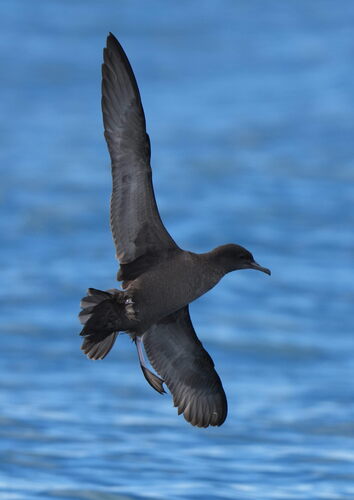
ハイイロミズナギドリ (Ardenna grisea) ハイイロミズナギドリ
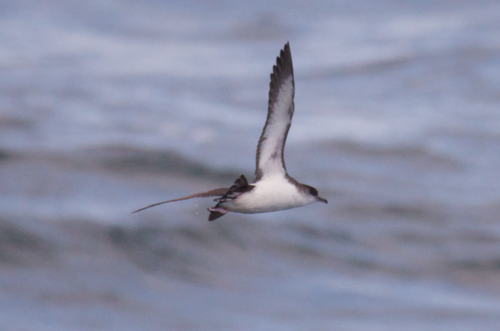
マンクスミズナギドリ (Puffinus puffinus) マンクスミズナギドリ

メディア

読み込み中…

要点

ハイイロミズナギドリとマンクスミズナギドリを区別するための最も信頼できるフィールドマークは、全体の羽毛です。ハイイロは均一に暗いチョコレートブラウンからハイイロの黒で、銀色のアンダーウイングストライプがありますが、マンクスは上面が鮮やかな黒で、下面が白く、飛行中に際立ったコントラストを生み出します。ハイイロミズナギドリは、悪い光の中では全体が暗く見えることがありますが、良好な条件では淡いアンダーウイングストライプが見えます。マンクスミズナギドリはこれを決して示さず、常に白い下面を表示します。両種は、海の上を低く飛ぶときに、硬くてまっすぐな翼を持っていますが、ハイイロはより大きく、アルバトロスのように見え、マンクスはよりコンパクトに見えます。白い下面を持つミズナギドリを見た場合、それはハイイロではありません。全体が暗く、銀色のアンダーウイングを持っている場合、それはマンクスではありません。

識別のコツ

  1. Underparts color is the fastest check: ハイイロミズナギドリは、アンダーウイングに銀色のストライプを除いて、下面が全て暗い(腹部とアンダーウイングカバーを含む)です。マンクスミズナギドリは、腹部とアンダーウイングカバーを含めて、下面が白いです。これはすべての年齢と季節に適用されます。
  2. Underwing pattern: 良い光の中でハイイロのアンダーウイングに銀色の中央ストライプを探してください。マンクスはこれを示さず、完全に白いアンダーウイングをフラッシュします。
  3. Upperparts: ハイイロは上面が均一に暗いブラウンからハイイロの黒です。マンクスは上面が黒ですが、これは単独では診断的ではありません—下面とのコントラストに焦点を当ててください。
  4. Flight silhouette: ハイイロは翼が長く、より頑丈に見え、時にはアルバトロスのように見え、硬くてまっすぐな翼を持っています。マンクスはよりコンパクトで、しばしば翼が体に対して直角に持たれている飛行十字形を示します。
  5. Size: ハイイロはマンクスよりもかなり大きく、翼が長いですが、海での重なりや視点の影響に注意してください。
  6. Behavior in flocks: ハイイロは移動中に巨大で密集した群れで見られることがありますが、マンクスは通常、小さな群れまたは単独で見られます。
  7. Lighting pitfalls: 悪い光の中では、ハイイロは全体が黒く見えることがありますが、マンクスはよく見られた場合、常に白い腹部を示します。常にアンダーウイングの視界を得るようにしてください。
  8. Geographic context: 北大西洋では、どんな大きな全暗のミズナギドリもほぼ確実にハイイロです。マンクスはこの地域で唯一の一般的な黒と白のミズナギドリです。
  9. Seasonal context: マンクスは北大西洋で繁殖し、夏にはそこに一般的です。ハイイロは同じ地域で通過する移動者または迷子で、主に移動中に見られます。
  10. Bill and head structure: これらのノートでは診断的に説明されていません。羽毛と飛行スタイルに焦点を当ててください。
  11. Voice: 海では役に立ちません—両者は繁殖コロニーから離れると静かです。
  12. Perched views: 海では珍しいですが、陸上で見られた場合、ハイイロは全体が暗く見え、マンクスは白い下面を示します。
  13. Juvenile confusion: 混乱を引き起こすような年齢特有の翼や体のパターンは説明されていません。同じフィールドマークがすべての年齢に適用されます。
  14. Common pitfalls: サイズだけに頼らないでください。常にアンダーウイングの色とパターンを確認してください。悪い光や遠くからの視界では、アンダーウイングを明らかにするために鳥がバンキングするのを見るようにしてください。
  15. When in doubt: アンダーウイングが見えない場合、飛行スタイルやサイズだけに基づいて推測しないでください—より良い視界を待ってください。

大きさ

ハイイロミズナギドリはマンクスミズナギドリよりも明らかに大きいです。ハイイロは長さ40–51 cm、翼幅94–110 cm(質量は記載されていません)で、マンクスは長さ30–38 cm、翼幅76–89 cm、平均成体質量は521 gです [wikipedia][wikidata]。フィールドでは、ハイイロは翼が長く、より頑丈に見え、より重く、より力強い飛行スタイルを持っています。マンクスはよりコンパクトで軽い体を持ち、両種が一緒に見られるときに明らかになることがありますが、サイズだけでは距離で診断的であることは稀です。

羽色

幼鳥と成鳥のハイイロミズナギドリは、上面と下面が均一に暗いブラウンからハイイロの黒で、良い光の中で見えるアンダーウイングの中心に沿った特徴的な銀色のストライプがあります(すべての年齢) [wikipedia]。悪い条件では、ハイイロは全体が黒く見えることがあります。すべての年齢のマンクスミズナギドリは、クラシックな黒と白のコントラストを示します:上面が黒で、下面が白、アンダーウイングカバーを含むため、飛行中に下面が白くフラッシュします。マンクスは決して銀色のアンダーウイングストライプや全暗の下面を示しません。混乱を引き起こすような年齢特有の上翼パターンはどちらの種にも説明されていません。重要な違いは、全暗の下面の存在(ハイイロ)または不在(マンクス)と、銀色のアンダーウイングストライプの有無です。

行動

両種は特徴的な「シアリング」飛行を示し、硬い翼で最小限のフラッピングで海の上を低く滑空し、翼先端が水にほぼ触れています [wikipedia]。ハイイロミズナギドリの飛行は、より力強く、直接的で、翼が硬くまっすぐに保たれ、小さなアルバトロスの印象を与えます。マンクスミズナギドリもシアリングしますが、よりコンパクトに見え、しばしば体に対して直角に翼を持つ飛行十字形を示します。両者は通常、海では静かです。ハイイロは移動中に巨大な群れで見られる可能性が高いですが、マンクスはしばしば単独または小さな群れで見られます。

生息環境

両種は外洋性で、ほとんどの生活を海で過ごし、繁殖のためにのみ陸に来ます。ハイイロミズナギドリは南半球(ニュージーランド、オーストラリア、南大西洋の島々)で繁殖し、太平洋と大西洋の両方に移動し、時には巨大な数で見られます [wikipedia]。マンクスミズナギドリは北大西洋(イギリス、アイルランド、アイスランドなど)で繁殖し、南アメリカとアフリカの南大西洋で越冬します。マンクスは夏に北ヨーロッパの海岸近くで見られる可能性が高いですが、ハイイロはそこに通過する移動者または迷子です。北大西洋では、ハイイロは唯一の全暗の大きなミズナギドリであり、マンクスは唯一の一般的な黒と白のミズナギドリです。

声

両種は海ではほとんど静かです。ハイイロミズナギドリは繁殖地で夜に声を出し、大きなクーとクロークを発しますが、これらは海では聞こえません。マンクスミズナギドリもコロニーで夜に呼びますが、海上では飛行中は静かです。声は海でのフィールド分離には役に立ちません。

より良い説明を送る

比較と同じ項目を使ってください。文章はすぐに公開されます。

The most reliable field mark for separating Sooty Shearwater from Manx Shearwater is overall plumage: Sooty is uniformly dark chocolate-brown to sooty-black with a silvery underwing stripe, while Manx is sharply black above and white below, creating a striking contrast in flight. Sooty Shearwater can appear all-dark in poor light, but in good conditions, the pale underwing stripe is visible; Manx Shearwater never shows this, always displaying white underparts. Both species fly with stiff, straight wings low over the sea, but Sooty looks larger and more albatross-like, while Manx appears more compact. If you see a shearwater with white underparts, it is not a Sooty; if it is all-dark with a silvery underwing, it is not a Manx.

  1. Underparts color is the fastest check: Sooty Shearwater is all dark below (including belly and underwing coverts) except for a silvery stripe on the underwing; Manx Shearwater is white below, including the belly and underwing coverts. This works for all ages and seasons.
  2. Underwing pattern: Look for the silvery central stripe on Sooty's underwing in good light; Manx never shows this, instead flashing entirely white underwings.
  3. Upperparts: Sooty is uniformly dark brown to sooty-black above; Manx is black above, but this is not diagnostic alone—focus on the contrast with the underparts.
  4. Flight silhouette: Sooty appears longer-winged, more robust, and sometimes albatross-like, with stiff, straight wings; Manx is more compact and often shows a flying cross shape with wings at right angles.
  5. Size: Sooty is significantly larger and longer-winged than Manx, but beware overlap and perspective effects at sea.
  6. Behavior in flocks: Sooty may be seen in huge, dense flocks during migration; Manx usually in smaller groups or singly.
  7. Lighting pitfalls: In poor light, Sooty can look entirely black, but Manx will always show a white belly if seen well. Always try to get a view of the underparts.
  8. Geographic context: In the North Atlantic, any large, all-dark shearwater is almost certainly Sooty; Manx is the only common black-and-white shearwater in this region.
  9. Seasonal context: Manx breeds in the north Atlantic and is common there in summer; Sooty is a passage migrant or vagrant in the same area, mostly seen during migration.
  10. Bill and head structure: Not described as diagnostic in these notes; focus on plumage and flight style.
  11. Voice: Not useful at sea—both are silent away from breeding colonies.
  12. Perched views: Rare at sea, but if seen on land, Sooty will still appear all-dark, Manx will show white underparts.
  13. Juvenile confusion: No age-specific wing or body patterns described that would cause confusion; the same field marks apply to all ages.
  14. Common pitfalls: Do not rely on size alone; always confirm underparts color and underwing pattern. In poor light or distant views, try to see the bird banking to reveal the underwing.
  15. When in doubt: If you cannot see the underparts, do not guess based on flight style or size alone—wait for a better view.

Sooty Shearwater is noticeably larger than Manx Shearwater. Sooty measures 40–51 cm in length with a 94–110 cm wingspan (no mass given), while Manx is 30–38 cm long with a 76–89 cm wingspan and an average adult mass of 521 g [wikipedia][wikidata]. In the field, Sooty appears longer-winged and more robust, with a heavier, more powerful flight style. Manx is more compact and lighter-bodied, which can be apparent when both species are seen together, but size alone is rarely diagnostic at distance.

Juvenile and adult Sooty Shearwaters are uniformly dark brown to sooty-black above and below, with a distinctive silvery stripe running along the center of the underwing, visible in good light (all ages) [wikipedia]. In poor conditions, Sooty may look entirely black. Manx Shearwater of all ages shows a classic black-and-white contrast: black upperparts and white underparts, including the underwing coverts, so the bird flashes white below in flight. Manx never shows a silvery underwing stripe or all-dark underparts. There are no age-specific upperwing patterns described for either species that would cause confusion; the key difference is the presence (Sooty) or absence (Manx) of all-dark underparts and the silvery underwing stripe.

Both species exhibit the characteristic 'shearing' flight, gliding low over the sea on stiff wings with minimal flapping and wingtips nearly touching the water [wikipedia]. Sooty Shearwater's flight is described as more powerful and direct, with wings held stiff and straight, giving a small albatross impression. Manx Shearwater also shears, but appears more compact and often shows a flying cross shape, with wings held at right angles to the body. Both are usually silent at sea. Sooty is more likely to be seen in massive flocks during migration, while Manx is often seen singly or in smaller groups.

Both species are pelagic and spend most of their lives at sea, only coming to land to breed. Sooty Shearwater breeds in the southern hemisphere (New Zealand, Australia, South Atlantic islands) and migrates into both the Pacific and Atlantic, sometimes in huge numbers [wikipedia]. Manx Shearwater breeds in the north Atlantic (UK, Ireland, Iceland, etc.) and winters in the South Atlantic off South America and Africa. Manx is much more likely near northern European coasts in summer, while Sooty is a passage migrant or vagrant there. In the North Atlantic, Sooty is the only all-dark large shearwater, while Manx is the only common black-and-white shearwater.

Both species are mostly silent at sea. Sooty Shearwater is vocal at night on breeding grounds, producing loud coos and croaks, but these are not heard at sea. Manx Shearwater also calls at night at colonies but is silent in flight over the ocean. Vocalizations are not useful for field separation at sea.

変更を破棄しますか?

保存していない編集があります。今離れると失われます。

ハイイロミズナギドリ · マンクスミズナギドリ · 苦手な鳥