

Motmot

ススケカモメ 対 メジロカモメ

Ichthyaetus hemprichii 対 Ichthyaetus leucophthalmus

ススケカモメとメジロカモメのクイズ
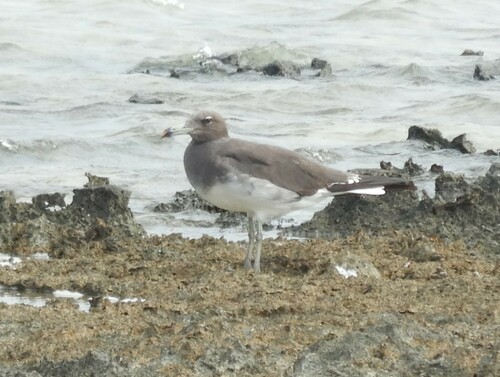
ススケカモメ (Ichthyaetus hemprichii) ススケカモメ
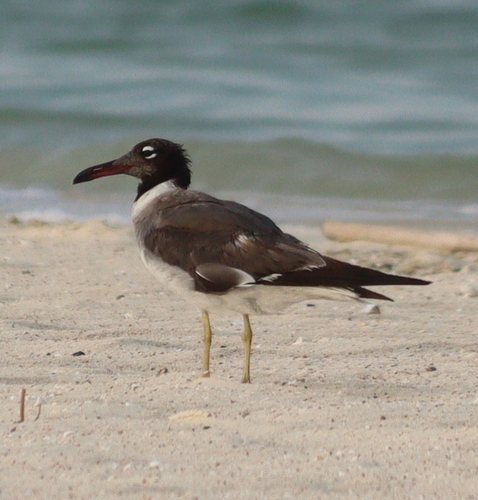
メジロカモメ (Ichthyaetus leucophthalmus) メジロカモメ

メディア

読み込み中…

要点

ススケカモメとメジロカモメの最も信頼できるフィールドマークは、成鳥の頭の模様とくちばしの色です:メジロカモメは、白いバーで縁取られた目立つ黒いフード(繁殖期)と、黒い先端を持つ深紅のくちばしを示しますが、ススケカモメはフードがなく、より均一に暗いくちばしを持っています。幼鳥と未成熟の羽毛は大きく異なります:幼鳥のメジロカモメは、上面が淡い縁取りのあるチョコレートブラウンで、黒い尾を持っていますが、ススケカモメの未成熟個体はあまり明確に模様がありません。メジロカモメは小さく、より繊細で、長くて細いくちばしと黄色い脚を持っています(繁殖期の成鳥で最も明るい)。ススケカモメはより広範囲に分布していますが、メジロカモメは紅海に限定されています。飛行中は、メジロカモメの二次羽の白い後縁と黒い下翼を確認し、ススケカモメのより地味な翼の模様と比較してください。

識別のコツ

  1. Juvenile/immature plumage: 幼鳥のメジロカモメは、頭、首、胸がチョコレートブラウンで、上面と上翼に広い淡い縁取りがあり、黒い尾を持っています;ススケカモメの未成熟個体は、強い淡い縁取りやチョコレートトーンがなく、鈍い茶色がかった灰色です。これは若い鳥にとって最も信頼できるマークです。
  2. Flight pattern (all ages): メジロカモメは二次羽に白い後縁と黒い下翼を示します;ススケカモメの翼はより均一に暗く、鮮明な白い後縁がありません。これは飛行中または翼が広げられたときに最もよく見られます。
  3. Bill structure: メジロカモメは長くて細いくちばしを持っています(未成熟個体は黒、成鳥は黒い先端を持つ深紅のくちばし);ススケカモメのくちばしはより重く、均一に暗く、赤い基部と黒い先端のコントラストがありません。
  4. Leg color: 成鳥のメジロカモメは明るい黄色の脚を持っています(幼鳥は鈍い色で、繁殖期の成鳥で最も明るい);ススケカモメの脚の色は診断的とは言えませんが、明るい黄色ではありません。
  5. Adult head pattern: 繁殖期のメジロカモメは、白いバーで下に縁取られた完全な黒いフードを持っています;ススケカモメはフードや白い縁のない地味な暗い頭を持っています。非繁殖期のメジロカモメのフードは白い斑点が散らばっていますが、頭の他の部分とのコントラストは残っています。
  6. Tail color: 成鳥のメジロカモメは白い尾を持っています;幼鳥は黒い尾を持っています。ススケカモメの尾はあまり明確に模様がなく、この強いコントラストを示しません。
  7. Size and shape: メジロカモメは小さく、より繊細で、細いくちばしを持っています;ススケカモメは大きく、よりがっしりしており、重いくちばしを持っています。これは両種が一緒に見られるときに最も明らかです。
  8. Eye-crescents: メジロカモメはすべての年齢で目立つ白いアイクレセントを持っています(「白目」は虹彩ではなくこれらのクレセントです);ススケカモメはこの特徴がありません。
  9. Upperparts color: 成鳥のメジロカモメは中程度の暗い灰色の上面を持っています;ススケカモメの上面はより暗く、より均一です。
  10. Habitat and range: 紅海の外で観察された場合、「メジロカモメ」はほぼ確実に誤同定です;ススケカモメははるかに広範囲に分布しています。
  11. Bill color by age: 未成熟のメジロカモメは黒いくちばしを持っていますが、成鳥は黒い先端を持つ深紅のくちばしを持っています。ススケカモメのくちばしはすべての年齢でより均一に暗いです。
  12. Underparts: 成鳥のメジロカモメは中灰色の胸と白い腹部を持っています;ススケカモメの腹部はあまり明確に模様がありません。
  13. Colony context: メジロカモメは紅海の島々で厳密にコロニーを形成します;ススケカモメは孤立して巣を作ることも、他の海鳥の中で巣を作ることもあります、特にアフリカで。
  14. Seasonal change: メジロカモメは2〜3年で成鳥の羽毛を取得します;ススケカモメの年齢の進行はあまりよく記述されていないため、中間的な鳥に注意してください。
  15. Pitfalls: 非繁殖期のメジロカモメは固体の黒いフードを失うことがありますが、白い斑点や白いアイクレセントは特徴的に残ります。未成熟のススケカモメは茶色がかって見えることがありますが、メジロカモメの幼鳥の強いコントラストや淡い縁取りは欠けています。

大きさ

メジロカモメはススケカモメよりも小さく、軽量で、体重は約330gです [wikidata]。ススケカモメは全体的に明らかに大きく、がっしりしています(正確な体重は不明ですが、サイズの違いはフィールドガイドやコミュニティの報告に記載されています)。メジロカモメは、特に両種が一緒に見られるときに、より細く、細いくちばしを持っているように見えます。

羽色

幼鳥と未成熟の羽毛は最も診断的です:幼鳥のメジロカモメは、頭、首、胸がチョコレートブラウンで、上面と上翼が淡い縁取りが広く、黒い尾を持っています。初冬には、メジロカモメは灰色の羽毛を示し始めますが、暗い尾を保持し、成鳥のフードは欠けています。ススケカモメの未成熟個体はあまりよく記述されていませんが、メジロカモメの強いチョコレートトーンや淡い縁取りは示しません;彼らの上面と翼は鈍く、より均一です。繁殖羽毛の成鳥のメジロカモメは、上喉にまで伸びる黒いフードを持ち、下に狭い白いバーで縁取られ、中程度の暗い灰色の上面と二次羽に白い後縁を持っています。非繁殖期の成鳥は白い斑点が散らばったフードを持っています。ススケカモメの成鳥はフードがなく、より地味な暗い頭と上面を示します。飛行中、メジロカモメは黒い下翼と二次羽に白い後縁を示し、ススケカモメの翼の模様はあまり対照的ではありません。メジロカモメの尾は成鳥で白く、幼鳥で黒いですが、ススケカモメの尾はあまり明確に模様がありません。

行動

両種は沿岸のカモメで、しばしば海岸や島でゴミを漁ったり、餌を探したりしているのが見られます。ススケカモメは孤立して巣を作ることも、時には他の海鳥の中で巣を作ることもありますが、メジロカモメは紅海の島々でより厳密にコロニーを形成します。両種は魚、内臓、小さな海洋動物を食べますが、メジロカモメは紅海と近くの海岸により制限されています。

生息環境

ススケカモメは紅海、ペルシャ湾、東アフリカ、アラビア、南アジアの沿岸を含む北西インド洋全体に広く分布しています。メジロカモメは紅海と隣接する海岸にのみ固有です。紅海の外で見られた場合、「メジロカモメ」はほぼ確実に誤同定です。ススケカモメは、内陸のサンゴ島や外側の礁を含む、より広範囲の沿岸生息地で見られますが、メジロカモメは紅海の島々に厳密に関連しています。

より良い説明を送る

比較と同じ項目を使ってください。文章はすぐに公開されます。

The most reliable field mark between Sooty Gull and White-eyed Gull is the head pattern and bill color in adults: White-eyed Gull shows a striking black hood (breeding) bordered by a white bar and a deep red bill with a black tip, while Sooty Gull lacks the hood and has a more uniformly dark bill. Juvenile and immature plumages differ strongly: juvenile White-eyed Gulls are chocolate-brown with pale-fringed upperparts and a black tail, while Sooty Gull immatures are less distinctly marked. White-eyed Gull is smaller and more delicate, with a longer, thinner bill and yellow legs (brightest in breeding adults). Sooty Gull is more widespread, while White-eyed Gull is restricted to the Red Sea. In flight, check for the White-eyed Gull's white trailing edge to the secondaries and black underwing, versus Sooty Gull's plainer wing pattern.

  1. Juvenile/immature plumage: Juvenile White-eyed Gulls are chocolate brown on head, neck, and breast, with broad pale fringes to upperparts and a black tail; Sooty Gull immatures are duller brownish-grey without strong pale fringes or chocolate tones. This is the most reliable mark for young birds.
  2. Flight pattern (all ages): White-eyed Gull shows a white trailing edge to the secondaries and a black underwing; Sooty Gull's wing is more uniformly dark and lacks the crisp white trailing edge. This is best seen in flight or when wings are spread.
  3. Bill structure: White-eyed Gull has a long, slender bill (black in immatures, deep red with black tip in adults); Sooty Gull's bill is heavier and more uniformly dark, lacking the red base and black tip contrast.
  4. Leg color: Adult White-eyed Gulls have bright yellow legs (dull in juveniles, brightest in breeding adults); Sooty Gull's leg color is not described as diagnostic, but is not bright yellow.
  5. Adult head pattern: Breeding White-eyed Gull has a full black hood bordered below by a white bar; Sooty Gull has a plain dark head without a hood or white border. Non-breeding White-eyed Gull's hood is flecked with white, but still contrasts with the rest of the head.
  6. Tail color: Adult White-eyed Gull has a white tail; juveniles have a black tail. Sooty Gull's tail is not as distinctly marked and does not show this strong contrast.
  7. Size and shape: White-eyed Gull is smaller, more delicate, and slender-billed; Sooty Gull is larger, bulkier, and heavier-billed. This is most apparent when both species are seen together.
  8. Eye-crescents: White-eyed Gull has conspicuous white eye-crescents at all ages (the 'white-eye' is not the iris but these crescents); Sooty Gull lacks this feature.
  9. Upperparts color: Adult White-eyed Gull has medium-dark grey upperparts; Sooty Gull's upperparts are darker and more uniform.
  10. Habitat and range: If observed outside the Red Sea, a 'White-eyed Gull' is almost certainly a misidentification; Sooty Gull is much more widespread.
  11. Bill color by age: Immature White-eyed Gulls have a black bill, while adults have a deep red bill with a black tip. Sooty Gull's bill is more uniformly dark at all ages.
  12. Underparts: Adult White-eyed Gull has a mid-grey breast and white underparts; Sooty Gull's underparts are less distinctly patterned.
  13. Colony context: White-eyed Gull is strictly colonial on Red Sea islands; Sooty Gull may nest solitarily or among other seabirds, especially in Africa.
  14. Seasonal change: White-eyed Gull acquires adult plumage at 2–3 years; Sooty Gull's age progression is less well described, so beware of intermediate birds.
  15. Pitfalls: Non-breeding White-eyed Gull may lose the solid black hood, but flecked white spots and white eye-crescents remain distinctive. Immature Sooty Gulls can appear brownish but lack the strong contrast and pale fringes of White-eyed Gull juveniles.

White-eyed Gull is smaller and lighter than Sooty Gull, with a body mass around 330g [wikidata]. Sooty Gull is distinctly larger and bulkier overall (no precise mass available, but size difference is noted in field guides and community reports). White-eyed Gull also appears more slender and fine-billed, especially noticeable when the two species are seen together.

Juvenile and immature plumages are the most diagnostic: juvenile White-eyed Gulls are chocolate brown on the head, neck, and breast, with brown upperparts and upperwings broadly fringed pale, and a black tail. In first winter, White-eyed Gulls start to show greyer feathering but retain a dark tail and lack the adult hood. Sooty Gull immatures are less well described but do not show the strong chocolate tones or pale fringes of White-eyed Gull; their upperparts and wings are duller and more uniform. Adult White-eyed Gulls in breeding plumage have a black hood that extends onto the upper throat and is bordered below by a narrow white bar, with medium-dark grey upperparts and a white trailing edge to the secondaries. Non-breeding adults have a hood flecked with white. Sooty Gull adults lack a hood, showing a plainer dark head and upperparts. In flight, White-eyed Gull shows a black underwing and white trailing edge to the secondaries, while Sooty Gull's wing pattern is less contrasting. The tail of White-eyed Gull is white in adults and black in juveniles, while Sooty Gull's tail is less distinctly marked.

Both species are coastal gulls, often seen scavenging or foraging along shorelines and islands. Sooty Gull may nest solitarily or in loose colonies, sometimes among other seabirds, while White-eyed Gull is more strictly colonial on Red Sea islands. Both species feed on fish, offal, and small marine animals, but White-eyed Gull is more restricted to the Red Sea and nearby coasts.

Sooty Gull is widespread across the northwestern Indian Ocean, including the Red Sea, Persian Gulf, and coasts of East Africa, Arabia, and South Asia. White-eyed Gull is endemic to the Red Sea and adjacent coasts only. If seen outside the Red Sea, a 'White-eyed Gull' is almost certainly a misidentification. Sooty Gull can be found in a broader range of coastal habitats, including inshore coral islands and outer reefs, while White-eyed Gull is tightly linked to Red Sea islands.

変更を破棄しますか?

保存していない編集があります。今離れると失われます。

ススケカモメ · メジロカモメ · 苦手な鳥