

Motmot

ハイビタイカマドドリ 対 Olive-gray Saltator

Synallaxis frontalis 対 Saltator olivascens

ハイビタイカマドドリとOlive-gray Saltatorのクイズ
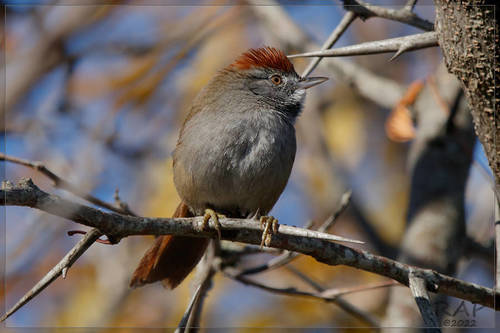
ハイビタイカマドドリ (Synallaxis frontalis) ハイビタイカマドドリ
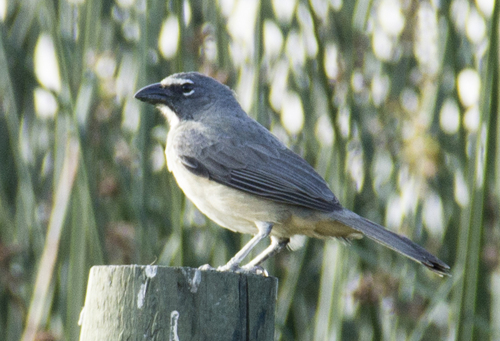
Olive-gray Saltator (Saltator olivascens) Olive-gray Saltator

メディア

読み込み中…

要点

最も信頼できるフィールドマークは、オリーブグレーサルテイターの大胆な白い眉(スーパーシリウム)と太くてフック状の黒いクチバシであり、これはハイビタイカマドドリには見られません。それに対して、カマドドリは暗いすすけた前頭部を持ち、顔に白い部分はなく、より細いクチバシを持っています。幼鳥のサルテイターは下側がオリーブ/黄色がかった色合いで、幼鳥のカマドドリは上側がより茶色く、下側がオークルがかった色合いです。飛行中または止まっているとき、カマドドリの長く、段階的で、尖った赤褐色の尾は診断的であり、サルテイターの短くて四角い尾とは異なります。両種はサイズが似ていますが、その構造、顔のパターン、尾の形状により、よく観察すれば混同を避けることができます。

識別のコツ

  1. 白いスーパーシリウムと顔のパターン: オリーブグレーサルテイターは常に大胆な白い眉と目の下に薄い白い三日月を示し、白い喉を囲む黒いマラーストライプを持っています。ハイビタイカマドドリは顔に白を示さず、薄い茶色がかった灰色の顔に薄い茶色のアイラインと暗いすすけた前頭部を持っています。幼鳥のサルテイターを除いて、すべての年齢に適用されますが、幼鳥はより鈍いパターンを持つことがありますが、いくつかの白を示します。
  2. クチバシの形: サルテイターは太くて重い黒いクチバシを持ち、カマドドリの細くてまっすぐな暗いクチバシよりもはるかに深いです。これは遠くからでも見えます。
  3. 尾の形と色: ハイビタイカマドドリは長く、段階的で、尖った赤褐色の尾を持ち、しばしば振ったり傾けたりします。サルテイターの尾は短く、四角い先端を持ち、灰色がかっており、決して赤褐色ではありません。これは特に飛行中や尾が広がっているときに明らかです。
  4. 幼鳥の羽毛: 幼いサルテイターは下側がオリーブと黄色がかった色合いで、鈍い顔のパターンを持っています。幼鳥のカマドドリは上側が茶色がかった灰色で、下側がオークルがかっており、顔に白いマーキングはありません。腹部に黄色がかった色合いと薄いスーパーシリウムが見られた場合、それはサルテイターです。
  5. 上面の色: サルテイターは上面が主に暗い灰色で、わずかにオリーブがかった色合いを持っています。カマドドリは茶色で、特に翼と尾に赤褐色がかった色合いを持っています。
  6. 下面: サルテイターは明るい灰色の下面を持ち、バフィーな側面と尾の下部を持っています。カマドドリは胸部が灰色がかった茶色で、腹部がより明るく、側面と尾の下部がより茶色がかっています。
  7. 飛行中の翼の色: カマドドリは暗い先端を持つ赤褐色の飛行羽を示します。サルテイターの翼はより均一に灰色とオリーブで、強い赤褐色はありません。
  8. 行動: カマドドリは活発で、しばしば長い尾を振ったり、密なカバーの中で低く餌を探したりします。サルテイターはより慎重で、開けた場所に止まったり、中層の木々や密な茂みから歌ったりします。
  9. 生息地: カマドドリは密で低い半開放的な生息地を好みます。サルテイターはより高い低木、木々、またはエッジにいることが多く、時には庭にもいます。
  10. 声: カマドドリは高く、鼻にかかった機械的な呼び声を出します。サルテイターの歌はより豊かでメロディックですが、一般的には静かです。
  11. 性別: 両種は性別的に単形であり、オスとメスは似ています。
  12. サイズと構造: 両者は長さが似ていますが、サルテイターは太く、太い首とクチバシを持ち、カマドドリはスリムで長い尾を持っています。
  13. 顔のパターンの落とし穴: 照明が悪い場合、サルテイターの白い眉はあまり目立たないかもしれませんが、太いクチバシと短い尾は依然としてカマドドリと区別します。
  14. 尾の動き: カマドドリはしばしば尾を傾けたり扇いだりします。サルテイターの尾は通常まっすぐに保たれます。
  15. 分布: 南ブラジル、アルゼンチン、パラグアイ、またはウルグアイにいる場合、カマドドリの可能性が高いです。サルテイターは南アメリカ北部とトリニダードに限られています。

大きさ

両種は全体の長さが似ています: ハイビタイカマドドリは14〜16 cmで、重さは11〜17 g [wikipedia]、オリーブグレーサルテイターは同じ一般的なサイズクラスにあります(正確な測定は示されていませんが、他のサルテイター種に似ています)。ただし、カマドドリはよりスリムで、比例的に長く段階的な尾を持ち、サルテイターは太く、太い首と短く四角い尾を持っています。クチバシの構造も重要な違いです: サルテイターは重く、太く、フック状のクチバシを持ち、カマドドリのクチバシはスリムでまっすぐです。

羽色

幼鳥の羽毛は強力な区別要因です: 幼いオリーブグレーサルテイターは下側がオリーブと黄色がかった色合いで、特に下面で、成鳥の顔のパターンの鈍いバージョンを持っています。幼鳥のハイビタイカマドドリは茶色がかった灰色の冠とオークルがかった色合いを示し、顔に白いマーキングはありません。成鳥では、サルテイターは常に大胆な白いスーパーシリウムと目の下に白い三日月を示し、黒いマラーストライプが白い喉を囲んでいますが、カマドドリにはこれらはありません。カマドドリの顔は単純な茶色がかった灰色で、薄い茶色のアイラインを持ち、前頭部は暗いすすけた灰色です。カマドドリの上面は茶色で赤褐色のトーンを持ち、尾は暗い赤褐色で、長く、段階的で尖った先端を持っています。サルテイターの上面は主に暗い灰色で、わずかにオリーブがかった色合いを持ち、尾は短くて四角いです。下面: サルテイターは明るい灰色でバフィーな側面と尾の下部を持ち、カマドドリは胸部が灰色がかった茶色で、腹部がより明るく、側面と尾の下部がより茶色がかっています。飛行中、カマドドリの赤褐色の翼と尾は、サルテイターのより均一な灰色とオリーブのトーンと対照的です。

行動

ハイビタイカマドドリは通常活発で、低く密な植生の中を移動し、しばしば長い尾を振ったり、地面や茂みの近くで餌を探したりします。落ち着きがなく、しばしば単独またはペアで見られます。オリーブグレーサルテイターはより慎重で、しばしば開けた場所に止まったり、中層の木々や密な茂みから歌ったりします。サルテイターは尾を振る可能性が低く、ペアまたは小さな群れで見られることが多く、時には混成種の群れに加わります。カマドドリの尾はしばしば傾けられたり扇がれたりしますが、サルテイターの尾は通常まっすぐに保たれます。

生息環境

ハイビタイカマドドリは、ギャラリーフォレストのエッジ、スクラブ、トゲのあるスクラブ、森林、茂みの多いサバンナなどの半開放的な風景を好み、しばしば低いレベルで密なカバーの中にいます [wikipedia]。オリーブグレーサルテイターは、森林のエッジ、二次成長、庭、プランテーションなど、さまざまな森林や低木の生息地に見られますが、コロンビア、ベネズエラ、ギアナ、北ブラジル、トリニダードの湿潤または半湿潤の低地地域に典型的です。両種は分布がほとんど重ならず、両方が存在する場所では、カマドドリは密で低い植生により結びついているのに対し、サルテイターはより高い低木や木々で見られることが多いです。

声

ハイビタイカマドドリは、'ka-kwee-éék'、'du-Twee'、および遅く、慎重な音を含むさまざまな高く、細く、鼻にかかった呼び声を出し、しばしば長時間繰り返されます。その呼び声は高音で、やや機械的です。オリーブグレーサルテイターは一般的に静かですが、サルテイターに典型的なより豊かでメロディックな歌を持ち、明確な口笛の音を出します。彼らの呼び声はカマドドリのものよりも機械的でなく、より音楽的です。フィールドでは、カマドドリの持続的で高い鼻にかかった呼び声が良い手がかりです。

より良い説明を送る

比較と同じ項目を使ってください。文章はすぐに公開されます。

The most reliable field mark is the olive-grey saltator’s bold white eyebrow (supercilium) and thick, hooked black bill, which are never shown by sooty-fronted spinetail. In contrast, the spinetail has a dark sooty forecrown, no white on the face, and a slenderer bill. Juvenile saltators are olive/yellow-washed below, while juvenile spinetails are browner above and ochre-washed below. In flight or perched, the spinetail’s long, graduated, pointed rufous tail is diagnostic and unlike the saltator’s short, square tail. Both species are similar in size, but their structure, face pattern, and tail shape make confusion avoidable with a good look.

  1. White supercilium and facial pattern: Olive-grey saltator always shows a bold white eyebrow and a thin white crescent under the eye, plus black malar stripes framing a white throat. Sooty-fronted spinetail never shows white on the face; look for a plain brownish gray face with a thin brownish eye-line and a dark sooty forecrown. Works for all ages except juvenile saltator, which may have a duller pattern but still shows some white.
  2. Bill shape: Saltator has a thick, heavy, black, slightly hooked bill, much deeper than the spinetail’s slender, straight, dark bill. This is visible even at a distance.
  3. Tail shape and color: Sooty-fronted spinetail has a long, graduated, pointed rufous tail, often flicked or cocked. Saltator’s tail is short, square-tipped, and greyish, never rufous. This is especially obvious in flight or when the tail is spread.
  4. Juvenile plumage: Young saltators are olive and yellow-washed below, with a duller face pattern; juvenile spinetails are brownish gray above and ochraceous below, lacking any white facial markings. If you see a yellowish wash on the belly and a pale supercilium, it’s a saltator.
  5. Upperparts color: Saltator is mostly dark grey above with only a slight olive tinge; spinetail is brown with a rufous tinge, especially on the wings and tail.
  6. Underparts: Saltator has light grey underparts with buffy flanks and undertail; spinetail is grayish brown on the breast, paler on the belly, and browner on the flanks and undertail.
  7. Wing color in flight: Spinetail shows rufous flight feathers with dusky tips; saltator’s wings are more uniformly grey-olive, lacking strong rufous.
  8. Behavior: Spinetail is active, often flicking its long tail and foraging low in dense cover; saltator is more deliberate, perching in the open or singing from mid-levels.
  9. Habitat: Spinetail prefers dense, low, semi-open habitats; saltator is more often in taller shrubs, trees, or edges, sometimes in gardens.
  10. Voice: Spinetail gives high, nasal, mechanical calls; saltator’s song is richer and more melodious, though it is generally quieter.
  11. Sexes: Both species are sexually monomorphic—males and females look alike.
  12. Size and structure: Both are similar in length, but saltator is bulkier with a thick neck and bill, while spinetail is slimmer with a longer tail.
  13. Face pattern pitfalls: In poor light, the saltator’s white eyebrow may be less obvious, but the thick bill and short tail still separate it from spinetail.
  14. Tail movement: Spinetail often cocks or fans its tail; saltator’s tail is usually held straight.
  15. Range: If in southern Brazil, Argentina, Paraguay, or Uruguay, spinetail is more likely; saltator is limited to northern South America and Trinidad.

Both species are similar in overall length: sooty-fronted spinetail measures 14–16 cm and weighs 11–17 g [wikipedia], while olive-grey saltator is in the same general size class (precise measurements not given, but similar to other Saltator species). However, the spinetail is more slender with a proportionally longer, graduated tail, while the saltator is bulkier with a thick neck and a short, square tail. Bill structure is also a key difference: the saltator has a heavy, thick, hooked bill, while the spinetail’s bill is slim and straight.

Juvenile plumage is a strong separator: young olive-grey saltators are washed olive and yellow below, especially on the underparts, and have a muted version of the adult’s face pattern. Juvenile sooty-fronted spinetails show a brownish gray crown and ochraceous wash below, lacking any white facial markings. In adults, the saltator always shows a bold white supercilium and white crescent under the eye, with black malar stripes framing a white throat—none of which are present on spinetail. The spinetail’s face is plain brownish gray with a thin brownish eye-line, and its forecrown is dark sooty-gray. The spinetail’s upperparts are brown with rufous tones, and the tail is dark rufous, long, and graduated with pointed tips. Saltator upperparts are mostly dark grey with only slight olive tones, and its tail is short and square. Underparts: saltator is light grey with buffy flanks and undertail, while spinetail is grayish brown on the breast, paler on the belly, and browner on the flanks and undertail. In flight, the spinetail’s rufous wings and tail contrast with the saltator’s more uniform grey and olive tones.

Sooty-fronted spinetail is typically active, moving through low, dense vegetation, often flicking its long tail and foraging near the ground or in bushes. It is restless and often seen singly or in pairs. Olive-grey saltator is more deliberate, often perching in the open or singing from mid-levels in trees or dense thickets. Saltators are less likely to flick their tails and are more likely to be seen in pairs or small groups, sometimes joining mixed-species flocks. The spinetail’s tail is often cocked or fanned, while the saltator’s is usually held straight.

Sooty-fronted spinetail prefers semi-open landscapes such as gallery forest edges, scrub, thorn-scrub, woodlands, and bushy savanna, often at lower levels and in dense cover [wikipedia]. Olive-grey saltator is found in a variety of wooded and shrubby habitats, including forest edges, second growth, gardens, and plantations, but is more typical of humid or semi-humid lowland areas in Colombia, Venezuela, the Guianas, northern Brazil, and Trinidad. The two species overlap little in range, but where both occur, the spinetail is more tied to dense, low vegetation, while the saltator is more often seen in taller shrubs or trees.

Sooty-fronted spinetail gives a variety of high, thin, and nasal calls, including 'ka-kwee-éék', 'du-Twee', and slow, deliberate notes, often repeated for long periods. Its calls are high-pitched and somewhat mechanical. Olive-grey saltator is generally quiet but has a richer, more melodious song typical of saltators, with clear, whistled notes. Their calls are less mechanical and more musical than the spinetail’s. In the field, the spinetail’s persistent, high, nasal calls are a good clue.

変更を破棄しますか?

保存していない編集があります。今離れると失われます。

ハイビタイカマドドリ · Olive-gray Saltator · 苦手な鳥