

Motmot

ズグロチャイロチメドリ 対 ズアカチャイロチメドリ

Malacopteron affine 対 Malacopteron magnum

ズグロチャイロチメドリとズアカチャイロチメドリのクイズ
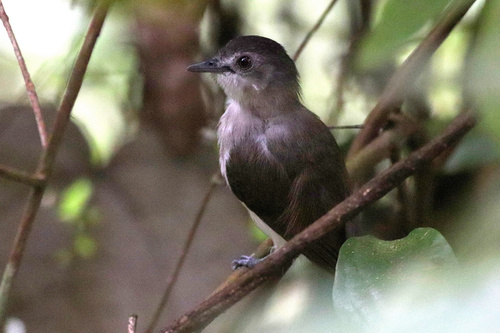
ズグロチャイロチメドリ (Malacopteron affine) ズグロチャイロチメドリ
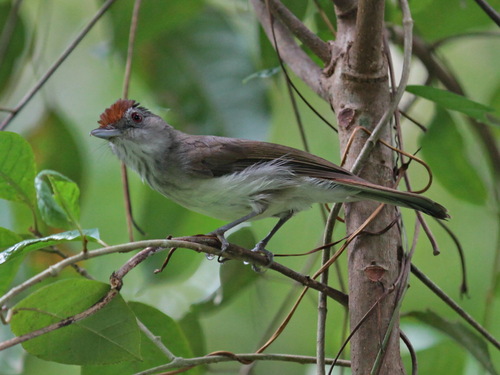
ズアカチャイロチメドリ (Malacopteron magnum) ズアカチャイロチメドリ

メディア

読み込み中…

要点

ズグロチャイロチメドリとズアカチャイロチメドリを区別する最も信頼できる方法は、冠の色に注目することです:ズグロチャイロチメドリは明確に暗い(すすけた)冠を持ち、ズアカチャイロチメドリは温かみのある赤褐色または栗色の冠を示します。両種は形状と一般的な色合いが似ており、東南アジアの重複する地域に生息していますが、冠の色はすべての年齢と季節において重要なフィールドマークです。構造的およびサイズの違いは微妙で、ズアカチャイロチメドリは平均してやや重いですが、これはフィールドではあまり役に立ちません。生息地の好みは広く重複しているため、文脈は強い区別要因ではありません。

識別のコツ

  1. 冠の色は最も良いフィールドマークです: ズグロチャイロチメドリは常に暗い、すすけた(ほぼ黒っぽい)冠を示し、ズアカチャイロチメドリは温かみのある赤褐色または栗色の冠を持っています。この違いはすべての年齢と季節で確認できます。
  2. 特定の年齢に基づく翼や飛行のマークはない: 両種とも独自の幼鳥や未成熟の上翼パターンを示さないため、飛行の視点に頼って区別しないでください。
  3. 一般的な羽色は似ています: 両方ともオリーブブラウンの上面と淡い下面を持っているため、体の色だけで判断しないでください。
  4. 構造は診断的ではありません: 両方とも中型の短尾のチメドリで、似たような比率を持っています。くちばしの形状や尾の長さはフィールドでは信頼できません。
  5. サイズはわずかに異なるだけです: ズアカチャイロチメドリは平均してやや重いですが、これは鳥が並んでいない限り役に立ちません。
  6. 生息地の重複は広範囲です: 両種は同じ地域や生息地に生息しているため、重複ゾーン内での位置や生息地を主要な区別要因として使用しないでください。
  7. 季節的または性別に基づく羽色の変化は記録されていません: 冠の色は年間を通じて信頼でき、両性で変わりません。
  8. 行動は似ています: 両方とも密な下草の中で採餌し、小さな群れで行動することが多いです;動きや採餌スタイルは識別に役立ちません。
  9. フィリピンまたはミャンマーにいる場合: ズアカチャイロチメドリのみが生息していますが、マレーシア、インドネシア、ブルネイ、タイでは両方が可能です。
  10. 現地名が役立つ場合があります: マレーシアでは、ズグロチャイロチメドリは時々「rimba tinjau belukar」と呼ばれますが、これは視覚的なフィールドマークではありません。
  11. 不明な場合は頭に焦点を当ててください: 照明が悪い場合でも、暗い(すすけた)冠と赤褐色(栗色)の冠の違いは通常双眼鏡で確認できます。
  12. 信頼できる声の違いは記録されていません: 現在の情報に基づいて呼び声や歌に頼って区別しないでください。
  13. 他の場所でのわずかな色の違いを過剰に解釈しないでください: 残りの羽色は識別に役立つほど異なりません。
  14. 複数の視点を確認してください: 冠の色が一つの角度から不明な場合は、別の視点を得るようにしてください。光がコントラストを隠すことがあります。
  15. 写真: 可能であれば、特に混合群れや照明が悪い場合は、冠の色を確認するために写真を使用してください。

大きさ

ズアカチャイロチメドリは平均体重が27.0g [wikidata]でやや重いですが、この違いはフィールドでは簡単に認識できません。両種は中型のチメドリで、全体的な構造は似ています。並んで見ない限り、サイズは信頼できる区別要因ではありません。

羽色

どちらの種についても年齢特有の翼や飛行パターンの違いは記録されていません。すべての年齢における主要な羽色の違いは冠です:ズグロチャイロチメドリは暗い、すすけた(ほぼ黒っぽい)冠を持ち、淡い下面とオリーブブラウンの上面と鮮やかに対比しています。対照的に、ズアカチャイロチメドリは豊かな赤褐色または栗色の冠を持ち、他の羽色と対照的です。両種はそれ以外はかなり地味なオリーブブラウンの上面と淡い下面を示すため、冠の色が最も一貫して目に見える違いとなります。どちらの種についても、このマークに影響を与える季節的または性別に基づく羽色の変化は記録されていません。

行動

両種は似たように行動し、密な下草や低い植生の中で採餌し、小さな群れで行動することが多いです。彼らの動きや一般的な「チメドリ」活動は、フィールドで信頼できるように区別するには十分ではありません。

生息環境

両種は東南アジアの低地森林や二次成長に生息しており、マレーシア、インドネシア、ブルネイ、タイでの範囲の重複が顕著です。ズアカチャイロチメドリはミャンマーやフィリピンでも見られますが、これはコアの重複ゾーン内では役に立ちません。両方とも湿った密な森林生息地を好み、似たような微生息地で見られることが多いため、生息地だけでは信頼できる区別要因ではありません。

より良い説明を送る

比較と同じ項目を使ってください。文章はすぐに公開されます。

The most reliable way to separate Sooty-capped Babbler from Rufous-crowned Babbler is by focusing on the crown color: Sooty-capped has a distinctly dark (sooty) crown, while Rufous-crowned shows a warm rufous or chestnut crown. Both species are similar in shape and general coloration, and occur in overlapping regions of Southeast Asia, but the crown color is the key field mark in all ages and seasons. Structural and size differences are subtle, with Rufous-crowned Babbler being slightly heavier on average, but this is rarely useful in the field. Habitat preferences overlap broadly, so context is not a strong separator.

  1. Crown color is the single best field mark: Sooty-capped Babbler always shows a dark, sooty (almost blackish) crown, while Rufous-crowned Babbler has a warm rufous or chestnut crown. This difference is visible in all ages and seasons.
  2. No distinctive age-specific wing or flight marks: Neither species shows unique juvenile or immature upperwing patterns, so do not rely on flight views for separation.
  3. General plumage is similar: Both have olive-brown upperparts and paler underparts, so do not use body color alone.
  4. Structure is not diagnostic: Both are medium-sized, short-tailed babblers with similar proportions. Bill shape and tail length are not reliable in the field.
  5. Size is only marginally different: Rufous-crowned averages slightly heavier, but this is not useful unless birds are side-by-side.
  6. Habitat overlap is extensive: Both species occur in the same regions and habitats, so do not use location or habitat as a primary separator within the overlap zone.
  7. No documented seasonal or sex-based plumage changes: Crown color remains reliable year-round and in both sexes.
  8. Behavior is similar: Both forage in dense undergrowth, often in small groups; movement and foraging style do not help with identification.
  9. If in the Philippines or Myanmar: Only Rufous-crowned Babbler occurs, but in Malaysia, Indonesia, Brunei, and Thailand, both are possible.
  10. Local names may help: In Malaysia, Sooty-capped Babbler is sometimes called 'rimba tinjau belukar,' but this is not a visual field mark.
  11. If unsure, focus on the head: Even in poor light, the difference between a dark (sooty) and a rufous (chestnut) crown is usually visible with binoculars.
  12. No reliable vocal differences documented in sources: Do not rely on calls or songs for separation based on current information.
  13. Avoid over-interpreting slight color differences elsewhere: The rest of the plumage is too similar to be useful for ID.
  14. Check multiple views: If crown color is unclear from one angle, try to get another look, as light can sometimes obscure the contrast.
  15. Photographs: If possible, use photos to confirm crown color, especially in mixed flocks or poor light.

Rufous-crowned Babbler is slightly heavier, with an average body mass of 27.0g [wikidata], but this difference is not easily appreciated in the field. Both species are medium-sized babblers and share a similar overall structure. Unless seen side-by-side, size is not a reliable separator.

No age-specific wing or flight pattern differences are documented for either species. The key plumage distinction at all ages is the crown: Sooty-capped Babbler has a dark, sooty (almost blackish) crown, sharply contrasting with the paler underparts and olive-brown upperparts. Rufous-crowned Babbler, in contrast, has a rich rufous or chestnut crown that stands out against the rest of the plumage. Both species otherwise show fairly plain, olive-brown upperparts and paler underparts, so the crown color remains the most consistent and visible difference. There are no documented seasonal or sex-based changes in plumage for either species that would affect this mark.

Both species behave similarly, foraging in dense undergrowth and low vegetation, often in small groups. Their movements and general 'babbling' activity are not distinctive enough to separate them reliably in the field.

Both species inhabit lowland forests and secondary growth in Southeast Asia, with significant range overlap in Malaysia, Indonesia, Brunei, and Thailand. Rufous-crowned Babbler is also found in Myanmar and the Philippines, but this is not helpful within the core overlap zone. Both prefer humid, dense forest habitats and are often found in similar microhabitats, so habitat alone is not a reliable separator.

変更を破棄しますか?

保存していない編集があります。今離れると失われます。

ズグロチャイロチメドリ · ズアカチャイロチメドリ · 苦手な鳥