

Motmot

ススイロゴシキドリ 対 Black-eared Barbet

Caloramphus hayii 対 Psilopogon duvaucelii

ススイロゴシキドリとBlack-eared Barbetのクイズ
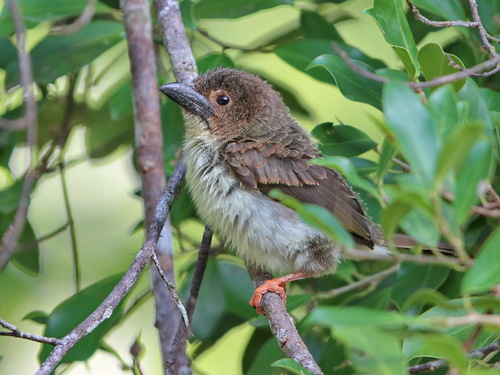
ススイロゴシキドリ (Caloramphus hayii) ススイロゴシキドリ
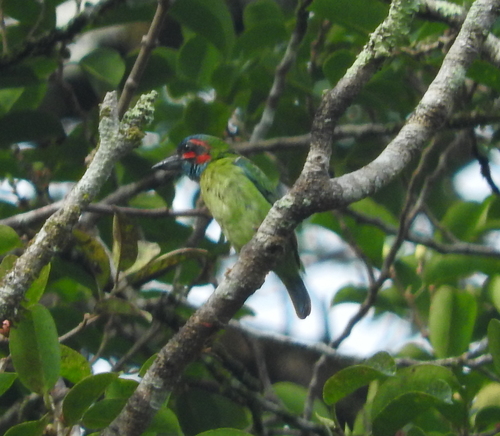
Black-eared Barbet (Psilopogon duvaucelii) Black-eared Barbet

メディア

読み込み中…

要点

ススイロゴシキドリとブラックイヤーバーベットを区別する最も信頼できる方法は、全体的な羽色と顔の模様によるものです:ススイロゴシキドリは均一な茶色の鳥で、顔は無地ですが、ブラックイヤーバーベットは明るいオリーブグリーンで、青い喉、黒い顔の筋、目の下に特徴的な赤と黒の斑点があります。ブラックイヤーバーベットはまた、明らかに小さなサイズと、よりカラフルで模様のある頭を示します。これらの違いは、止まっている鳥と飛んでいる鳥の両方で見ることができますが、ブラックイヤーバーベットの顔の模様は特に近距離で診断的です。幼鳥や未成熟特有の翼の模様は、情報源には記載されていないため、成鳥と一般的な羽色と構造に焦点を当ててください。

識別のコツ

  1. 顔の模様が最も重要なフィールドマークです: ブラックイヤーバーベットは目の間に太い黒い筋、目の下に黒で囲まれた赤い斑点、青い喉と後頭部を示します。ススイロゴシキドリはこれらすべてを欠き、無地で模様のない顔と喉を示します。これは、顔の詳細が見える範囲で最も信頼できるマークです。
  2. 全体的な色合い: ススイロゴシキドリは均一な茶色またはスス色で、明るい緑や青はありません。ブラックイヤーバーベットはオリーブグリーンで、頭に青と赤のハイライトがあります。鳥が主に茶色で無地に見える場合はススイロゴシキドリであり、緑がかっていてカラフルな頭を持つ場合はブラックイヤーバーベットです。
  3. くちばしの色と構造: ブラックイヤーバーベットは黒いくちばしを持ち、カラフルな顔と対照的です。ススイロゴシキドリのくちばしの色は指定されていませんが、顔との強い対比は示しません。ススイロゴシキドリは全体的に体が大きいため、くちばしのサイズが相対的に大きく見えることもあります。
  4. サイズと印象: ブラックイヤーバーベットは小さくて軽く、ススイロゴシキドリよりもコンパクトで頑丈に見えます。混合群れの中やサイズの参照が可能な場合は、これを補助的なマークとして使用してください。
  5. 喉と後頭部の色: ブラックイヤーバーベットの青い喉と後頭部は特徴的で、ススイロゴシキドリにはありません。良い光の中で青い色合いを探してください。
  6. 止まっている時と飛んでいる時の視点: 両種は止まっている時に最も簡単に区別でき、顔と喉の模様が最もよく見えます。飛んでいる時は、色の印象(茶色対緑)が役立つかもしれませんが、詳細を見分けるのは難しくなります。
  7. 幼鳥/未成熟の混乱: どちらの種にも特有の年齢別の翼や飛行パターンは記載されていないため、上翼のマークに頼って区別しないでください。
  8. 生息地の文脈: 1,000 m以上または低木地で見られた場合、ブラックイヤーバーベットの可能性が高いですが、両方とも低地の森林に生息することがあります。生息地は補助的な手がかりとしてのみ使用してください。
  9. 地理的範囲: 両種はマレー半島とスマトラで重なります。ブラックイヤーバーベットはボルネオにも生息していますが、ススイロゴシキドリはシンガポールには存在しません(現在は絶滅しています)。
  10. 性差の二形性: どちらの種にも性別特有の羽色の違いは記載されていないため、すべてのフィールドマークは両性に適用されます。
  11. 落とし穴: 照明が悪い場合、ブラックイヤーバーベットは暗く見えたり、色が少なく見えることがありますが、顔の模様は近距離で見えるはずです。ススイロゴシキドリは青、赤、または黒の顔の模様を示すことはありません。
  12. 声: メモには声の違いは記載されていません。現在の情報に基づいて声を区別に使用しないでください。
  13. 季節的変動: どちらの種にも季節的な羽色の変化は記載されていないため、フィールドマークは年間を通じて信頼できます。
  14. 文脈におけるくちばしのサイズ: 他のバーベットと一緒に見られた場合、ススイロゴシキドリは相対的に重いくちばしを持っているように見えるかもしれませんが、これは微妙であり、単独では診断的ではありません。
  15. 要約のヒント: フィールドでの自信のある区別のために、常に顔の模様と全体的な色の印象を優先してください。

大きさ

ブラックイヤーバーベットは小さくて軽く、全長16〜17 cm、体重26.3〜37 gです [wikipedia]。ススイロゴシキドリの正確な測定値はメモには記載されていませんが、一般的にはより大きく、頑丈なバーベットとして説明されています。フィールドでは、ブラックイヤーバーベットは頑丈なススイロゴシキドリと比較して、明らかに小さくコンパクトに見えます。

羽色

どちらの種にも年齢特有の上翼や飛行パターンの違いは記載されていません。すべての年齢において、ススイロゴシキドリは全体的に均一な茶色またはスス色で、無地の顔と強い顔の模様はありません。それに対して、ブラックイヤーバーベットはオリーブグリーンで、青い喉と後頭部、黒いくちばし、目の間に大きな黒い筋があります。また、目の下に黒で囲まれた赤い斑点があり、はるかに模様がありカラフルな外観を与えています。これらの顔と喉の色は成鳥に存在し、年齢や季節に依存するものとして記載されていないため、ほとんどの個体で見ることができるはずです。

行動

メモには特定の行動の違いは記載されていません。両種は典型的なバーベットであり、木に止まっているか、樹冠を移動しているのが見られる可能性が高いです。提供された情報に基づいて、行動の違いは微妙であり、フィールドでの区別には信頼できません。

生息環境

両種はマレー半島とスマトラの低地森林に見られますが、ブラックイヤーバーベットはボルネオにも生息し、1,200 mの標高までの低木地と森林の両方に見られます [wikipedia]。ススイロゴシキドリは亜熱帯または熱帯の湿った低地森林に制限されており、現在シンガポールからは絶滅しています。重なり合う地域では、生息地だけでは診断的ではありませんが、ブラックイヤーバーベットはより高い標高や広範囲の森林生息地で遭遇する可能性があります。

より良い説明を送る

比較と同じ項目を使ってください。文章はすぐに公開されます。

The most reliable way to separate Sooty Barbet from Black-eared Barbet is by overall plumage color and facial pattern: Sooty Barbet is a uniform brownish bird with a plain face, while Black-eared Barbet is bright olive-green with a blue throat, a black facial streak, and distinctive red and black marks below the eye. Black-eared Barbet also shows a noticeably smaller size and a more colorful, patterned head. These differences are visible in both perched and flying birds, though the Black-eared Barbet's facial markings are especially diagnostic at close range. Juvenile or immature-specific wing patterns are not described for either species in the sources, so focus on adult and general plumage and structure.

  1. Facial pattern is the top field mark: Black-eared Barbet shows a bold black streak between the eyes, red spots below the eyes surrounded by black, and a blue throat and nape. Sooty Barbet lacks all of these, showing a plain, unmarked face and throat. This is the most reliable mark at any range where facial detail is visible.
  2. Overall coloration: Sooty Barbet is a uniform brownish or sooty color, lacking bright greens or blues. Black-eared Barbet is olive-green with blue and red highlights on the head. If the bird looks mostly brown and plain, it is Sooty Barbet; if it is greenish with a colorful head, it is Black-eared.
  3. Bill color and structure: Black-eared Barbet has a black bill, which contrasts with its colorful face. Sooty Barbet's bill color is not specified, but it does not show the same strong contrast with the face. Bill size may also appear proportionately larger in Sooty Barbet due to its overall bulkier build.
  4. Size and jizz: Black-eared Barbet is smaller and lighter, appearing more compact and less robust than Sooty Barbet. In mixed flocks or when size reference is available, use this as a supporting mark.
  5. Throat and nape color: The blue throat and nape of Black-eared Barbet are distinctive and absent in Sooty Barbet. Look for blue tones in good light.
  6. Perched vs. flying views: Both species are most easily separated when perched, as facial and throat patterns are best seen. In flight, color impression (brown vs. green) may help, but details are harder to discern.
  7. Juvenile/immature confusion: No distinctive age-specific wing or flight patterns are described for either species, so do not rely on upperwing marks for separation.
  8. Habitat context: If seen above 1,000 m or in shrubland, Black-eared Barbet is more likely, but both can occur in lowland forest. Use habitat only as a supporting clue.
  9. Geographic range: Both species overlap in Peninsular Malaysia and Sumatra. Black-eared Barbet also occurs in Borneo, while Sooty Barbet is absent from Singapore (now extirpated).
  10. Sexual dimorphism: No sex-specific plumage differences are described for either species, so all field marks apply to both sexes.
  11. Pitfalls: In poor light, Black-eared Barbet may appear darker or less colorful, but the facial pattern should still be visible at close range. Sooty Barbet should never show blue, red, or black facial markings.
  12. Voice: No vocal differences are described in the notes; do not use voice for separation based on current information.
  13. Seasonal variation: No seasonal plumage changes are noted for either species, so field marks are reliable year-round.
  14. Bill size in context: If seen with other barbets, Sooty Barbet may appear to have a proportionately heavier bill, but this is subtle and not diagnostic alone.
  15. Summary tip: Always prioritize facial pattern and overall color impression for a confident separation in the field.

Black-eared Barbet is smaller and lighter, measuring 16–17 cm in length and weighing 26.3–37 g [wikipedia]. Sooty Barbet's exact measurements are not provided in the notes, but it is generally described as a larger, more robust barbet. In the field, Black-eared Barbet will appear noticeably more petite and compact compared to the stockier Sooty Barbet.

There are no age-specific upperwing or flight pattern differences described for either species. For all ages, Sooty Barbet is a uniform brownish or sooty color overall, with a plain face and no strong facial markings. In contrast, Black-eared Barbet is olive-green with a blue throat and nape, a black beak, and a large black streak between the eyes. It also has red spots below the eyes, encircled by black, giving it a much more patterned and colorful appearance. These facial and throat colors are present in adults and are not described as age- or season-dependent, so they should be visible in most individuals.

No specific behavioral differences are described in the notes. Both species are typical barbets, likely to be seen perched in trees or moving through the canopy. Any behavioral differences would be subtle and not reliable for field separation based on the provided information.

Both species can be found in lowland forests of Peninsular Malaysia and Sumatra, but Black-eared Barbet also occurs in Borneo and is found in both shrubland and forest up to 1,200 m elevation [wikipedia]. Sooty Barbet is more restricted to subtropical or tropical moist lowland forests and is now extirpated from Singapore. In areas of overlap, habitat alone is not diagnostic, but Black-eared Barbet may be encountered at higher elevations and in a broader range of wooded habitats.

変更を破棄しますか?

保存していない編集があります。今離れると失われます。

ススイロゴシキドリ · Black-eared Barbet · 苦手な鳥