

Motmot

コシグロクサシギ 対 ハジロオオシギ

Tringa solitaria 対 Tringa semipalmata

コシグロクサシギとハジロオオシギのクイズ
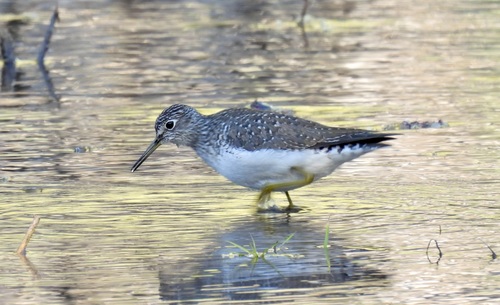
コシグロクサシギ (Tringa solitaria) コシグロクサシギ
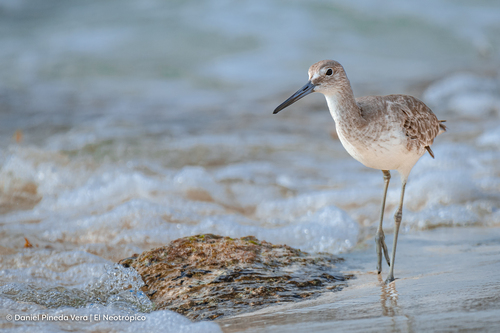
ハジロオオシギ (Tringa semipalmata) ハジロオオシギ

メディア

読み込み中…

要点

コシグロクサシギとハジロオオシギの最も信頼できるフィールドマークは、飛行中に見える印象的な翼のパターンです:ハジロオオシギは大胆な白い翼のストライプと白い尾羽を示し、一方コシグロクサシギは上面と下面が均一に暗い翼を持ち、暗い尾羽と尾の中心があります。ハジロオオシギはまた、はるかに大きく、ずっしりとしており、重いくちばしと長い脚を持っています。止まっているとき、コシグロクサシギはコンパクトで暗い背中を持っているように見えますが、ハジロオオシギは上面が淡い灰色で、より頑丈な体つきをしています。年齢に関連する翼のパターンはコシグロクサシギやハジロオオシギには記載されていないため、成鳥の飛行マークが重要です。両種は似たような湿地生息地で見られることがありますが、ハジロオオシギはより開けた沿岸地域を好みます。

識別のコツ

  1. Flight pattern is diagnostic: ハジロオオシギは大胆な白い翼のストライプと白い尾羽を示し、すべての年齢と季節で上からも下からも見えます。コシグロクサシギは均一に暗い翼と暗い尾羽と尾の中心を持ち、白いパネルや尾羽は決してありません。常にこのコントラストのために飛行中の鳥を確認してください。
  2. Size and structure: ハジロオオシギはコシグロクサシギよりもはるかに大きく、脚が長く、くちばしが重いです。両方を一緒に見ると、ハジロオオシギはコシグロクサシギを圧倒します。一人でも、ハジロオオシギの頑丈な体つきと長い脚は特徴的です。
  3. Perched appearance: コシグロクサシギはコンパクトで、暗い緑がかった茶色の背中と上翼に細かい明るい斑点があります。ハジロオオシギは上面が淡い灰色、下面が白く、重いまっすぐなくちばしと長い脚を持っています。
  4. Rump and tail: 飛行中、ハジロオオシギの白い尾羽と灰色の尾の帯は明らかです。コシグロクサシギは暗い尾羽と尾の中心を持ち、白い尾羽を持つトリンガ(ハジロオオシギを含む)からそれを区別するのに役立ちます。
  5. Upperwing pattern: コシグロクサシギの上翼は暗く、小さな明るい斑点があります。ハジロオオシギの上翼は白と黒の大胆なパターンがあります。これは良い光の下で遠くからでも見えます。
  6. Head and face: ハジロオオシギはロアの上に白い領域と狭い白っぽい目のリングを示し、「眼鏡をかけた」ように見えます。コシグロクサシギはより均一な灰色の頭と胸を持ち、顔のコントラストが少ないです。
  7. Leg color: ハジロオオシギは灰色の脚を持っています。コシグロクサシギの脚は緑がかっていますが、これは暗い光の中では微妙な場合があります。
  8. Bill shape: ハジロオオシギのくちばしは太く、まっすぐで、相対的に長いです。コシグロクサシギはより細く、短いくちばしを持っています。
  9. Breeding vs non-breeding plumage: ハジロオオシギは繁殖期に上面に茶色の縞模様を発達させますが、それ以外は淡い灰色のままです。コシグロクサシギは年中斑点のある上翼のパターンを維持します。
  10. Habitat context: ハジロオオシギは最も頻繁に開けた沿岸の湿地に見られますが、コシグロクサシギは森林の池や静かな淡水の生息地を好みます。もしあなたが日陰の森林の池にいるなら、ハジロオオシギは見られないでしょう。
  11. Behavior: ハジロオオシギはしばしば高く立ち、開けた場所で安定して歩き、小さな群れでいることもあります。コシグロクサシギはより孤独で、しばしば尾を上下に動かし、池の縁で餌を探します。
  12. Vocalization: コシグロクサシギの飛行中の三音の笛の音を聞いてください。ハジロオオシギの鳴き声はより大きく、響き渡り、しばしば警戒時に発せられます。
  13. Group size: コシグロクサシギは通常一人または非常に少数で見られますが、ハジロオオシギは特に移動中や越冬地で緩い群れで見られることがあります。
  14. Jizz in flight: ハジロオオシギの飛行は強く、直接的で、白いストライプを示す硬く下向きの翼を持っています。コシグロクサシギの飛行はよりひらひらしており、直接的ではなく、翼に白色はありません。
  15. Pitfalls: 未熟なハジロオオシギや非繁殖期のハジロオオシギは地味ですが、飛行中に常に白い翼のストライプを示します。コシグロクサシギは年齢や季節に関係なく、これを示すことはありません。

大きさ

ハジロオオシギはコシグロクサシギよりも劇的に大きく、重いです。ハジロオオシギは体重が約287gで、長さは31〜41cmで、最も大きなトリンガのシギです。コシグロクサシギははるかに小さく、軽量で、平均48.6g、長さは18〜23cmです。フィールドでは、ハジロオオシギのサイズは明らかで、コシグロクサシギのほぼ2倍の長さで、数倍ずっしりとしています。ハジロオオシギはまた、より厚く、長いくちばしと長い脚を持っており、コシグロクサシギは比較的コンパクトで優雅です。

羽色

飛行中、ハジロオオシギは黒っぽい一次羽と覆羽を横切る幅広い大胆な白い翼のストライプがあるため、間違えることはありません。白い二次羽と灰色の尾の帯で分けられた白い尾羽があります。このパターンはすべての年齢と季節に存在します。対照的に、コシグロクサシギは上面と下面が暗い翼を持ち、白いストライプはなく、暗い尾羽と尾の中心を持ち、ハジロオオシギの白い尾羽や翼のパネルを決して示しません。地上では、コシグロクサシギは上面が暗い緑がかった茶色で、翼に細かい明るい斑点があり、灰色の頭と胸、白い下面を持っています。ハジロオオシギは上面が淡い灰色、下面が白く、白い尾羽とロアの上に明確な白い領域、狭い白っぽい目のリングを持っています。繁殖羽毛では、ハジロオオシギは上面に茶色の縞模様を示しますが、コシグロクサシギは斑点のある上翼のパターンを維持します。非繁殖期のハジロオオシギは地味な灰色です。どちらの種にも年齢特有の上翼のマークは記載されていないため、これらのコントラストはすべての羽毛に適用されます。

行動

ハジロオオシギは頑丈で、しばしば高く立ち、重いまっすぐなくちばしと長い灰色の脚で安定して歩きます。腹まで水に浸かることができ、小さな群れで見られることが多く、特に冬に見られます。コシグロクサシギは一人で見られることが多く、しばしば尾を上下に動かし、より繊細でコンパクトに見えます。ハジロオオシギは警戒心が強く、すぐに警戒音を発しますが、コシグロクサシギは静かで控えめです。ハジロオオシギは岩や柱に止まることがありますが、コシグロクサシギは森林の池の縁や静かな湿地で見られることが多いです。

生息環境

ハジロオオシギは塩湿地、干潟、砂浜などの開けた沿岸生息地を好みますが、内陸の湿地でも見られることがあります。コシグロクサシギは淡水の生息地、特に森林の池、湿地、静かな小川で見られることが多く、開けた沿岸環境では見られる可能性が低いです。移動中に重複が発生することがありますが、ハジロオオシギはコシグロクサシギが好む森林の陰のある湿地ではめったに見られません。

声

コシグロクサシギは飛行中に特徴的な三音の笛の音を出し、聞こえた場合は有用な手がかりとなります。ハジロオオシギは特に警戒時に大きく響く鳴き声で知られていますが、特定の鳴き声の違いはメモには詳細に記載されていません。両方とも鳴くことができますが、コシグロクサシギの鳴き声はより控えめで、ハジロオオシギの鳴き声よりも注意を引く可能性が低いです。

より良い説明を送る

比較と同じ項目を使ってください。文章はすぐに公開されます。

The most reliable field mark between Solitary Sandpiper and Willet is the striking wing pattern visible in flight: Willet shows a bold white wing stripe and white rump, while Solitary Sandpiper has uniformly dark wings above and below with a dark rump and tail center. Willet is also much larger and bulkier, with a heavier bill and longer legs. When perched, Solitary Sandpiper appears compact and dark-backed, while Willet is pale gray above with a more robust build. Age-related wing patterns are not described for Solitary Sandpiper or Willet, so adult flight marks are key. Both species may be found in similar wetland habitats, but Willet favors more open coastal areas.

  1. Flight pattern is diagnostic: Willet shows a bold white wing stripe and white rump, visible from above and below in all ages and seasons. Solitary Sandpiper has uniformly dark wings and a dark rump and tail center—never any white panel or rump. Always check birds in flight for this contrast.
  2. Size and structure: Willet is much larger, longer-legged, and heavier-billed than Solitary Sandpiper. If you see both together, Willet will dwarf the Solitary. Even alone, Willet's robust build and long legs are distinctive.
  3. Perched appearance: Solitary Sandpiper is compact, with a dark greenish-brown back and fine light spots on the upperwings. Willet is pale gray above, white below, and has a heavier, straight bill and longer legs.
  4. Rump and tail: In flight, Willet's white rump and gray tail band are obvious. Solitary Sandpiper has a dark rump and tail center, which helps separate it from any Tringa with a white rump (including Willet).
  5. Upperwing pattern: Solitary Sandpiper's upperwings are dark with small light spots; Willet's are boldly patterned with white and black. This is visible even at a distance in good light.
  6. Head and face: Willet shows a white area above the lores and a narrow whitish eye ring, giving a 'spectacled' look. Solitary Sandpiper has a more uniform grayish head and breast, with less facial contrast.
  7. Leg color: Willet has gray legs; Solitary Sandpiper's legs are greenish, but this can be subtle in poor light.
  8. Bill shape: Willet's bill is thick, straight, and proportionally long. Solitary Sandpiper has a finer, shorter bill.
  9. Breeding vs non-breeding plumage: Willet develops brown barring on the upperparts in breeding season, but remains pale gray otherwise. Solitary Sandpiper keeps its spotted upperwing pattern year-round.
  10. Habitat context: Willet is most often found in open, coastal wetlands; Solitary Sandpiper prefers wooded ponds and quieter freshwater habitats. If you are in a shaded woodland pond, Willet is unlikely.
  11. Behavior: Willet often stands tall and walks steadily in open areas, sometimes in small groups. Solitary Sandpiper is more solitary, often bobbing its tail and feeding along pond edges.
  12. Vocalization: Listen for Solitary Sandpiper's three-note whistle in flight; Willet's call is louder and more ringing, often given in alarm.
  13. Group size: Solitary Sandpiper is usually alone or in very small numbers; Willet may be seen in loose flocks, especially on migration or wintering grounds.
  14. Jizz in flight: Willet's flight is strong and direct, with stiff, downcurved wings showing the white stripe. Solitary Sandpiper's flight is more fluttery and less direct, with no white in the wings.
  15. Pitfalls: Immature and non-breeding Willets are plainer but always show the white wing stripe in flight. Solitary Sandpiper never shows this, regardless of age or season.

Willet is dramatically larger and heavier than Solitary Sandpiper. Willet averages about 287 g in body mass and measures 31–41 cm in length, making it the largest Tringa sandpiper. Solitary Sandpiper is much smaller and lighter, averaging 48.6 g and measuring 18–23 cm. In the field, Willet's size is obvious, appearing nearly twice as long and several times bulkier than Solitary Sandpiper. Willet also has a thicker, longer bill and longer legs, while Solitary Sandpiper is compact and dainty by comparison.

In flight, Willet is unmistakable due to its broad, bold white wing stripe running across blackish primaries and coverts, with white secondaries and a white rump separated by a gray tail band. This pattern is present in all ages and seasons. Solitary Sandpiper, by contrast, has dark wings above and below without any white stripe, and a dark rump and tail center—never showing the white rump or wing panel of Willet. On the ground, Solitary Sandpiper is dark greenish-brown above with fine light spotting on the wings, a grayish head and breast, and white underparts. Willet is pale gray above, white below, with a white rump and a distinct white area above the lores and a narrow whitish eye ring. In breeding plumage, Willet shows brown barring on the upperparts, while Solitary Sandpiper maintains its spotted upperwing pattern. Non-breeding Willets are plainer gray. No age-specific upperwing marks are described for either species, so these contrasts apply to all plumages.

Willet is robust and often stands tall, walking steadily with a heavy, straight bill and long gray legs. It may wade up to its belly and is frequently seen in small groups, especially in winter. Solitary Sandpiper is more likely to be seen alone, often bobbing its tail, and appears more delicate and compact. Willet is vigilant and quick to give alarm calls, while Solitary Sandpiper is quieter and more retiring. Willet may perch on rocks or posts, but Solitary Sandpiper is more likely to be found along wooded pond edges or quieter wetlands.

Willet prefers open coastal habitats such as saltmarshes, mudflats, and sandy beaches, but can also be found in inland wetlands. Solitary Sandpiper is more often found in freshwater habitats, especially wooded ponds, marshes, and quiet streams, and is less likely to be seen in open coastal environments. Overlap can occur during migration, but Willet is rarely found in the wooded, shaded wetlands favored by Solitary Sandpiper.

Solitary Sandpiper gives a distinctive three-note whistle in flight, which is a useful clue if heard. Willet is known for its loud, ringing calls, especially when alarmed, but specific vocal differences are not detailed in the notes. Both can be vocal, but Solitary Sandpiper's call is more subdued and less likely to draw attention than Willet's.

変更を破棄しますか?

保存していない編集があります。今離れると失われます。

コシグロクサシギ · ハジロオオシギ · 苦手な鳥