

Motmot

ハクガン 対 アメリカマダラウミスズメ

Anser caerulescens 対 Brachyramphus marmoratus

ハクガンとアメリカマダラウミスズメのクイズ
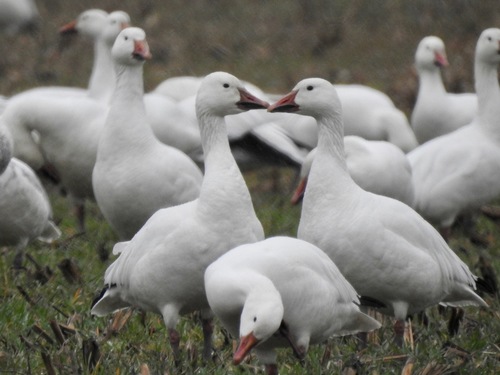
ハクガン (Anser caerulescens) ハクガン
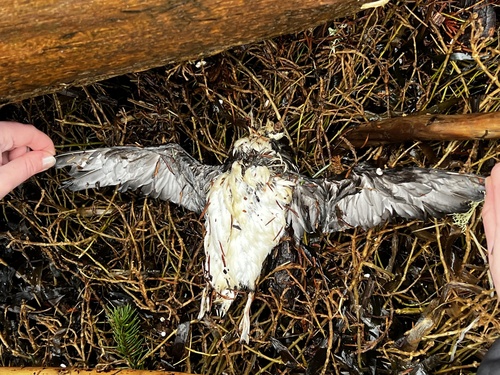
アメリカマダラウミスズメ (Brachyramphus marmoratus) アメリカマダラウミスズメ

メディア

読み込み中…

要点

ハクガンとアメリカマダラウミスズメの最も信頼できるフィールドマークは、全体のサイズと形状です:ハクガンは大きく、長い首を持つ水鳥であり、アメリカマダラウミスズメは小さく、ずんぐりした海鳥で、尖った翼と短いクチバシを持っています。飛んでいるときも休んでいるときも、ハクガン(どちらの色相でも)はずっとずんぐりしていて長い首を持ち、ピンクのクチバシと脚を持っていますが、アメリカマダラウミスズメはコンパクトで短い首を持ち、細い黒いクチバシがあります。羽毛の違いは明白です:ハクガンは全体が白で黒い翼の先端を持つか、暗い青灰色で白い頭を持っていますが、アメリカマダラウミスズメは繁殖期にはまだらな茶色で、冬には黒と白です。生息地も強い手がかりです:ハクガンは開けた湿地や農地に見られ、アメリカマダラウミスズメは海や古い成長の沿岸林の近くにいます。

識別のコツ

  1. Size is the first check: 鳥が家禽のガチョウや大きなカモのサイズに近い場合、それはハクガンです;アメリカマダラウミスズメはずっと小さく、ハトや小さなカモに近いです。
  2. Neck length: ハクガンは長く伸びた首を持ち、特に警戒しているときや泳いでいるときに明らかです;アメリカマダラウミスズメは短くずんぐりした首を持っています。
  3. Bill shape and color: ハクガンは大きく三角形のピンクのクチバシを持ち、黒い「グリンパッチ」があります(遠くからでも見えます);アメリカマダラウミスズメは細く短い黒いクチバシを持っています。
  4. Leg color: ハクガンはバラ色の脚と足を持っています(幼鳥では鈍い色);アメリカマダラウミスズメは暗い脚を持ち、通常は海では見えません。
  5. Plumage pattern: 成鳥のハクガンは全体が白で黒い翼の先端を持つ(白色相)か、青灰色で白い頭と首を持つ(青色相)です。アメリカマダラウミスズメは全体が白や青灰色にはなりません;繁殖期の鳥はまだらな茶色で、冬の鳥は上が黒で下が白です。
  6. Juvenile confusion: 幼鳥の青色相のハクガンは地味な灰色で白が少なく、しかし淡い頭と黒い翼の先端を示します;アメリカマダラウミスズメの幼鳥は成鳥に似ており、このパターンを示すことはありません。
  7. Wing shape in flight: ハクガンは黒い先端を持つ広く丸い翼を持っています;アメリカマダラウミスズメは尖った翼を持ち、急速でひらひらした飛行をします。
  8. Flock size and behavior: ハクガンは大きく騒々しい群れで見られ、しばしば飛行中にV字編隊を作ったり、群れで餌を食べたりします;アメリカマダラウミスズメは単独またはペアで見られ、群れではめったに見られません。
  9. Habitat context: ハクガンは開けた湿地、湖、または農地に見られます;アメリカマダラウミスズメはほぼ常に海上または成熟した沿岸林の近くにいます。
  10. Vocalization: 大きな鳴き声 = ハクガン;静寂またはかすかな高音の呼び声 = アメリカマダラウミスズメ。
  11. Head pattern: ハクガン(すべての年齢)は無地の白または淡い頭を持っています(時には錆色に染まることもあります);アメリカマダラウミスズメは決して白い頭を持たず、常に冠は茶色または黒っぽいです。
  12. Tail and body shape: ハクガンは完全で丸い体と比較的短い尾を持っています;アメリカマダラウミスズメはコンパクトで、短い尾とずんぐりした外観を持っています。
  13. Seasonal plumage: ハクガンは強い季節変化を示しません;アメリカマダラウミスズメはまだらな茶色(繁殖期)から黒と白(非繁殖期)に変わりますが、決してガチョウのパターンにはなりません。
  14. Feeding behavior: ハクガンは陸上または浅い水で草を食べます;アメリカマダラウミスズメは海で魚を捕るために潜ります。
  15. Geographic overlap: 海や古い成長の森から遠くで見られた場合、アメリカマダラウミスズメは非常に可能性が低いです;他のガチョウと一緒に野原や湿地で見られた場合、ほぼ確実にハクガンです。

大きさ

ハクガンは非常に大きく、平均体重は2630 g [wikidata]、高さは64〜79 cm(小型)または最大79 cm(大型)です [wikipedia]。アメリカマダラウミスズメはずっと小さく、長さは約25 cm [wikipedia]で、「小さくずんぐりした」と表現されます。違いは非常に大きく、遠くからでもガチョウは大きく重い体の鳥として認識され、ウミスズメはハトや小さなカモに近いサイズです。クチバシのサイズも手がかりです:ハクガンは大きなピンクのクチバシを持ち、黒い「グリンパッチ」があり、アメリカマダラウミスズメは細く短い黒いクチバシを持っています。

羽色

幼鳥と未成熟のハクガン(特に青色相)は地味な灰色やスレート色に見えることがありますが、頭や腹に白がほとんどなくても、常に対照的な白または淡い頭(最も若い幼鳥を除く)と飛行中の黒い翼の先端を示します。成鳥の白色相のハクガンは純白で黒い一次羽を持ち、青色相の成鳥は主に青灰色で白い頭と首を持っています。すべての年齢のハクガンはバラ色の脚と黒い「グリンパッチ」のあるピンクのクチバシを持っています。アメリカマダラウミスズメは繁殖羽毛では全体がまだらな茶色で、白い頭や体はありません;非繁殖(冬)羽毛では、上が黒で下が白で、黒い冠、後頭部、翼、背中、白い襟を持っています。ウミスズメはハクガンの全白または青と白のパターンを示すことはなく、ピンクのクチバシや脚も持ちません。飛行中、ハクガンは黒い先端を持つ広い翼を示し、アメリカマダラウミスズメは尖った翼とコンパクトな体を持っています。アメリカマダラウミスズメのどの年齢や季節もハクガンのどちらの色相にも似ていません。

行動

ハクガンは通常、大きく騒々しい群れで見られ、しばしば開けた野原で餌を食べたり、V字編隊で飛んだりします。彼らは社交的で目立ち、通常は地面にいるか泳いでいます。アメリカマダラウミスズメは通常、海上で単独またはペアで見られ、魚を捕るために潜ったり、水面を急速に低く飛んだりします。彼らは巣の近くを除いて内陸ではめったに見られず、大きな群れを形成することはありません。彼らの飛行は速く直接的で、急速な翼の拍動を伴い、ガチョウの遅く重い飛行とは異なります。

生息環境

ハクガンは開けた湿地、湖、湿原、農地に見られ、特に渡りや冬の間に見られます。彼らは水や開けた地面から遠くではめったに見られません。アメリカマダラウミスズメは沿岸の海鳥で、通常は海上の岸の近くで見られ、古い成長の森林に巣を作るか、高緯度では岩の間の地面に巣を作ります。彼らは開けた野原や淡水の生息地には見られず、海洋環境と強く関連しており、繁殖期には成熟した沿岸森林と関連しています。

声

ハクガンは非常に声が大きく、遠くからでも聞こえる大きな鳴き声を持っています。アメリカマダラウミスズメは通常、海では静かで、柔らかく高音の呼び声しかなく、巣の近くでない限り聞こえることはありません。ハクガンの大きな群れの鳴き声は診断的で、アメリカマダラウミスズメでは決して一致しません。

より良い説明を送る

比較と同じ項目を使ってください。文章はすぐに公開されます。

The most reliable field mark between Snow Goose and Marbled Murrelet is overall size and shape: Snow Goose is a large, long-necked waterfowl, while Marbled Murrelet is a small, chunky seabird with pointed wings and a short bill. In flight or at rest, Snow Goose (of either color morph) is much bulkier and longer-necked, with a pink bill and legs, while Marbled Murrelet is compact, short-necked, and has a slender black bill. Plumage differences are stark: Snow Goose is either all white with black wingtips or dark blue-gray with a white head, while Marbled Murrelet is mottled brown in breeding season and black-and-white in winter. Habitat is also a strong clue: Snow Goose is found in open wetlands or agricultural fields, Marbled Murrelet at sea or near old-growth coastal forests.

  1. Size is the first check: If the bird is anywhere near the size of a domestic goose or large duck, it is a Snow Goose; Marbled Murrelet is much smaller, closer to a pigeon or small duck.
  2. Neck length: Snow Goose has a long, extended neck, especially obvious when alert or swimming; Marbled Murrelet has a short, stubby neck.
  3. Bill shape and color: Snow Goose has a large, triangular pink bill with a black 'grin patch' (visible even at a distance); Marbled Murrelet has a thin, short, black bill.
  4. Leg color: Snow Goose has rose-red legs and feet (duller in immatures); Marbled Murrelet has dark legs, usually not visible at sea.
  5. Plumage pattern: Adult Snow Goose is either all white with black wingtips (white morph) or blue-gray with a white head and neck (blue morph). Marbled Murrelet is never all white or blue-gray; breeding birds are mottled brown, winter birds are black above and white below.
  6. Juvenile confusion: Immature blue-morph Snow Geese are drab gray with little white, but still show a pale head and black wingtips; Marbled Murrelet juveniles are similar to adults and never show this pattern.
  7. Wing shape in flight: Snow Goose has broad, rounded wings with black tips; Marbled Murrelet has pointed wings and a rapid, fluttery flight.
  8. Flock size and behavior: Snow Geese are in large, noisy flocks, often flying in V-formations or feeding in groups; Marbled Murrelets are solitary or in pairs, rarely in groups.
  9. Habitat context: Snow Goose is found in open wetlands, lakes, or fields; Marbled Murrelet is almost always on the ocean or near mature coastal forests.
  10. Vocalization: Loud honking = Snow Goose; silence or faint, high-pitched calls = Marbled Murrelet.
  11. Head pattern: Snow Goose (all ages) has a plain white or pale head (sometimes stained rusty); Marbled Murrelet never has a white head, always brown or blackish on the crown.
  12. Tail and body shape: Snow Goose has a full, rounded body and a relatively short tail; Marbled Murrelet is compact, with a short tail and chunky appearance.
  13. Seasonal plumage: Snow Goose does not show strong seasonal change; Marbled Murrelet shifts from mottled brown (breeding) to black-and-white (non-breeding), but never matches the goose's patterns.
  14. Feeding behavior: Snow Goose grazes on land or in shallow water; Marbled Murrelet dives for fish at sea.
  15. Geographic overlap: If seen far from the ocean or old-growth forest, Marbled Murrelet is highly unlikely; if seen in a field or marsh with other geese, it's almost certainly Snow Goose.

Snow Goose is vastly larger, with an average body mass of 2630 g [wikidata], standing 64–79 cm tall (lesser) or up to 79 cm (greater) [wikipedia]. Marbled Murrelet is much smaller, about 25 cm in length [wikipedia], and is described as 'small and chunky.' The difference is so great that even distant views should reveal the goose as a large, heavy-bodied bird, while the murrelet is closer in size to a pigeon or small duck. Bill size is also a giveaway: Snow Goose has a large, pink bill with a black 'grin patch,' while Marbled Murrelet has a thin, short, black bill.

Juvenile and immature Snow Geese (especially blue morph) can appear drab gray or slate, with little white on the head or belly, but always show a contrasting white or pale head (except in the youngest immatures) and black wingtips in flight. Adult white-morph Snow Geese are pure white with black primaries, while blue-morph adults are mostly blue-gray with a white head and neck. All ages have rose-red legs and a pink bill with a black 'grin patch.' Marbled Murrelet, in breeding plumage, is mottled brown overall with no white head or body; in non-breeding (winter) plumage, it is black above and white below, with a black crown, nape, wings, and back, and a white collar. The murrelet never shows the all-white or blue-and-white patterns of Snow Goose, nor the pink bill or legs. In flight, Snow Goose shows broad wings with black tips, while Marbled Murrelet has pointed wings and a compact body. No age or season of Marbled Murrelet resembles either morph of Snow Goose.

Snow Geese are typically seen in large, noisy flocks, often feeding in open fields or flying in V-formations. They are social and conspicuous, usually on the ground or swimming. Marbled Murrelets are usually seen singly or in pairs on the ocean, diving for fish, or flying rapidly and low over the water. They are rarely seen inland except near nesting sites and do not form large flocks. Their flight is fast and direct, with rapid wingbeats, unlike the slower, heavier flight of a goose.

Snow Goose is found in open wetlands, lakes, marshes, and agricultural fields, especially during migration and winter. They are rarely seen far from water or open ground. Marbled Murrelet is a coastal seabird, usually seen on the ocean near shore, and nests in old-growth forests or, at high latitudes, on the ground among rocks. It is not found in open fields or freshwater habitats, and is strongly associated with marine environments and, during breeding, mature coastal forests.

Snow Goose is very vocal, with loud, honking calls that can be heard from a great distance. Marbled Murrelet is generally quiet at sea, with only soft, high-pitched calls, and is not likely to be heard unless near a nest site. The loud, flocking honks of Snow Goose are diagnostic and never matched by Marbled Murrelet.

変更を破棄しますか?

保存していない編集があります。今離れると失われます。

ハクガン · アメリカマダラウミスズメ · 苦手な鳥