

Motmot

ハクガン 対 ハイイロガン

Anser caerulescens 対 Anser anser

ハクガンとハイイロガンのクイズ
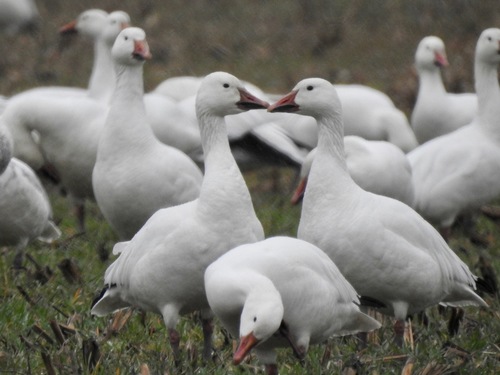
ハクガン (Anser caerulescens) ハクガン
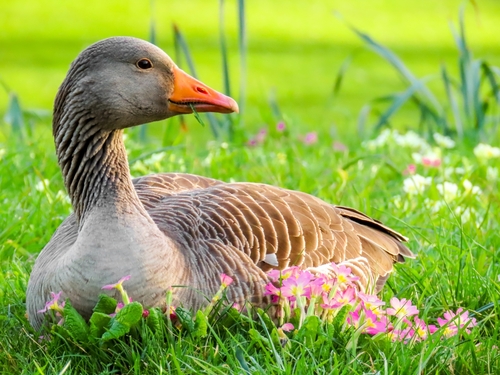
ハイイロガン (Anser anser) ハイイロガン

メディア

読み込み中…

要点

ハクガンとハイイロガンを区別する最も信頼できるフィールドマークは全体の羽色です:成鳥のハクガンは、黒い翼先を持つ純白(白色型)または白い頭を持つ青灰色の体(青色型)であるのに対し、ハイイロガンは常に灰褐色で、腹部は淡い色をしており、純白または青灰色の型を示すことはありません。飛行中、ハクガン(すべての年齢)は、目を引く黒と白の翼のパターン(白色型)または暗く対照的な上翼(青色型)を示しますが、ハイイロガンは淡い灰色の前翼と尾羽を持ち、黒い翼先はありません。くちばしと脚の色も異なります:ハクガンは黒い「グリンパッチ」を持つピンクのくちばしとピンクがかった脚を持ち、ハイイロガンはオレンジのくちばしとピンクの脚を持ちます。幼鳥のハクガンは混乱を招くほど灰色ですが、ハイイロガンのオレンジのくちばしや灰褐色の縞模様の上面は欠けています。サイズは安全な区別要素ではありませんが、ハイイロガンは平均してより大きいです。

識別のコツ

  1. Plumage morphs: ハクガンは2つの型があります:白色(完全に白で黒い翼先を持つ)と青色(青灰色の体で白い頭と尾の先を持つ)。ハイイロガンはこれらの型を示すことはありません—常に灰褐色で縞模様です。
  2. Flight pattern (all ages): ハクガン(白色型)は飛行中、上翼に鋭い黒と白のコントラストを示します;青色型は暗く白い頭を持ちます。ハイイロガンは淡い灰色の前翼と尾羽を持ち、黒い翼先はありません。
  3. Juvenile confusion: 幼鳥のハクガン(特に青色型)は灰色がかっていますが、ハイイロガンの縞模様や斑点模様は欠けており、オレンジのくちばしはありません。幼鳥のハイイロガンは灰褐色で、黒い腹部の斑点はなく、灰色がかった脚を持ちます。
  4. Bill color and shape: ハクガンは目立つ黒い「グリンパッチ」を持つピンクのくちばしを持ち、ハイイロガンはオレンジのくちばしを持ち、通常はより太く、黒い縁はありません。
  5. Leg color: 両方ともピンクがかった脚を持つことがありますが、ハイイロガンの脚は一貫してピンクです;ハクガンの脚は成鳥ではバラ色で、幼鳥では鈍い色です。
  6. Head and neck: ハクガン(白色型)は純白の頭を持ち;青色型は青灰色の体に白い頭を持ちます。ハイイロガンは灰褐色の頭を持ち、体よりもやや暗いことが多く、成鳥では首の羽毛に特徴的な「コンサーティーナ」パターンがあります。
  7. Belly and breast: ハイイロガンは変動する黒い斑点を持つ淡い胸部と腹部を持ち(成鳥);ハクガン(白色型)は下側が白で、青色型は白い腹部の斑点を持つことがありますが、ハイイロガンと同じパターンは決して持ちません。
  8. Upperwing coverts: ハイイロガンは暗い飛行羽と対照的な明るい色のカバー羽を示します;ハクガン(白色型)は白いカバー羽と黒い一次羽を示します。
  9. Tail: ハクガンは暗い端帯を持つ白い尾を持ち(青色型);ハイイロガンの尾は灰色がかっており、白い縁と尾羽を持ちます。
  10. Voice: ハクガンは大きく高音のホーンを出します;ハイイロガンの鳴き声は低く、カッカッという音で、より家禽のガチョウに似ています。
  11. Size and structure: ハイイロガンは平均してより大きく、長いですが、重なりがあるため、サイズだけに頼ってはいけません。
  12. Habitat: ハクガンは北アメリカに生息し、オープンフィールドで巨大な群れで見られることが多いです;ハイイロガンはユーラシアに生息し、湿地や草地に生息しますが、両方とも農業地域に現れることがあります。
  13. Rusty head stains: ハクガンは鉄分の多い土壌での採餌から頭に錆びた染みを示すことがあります;ハイイロガンは示しません。
  14. Hybrid/domestic confusion: 白い家禽のガチョウ(ハイイロガンから派生した)を野生のハクガンと混同しないでください;くちばしの色と「グリンパッチ」を確認してください。
  15. Seasonal context: 北アメリカでは、オレンジのくちばしを持つ灰褐色のAnserはほぼ常に野生のハイイロガンまたは家禽です;ユーラシアでは、黒い翼先を持つ白いガチョウはほぼ確実に迷い込んだハクガンです。

大きさ

ハイイロガンはより重く、わずかに長い種で、成鳥の平均体重は約3465g、長さは最大91 cmで、ハクガンは2630g、最大79 cmです。しかし、特に大きなハクガンの亜種では重なりがあります。フィールドでは、ハイイロガンはしばしばより大きく、頑丈に見え、ハクガンはより流線型です。サイズだけでは、特に距離がある場合や混合群れの中では迅速な区別には信頼できません。

羽色

幼鳥のハクガン(特に青色型)は、頭、首、腹部にほとんど白がなく、地味な灰色またはスレート色ですが、ハイイロガンの縞模様や斑点模様は依然として欠けています。成鳥のハクガンは、黒い一次羽を持つ純白(白色型)または白い頭を持つ青灰色の体(青色型)であり、両方の型は飛行中に黒い翼先を持っています。ハイイロガンは、成鳥と幼鳥ともに常に灰褐色で、淡い腹部と変動する黒い斑点を持ち、純白または青灰色の相は決して示しません。飛行中の上翼は前翼と尾羽が淡い灰色で、明るいカバー羽が暗い飛行羽と対照的ですが、ハクガンの鋭い黒と白のコントラストは決して示しません。幼鳥のハイイロガンは黒い腹部の斑点が欠けており、灰色がかった脚を持ちますが、全体的に灰褐色の縞模様の外観を示します。ハクガンは常に黒い「グリンパッチ」を持つピンクのくちばしを持ち、ハイイロガンのくちばしはオレンジで黒い縁はありません。

行動

両種は社交的で、群れで見られることが多いですが、ハクガンの群れは特に移動中や越冬地で非常に大きく騒がしいことがあります。ハイイロガンの群れは通常小さく、より穏やかである可能性があります。両方ともオープングラウンドで餌を食べますが、ハクガンは冬に農業地で見られる可能性が高く、ハイイロガンはより広範な湿地や草地の生息地で見られることがあります。両種は警戒心が強く、注意深いですが、ハイイロガンは飛行中により鈍重で機敏さが欠けているように見えることがあります。

生息環境

ハクガンは北アメリカに生息し、オープンフィールド、湿地、農地で大きな群れで見られることが多いです、特に冬に。ハイイロガンはユーラシアに生息し、ヨーロッパとアジア全体に分布し、湿地、湖、隣接する草地を好みます。両方が存在する地域(例:野生または迷い込んだ個体群)では、文脈が役立つことがありますが、越冬や移動期間中に生息地の重なりがある可能性があります。

声

ハクガンは非常に声が大きく、高音のホーンを出し、1マイル以上に響くことがあります。ハイイロガンは低いカッカッという鳴き声(「アーン-ウン-ウン」)を持ち、家禽のガチョウを思わせ、群れは犬のように鳴くことがあります。鳴き声は明確ですが、両方とも群れの中では騒がしいことがあります。声はよく聞こえれば有用な区別要素です。

より良い説明を送る

比較と同じ項目を使ってください。文章はすぐに公開されます。

The most reliable field mark to separate Snow Goose from Greylag Goose is overall plumage: adult Snow Geese are either pure white with black wingtips (white morph) or have a blue-gray body with a white head (blue morph), while Greylag Geese are always gray-brown with a paler belly and never show a pure white or blue-gray morph. In flight, Snow Goose (all ages) shows a striking black-and-white wing pattern (white morph) or a dark, contrasting upperwing (blue morph), while Greylag Goose has pale gray forewings and rump, with no black wingtips. Bill and leg color also differ: Snow Goose has a pink bill with a black 'grin patch' and pinkish legs, while Greylag Goose has an orange bill and pink legs. Juvenile Snow Geese can be confusingly gray, but lack the orange bill and gray-brown, barred upperparts of Greylag. Size is not a safe separator, but Greylag is bulkier on average.

  1. Plumage morphs: Snow Goose comes in two morphs: white (entirely white with black wingtips) and blue (blue-gray body with white head and tail tip). Greylag Goose never shows these morphs—always gray-brown and barred.
  2. Flight pattern (all ages): Snow Goose (white morph) in flight shows a sharp black-and-white contrast on the upperwing; blue morph is dark with white head. Greylag Goose has pale gray forewing and rump, with no black wingtips.
  3. Juvenile confusion: Juvenile Snow Geese (especially blue morph) are grayish, but lack the barred, mottled look of Greylag and never have an orange bill. Juvenile Greylags are gray-brown, lack black belly spots, and have grayish legs.
  4. Bill color and shape: Snow Goose has a pink bill with a prominent black 'grin patch' (dark edge along the cutting edge); Greylag Goose has an orange bill, usually stouter, and lacks the black edge.
  5. Leg color: Both can have pinkish legs, but Greylag's are consistently pink; Snow Goose's are rose-red in adults, duller in immatures.
  6. Head and neck: Snow Goose (white morph) has a pure white head; blue morph has a white head on a blue-gray body. Greylag Goose has a gray-brown head, often slightly darker than the body, and a distinctive 'concertina' pattern of neck feathering in adults.
  7. Belly and breast: Greylag Goose has a paler breast and belly with variable black spotting (adults); Snow Goose (white morph) is white below, blue morph may have a white belly patch but never the same pattern as Greylag.
  8. Upperwing coverts: Greylag shows light-colored coverts contrasting with darker flight feathers; Snow Goose (white morph) shows white coverts and black primaries.
  9. Tail: Snow Goose has a white tail with a dark terminal band (blue morph); Greylag's tail is grayish with white edges and rump.
  10. Voice: Snow Goose gives loud, high-pitched honks; Greylag's call is lower, cackling, and more domestic goose-like.
  11. Size and structure: Greylag is bulkier and longer on average, but overlap exists—do not rely on size alone.
  12. Habitat: Snow Goose is North American, often in huge flocks in open fields; Greylag is Eurasian, in wetlands and grasslands, but both can appear in agricultural areas.
  13. Rusty head stains: Snow Goose may show rusty staining on the head from feeding in iron-rich soils; Greylag does not.
  14. Hybrid/domestic confusion: Do not confuse white domestic geese (derived from Greylag) with wild Snow Goose; check for bill color and 'grin patch.'
  15. Seasonal context: In North America, a gray-brown Anser with orange bill is almost always a feral Greylag or domestic; in Eurasia, a white goose with black wingtips is almost certainly a vagrant Snow Goose.

Greylag Goose is the heavier and slightly longer species, with an average adult mass of about 3465g and length up to 91 cm, compared to Snow Goose's 2630g and up to 79 cm. However, there is overlap, especially with larger Snow Goose subspecies. In the field, Greylag often appears bulkier and more robust, while Snow Goose is more streamlined. Size alone is unreliable for quick separation, especially at distance or in mixed flocks.

Immature Snow Geese (especially blue morph) can be drab gray or slate with little white on the head, neck, or belly, but still lack the barred and mottled pattern of Greylag Goose. Adult Snow Geese are either pure white with black primaries (white morph) or have a blue-gray body with a white head (blue morph); both morphs have black wingtips in flight. Greylag Goose, adult and immature, is always gray-brown with a paler belly and variable black spotting, and never shows a pure white or blue-gray phase. Its upperwing in flight is pale gray on the forewing and rump, with light coverts contrasting with darker flight feathers, but never shows the sharp black-and-white contrast of Snow Goose. Juvenile Greylags lack black belly speckling and have grayish legs, but still show the overall gray-brown, barred look. Snow Goose always has a pink bill with a black 'grin patch', while Greylag's bill is orange and lacks the black edge.

Both species are social and often seen in flocks, but Snow Goose flocks can be extremely large and noisy, especially during migration and on wintering grounds. Greylag flocks are usually smaller and may be more sedate. Both feed on open ground, but Snow Geese are more likely to be seen in agricultural fields in winter, while Greylag may be found in a wider range of wetland and grassland habitats. Both species are wary and alert, but Greylag may appear more ponderous and less agile in flight.

Snow Goose is native to North America and is most often found in large flocks in open fields, marshes, and agricultural land, especially in winter. Greylag Goose is Palearctic, found across Europe and Asia, and prefers wetlands, lakes, and adjacent grasslands. In areas where both are present (e.g., feral or vagrant populations), context can help, but habitat overlap is possible in wintering or migration periods.

Snow Goose is very vocal, with loud, high-pitched honks that can carry over a mile. Greylag Goose has a lower, cackling call ('aahng-ung-ung'), reminiscent of domestic geese, and flocks can sound like baying hounds. The calls are distinct, but both can be noisy in flocks. Voice is a useful separator if heard well.

変更を破棄しますか?

保存していない編集があります。今離れると失われます。

ハクガン · ハイイロガン · 苦手な鳥