

Motmot

ハクガン 対 カモハクチョウ

Anser caerulescens 対 Coscoroba coscoroba

ハクガンとカモハクチョウのクイズ
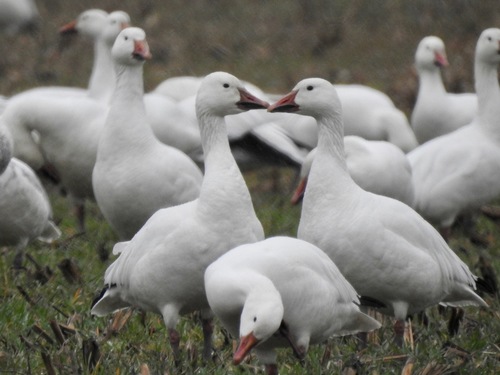
ハクガン (Anser caerulescens) ハクガン
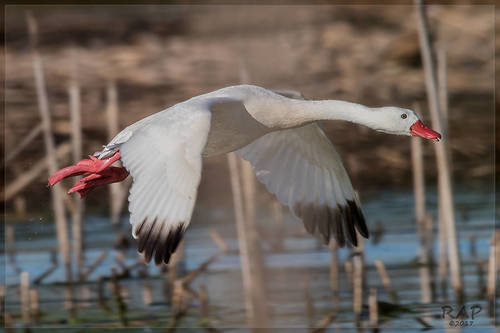
カモハクチョウ (Coscoroba coscoroba) カモハクチョウ

メディア

読み込み中…

要点

ハクガンとカモハクチョウの最も信頼できるフィールドマークは、くちばしと頭の構造です:ハクガンは短くて太いピンクのくちばしを持ち、明確な黒い「グリンパッチ」がありますが、カモハクチョウはこのパッチがない、より長くて白鳥のようなピンクのくちばしを示します。両種は主に白色で黒い翼の先端を持っていますが、カモハクチョウは成鳥としては外側の初級羽の黒を除いて純白です。一方、ハクガンは黒い翼の先端を持つ全白か、青灰色の形態のいずれかです。特に青い形態の幼鳥のハクガンは、常に白い成鳥のカモハクチョウとは異なり、灰色に見えることがあります。飛行中、両者は黒い翼の先端を示しますが、カモハクチョウの長い首と白鳥のような姿勢は特徴的です。サイズと構造も異なります:カモハクチョウはより重く、脚が長く、真の白鳥よりも首が短いですが、ハクガンよりは長いです。生息地と分布にも注意してください—カモハクチョウは厳密に南アメリカに生息し、ハクガンは北アメリカに生息しています。

識別のコツ

  1. Bill shape and color: ハクガンは短くて太いピンクのくちばしを持ち、目立つ黒い「グリンパッチ」(暗い切断エッジ)があり、近距離で見ることができます。カモハクチョウのくちばしはより長く、白鳥のようでピンクですが、黒いグリンパッチがありません。これはどの年齢でも重要なマークです。
  2. Neck length and posture: カモハクチョウはハクガンよりも長い首を持っていますが、真の白鳥よりは短いです。飛行中または水中では、カモハクチョウの首はより伸びて白鳥のようになります;ハクガンは常に首が短く、よりコンパクトです。
  3. Legs and walking stance: カモハクチョウはより長く、明るいピンクの脚を持ち、直立した白鳥のような歩き方をします。ハクガンの脚は短く、その歩き方はよりガチョウのようです。これは鳥が地面にいるときに最も明らかです。
  4. Plumage morphs: ハクガンには2つの形態があります:白(全白で黒い翼の先端)と青(灰色がかった青の体に白い頭/首/尾の先端と黒い翼の先端)。カモハクチョウは成鳥として常に純白で、飛行中にのみ外側の初級羽の黒い先端が見えます。
  5. Juvenile/immature plumage: 幼鳥のハクガン、特に青い形態は、頭、首、または腹にほとんど白がなく、鈍い灰色またはスレート色で、くちばしや脚の色も鈍いです。カモハクチョウの幼鳥は灰色がかったとは記述されていないため、灰色または青みがかった幼鳥はハクガンです。
  6. Wing pattern in flight: 両種は黒い翼の先端を示しますが、カモハクチョウの黒は外側の6本の初級羽に限られ、ハクガンの黒よりも広がりが少ないです。ハクガンでは、黒がより目立ち、特に白い形態で初級羽の多くを覆っています。
  7. Head staining: ハクガンはしばしば鉱物が豊富な土壌での餌付けから頭に錆びた茶色の汚れがあります。カモハクチョウはこの汚れを示しません。
  8. Size and bulk: カモハクチョウはハクガン(平均2630 g)よりも重く、より大きく(平均4200 g)な体を持ち、より細長い体と長い脚を持っています。ハクガンはよりコンパクトで軽いです。
  9. Flock size and behavior: ハクガンは通常、特に移動や冬に非常に大きくて騒がしい群れで見られます。カモハクチョウは通常、ペアまたは小さな群れで見られます。
  10. Vocalizations: ハクガンは非常に声が大きく、うるさい鳴き声を出します。カモハクチョウの鳴き声はより柔らかく、白鳥のようで、遠くまで響きません。
  11. Range and context: カモハクチョウは南アメリカにのみ生息し、ハクガンは北アメリカにのみ生息します。もし間違った大陸にいるなら、識別を再考してください。
  12. Feeding behavior: ハクガンはしばしば野原で餌を食べ、残った穀物を食べますが、カモハクチョウは主に浅い水中で餌を探し、めったに逆さにならず、時々地面で餌を食べます。
  13. Interbreeding and morphs: ハクガンの形態は交配可能で、白と青の両方の形態を持つ混合群れが可能です。カモハクチョウはこの変異を示しません。
  14. Sex differences: カモハクチョウのオスはメスよりも大きいですが、両方の性は羽毛が似ています。ハクガンの性はサイズと羽毛の両方で似ています。
  15. Confusion with domestics: ハクガンの黒いグリンパッチのあるピンクのくちばしとバラ色の脚/足は、白い家禽のガチョウと区別するのに役立ちますが、カモハクチョウの純白の羽毛と白鳥のようなくちばし/首は特徴的です。

大きさ

カモハクチョウはハクガン(平均2630 g)よりもかなり重く(平均4200 g)、南アメリカの水鳥の中で最大のものの一つですが、真の白鳥よりは小さいです。ハクガンはよりコンパクトで、首と脚が短いです。カモハクチョウの長い脚と直立した姿勢は、地面を歩くときに目立ち、ハクガンよりも高く立ちます。直接比較すると、カモハクチョウはより大きく、より細長く見え、特に体と首において、ハクガンはよりがっしりしていて首が短いです。

羽色

幼鳥のハクガン、特に青い形態は、頭、首、または腹にほとんど白がなく、鈍い灰色またはスレート色で、くちばしや脚の色も鈍いです。成鳥のハクガンは2つの形態があります:白い形態は全白で黒い翼の先端を持ち、青い形態は青灰色の体の羽毛を持ち、頭、首、尾の先端にのみ白があります。両方の形態は飛行中に黒い翼の先端が見えます。カモハクチョウの成鳥は、飛行中にのみ見える外側の6本の初級羽の黒い先端を除いて純白です;それ以外は灰色や青の色合いは示しません。カモハクチョウの脚と足は明るいピンクで、成鳥のハクガンの脚と足も同様ですが、幼鳥のハクガンは鈍い色を持っています。ハクガンは餌付けから頭に錆びた汚れを示すことが多いですが、カモハクチョウは示しません。要約すると:カモハクチョウは成鳥として常に白い(飛行中の黒い外側の初級羽を除く)ですが、ハクガンは白または青灰色で、幼鳥はかなり鈍い色を持つことがあります。

行動

カモハクチョウは長い脚のため、地面でより直立して容易に歩き、地面や水から迅速に離陸できます。その姿勢はより白鳥のようで、ハクガンよりも長い首を持っていますが、真の白鳥よりは短いです。ハクガンは動きがよりガチョウのようで、しばしば大きくて騒がしい群れで餌を食べます。カモハクチョウは通常、ペアまたは小さな群れで見られ、その餌の取り方はより白鳥のようで、主に泳いだり水に浸かったりし、めったに逆さになりません。特に繁殖シーズン以外のハクガンは、しばしば野原で餌を食べたり、大きな集団で残った穀物を食べたりするのが見られます。

生息環境

カモハクチョウは南アメリカ(アルゼンチン、ボリビア、ブラジル、チリ、パラグアイ、ウルグアイ、フォークランド諸島)に限定されており、湿地、浅い湖、湿原に生息しています。ハクガンは北アメリカに生息し、北極で繁殖し、南部のアメリカとメキシコで冬を越し、しばしば農業用地、湖、湿原に生息します。分布の重複は期待されないため、地理的文脈は強い手がかりです。ハクガンは特に移動や冬に非常に大きくて密な群れで見られる可能性が高いです。

声

ハクガンは非常に声が大きく、1マイル以上離れた場所から聞こえる大きな鳴き声を持っています。カモハクチョウは脅威として擬音語の「コスコルー」を出し、接触音として単音のフーという音を出します;幼鳥はチューチューやトリルを出します。カモハクチョウの鳴き声は、ハクガンよりもガチョウのようではなく、より白鳥のようで、柔らかく、遠くまで響きません。

より良い説明を送る

比較と同じ項目を使ってください。文章はすぐに公開されます。

The most reliable field mark between Snow Goose and Coscoroba Swan is the bill and head structure: Snow Goose has a shorter, stubbier pink bill with a distinct black 'grin patch,' while Coscoroba Swan shows a longer, more swan-like pink bill lacking this patch. Both species are largely white with black wingtips, but Coscoroba Swan is pure white as an adult except for the black on the outer primaries, while Snow Goose can be either all white with black wingtips or a blue-gray morph. Juvenile Snow Geese, especially in the blue morph, can appear grayish, unlike the always white adult Coscoroba Swan. In flight, both show black wingtips, but Coscoroba Swan's longer neck and swan-like posture are distinctive. Size and structure also differ: Coscoroba Swan is heavier, longer-legged, and has a shorter neck than true swans but longer than Snow Goose. Watch for habitat and range as well—Coscoroba Swan is strictly South American, while Snow Goose is North American.

  1. Bill shape and color: Snow Goose has a short, stout pink bill with a prominent black 'grin patch' (the dark cutting edge), visible at close range. Coscoroba Swan's bill is longer, more swan-like, and pink but lacks the black grin patch. This is a key mark at any age.
  2. Neck length and posture: Coscoroba Swan has a longer neck than Snow Goose, though shorter than true swans. In flight or on water, Coscoroba Swan's neck is more extended and swan-like; Snow Goose is always shorter-necked and more compact.
  3. Legs and walking stance: Coscoroba Swan has longer, brighter pink legs and walks with an upright, swan-like gait. Snow Goose's legs are shorter and its gait is more goose-like. This is most obvious when birds are on land.
  4. Plumage morphs: Snow Goose comes in two morphs: white (all white with black wingtips) and blue (grayish-blue body with white head/neck/tail tip and black wingtips). Coscoroba Swan is always pure white as an adult, except for black tips to the outer primaries visible only in flight.
  5. Juvenile/immature plumage: Juvenile Snow Geese, especially blue morphs, are drab gray or slate with little white on the head, neck, or belly, and duller bill/leg colors. Coscoroba Swan immatures are not described as grayish, so a gray or blue-toned juvenile is Snow Goose.
  6. Wing pattern in flight: Both species show black wingtips, but Coscoroba Swan's black is limited to the outer six primaries and is less extensive than the black on Snow Goose. In Snow Goose, the black is more prominent and covers more of the primaries, especially visible in white morphs.
  7. Head staining: Snow Geese often have rusty brown staining on the head from feeding in mineral-rich soils. Coscoroba Swan does not show this staining.
  8. Size and bulk: Coscoroba Swan is heavier and bulkier (4200 g average) than Snow Goose (2630 g average), with a more elongated body and longer legs. Snow Goose is more compact and lighter.
  9. Flock size and behavior: Snow Geese are typically seen in very large, noisy flocks, especially in migration and winter. Coscoroba Swan is usually in pairs or small groups.
  10. Vocalizations: Snow Goose is extremely vocal, with loud honks. Coscoroba Swan's calls are softer, more swan-like, and less far-carrying.
  11. Range and context: Coscoroba Swan is found only in South America; Snow Goose is only in North America. If you are in the wrong continent, reconsider the ID.
  12. Feeding behavior: Snow Geese often graze in fields and feed on leftover grain, while Coscoroba Swan forages mainly in shallow water, rarely upending, and sometimes grazes on land.
  13. Interbreeding and morphs: Snow Goose morphs can interbreed, so mixed flocks with both white and blue morphs are possible. Coscoroba Swan does not show this variation.
  14. Sex differences: Coscoroba Swan males are larger than females, but both sexes look alike in plumage. Snow Goose sexes are similar in both size and plumage.
  15. Confusion with domestics: Snow Goose's pink bill with black grin patch and rose-red feet/legs help separate it from white domestic geese, but Coscoroba Swan's pure white plumage and swan-like bill/neck are distinctive.

Coscoroba Swan is significantly heavier (average 4200 g) than Snow Goose (average 2630 g), and is among the largest South American waterfowl, though still smaller than true swans. Snow Goose is more compact, with a shorter neck and legs. Coscoroba Swan's longer legs and upright stance are noticeable when walking on land, and it stands taller than Snow Goose. In direct comparison, Coscoroba Swan appears bulkier and more elongated, especially in the body and neck, while Snow Goose is stockier and shorter-necked.

Juvenile Snow Geese, especially in the blue morph, are drab or slate-gray with little to no white on the head, neck, or belly, and their bill and leg colors are duller. Adult Snow Geese come in two morphs: the white morph is all white with black wingtips, while the blue morph has bluish-gray body plumage with white only on the head, neck, and tail tip. Both morphs have black wingtips visible in flight. Coscoroba Swan adults are pure white except for the black tips to the outer six primary feathers, which are only visible in flight; otherwise, they show no gray or blue tones. Coscoroba Swan's legs and feet are bright pink, as are those of adult Snow Geese, but immature Snow Geese have duller colors. Snow Geese often show rusty staining on the head from feeding, which Coscoroba Swan does not. In summary: Coscoroba Swan is always white as an adult (except for black outer primaries in flight), while Snow Goose can be white or blue-gray, and juveniles can be quite dusky.

Coscoroba Swan walks more upright and easily on land due to its longer legs, and can take off quickly from land or water. Its posture is more swan-like, with a longer neck than Snow Goose, though shorter than true swans. Snow Geese are more goose-like in their movement and often feed in large, noisy flocks. Coscoroba Swan is typically seen in pairs or small groups, and its feeding is more swan-like—mainly swimming or wading, rarely upending. Snow Goose, especially outside the breeding season, is often seen grazing in fields or feeding on leftover grain in large aggregations.

Coscoroba Swan is restricted to South America (Argentina, Bolivia, Brazil, Chile, Paraguay, Uruguay, Falkland Islands) and is found in wetlands, shallow lakes, and marshes. Snow Goose is native to North America, breeding in the Arctic and wintering in southern U.S. and Mexico, often in agricultural fields, lakes, and marshes. Overlap in range is not expected, so geographic context is a strong clue. Snow Geese are more likely to be found in very large, dense flocks, especially in migration or winter.

Snow Goose is very vocal, with loud honking calls that can be heard from over a mile away. Coscoroba Swan produces an onomatopoeic 'cos-cor-oo' as a threat and a monosyllabic hooting note as a contact call; immatures make chirps and trills. Coscoroba Swan's calls are less goose-like and more swan-like, softer and less far-carrying than the raucous Snow Goose.

変更を破棄しますか?

保存していない編集があります。今離れると失われます。

ハクガン · カモハクチョウ · 苦手な鳥